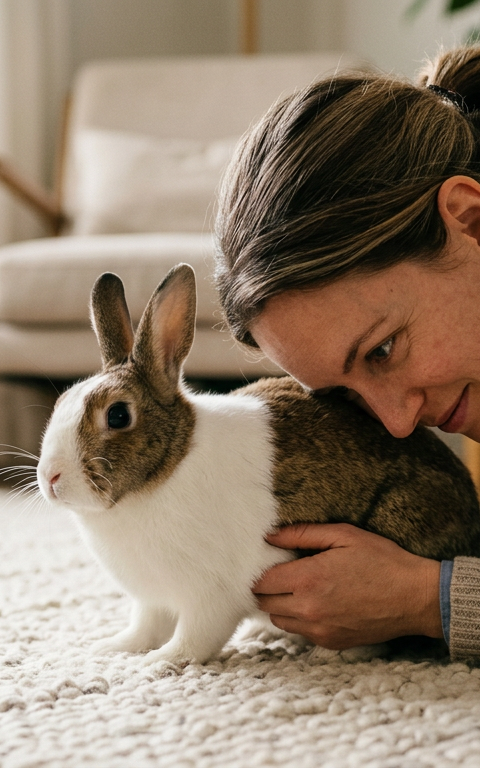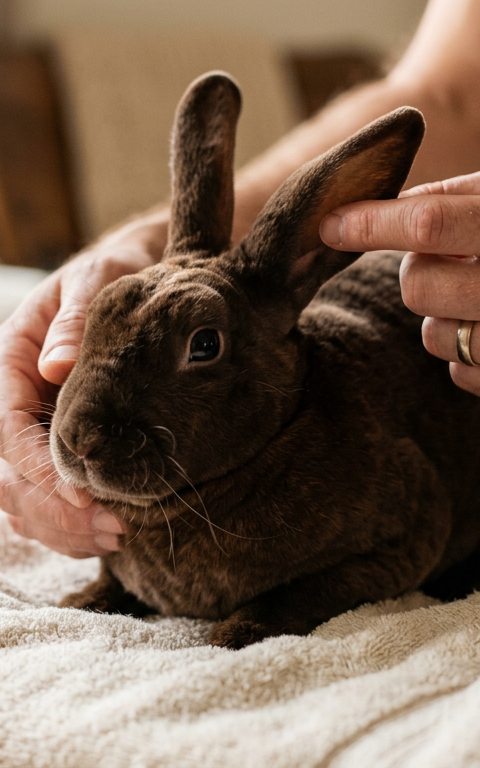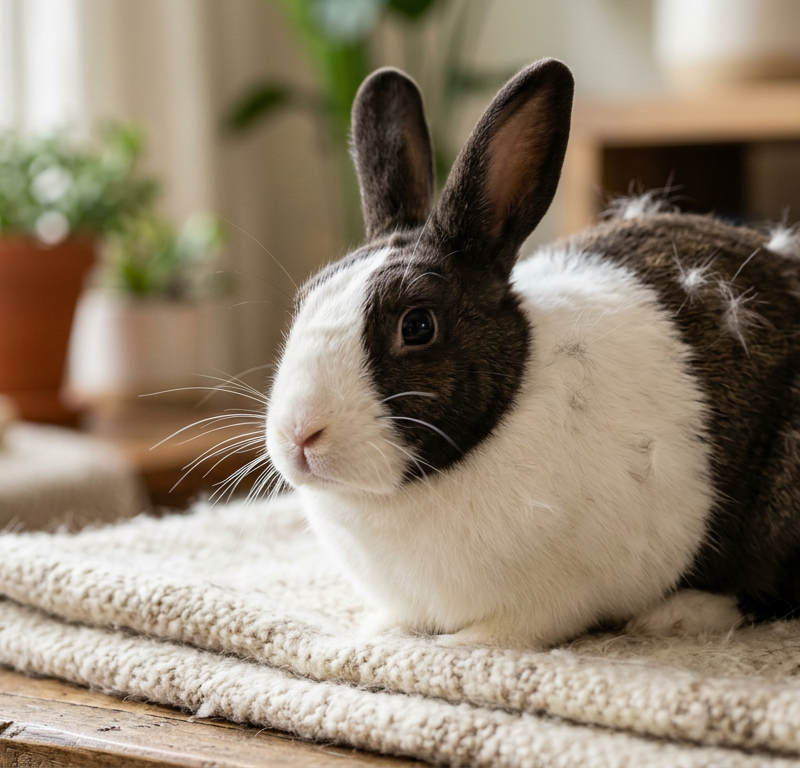
Watching your bunny lose its coat can be a puzzling experience for any pet parent. While every rabbit owner is familiar with the standard seasonal shed, seeing rabbit fur falling out in tufts not moulting can feel quite different. These clumps often leave behind noticeable patches or thin spots that don't follow the typical pattern of a healthy coat transition.
Understanding the difference between a natural "blow" of the coat and hair loss related to wellness is key to keeping your companion comfortable. In a normal moult, you might see a distinct "tide line" where new fur is pushing out the old. However, when the hair comes away in ragged tufts and reveals bare or irritated skin, it is time to look closer at their environment and health routines.
Distinguishing Between Moulting and Unusual Fur Loss
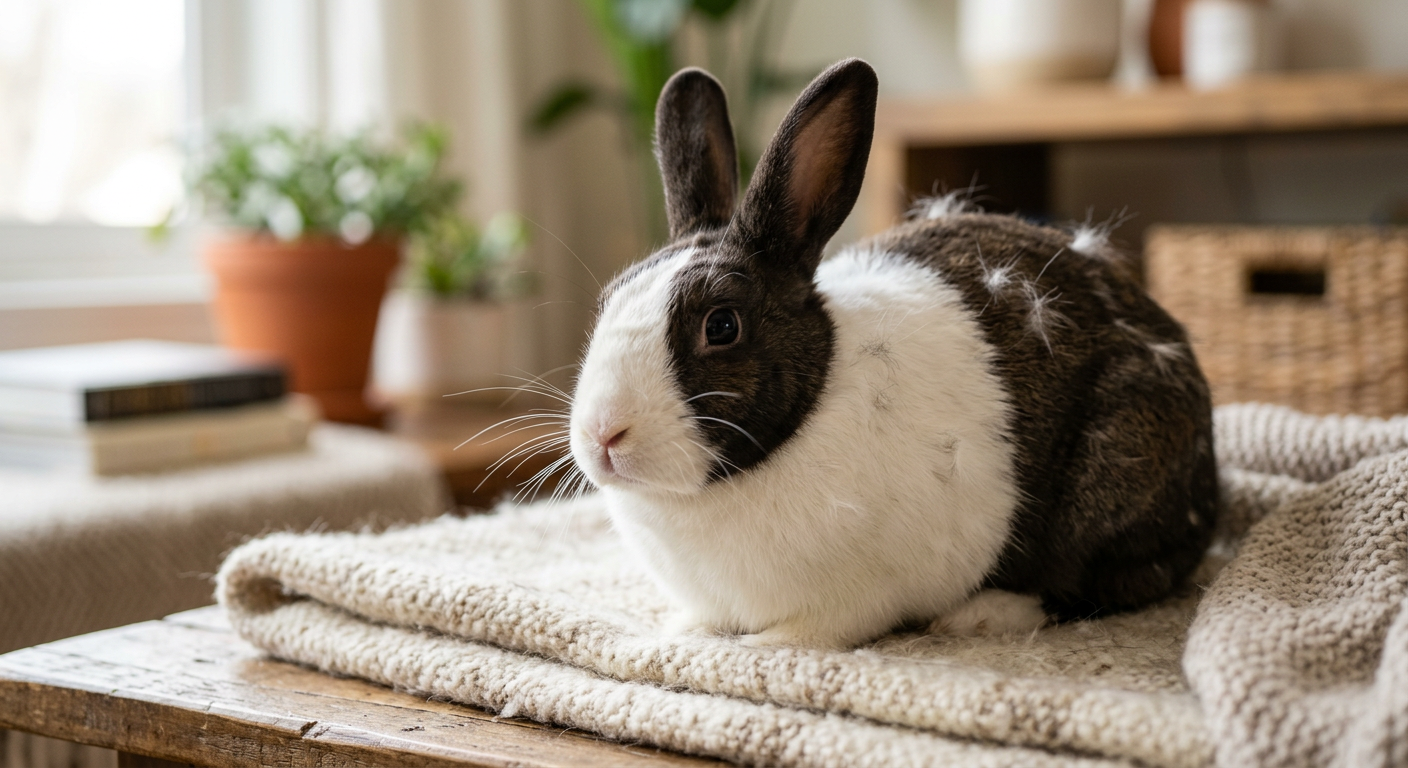
Rabbits are prolific shedders, often undergoing a heavy moult several times a year. During a standard shed, the fur may come out in small clumps, but there is usually a layer of short, fresh down underneath. When you notice rabbit fur falling out in tufts not moulting, the skin underneath may appear completely bald, flaky, or red.
A healthy moult typically starts at the head and moves down the back toward the tail. In contrast, unusual tufting often appears in random patches, particularly on the dewlap, flanks, or underside. If your rabbit's hair loss is accompanied by scratching or changes in appetite, it is important to consider if their digestive health is also being affected by the stress of the condition.
The Role of Grooming Habits
Rabbits are meticulous groomers. Sometimes, what looks like spontaneous hair loss is actually the result of over-grooming. This can happen if a rabbit is bored or if they are grooming a companion too vigorously, a behavior known as "barbering."
Common Causes for Patchy Hair Loss
When the fur loss isn't part of the natural seasonal cycle, several factors might be at play. Identifying the root cause helps you provide the right support for your bunny's skin and coat health. Often, these issues are easily manageable with a few adjustments to their care plan or a quick visit to a rabbit-savvy veterinarian.
- External Parasites: Fur mites (Cheyletiella) are a frequent culprit. They often cause "walking dandruff" and can lead to fur falling out in large, dry tufts.
- Skin Infections: Fungal infections like ringworm or bacterial dermatitis can cause circular patches of hair loss and crusty skin.
- Hormonal Imbalances: Unspayed females may experience "false pregnancy," leading them to pull fur from their chest and belly to line a nest.
- Environmental Stress: Changes in the household or a lack of mental stimulation can manifest as self-plucking or over-grooming.
Dietary Influences on Coat Quality
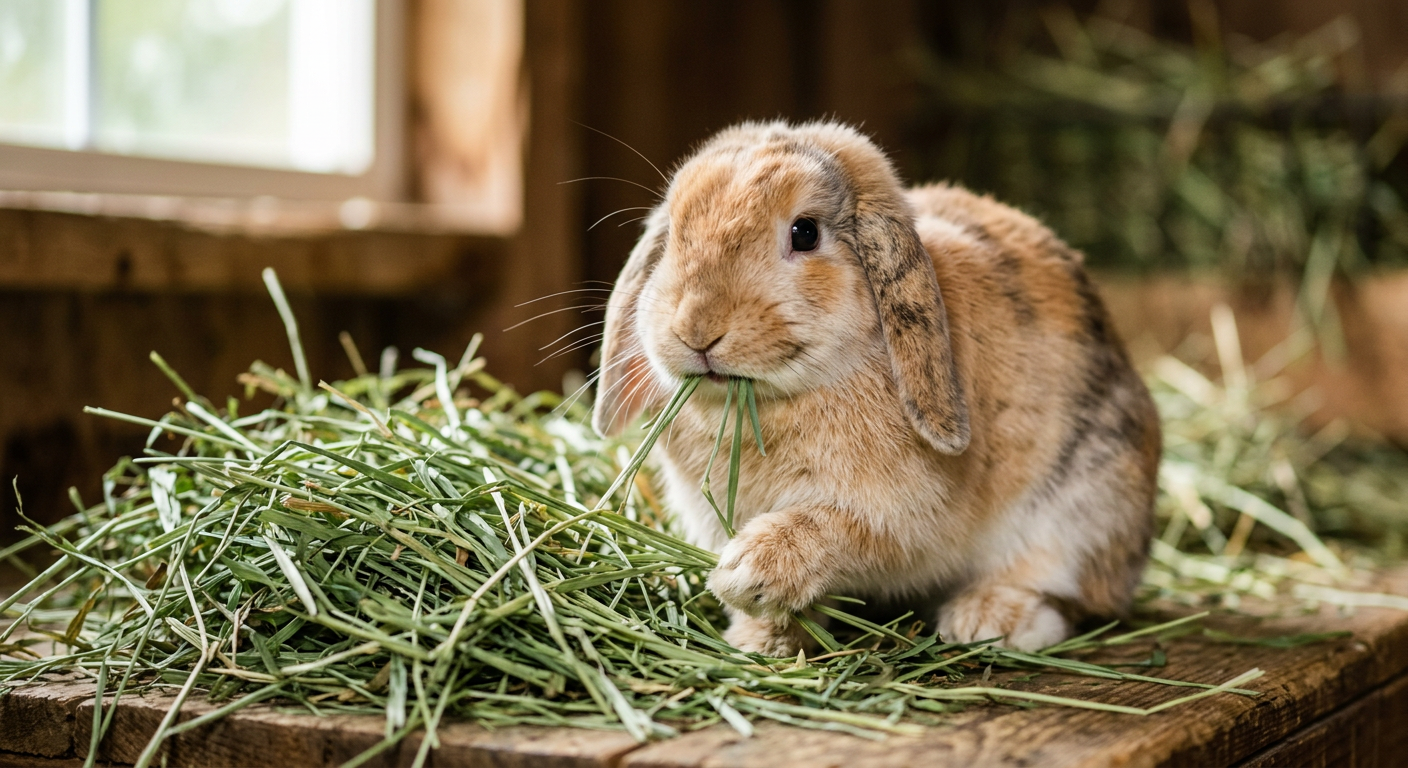
A rabbit's coat is a reflection of their internal health. If a rabbit isn't getting enough fiber or essential fatty acids, the fur may become brittle and fall out more easily. Ensuring they have unlimited access to high-quality hay is the foundation of skin health. If you find your rabbit is choosing pellets over hay, their coat quality may eventually suffer due to nutritional gaps.
When to Consult Your Veterinarian
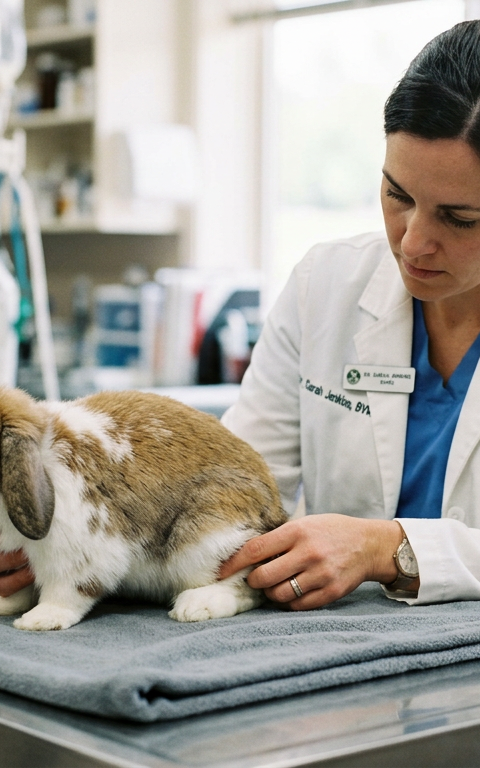
While some tufting can be managed with better grooming or diet, certain signs indicate a need for professional care. If the skin beneath the fallen tufts looks inflamed, moist, or has a yellowish crust, a veterinarian can perform a skin scrape to rule out mites or infection. Early intervention ensures your rabbit stays happy and avoids further discomfort.
You should also monitor their overall behavior. If the fur loss coincides with your rabbit leaving uneaten cecotropes, it could suggest they are having trouble reaching certain areas due to dental issues or arthritis, leading to poor coat maintenance in specific spots.
The Impact of Dental Health
It might seem unrelated, but dental health plays a massive role in coat condition. If a rabbit’s teeth are misaligned, they cannot groom themselves effectively. This leads to matting, which eventually pulls away from the skin in tufts, leaving bald patches behind.
Proactive Steps for a Healthy Coat
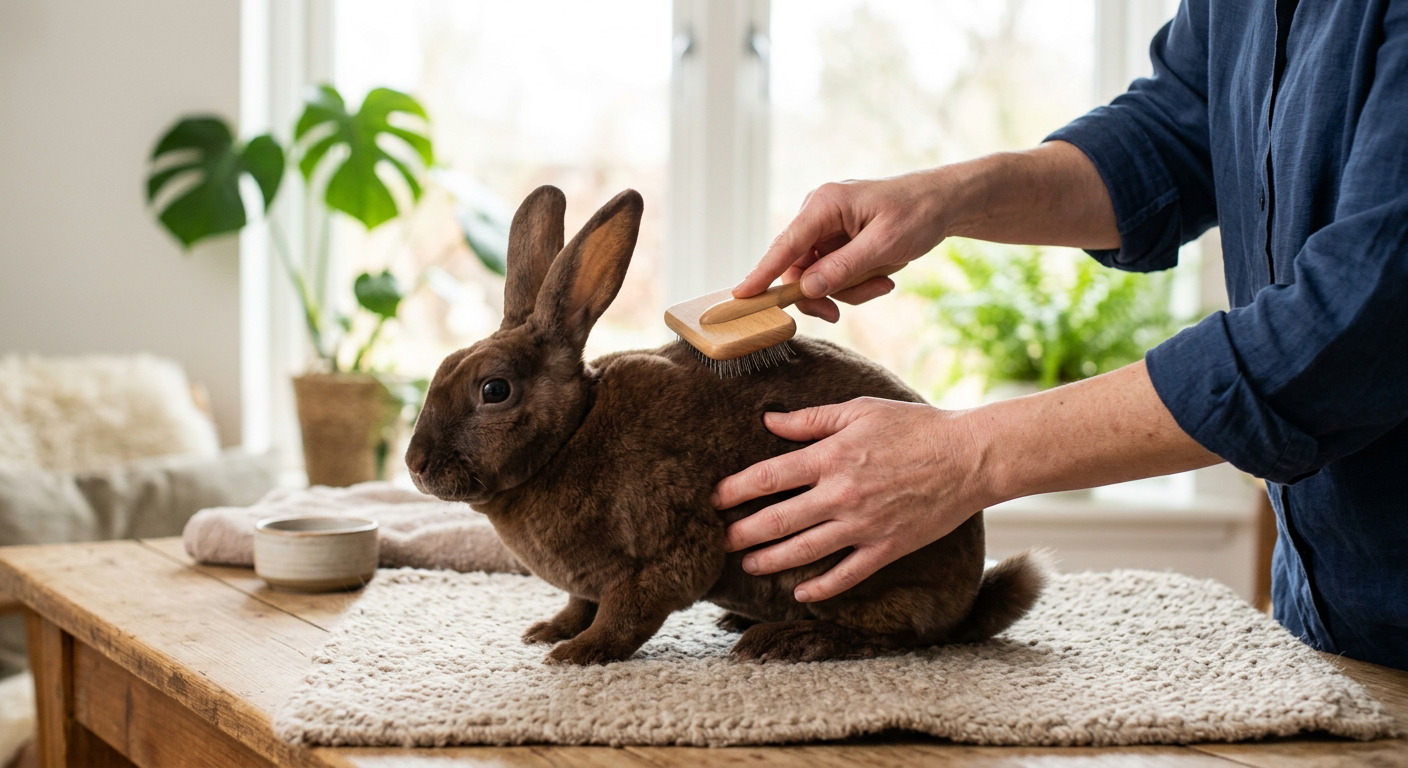
Maintaining a lush, full coat involves a combination of good hygiene and a stress-free environment. Regular brushing is the best way to help your rabbit through any shedding phase, whether it's a natural moult or a recovery period from a skin issue. It also prevents them from ingesting too much fur, which supports their sensitive digestive system.
Consider the bedding you use as well. Some aromatic wood shavings can irritate a rabbit's skin, leading to scratching and subsequent hair loss. Opt for paper-based bedding or soft fleece to keep their skin calm. If you notice other physical symptoms like a rabbit sneezing frequently, it may be time to reassess the air quality and dust levels in their living space.
Managing Stress and Social Dynamics
Rabbits are social creatures, but their interactions can sometimes result in "barbering." This is when one rabbit nibbles the fur off another to assert dominance or out of boredom. If you have a bonded pair and notice one has bald spots while the other has a perfect coat, observe their grooming sessions closely. Providing more enrichment toys, like willow balls or cardboard tunnels, can redirect this behavior.
Creating a Soothing Environment
A calm environment helps prevent stress-related fur plucking. Ensure your rabbit has a "safe zone" where they can retreat if the household gets too noisy. High stress levels can suppress the immune system, making them more susceptible to the mites that cause tufting in the first place.
Conclusion
Seeing rabbit fur falling out in tufts not moulting can be concerning, but it is often a manageable situation with the right attention. By observing the skin's condition and the rabbit's behavior, you can determine if the issue is environmental, nutritional, or medical. Always prioritize a high-fiber diet and a clean, low-stress home to keep their coat shining. If you are ever in doubt about the cause of the hair loss, a consultation with a veterinarian will provide the peace of mind and treatment plan your bunny deserves.