Seeing your bunny experience a sudden bout of the sniffles can be a curious and sometimes concerning moment for any pet parent. If you notice your rabbit sneezing repeatedly not dusty bedding as the cause, you might be wondering what else could be triggering this reaction. While an occasional sneeze is normal—often just a way to clear a stray hair or a tickle—frequent sneezing usually suggests an underlying reason that requires a closer look at their environment or health status.
Rabbits have incredibly sensitive respiratory systems and delicate nasal passages. Because they are obligate nasal breathers, meaning they breathe almost exclusively through their nose, any congestion or irritation can be quite noticeable. Understanding why your rabbit is sneezing involves looking beyond the hay box to assess everything from household scents to potential wellness considerations that may need a veterinarian's expert eye.
Understanding Common Irritants Beyond Dust
Even if you have switched to a high-quality, dust-free paper bedding or vacuumed the room thoroughly, other environmental factors can cause nasal irritation. Rabbits possess a sense of smell that is far more acute than ours. What seems like a pleasant, light scent to a human can be an overwhelming irritant to a small bunny.
Common household items that might trigger frequent sneezing include strong perfumes, scented candles, air fresheners, and even the residue from cleaning products used on the floor or near their enclosure. If you have recently changed your laundry detergent or started using a new floor cleaner, your rabbit might be reacting to the lingering chemical particulates in the air.
The Role of Air Quality and Ventilation
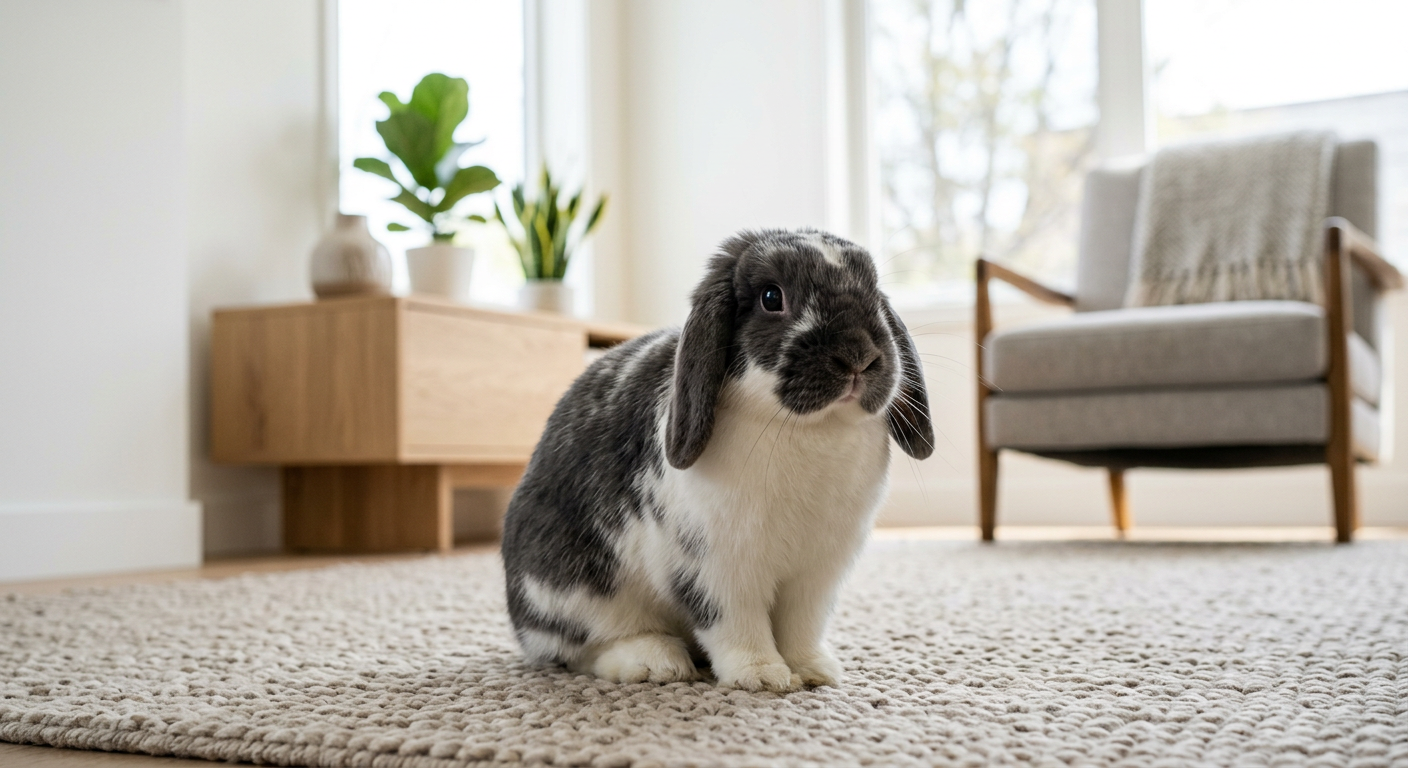
Sometimes the issue isn't what you've added to the room, but rather the airflow within it. Poor ventilation can lead to a buildup of ammonia from the litter box or stable odors that irritate the nasal lining. Ensuring that your rabbit's living space has a fresh supply of air without being in a direct, chilly draft is a key part of proactive care.
Low humidity can also be a silent culprit. During winter months when heaters are running, the air inside our homes can become very dry. This dryness can parch a rabbit's nasal membranes, leading to a "dry sneeze" as the body tries to compensate for the lack of moisture.
Health Considerations and Snuffles
When environmental factors are ruled out, it is important to consider health-related reasons for your rabbit sneezing repeatedly. The most common concern for rabbit owners is a condition often referred to as "snuffles." This is a general term for upper respiratory infections usually caused by bacteria such as Pasteurella multocida or Staphylococcus.
Unlike a human cold, which is typically viral and resolves on its own, bacterial infections in rabbits often require professional intervention. A rabbit with snuffles may show other signs alongside sneezing, such as clear or colored nasal discharge, watery eyes, or matted fur on their front paws from wiping their nose.
Dental Health and Nasal Passages
It might seem surprising, but a rabbit's teeth are closely linked to their sinuses. Rabbit teeth grow continuously throughout their lives and require constant wearing down through the consumption of hay. If the tooth roots become overgrown or misaligned, they can actually press upward into the nasal cavity.
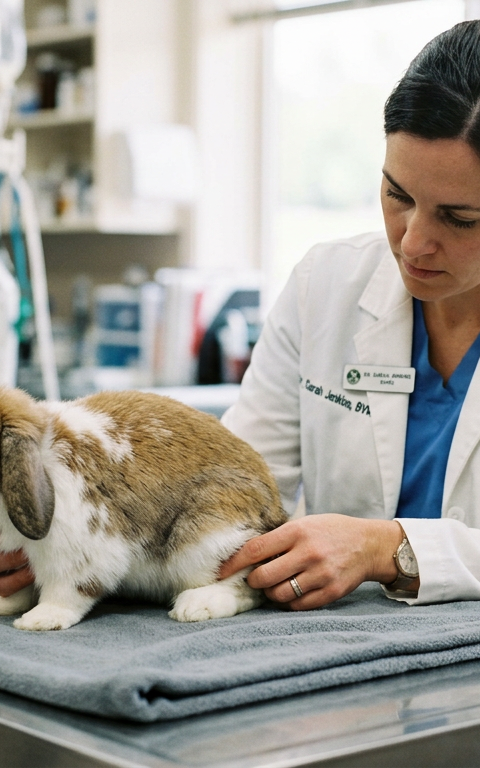
This pressure causes irritation, inflammation, and chronic sneezing that won't respond to environmental changes. If you suspect your rabbit's sneezing is related to their mouth, a veterinarian can perform a thorough dental exam and potentially take X-rays to check the health of those hidden tooth roots.
When to Consult a Veterinarian
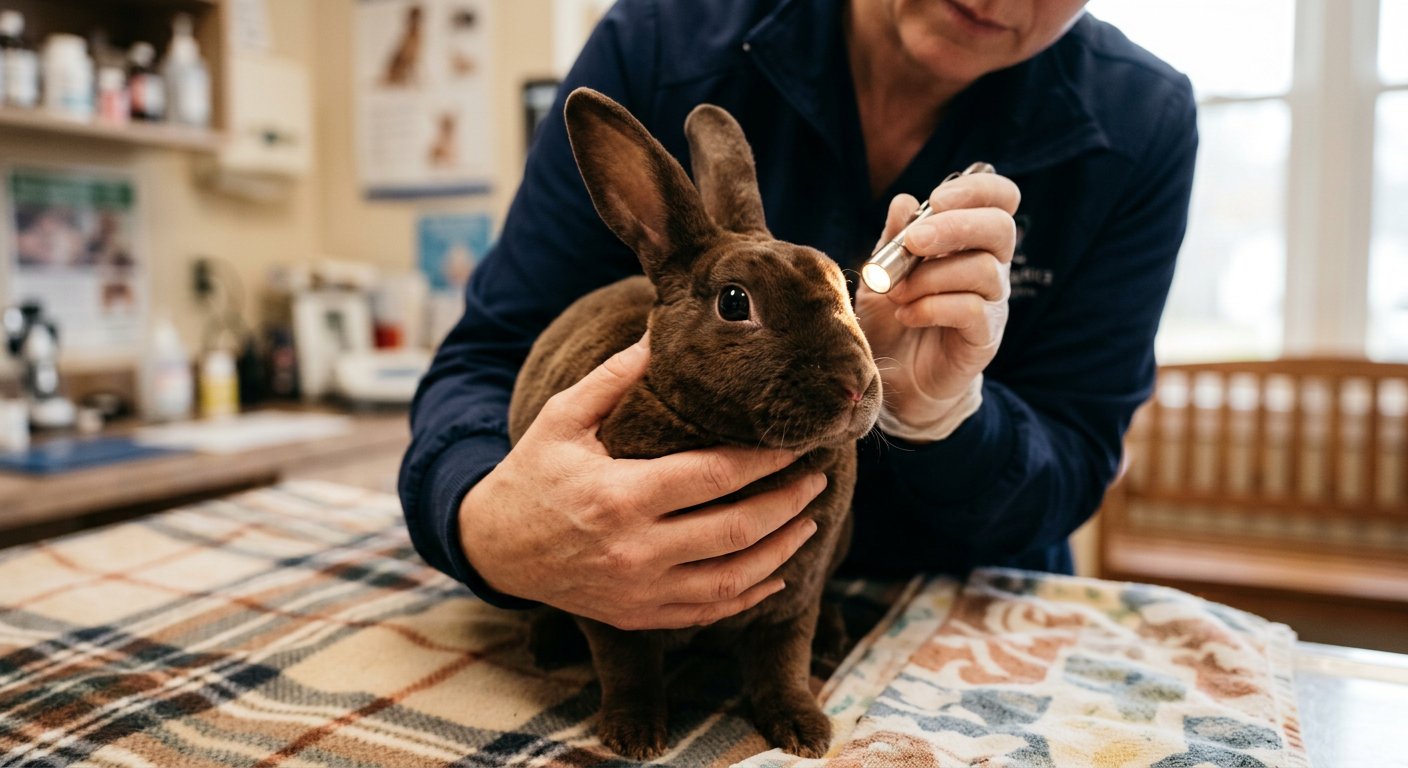
While a few sneezes might just be a reaction to a stray piece of hay, there are specific signs that indicate it is time to seek professional advice. Monitoring your rabbit's behavior is the best way to catch potential wellness considerations early. If the sneezing is accompanied by any of the following, a vet visit is recommended:
- Thick, white, or yellow discharge from the nose or eyes.
- Loud or labored breathing (clicking or wheezing sounds).
- A noticeable decrease in appetite or energy levels.
- Redness or swelling around the nostrils.
- Front paws that look "crusty" from wiping the face.
Early detection is vital for rabbits, as they are prey animals and naturally tend to hide their discomfort. Proactive care ensures that a minor respiratory tweak doesn't develop into something more significant. They may also be exhibiting other unusual habits, such as a rabbit not eating cecotropes, which can be a sign that they generally aren't feeling their best.
Managing Your Bunny’s Environment
If you find your rabbit sneezing repeatedly not dusty bedding, you can take several steps to optimize their living space. Start by eliminating all artificial scents from the room where your rabbit spends the most time. Switch to unscented, pet-safe cleaning solutions like diluted white vinegar for their enclosure.
Consider the type of hay you are providing. Even "dust-free" hay can vary in quality. Shake out the hay in a separate room before bringing it to your rabbit to remove any fine particles that might have settled at the bottom of the bag. Some owners find that switching to a different cut of hay, like Orchard Grass instead of Timothy Hay, helps reduce nasal sensitivity.
Checking for Allergies
Just like humans, some rabbits can develop allergies to specific plants or materials. If you have recently introduced a new toy made of woven seagrass or willow, try removing it for a few days to see if the sneezing subsides. Keeping a "sneezing log" can help you identify patterns, such as whether the sneezing happens more often after floor cleaning or during specific times of day.
Supporting a Healthy Respiratory System
Maintaining a strong immune system is the best defense against respiratory issues. A diet rich in fresh leafy greens provides essential vitamins and minerals that support overall wellness. Ensuring your rabbit stays hydrated is also crucial, as moisture helps keep the mucous membranes in the nose functioning correctly.
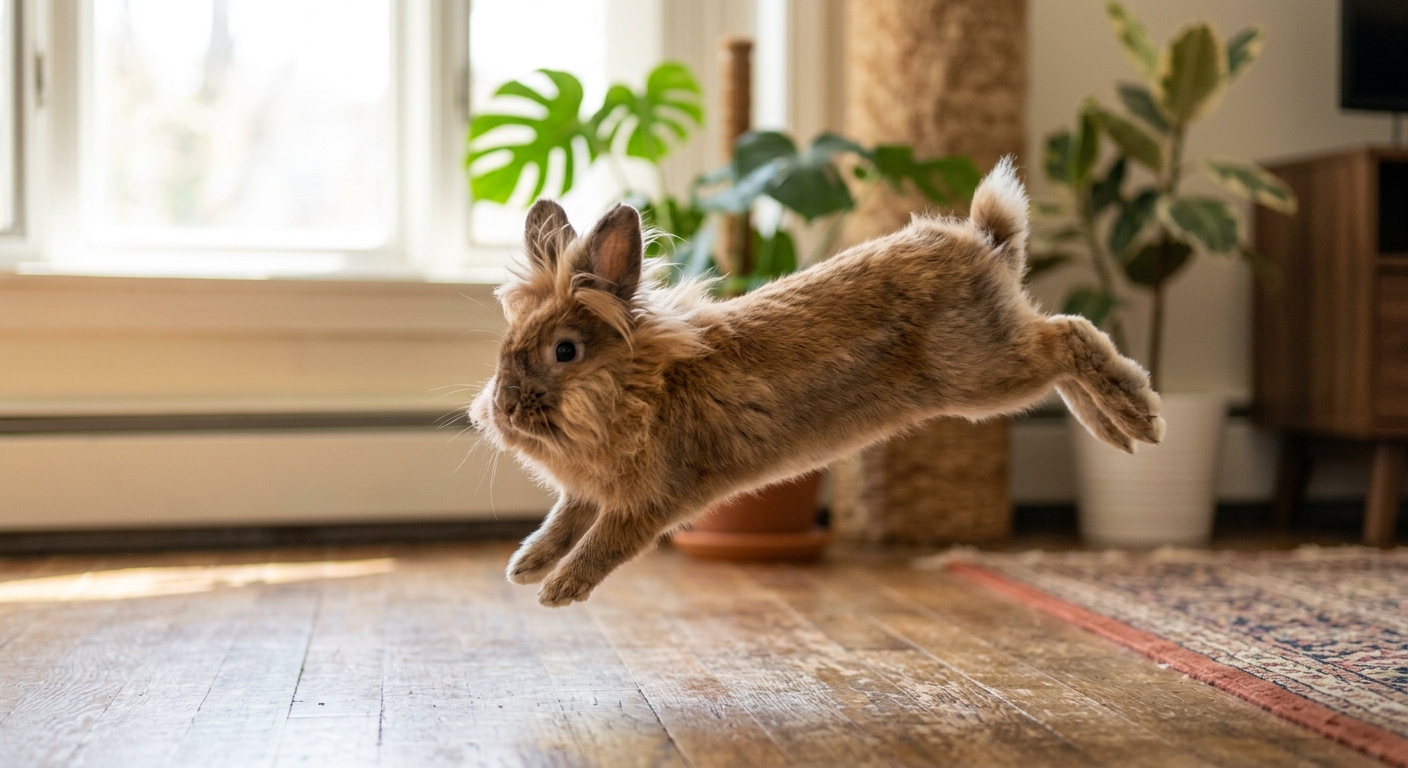
Regular exercise and mental stimulation contribute to a happy, low-stress rabbit. Stress can suppress the immune system, making bunnies more susceptible to the bacteria that cause snuffles. Providing plenty of space for "binkies" and floor time helps keep their lungs clear and their bodies strong.
If you own other pets, such as a beagle or a boxer, ensure they are not bringing in outside allergens on their fur that could be irritating your rabbit. Keeping the rabbit's area as a dedicated "clean zone" can significantly improve their respiratory comfort.
Conclusion
Identifying the cause of your rabbit sneezing repeatedly not dusty bedding requires a bit of detective work and careful observation. By looking at household irritants, checking for dental issues, and maintaining a high standard of air quality, you can help your long-eared friend breathe easier. Always remember that when in doubt, your veterinarian is your best resource for ensuring your rabbit remains healthy and happy for years to come.