Noticing your rabbit poops getting smaller and fewer can be a subtle but significant signal that your companion's digestive health needs attention. As a prey species, rabbits are experts at hiding physical discomfort, making their litter box habits one of the most reliable windows into their internal wellness. When those typical round, fibrous droppings begin to shrink or appear less frequently, it is usually the first sign of a slowing gastrointestinal system.
A rabbit's digestive tract is designed to be in constant motion. They are hindgut fermenters, meaning they rely on a steady intake of long-stem fiber to keep their gut muscles working. When this process slows down, it can lead to a condition often discussed by rabbit enthusiasts known as GI stasis. Catching these changes early allows you to take proactive steps to restore your bunny's digestive balance through diet and environment.
Establishing a Baseline for Healthy Rabbit Droppings
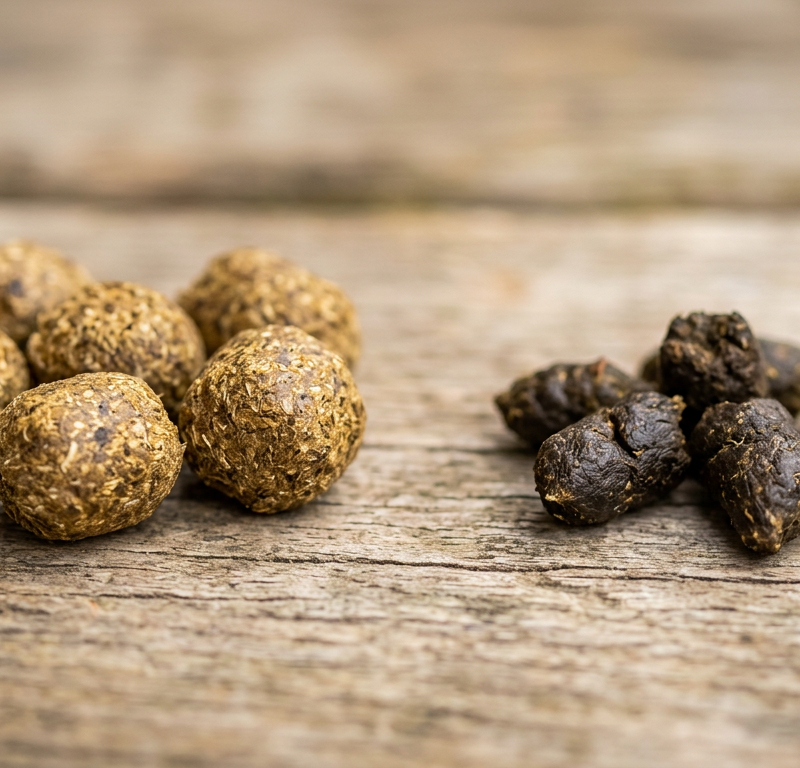
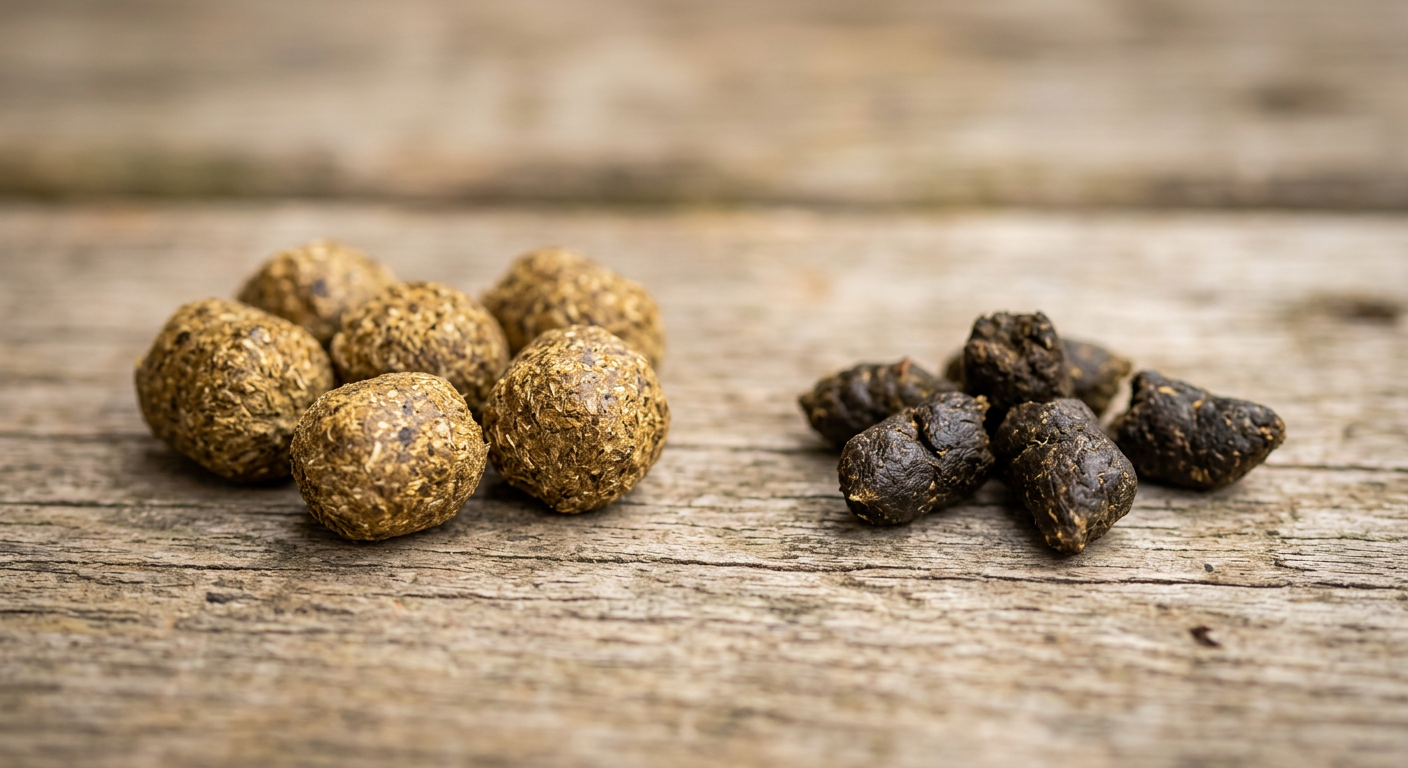
To understand why your rabbit's fecal output is changing, you first need to know what a "perfect" poop looks like. Ideally, rabbit droppings should be relatively large, round, and crumble easily when pressed, revealing undigested bits of hay. They should be uniform in size and consistent in color, usually reflecting the color of the hay they eat.
Rabbits also produce a second type of dropping called cecotropes. These are smaller, soft, shiny clusters that the rabbit typically eats directly from their underside. This behavior is essential for their nutrition. If you find these left behind in the cage, it is another vital clue about their health, much like
Visual Signs of a Slowing Gut
When the GI tract begins to move more slowly, the body absorbs more water from the waste, resulting in smaller, harder, and darker pellets. You may also notice "pearl necklace" poops, which are pellets strung together by hair. This is a common occurrence during shedding seasons but indicates that the gut needs extra hydration and fiber to move hair through safely.
Common Causes for Reduced Fecal Output
Several factors can lead to your pet producing fewer droppings. Identifying the root cause is the first step in helping your rabbit return to their normal self. While diet is often the primary suspect, stress and dental issues also play significant roles in digestive efficiency.
Dietary Fiber Deficiencies
The most common reason for fecal changes is a lack of long-stem fiber. If a rabbit fills up on pellets or treats and ignores their hay, their gut motility will naturally decrease. This is why many owners ask why is my rabbit not eating hay only pellets, as this shift in appetite often precedes physical changes in their waste.
- Inadequate hay consumption (timothy, orchard, or meadow hay)
- Dehydration or restricted access to fresh water
- Overfeeding of high-sugar treats or commercial fruit snacks
Stress and Environmental Impact
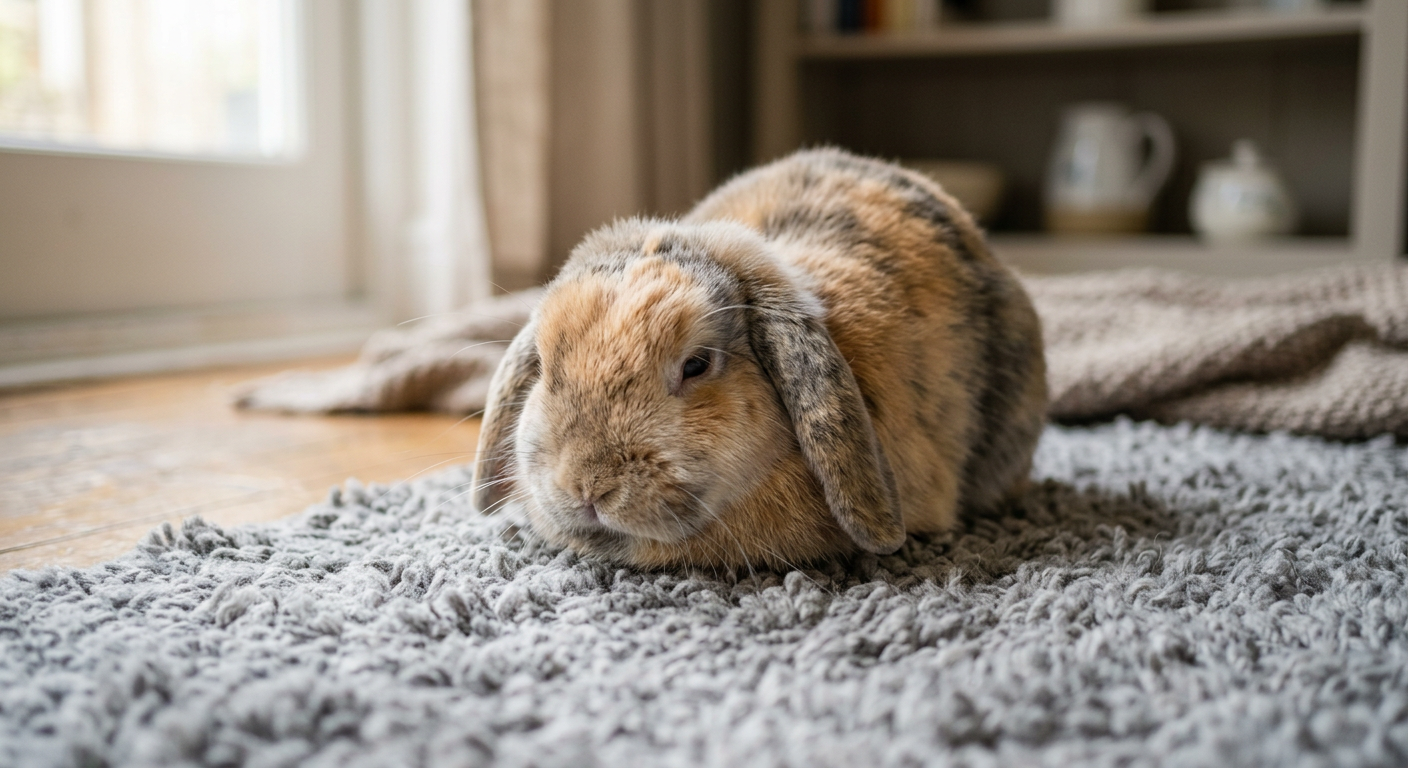
Rabbits are highly sensitive to their surroundings. A sudden move, a loud noise, or even the presence of a new pet can trigger a "fight or flight" response that shuts down non-essential systems like digestion. If your bunny feels unsafe, their gut motility can drop almost instantly, leading to noticeably smaller droppings within a few hours.
The Role of Hydration and Dental Health
Water is the lubricant of the rabbit digestive system. Without enough moisture, the ingested hay becomes a dry mass that is difficult for the intestines to push along. Ensure your rabbit has both a bowl and a bottle, as studies show many rabbits prefer drinking from a wide-mouthed bowl, which encourages higher water intake.
Dental health is equally critical. If a rabbit has overgrown molars or painful spurs on their teeth, they will stop chewing hay properly. Since hay requires a specific grinding motion, any oral discomfort results in the rabbit swallowing larger, less-processed pieces of food, or avoiding fiber altogether. This lack of properly chewed fiber directly contributes to the gut slowing down.
Proactive Steps for Small or Missing Droppings
If you notice the fecal output has decreased but your rabbit is still active and eating, you can often help them at home with a few simple adjustments. However, if your rabbit has stopped eating entirely or hasn't pooped in more than 6-8 hours, this is a veterinary emergency. Always consult a veterinarian experienced in exotic animal care for any significant health changes.
Encouraging Fiber Intake
Try offering different varieties of hay to stimulate interest. Sometimes a fresh bag of fragrant botanical hay or a few stalks of oat hay can tempt a picky eater. Reducing the daily portion of pellets can also encourage them to turn back to their hay rack for sustenance.
Hydration and Movement
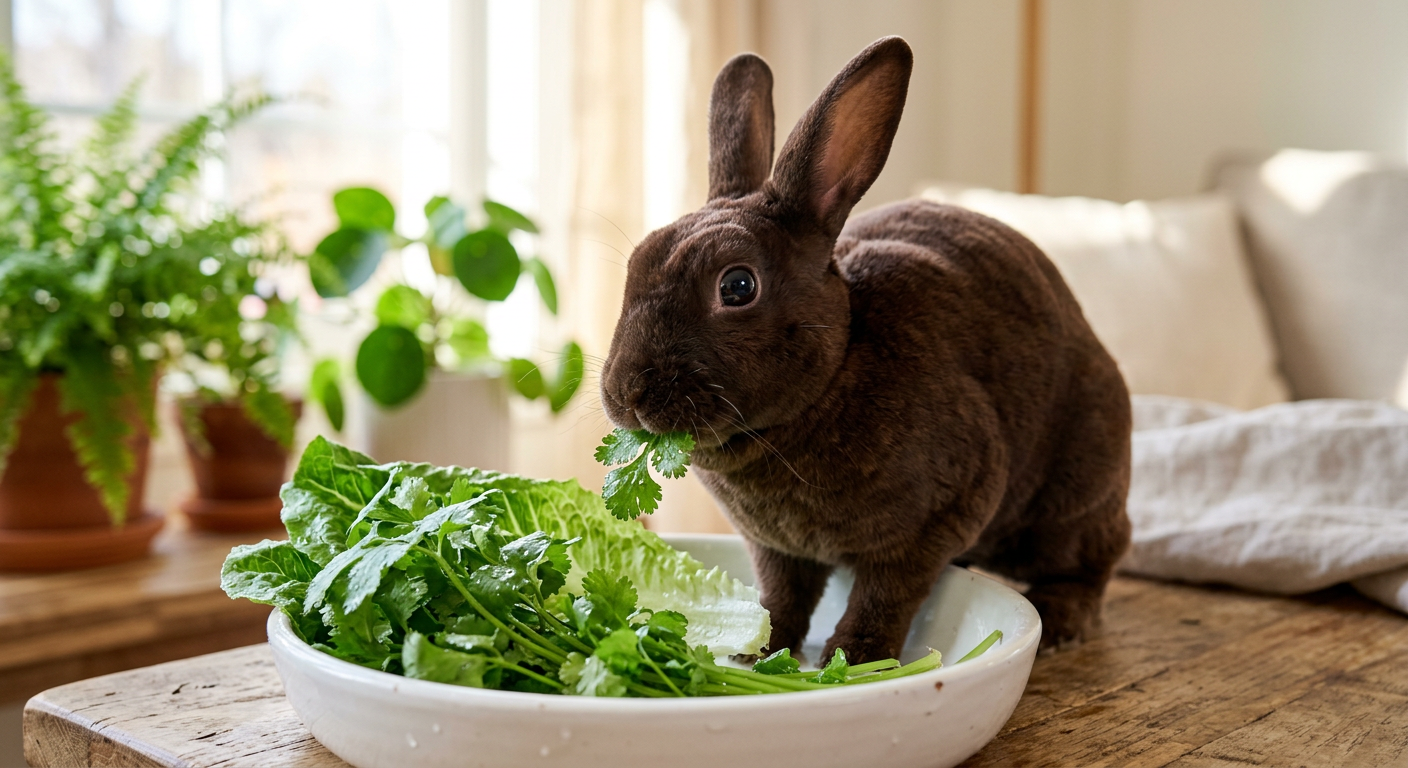
Encourage your rabbit to move around. Physical activity acts as a natural massage for the intestines, helping to push gas and waste through the system. You can also offer wet leafy greens, such as romaine lettuce or cilantro, to increase their water intake naturally through their food.
Monitoring and Recording
It can be helpful to keep a small log of your rabbit's habits. Note the size of the droppings and how many times you clean the litter box each day. This data is incredibly useful for your veterinarian if the situation does not improve. Just as dog owners might use a tool like a Labrador Retriever age calculator to understand their pet's life stage, rabbit owners must track these physical markers to understand their pet's unique wellness profile.
When to See a Veterinarian
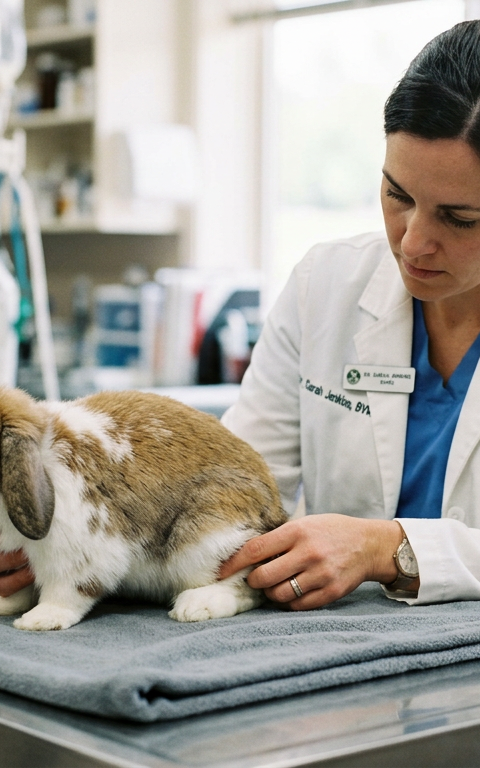
Monitoring your rabbit poops getting smaller and fewer is a proactive way to manage their health, but you must know when home care is no longer enough. If your rabbit shows signs of "hunching" (sitting in a tight ball), grinding their teeth loudly in pain, or refusing their favorite high-value treat, seek professional help immediately.
A veterinarian may prescribe motility drugs to jumpstart the gut, pain relief to make the rabbit more comfortable, or subcutaneous fluids to hydrate the digestive tract. Early intervention is the most successful way to resolve digestive slowdowns. Remember that a rabbit's metabolism is very fast, and waiting "to see how they feel tomorrow" can be risky for their delicate systems.
Conclusion
Observing your rabbit poops getting smaller and fewer is your bunny’s way of communicating that their internal engine is struggling. By focusing on high-fiber hay, consistent hydration, and a stress-free environment, you can support their digestive health and prevent minor shifts from becoming larger wellness concerns. Stay observant, keep the hay fresh, and always partner with your vet to keep your rabbit hopping happily.