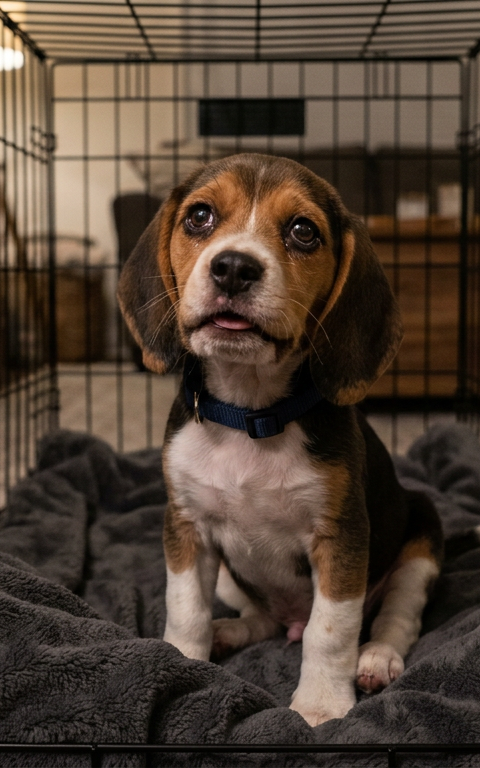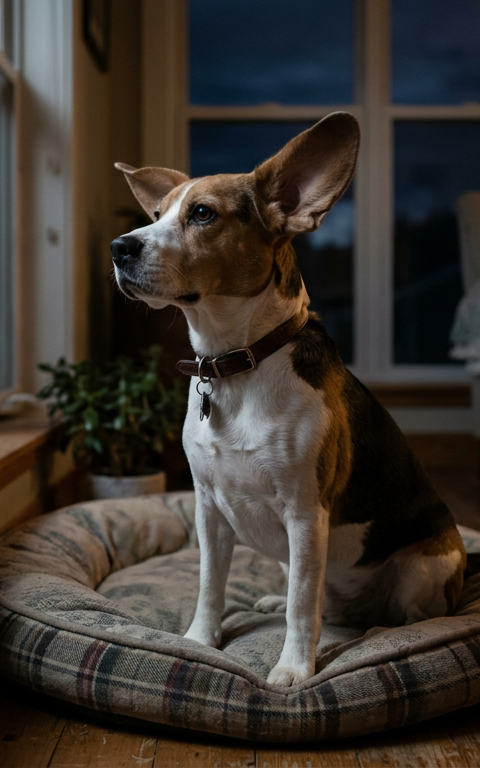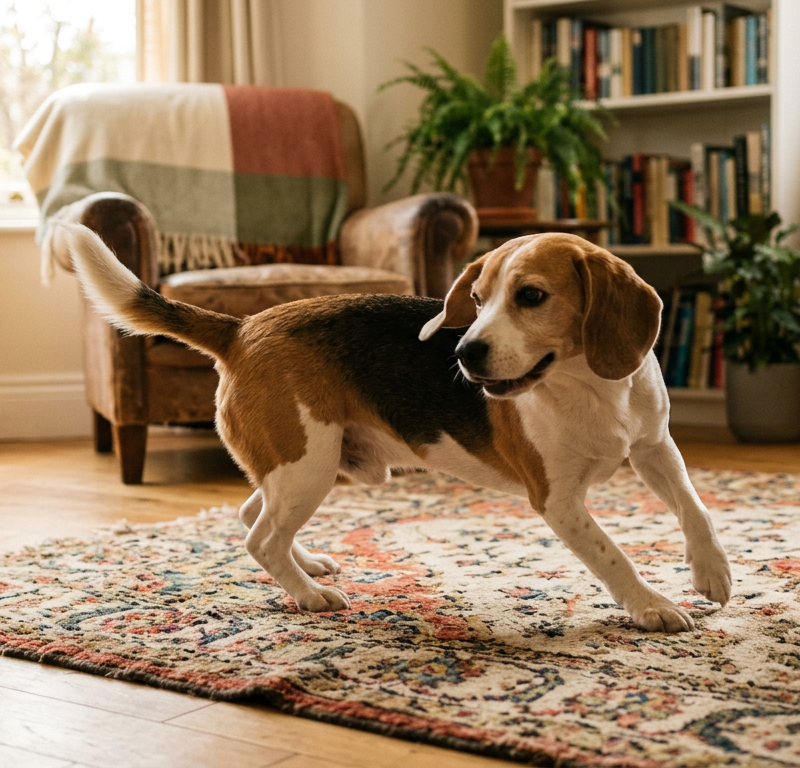
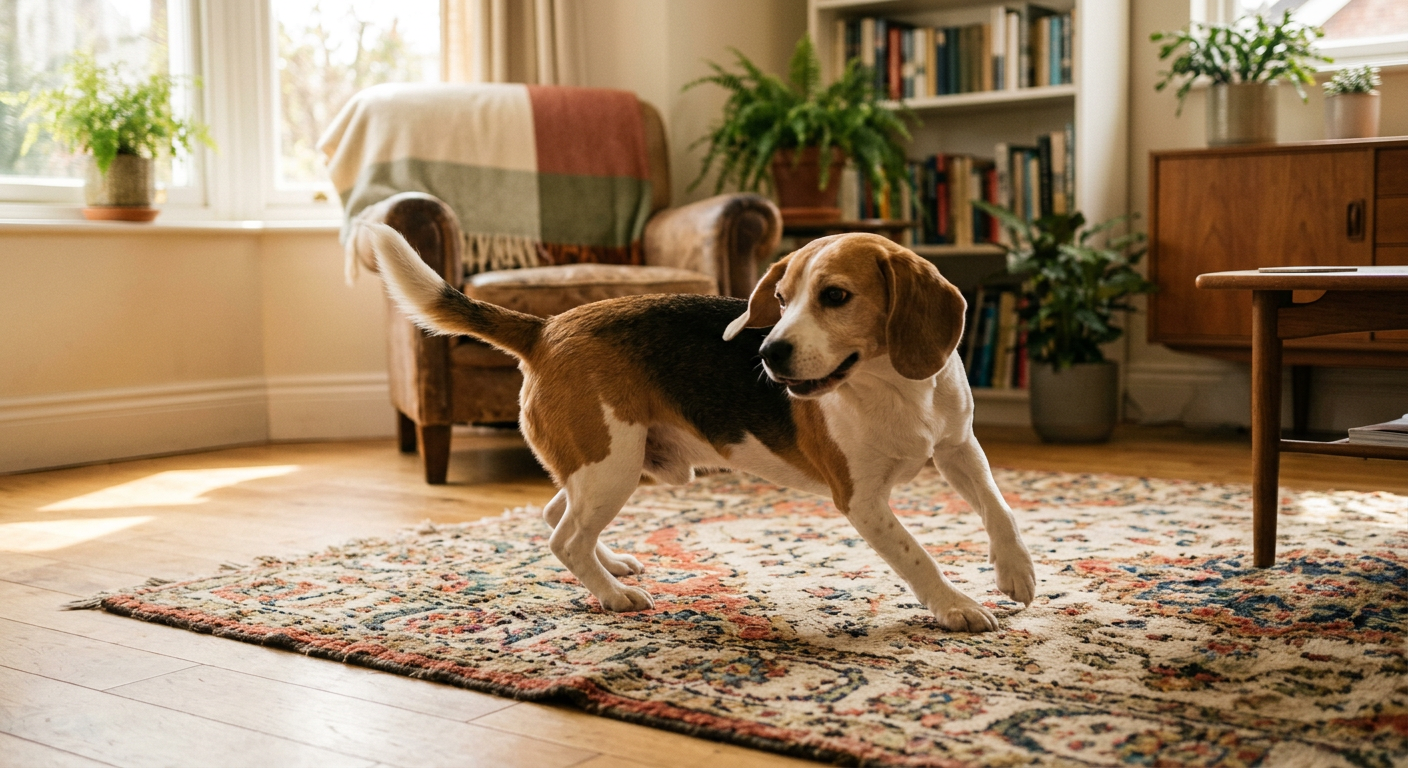
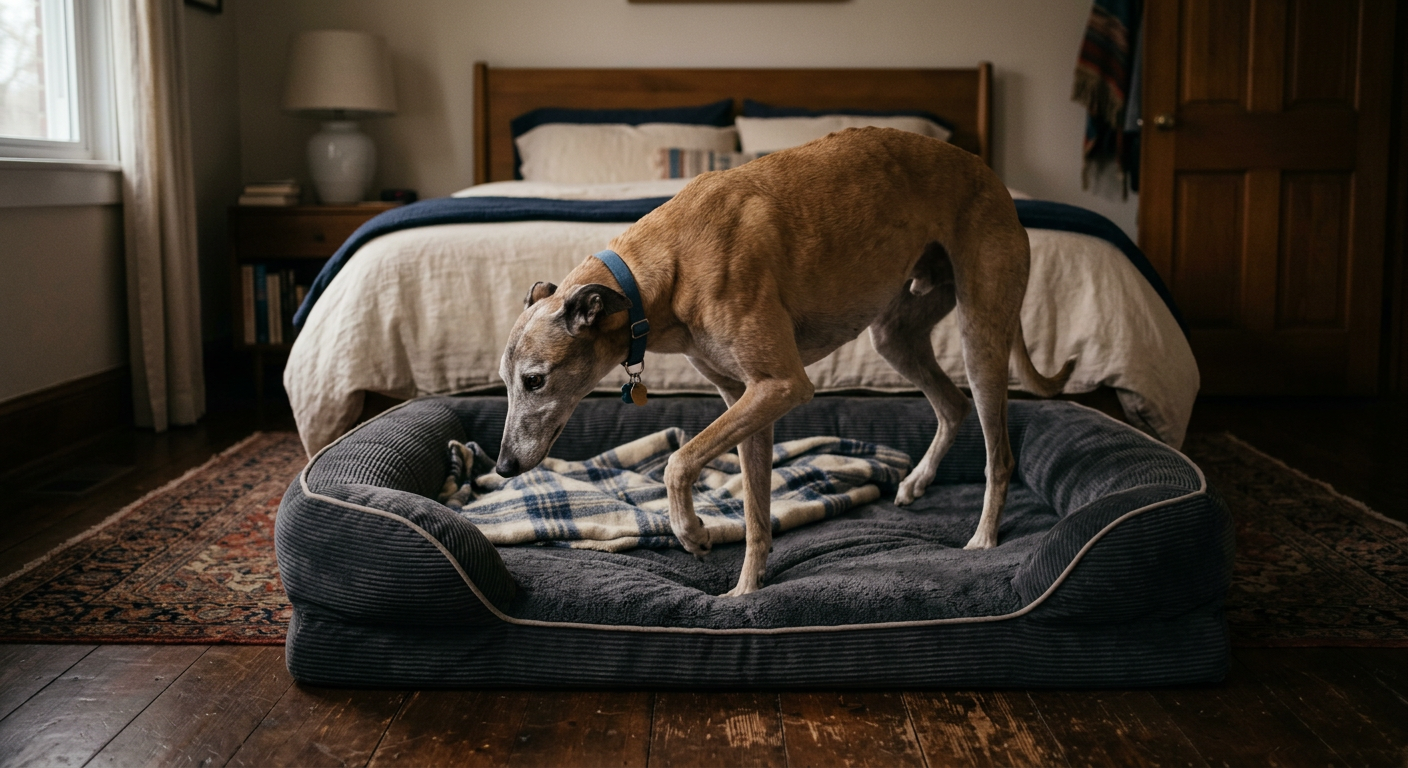
It is a classic scene in many households: a dog prepares for a nap by spinning in a few tight circles before finally curling up. While this ritual is usually a normal part of canine behavior, some owners notice their dog circling before lying down excessively. When the spinning seems to go on for several minutes or happens repeatedly throughout the night, it often leaves pet parents wondering if there is an underlying reason for the extra effort.
Understanding why our dogs perform these prehistoric rituals helps us better support their comfort and wellness. While the occasional spin is a sign of a dog getting cozy, excessive repetition might suggest that your furry friend is having trouble finding the right spot or is dealing with internal discomfort. By observing these patterns, you can provide the proactive care your pet needs to enjoy a restful night of sleep.
The Ancestral Roots of Dog Circling
To understand why your dog spins, we have to look back at their wild ancestors. Long before soft orthopedic beds existed, wild canines had to create their own sleeping quarters in tall grass or dense brush. Circling served several practical purposes that helped ensure a safe and comfortable night.
First, the spinning motion helped trample down grass, weeds, and snow to create a flat, soft surface. It also served as a safety check; by walking in a circle, a dog could flush out snakes, insects, or rodents hiding in the vegetation. Even though your living room rug is likely free of tall grass, your dog is still following these ancient instincts to "clear" their territory.
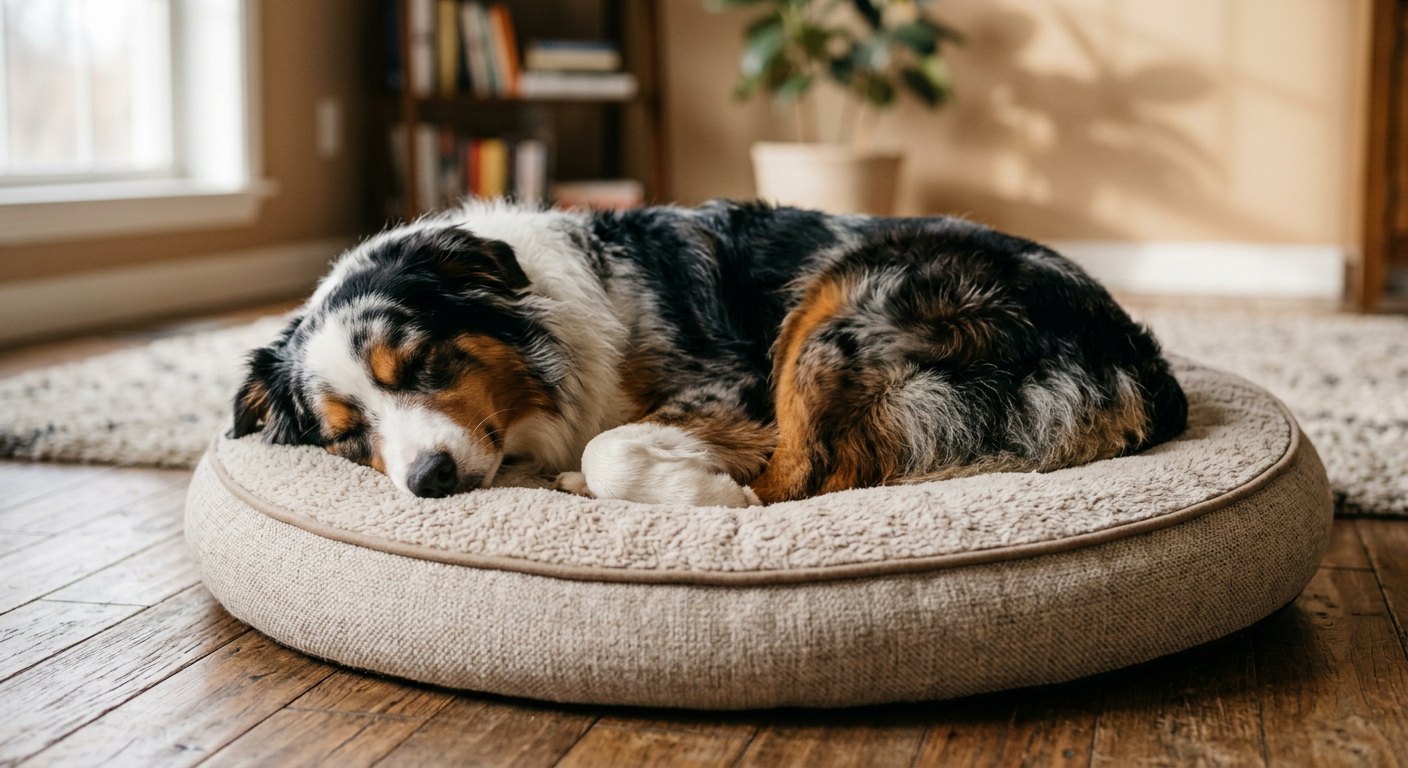
Additionally, circling allowed wild dogs to determine the direction of the wind. By positioning themselves correctly, they could catch the scent of approaching predators while they slept. This deep-seated biological drive remains present in many breeds today, regardless of how domesticated they have become. If you have a larger breed like a Bernese Mountain Dog, you might notice these instinctual movements are even more pronounced due to their history in varied outdoor terrains.
When Circling Becomes Excessive
While a few rotations are standard, dog circling before lying down excessively can be a sign that the routine has shifted from a habit to a struggle. If your dog spends several minutes spinning, stops, starts again, or looks distressed during the process, it is time to take a closer look at their environment and physical health.
Excessive spinning often points to a difficulty in getting comfortable. This might be due to the bed itself being too small, too hard, or located in a high-traffic area. In other cases, the repetitive nature of the behavior might be linked to anxiety or a compulsive tendency. If the behavior is paired with other odd habits, you might want to read about why dogs act strange at night to see if there is a broader pattern.
Physical Wellness and Comfort
One of the most common reasons for increased circling is physical discomfort. As dogs age, they may develop joint stiffness or muscle aches that make the transition from standing to lying down more challenging. They circle repeatedly trying to find an angle that puts the least amount of pressure on their sore spots.
- Joint Health: Conditions like arthritis can make the act of lowering the body painful.
- Neurological Changes: In senior dogs, circling can sometimes be related to cognitive changes or disorientation.
- Digestive Issues: If a dog has an upset stomach, they may pace and circle excessively trying to find a position that relieves abdominal pressure.
- Skin Irritation: Itchiness or discomfort on the skin can make it hard for a dog to settle, leading to extra spinning.
Creating the Perfect Sleep Environment
If you notice your dog is having a hard time settling, the solution might be as simple as upgrading their sleep environment. A dog that circles excessively is often a dog that is searching for better support. Providing a high-quality orthopedic bed can make a world of difference for dogs with joint wellness considerations.
Temperature also plays a significant role. A dog that is too hot may circle to find a cooler patch of floor, while a cold dog might circle to bundle up their blankets. Pay attention to whether your dog prefers hard surfaces or plush cushions, as this can give you a clue about what their body needs. For those with senior pets, you may also find that old dogs waking up confused benefit from a consistent, well-lit sleeping area to reduce nighttime anxiety.
Distinguishing Instinct from Anxiety
It is important to differentiate between a dog following their instincts and a dog acting out of stress. Anxiety-related circling often looks different than the "nesting" spin. A stressed dog might have wide eyes, panting, or ears pinned back while they move in circles. They may also pace back and forth through the house before attempting to lay down.
If your dog seems restless and cannot settle regardless of where they are, it might be helpful to look into dog pacing the house at 2am suddenly for more insights. Reducing environmental stressors, such as loud noises or sudden changes in the household, can often help a nervous dog feel secure enough to stop circling and finally rest.
When to Consult Your Veterinarian
Monitoring changes in your dog's behavior is a key part of proactive pet ownership. While circling is usually harmless, a sudden increase in the frequency or duration of the behavior warrants a conversation with a professional. Your veterinarian can help rule out underlying physical issues like hip dysplasia, spinal discomfort, or ear infections that might be affecting your dog's balance and comfort.
Be prepared to describe the behavior in detail or even show a video. Note if the circling always happens in the same direction or if it is accompanied by whining or licking. By working with your vet, you can ensure that your dog receives the appropriate support, whether that involves supplements for joint health or strategies to manage canine cognitive dysfunction.
Observational Checklist for Owners
- How many rotations does the dog complete before lying down?
- Does the dog seem to be in pain or stiffness when finally lowering themselves?
- Are there other nighttime behaviors like dog whimpering in sleep occurring?
- Does the circling happen on all surfaces or just their specific bed?
Supporting Your Dog's Golden Years
For senior dogs, the ritual of circling can become a bit more laborious. Ensuring they have easy access to their bed, without having to climb over high bolsters, can help. You might also consider placing non-slip rugs around their sleeping area to give them better traction as they perform their pre-sleep spins. These small adjustments can significantly improve the quality of life for an aging companion.
In conclusion, seeing a dog circling before lying down excessively is often a signal for us to pay closer attention to their comfort and wellness needs. Whether it is an ancestral instinct or a sign that they need a more supportive bed, understanding the "why" allows us to be the best possible advocates for our pets. With a little observation and proactive care, you can help your dog find that perfect, comfortable spot every single night.