When the sun goes down and the house grows quiet, many pet parents notice a shift in their furry companions. Understanding why dogs act strange at night is a key part of building a strong bond and ensuring your pup feels secure in their environment. From sudden bursts of energy to restless pacing, these behaviors often have deep-rooted biological or environmental causes.
In this comprehensive guide, we will explore the common reasons behind nighttime restlessness and how you can decode your dog's sleep habits. Whether you have a young puppy or a senior dog, recognizing these patterns can help you provide better proactive care. If you are curious about how your dog's age impacts their behavior, you can check our Golden Retriever age calculator to see where they are in their developmental journey.
The Biological Roots of Nighttime Activity
To understand why dogs act strange at night, we must first look at their evolutionary history. While dogs have adapted to human schedules, they still carry instincts from their wild ancestors. These instincts often surface when the environment changes at dusk.
Crepuscular Instincts
Many people believe dogs are strictly diurnal (awake during the day), but they actually lean toward being crepuscular. This means they are naturally most active during dawn and dusk. When the lighting in your home fades, it can trigger a natural instinct to hunt or patrol their territory.
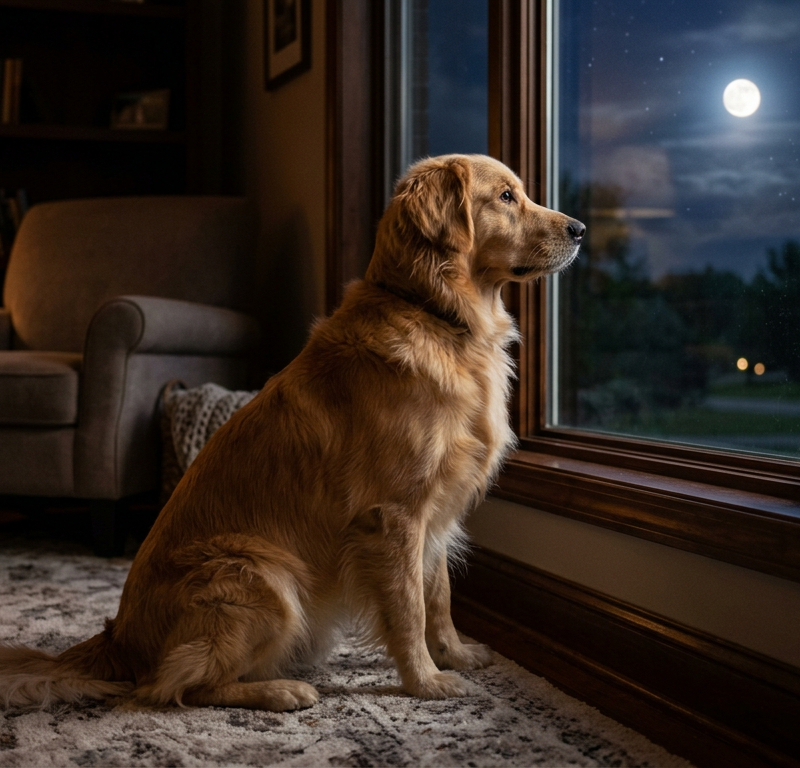
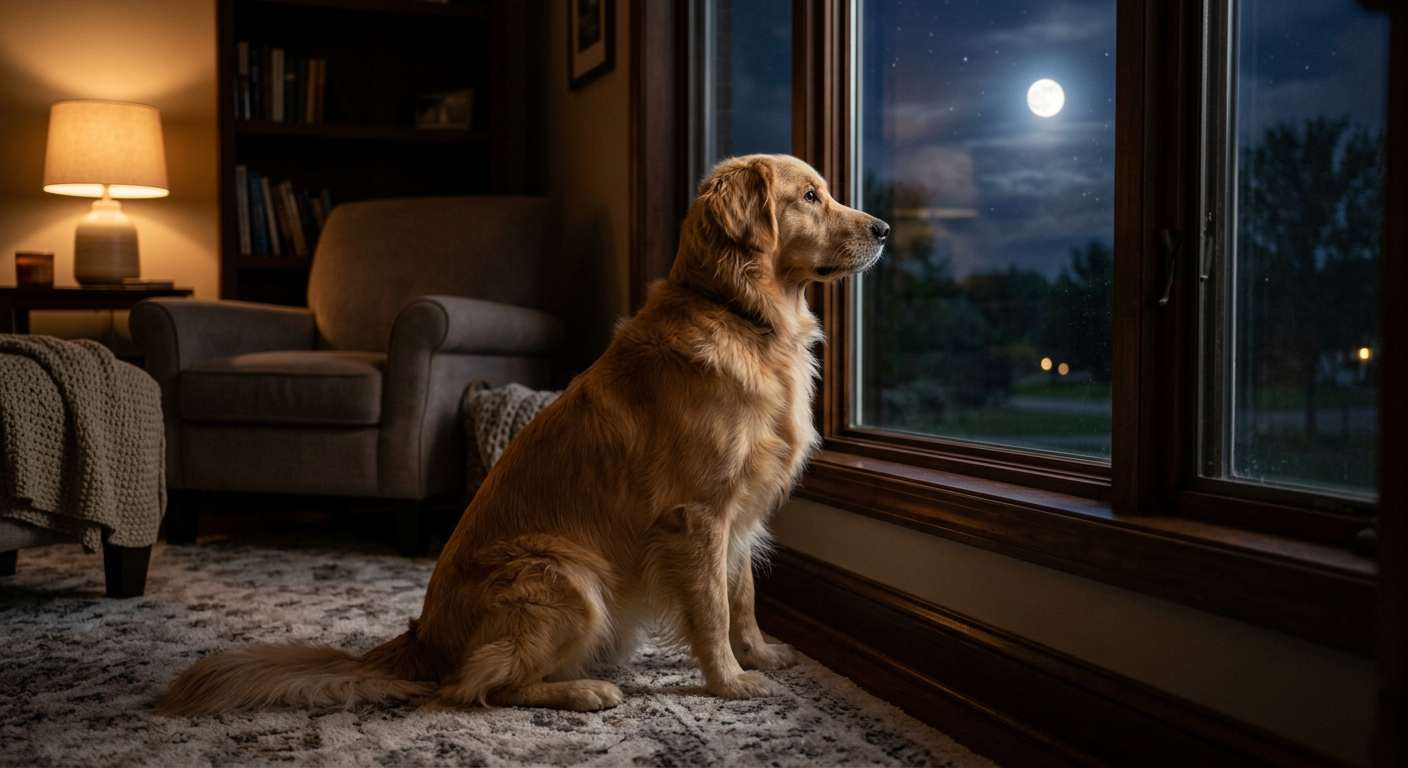
This biological clock explains why some dogs become more alert or playful just as you are winding down for bed. If your dog starts "patrolling" the hallways or staring out windows, they are likely responding to this ancient internal rhythm.
Sensory Perception in the Dark
A dog's sense of smell and hearing is significantly more sensitive than our own. At night, when the usual household noises like the television or vacuum subside, your dog may pick up on sounds we miss. This could include a neighbor walking their dog, a nocturnal animal in the yard, or even the settling of the house pipes.
When you wonder why dogs act strange at night, consider that they might be reacting to stimuli you cannot perceive. Their upright ears and focused gaze are signs they are processing information from their environment to keep the "pack" safe.
Decoding Common Nighttime Behaviors
Reading your dog's body language is essential for wellness considerations. Every whine, circle, or tail twitch tells a story about their physical and mental state. By observing these behaviors, you can determine if your dog is simply settling in or needs extra support.
The Midnight Zoomies
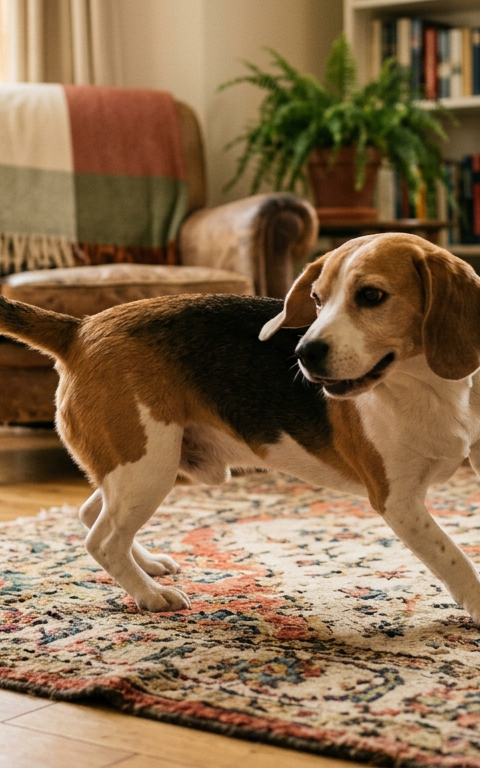
Frenetic Random Activity Periods (FRAPs), commonly known as the zoomies, often happen in the evening. This is usually a way for dogs to release pent-up energy from a day spent napping or waiting for your return from work. It is a joyful, albeit chaotic, expression of relief and excitement.
If your dog frequently gets the zoomies late at night, they may benefit from a more rigorous afternoon exercise session. You can compare Golden Retrievers vs Labrador Retrievers to see how energy levels vary across different high-energy breeds and how to manage them.
Nesting and Circling
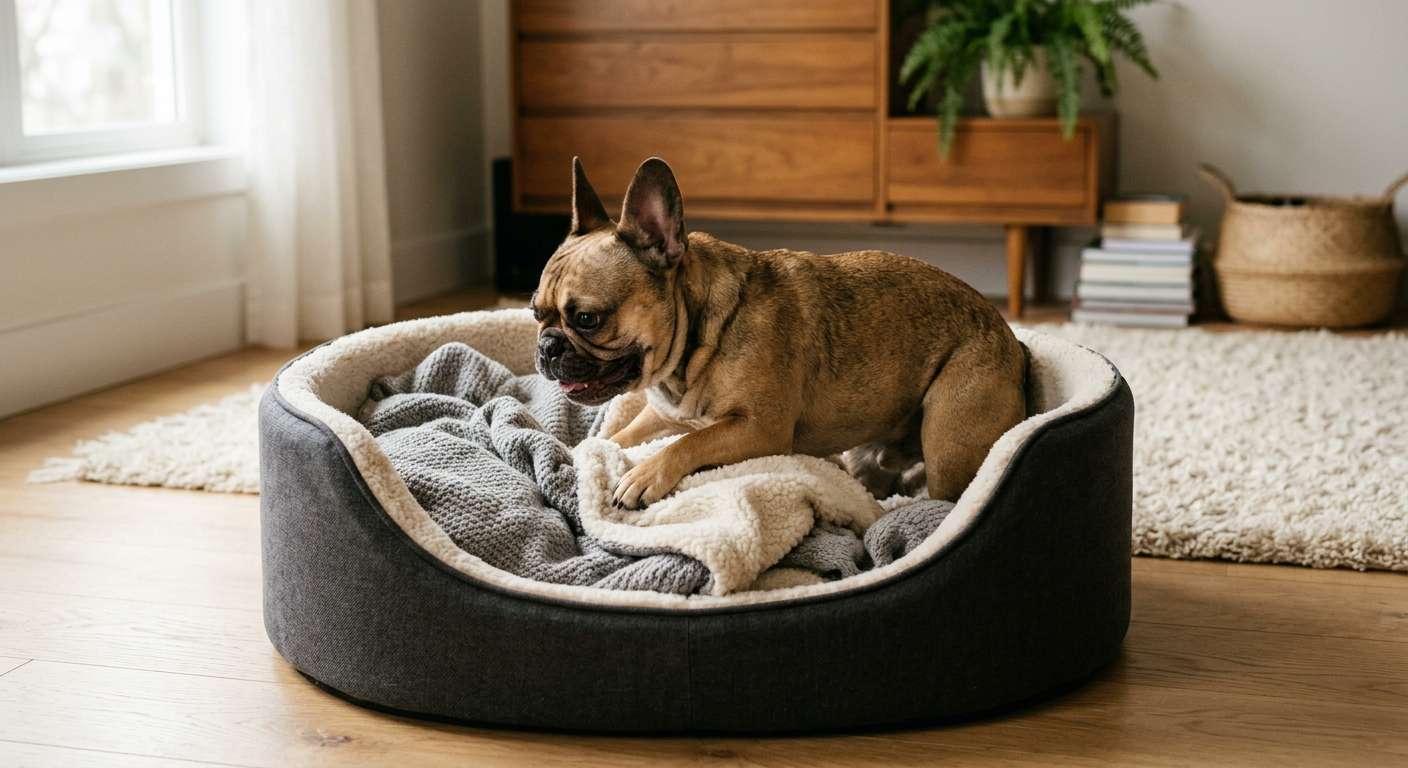
Before laying down, most dogs will circle their bed several times or "dig" at their blankets. This is a nesting behavior inherited from wild dogs who had to flatten grass and drive out pests before sleeping. It is a sign that your dog is trying to create a safe, comfortable spot for the night.
If the circling becomes excessive or seems frantic, it might indicate that they aren't quite comfortable. Providing high-quality orthopedic bedding can often help, especially for larger breeds or older dogs who may have stiff joints.
Environmental Factors and Distrubances
Sometimes, the reason why dogs act strange at night has more to do with your home's environment than the dog themselves. Subtle changes in the house can lead to significant shifts in how a dog perceives their space after dark.
Temperature and Comfort
Dogs can be very sensitive to fluctuations in temperature. A room that feels cozy during the day might become drafty at night. If your dog is moving from spot to spot, they might be searching for a temperature-controlled area that matches their needs.
Keep an eye on whether they are curling up tight (trying to stay warm) or stretching out flat on a cool tile floor (trying to cool down). Adjusting the thermostat or providing different bedding options can resolve this restlessness quickly.
Artificial Lights and Shadows
Modern homes are filled with blue light from electronics and flickering shadows from streetlights. These can be confusing for a dog. Shadows moving across a wall might be interpreted as an intruder or prey, leading to barking or staring.
Using blackout curtains or a white noise machine can create a more consistent and calming environment. This helps minimize the visual and auditory "surprises" that keep your dog on high alert when they should be resting.
Age Related Changes in Sleep Patterns
As dogs move through different life stages, their nighttime needs change. A puppy's reason for acting strange is very different from that of a senior dog. Understanding these transitions is part of being a proactive pet owner.
The Puppy Transition
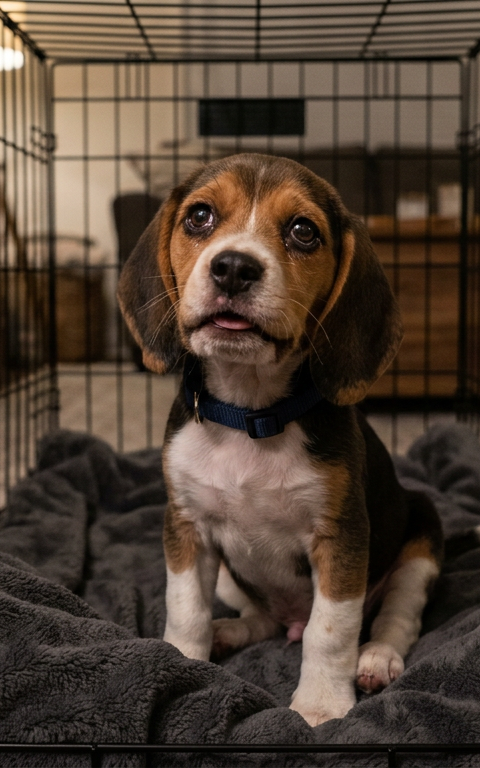
Puppies are still learning the "rules" of the world and have smaller bladders. They may act strange at night because they are lonely or physically unable to hold their needs until morning. Puppies also go through teething phases that can make them restless and prone to nighttime chewing.
Consistent crate training and a strict potty schedule are the best ways to manage puppy nighttime behavior. Ensuring they have a safe chew toy can also redirect any teething-related restlessness.
Senior Dog Wellness Considerations
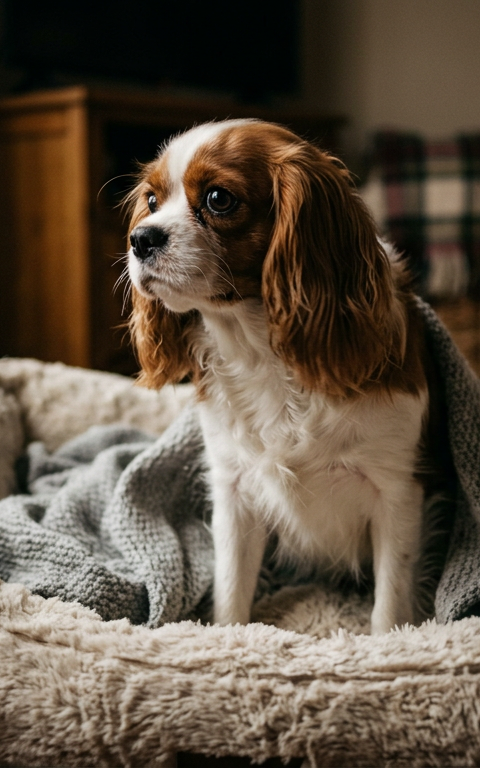
For older dogs, nighttime restlessness might be a sign of cognitive changes or physical discomfort. If a senior dog begins wandering aimlessly, barking at walls, or appearing confused in the dark, it is important to consult a veterinarian.
These wellness considerations are common in aging pets, and a professional can offer guidance on supplements or environmental adjustments to help them feel more secure. You can check the German Shepherd age calculator to see if your dog is entering their senior years.
How to Read Sleep Postures
The way your dog sleeps can give you deep insights into their mood and health. While every dog has a favorite position, changes in these postures can signal how they are feeling about their environment.
The Side Sleeper
Sleeping on the side with legs extended is a sign of ultimate trust and relaxation. It indicates that the dog feels completely safe in their surroundings and does not feel the need to protect their vital organs. This is common in dogs who are deep in REM sleep.
The Lion Pose
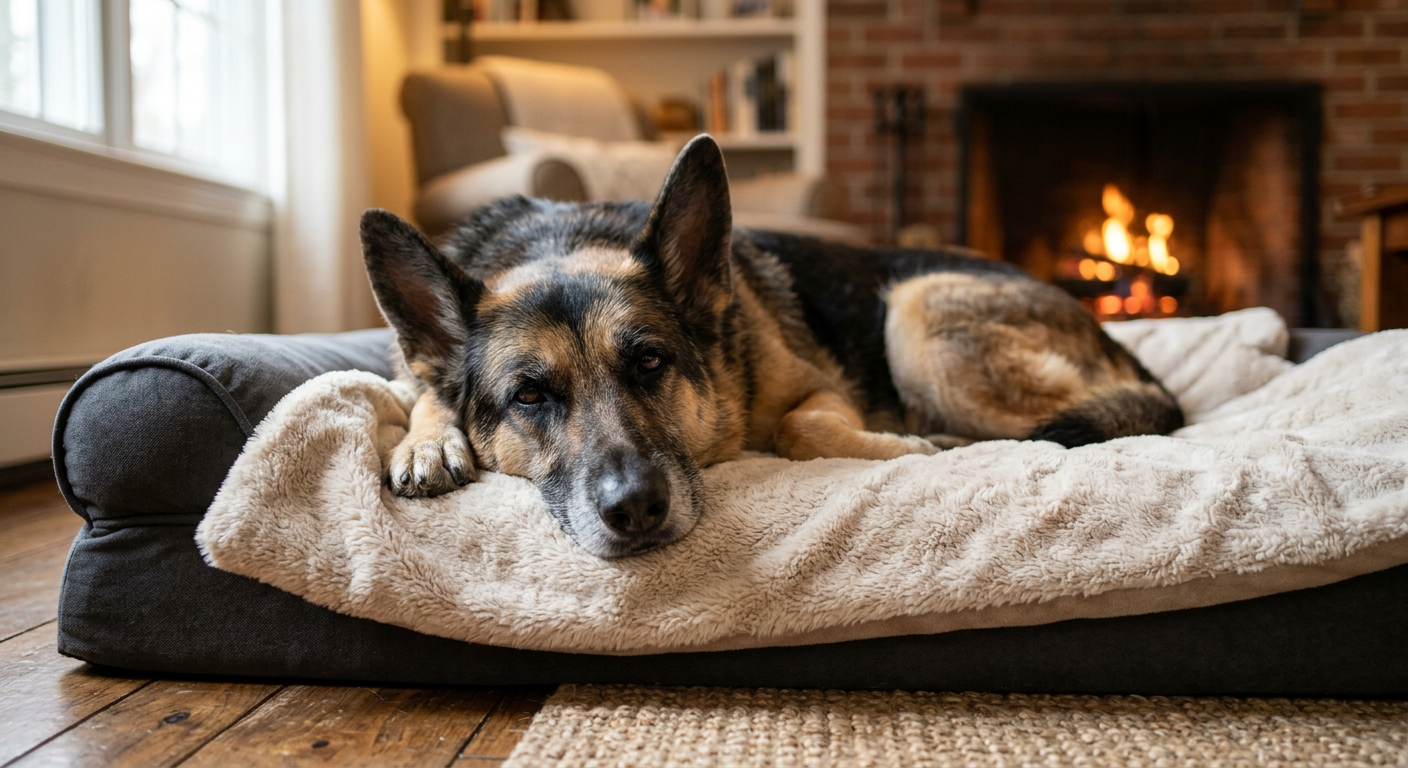
In this position, the dog sleeps with their paws tucked under them and their head resting on their paws. This is a "watchful" sleep. It allows the dog to spring into action at a moment's notice. If your dog acts strange at night and refuses to move out of this pose, they might be feeling a bit protective or unsure.
The Belly Up (The Cockroach)
This is perhaps the funniest sleep posture, where a dog lies on their back with their legs in the air. This is a sign of a very confident dog. It also helps them cool down quickly, as the fur on their belly is thinner than on their back.
Tips for a Restful Night
If you find that your dog acts strange at night frequently, there are several gentle ways to encourage a better sleep routine. Creating a "bedtime ritual" can signal to your dog's brain that it is time to switch from alert mode to rest mode.
Start by dimming the lights thirty minutes before bed. Engage in a low-energy activity, like gentle brushing or a slow massage. This helps lower their cortisol levels and prepares them for sleep. Avoid high-energy play or heavy meals right before bedtime, as this can spike their metabolism and keep them awake.
If nighttime restlessness persists despite these changes, keeping a log of the behavior can be very helpful for your next veterinary visit. Note when the behavior happens, what triggers it, and how the dog responds to your comfort. This proactive approach ensures that your dog remains happy, healthy, and well-rested throughout their life.
By learning why dogs act strange at night, you become a better advocate for your pet's well-being. Remember that patience and observation are your best tools. Every dog is an individual, and their nighttime quirks are just another part of their unique personality.