Watching your senior companion age is a journey filled with love and subtle shifts in routine. One of the most common experiences owners report is an old dog waking up confused at night. This behavior can feel unsettling, but understanding the biological and cognitive changes happening in your senior pet can help you provide the comfort they need.
When an elderly canine loses their orientation during the late hours, it is often a sign that their internal clock or cognitive processing is changing. This phase of life requires a gentle approach and a few adjustments to the home environment to ensure your pet feels safe and secure after the sun goes down.
Understanding Why Senior Dogs Get Disoriented
As dogs enter their golden years, their brains undergo physiological changes similar to those seen in aging humans. An old dog waking up confused at night might be experiencing what veterinarians call Canine Cognitive Dysfunction (CCD). This condition affects memory, learning, and awareness, often becoming more pronounced when the house is dark and quiet.
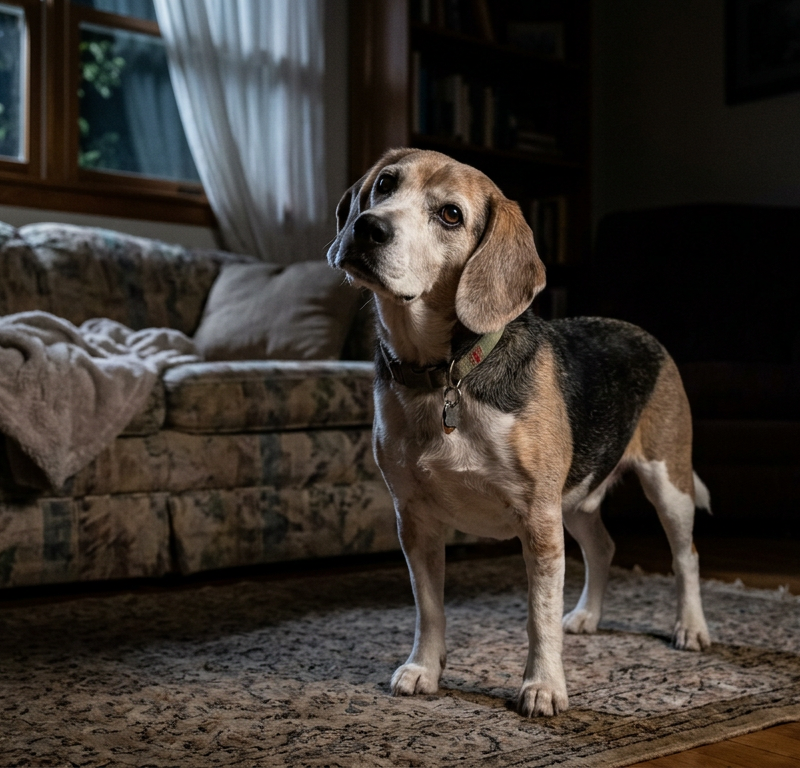
During the day, sensory input like light, noise, and human activity helps keep a senior dog grounded. When these cues disappear at night, a dog with mild cognitive decline may feel lost, even in a familiar room. This can lead to pacing, staring into corners, or barking for seemingly no reason.
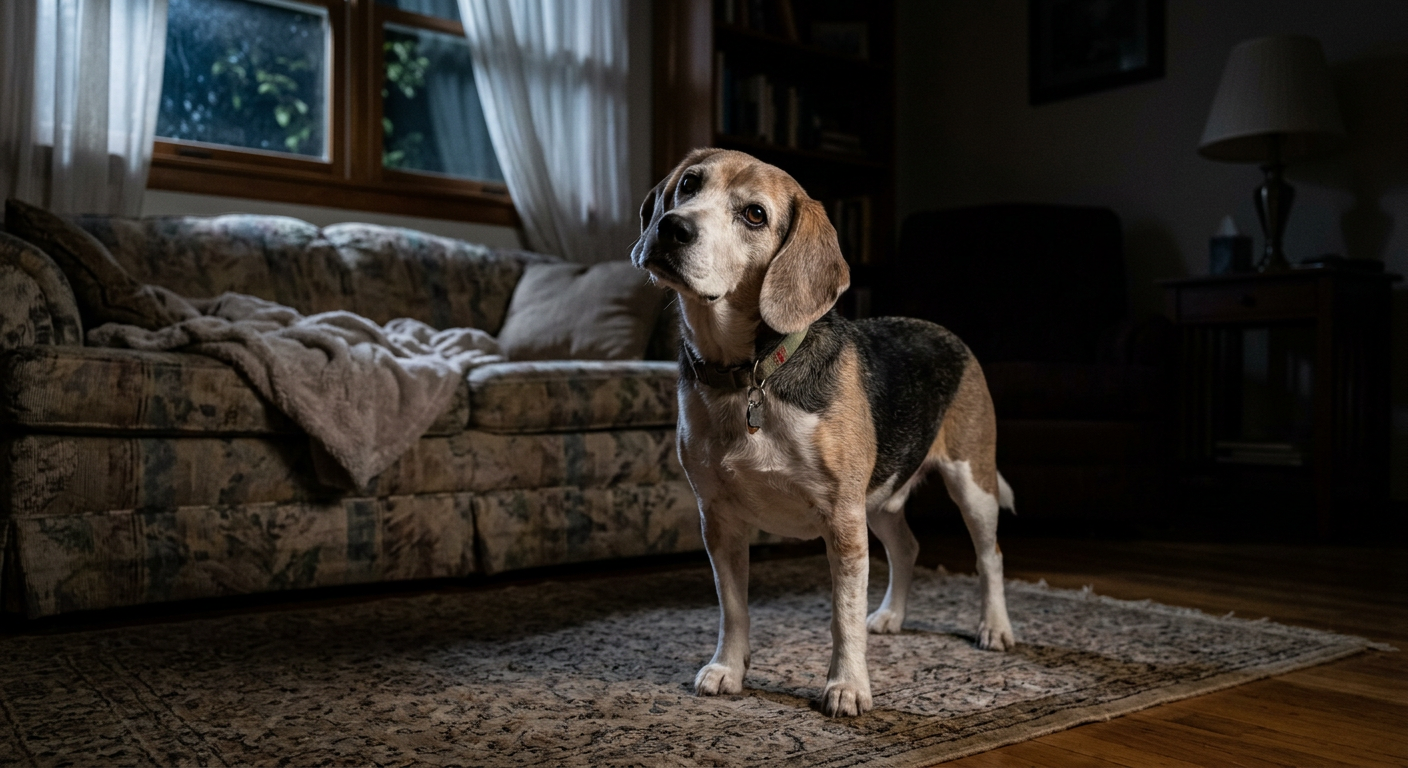
In addition to cognitive changes, physical discomfort can play a significant role. If you have any concerns about how your pet's age is impacting their health, checking a beagle age calculator or a guide for your specific breed can help put their life stage into perspective.
The Role of Sensory Decline
It isn't just the brain that changes; the senses do too. Vision loss, particularly "night blindness" caused by cataracts or nuclear sclerosis, makes it difficult for an older dog to navigate in low light. When they wake up in a pitch-black room, they may not recognize their surroundings immediately.
Hearing loss also contributes to nighttime confusion. A dog that cannot hear the comforting sounds of their owner’s breathing or the familiar hum of the house may feel isolated. This sensory deprivation can trigger a mild panic response, leading to the "confused" behavior you observe.
Common Signs of Nighttime Confusion
Recognizing the symptoms of cognitive changes early can help you manage your pet’s wellness more effectively. While every dog is unique, there are several hallmark signs that indicate a senior dog is struggling with the nighttime hours.
- Pacing or wandering aimlessly through the house.
- Standing in a corner or behind furniture and appearing "stuck."
- Persistent vocalization, such as whining or barking, that stops when an owner appears.
- Changes in the sleep-wake cycle, where the dog sleeps all day and stays awake all night.
- Soiling the house despite being well house-trained.
These behaviors are often part of a wider spectrum of changes. If you notice your pet is also acting differently during the day, you might find our guide on why dogs act strange at night helpful for comparing different sleep behaviors.
Creating a Soothing Sleep Environment
One of the best ways to support an elderly dog waking up disoriented after dark is to modify their sleeping area. Physical comfort and environmental cues can go a long way in reducing anxiety. Start by ensuring their bed is supportive, as joint pain from arthritis can often cause a dog to wake up frequently.
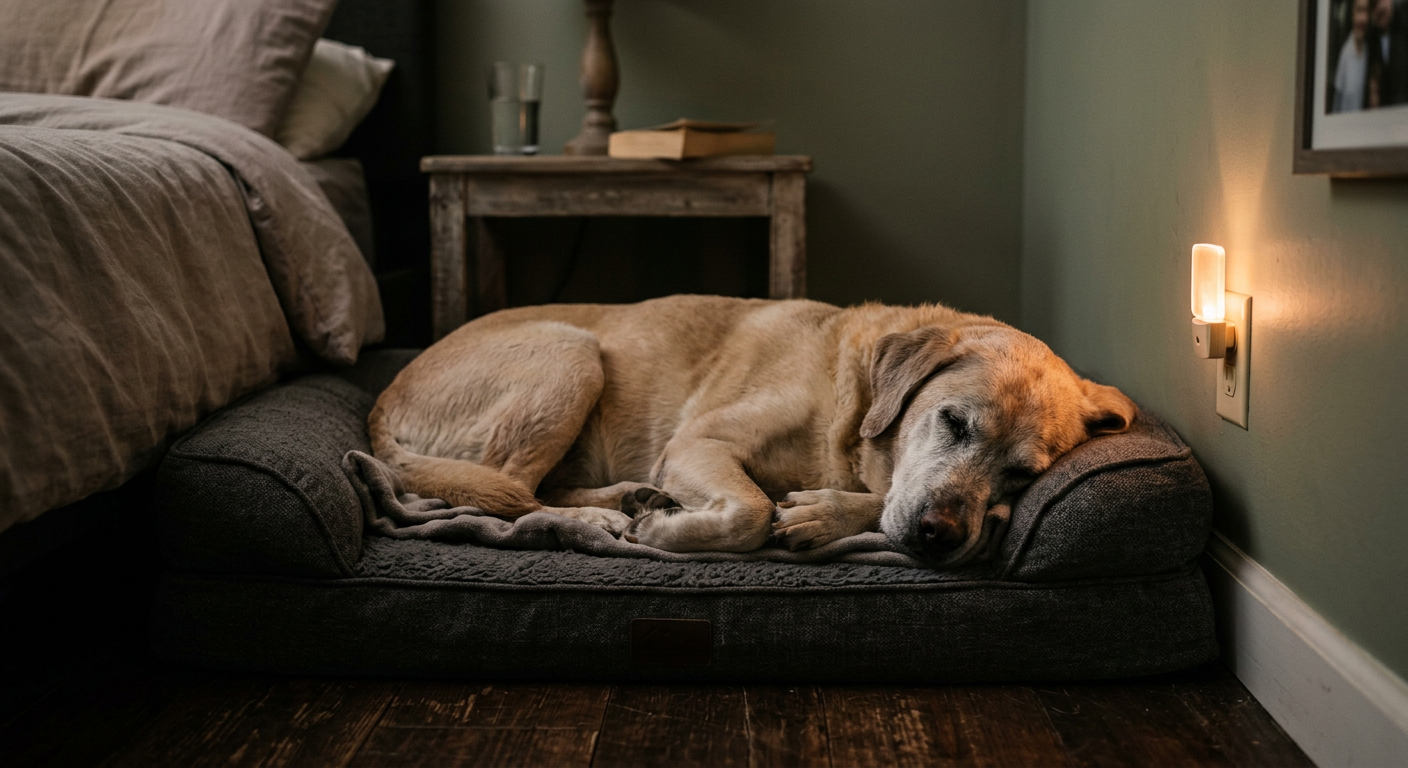
Consider adding a dim night light near your dog’s sleeping area. This small amount of visibility can help a dog with failing eyesight recognize their water bowl or the door. It provides a visual anchor that prevents the total disorientation that comes with complete darkness.
Consistency and Routine
Senior dogs thrive on predictability. Try to keep bedtime rituals exactly the same every night. Feed them at the same time, take them for their final "potty break" at the same hour, and place their bed in a consistent location. Changes to the furniture layout can be very distressing for a dog with cognitive decline.
Using pheromone diffusers or calming music designed for pets can also create a serene atmosphere. These tools help lower cortisol levels, making it easier for your dog to drift back to sleep if they happen to wake up in the middle of the night.
Wellness Considerations and Proactive Care
If your senior pet is frequently waking up in a fog, it is important to consult your veterinarian. While some confusion is a natural part of aging, nighttime restlessness can also be caused by underlying medical issues. Conditions like urinary tract infections, kidney changes, or chronic pain can make it impossible for a dog to stay asleep.
A veterinarian can perform a senior wellness exam to rule out physical discomfort. They may recommend specific supplements, such as Omega-3 fatty acids or antioxidants, which are known to support brain health. Some dogs also benefit from prescription diets formulated to improve cognitive function in older pets.
Managing Diet and Hydration
What your dog eats and drinks can impact their sleep quality. Large meals right before bed might lead to indigestion or the need for frequent bathroom trips. Conversely, ensuring they are well-hydrated throughout the day—but tapering off water intake slightly late in the evening—can help them sleep through the night without feeling the urge to go.

When to Seek Professional Advice
Living with an old dog waking up confused at night requires patience and compassion. It is important to remember that your dog isn't being "difficult" or "naughty." They are simply navigating a world that has become a bit more confusing than it used to be. Your calm presence is often the best medicine.
If you find that your dog’s confusion is escalating into distress, or if they are unable to settle even with your help, it is time for a professional consultation. A veterinarian can help determine if the behavior is strictly cognitive or if there is a pain management component that needs to be addressed.
You can also research breed-specific traits to see if your dog’s lineage is prone to certain senior health patterns. For example, comparing the needs of different breeds, such as in a boxer vs poodle comparison, can give you insight into how different dogs age and what their specific "senior" years might look like.
Patience and Companion Care
The bond we share with our senior dogs is profoundly deep. While it can be tiring to handle nighttime wake-up calls, these moments are an opportunity to provide the same care your dog has given you throughout their life. Gentle reassurance, a soft touch, and a well-lit path can make all the difference for a confused senior pet.
Focusing on proactive care and environmental adjustments will help your dog navigate their senior years with dignity. By understanding the causes behind an old dog waking up confused at night, you can ensure their final years are spent in comfort, safety, and love.