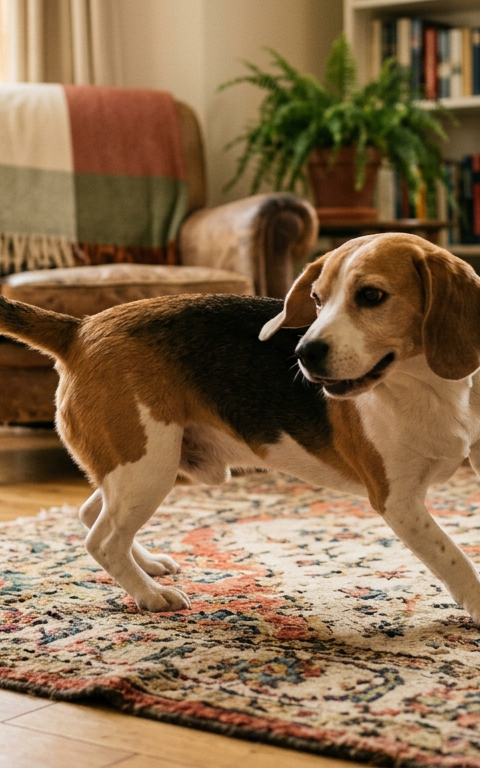
Bringing a new puppy home is one of the most exciting milestones for any pet parent, but the transition can be challenging for both species. If you find your puppy crying all night even after feeding, you are certainly not alone in this experience. This behavior is incredibly common during the first few weeks as your new companion adjusts to a completely new environment away from their mother and littermates.
Understanding why your puppy continues to vocalize even when their belly is full is the first step toward a restful night. While it might feel overwhelming at 2 AM, this phase is usually temporary and manageable with the right routine. By looking at the emotional and physical needs of your pet, you can create a soothing atmosphere that encourages long-term sleep success.
Understanding the Transition Period
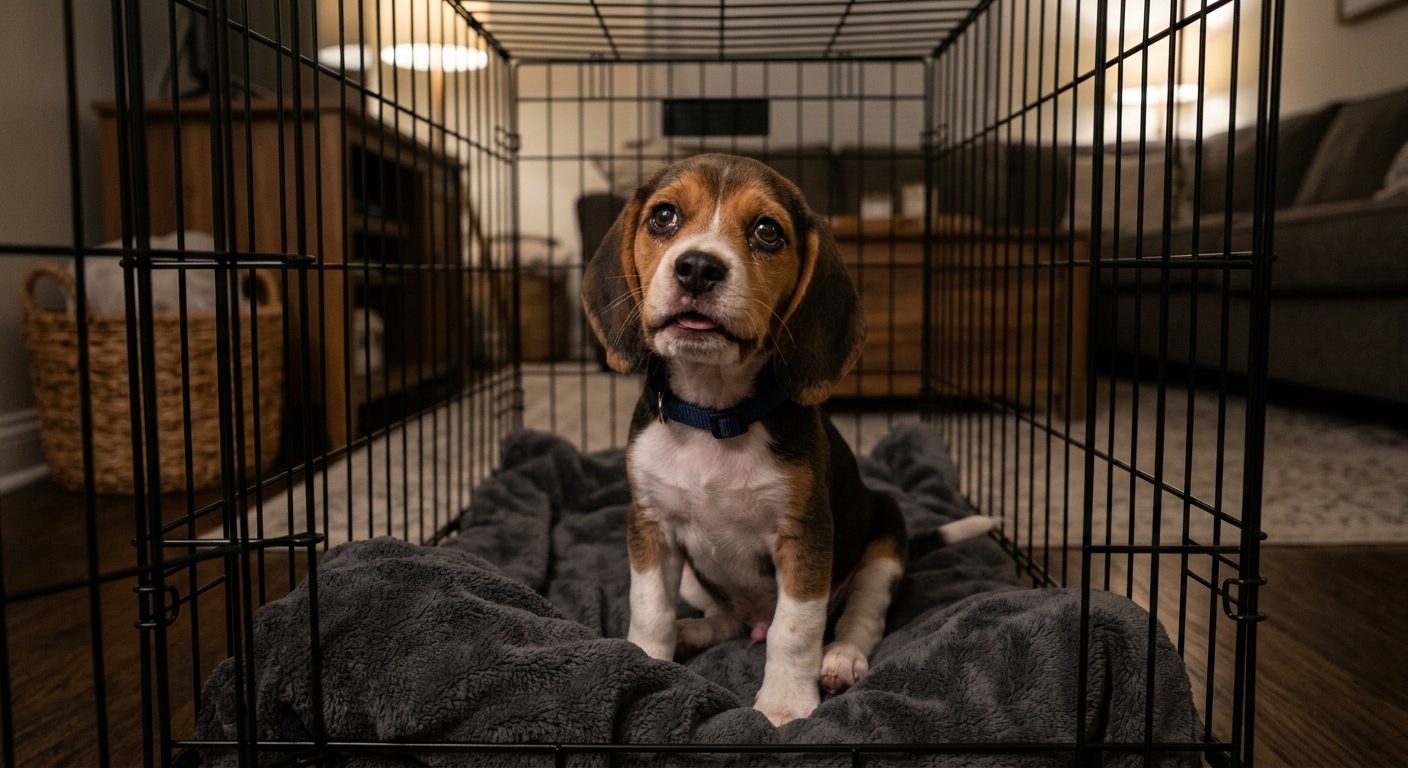
The primary reason a puppy cries throughout the night is often related to the sudden change in their social structure. For the first eight weeks of their lives, puppies are rarely alone; they sleep in a warm pile with their siblings. When they arrive at your home, the silence and isolation of a crate or a separate room can feel quite intimidating.
It is important to remember that crying is a puppy's primary way of communicating a need for safety. Even if they have been fed and taken outside, they may simply be asking for reassurance that they aren't alone. This biological instinct kept their ancestors safe, and it takes time for a domestic puppy to learn that your home is a secure space.
If you are raising a specific breed like a Golden Retriever, you might find their social needs are particularly high during this developmental stage. High-energy or highly social breeds often require more physical proximity during the first few nights to feel settled.
Addressing Physical Comfort and Environment
Sometimes the issue isn't hunger, but the environment itself. A puppy might be perfectly fed but still feel physically unsettled. Check the temperature of the room; a space that is too drafty or too warm can cause a young dog to fuss. Their bedding should be soft, inviting, and free of any small parts they might chew on during the night.
Consider the placement of the crate or bed. Many trainers recommend keeping the puppy in your bedroom for the first few nights. Being able to hear your breathing or the sound of your movements can provide the comfort they need to stop vocalizing. You can gradually move the crate further away once they have built up their confidence.
The Role of Sensory Comfort
Puppies are very sensory-oriented. You can mimic the presence of littermates by using specific tools designed for canine comfort. Many owners find success with these items:
- Snuggle toys with a simulated heartbeat mechanism.
- A piece of clothing that smells like you placed safely outside the crate.
- A warm water bottle wrapped securely in a thick towel.
- Low-volume white noise or soothing classical music.

Establishing a Consistent Bedtime Routine
Consistency is the secret to ending nighttime vocalization. Puppies thrive on predictability, and a structured routine helps their internal clock align with yours. If your pet knows exactly what happens before bed, they are more likely to settle down without a fuss.
Start by winding down the energy levels about an hour before sleep. Avoid high-intensity play or heavy training sessions right before bed, as this can lead to an overtired puppy who struggles to switch off. Instead, focus on calm interaction and gentle petting. If you notice your dog acting strange at night, it might be a sign that they are overstimulated rather than hungry.
The Final Potty Break
Even if you fed them recently, a puppy's bladder is tiny. A final, very boring potty break right before lights out is essential. Keep this trip strictly business—no playing, no treats, and minimal talking. This teaches the puppy that nighttime outings are for relief, not for social interaction.
Distinguishing Between Needs and Attention
One of the hardest parts of puppy parenthood is knowing when to respond to a cry and when to wait. If a puppy has been fed, pottied, and played with, their crying is often an "attention cry." While it is heart-wrenching, responding to every whimper can accidentally reinforce the behavior, teaching them that crying brings the reward of your presence.
Wait for a brief pause in the crying—even just five seconds of silence—before going to check on them. This ensures you are rewarding the quiet behavior rather than the vocalization. If you suspect they genuinely need to go outside, keep the interaction very neutral. Do not turn on bright lights or speak in an excited tone.
If your puppy's nighttime behavior seems extreme, such as pacing the house or showing signs of intense distress, it is always a good idea to consult your veterinarian. They can rule out any underlying wellness considerations, such as parasites or digestive upset, that might be causing physical discomfort.
Daytime Habits Affect Nighttime Sleep
What happens during the day directly impacts how a puppy sleeps at night. A puppy that sleeps all day will naturally be wide awake and restless when the sun goes down. Ensuring they get plenty of mental stimulation and age-appropriate physical exercise during daylight hours is crucial.
Mental enrichment is just as tiring as physical exercise for a young dog. Use puzzle feeders, short training sessions, and supervised exploration of new environments to wear out their brain. A mentally satisfied puppy is much more likely to sleep through the night without complaining.

When to Consult a Professional
While most puppies grow out of nighttime crying within a few weeks, some may struggle with deeper anxieties. If your puppy is harming themselves, panicking to the point of vomiting, or if the crying does not improve at all with a consistent routine, reach out to a professional dog trainer or a veterinary behaviorist.
Proactive care also includes tracking their development. As your puppy grows, their needs will change. Comparing their progress to breed standards can be helpful; for example, you might look at a Beagle vs Poodle comparison to understand how different energy levels and temperaments might influence their sleep habits and training needs.
Conclusion
Dealing with a puppy crying all night even after feeding is a rite of passage for many dog owners. It requires patience, consistency, and a deep breath at 3 AM. By focusing on creating a secure environment, maintaining a strict routine, and ensuring their physical and emotional needs are met, you will soon find your household returning to a peaceful night's rest.
Remember that this is a short chapter in your dog's life. The bond you build through these quiet, early morning moments—though tiring—is the foundation of a lifetime of companionship. Stay consistent, stay calm, and consult your veterinarian if you have any concerns about your puppy's health or behavior during this transition.