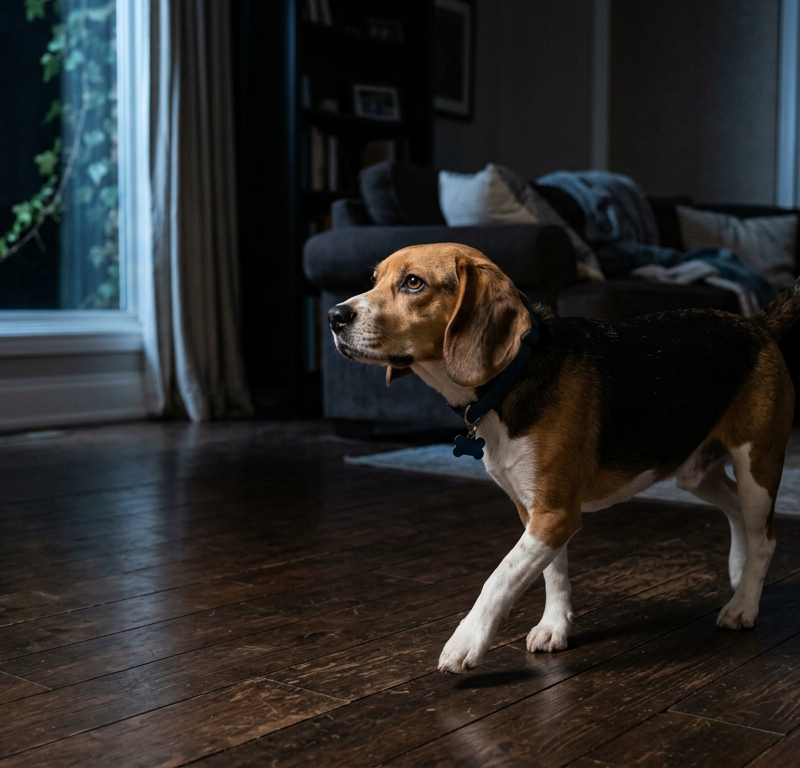
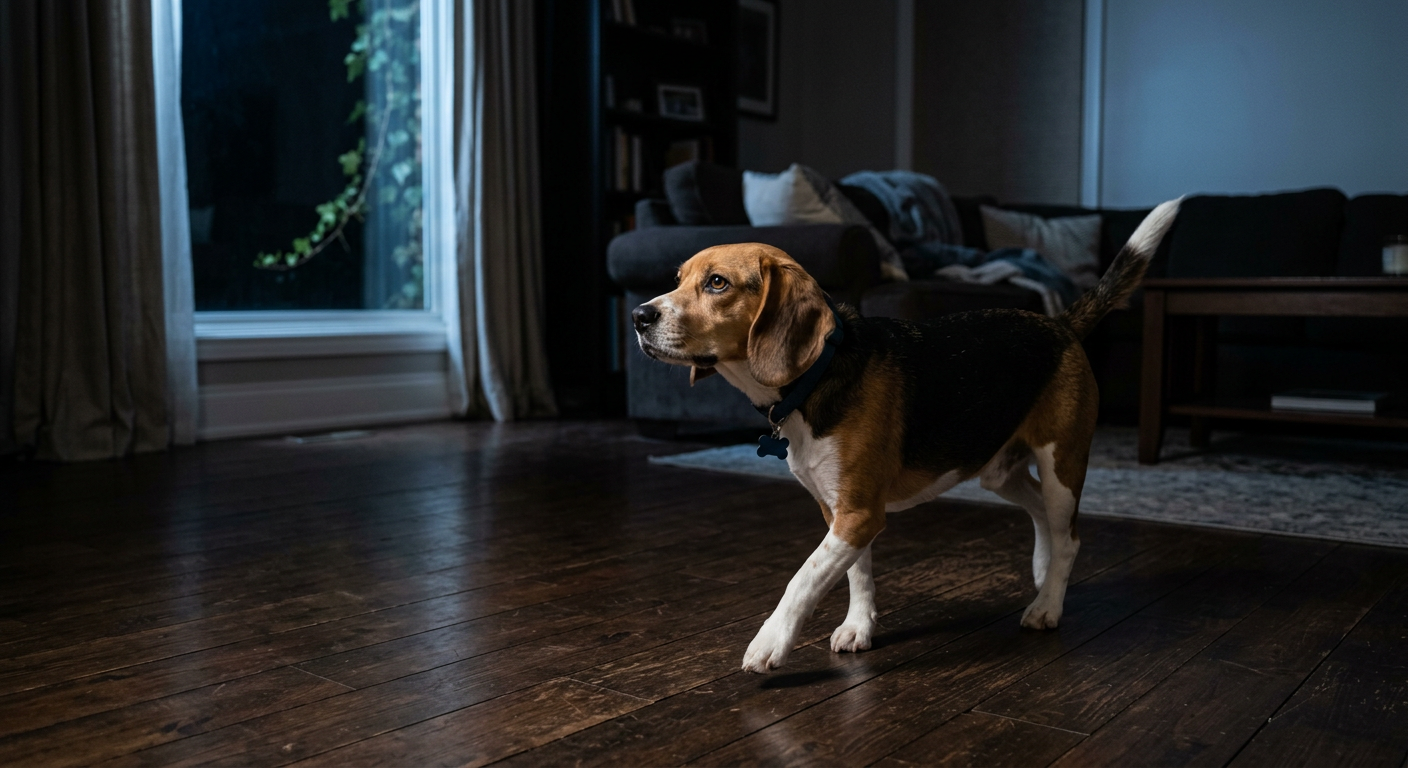
Walking through a quiet home in the middle of the night can be a peaceful experience, but it becomes concerning when you hear the rhythmic "click-click-click" of paws on the floor. If you find your dog pacing the house at 2am suddenly, you are likely looking for answers and a way to help your companion settle back into a restful sleep. Sudden nighttime restlessness can stem from various sources, ranging from simple environmental changes to deeper wellness considerations that require a gentle touch and observation.
Understanding why your dog has shifted their sleep routine is the first step toward restoring peace to your household. While it can be frustrating to lose sleep, your dog is likely communicating a need or responding to a stimulus they cannot control. By looking at their environment, age, and physical comfort, you can begin to decode this nocturnal behavior. You may also find it helpful to explore why dogs act strange at night to see how common these shifts actually are.
Common Environmental Triggers for Nighttime Pacing
Sometimes the reason a dog starts wandering in the early hours is purely external. Dogs have incredibly sensitive hearing and olfactory senses, meaning they might be reacting to something you haven't even noticed. A new sound in the neighborhood, a change in the household temperature, or even the scent of a nocturnal animal outside can trigger a protective or curious response.
Sound Sensitivities and Nocturnal Activity
Your dog might be hearing the hum of a new appliance or the distant sound of construction that only occurs at night. Because the house is quiet, these sounds are amplified for your pet. If they feel they need to investigate or patrol the area, they will begin walking from room to room. This "patrolling" behavior is often seen in guardian breeds like the Doberman Pinscher, who take their nighttime watch very seriously.
Temperature and Comfort Adjustments
As seasons change, the temperature in your home fluctuates. A dog that is too warm may pace the house looking for a cool tile floor to lie on, while a chilly dog might wander in search of a warmer rug or a draft-free corner. Check your dog’s bedding to ensure it is appropriate for the current weather. A simple adjustment like adding a fan or a heavier blanket can often resolve the issue and stop the late-night wandering.
Physical Wellness and Comfort Considerations
If the environment seems stable, the next place to look is your dog’s physical comfort. A dog pacing the house at 2am suddenly may be experiencing a physical urge or localized discomfort that makes staying still difficult. It is always proactive to monitor their physical state and consult with a veterinarian if you suspect they are feeling under the weather.
The Need for a Potty Break
The most common and simplest reason for pacing is a sudden need to eliminate. Changes in diet, a late-night snack, or even a minor digestive upset can wake a dog from a deep sleep. If your dog is pacing and heading toward the door, a quick trip outside might be all they need to return to their bed and sleep soundly for the rest of the night.
Joint Health and Mobility
For older dogs or large breeds like the Great Dane, lying in one position for too long can lead to stiff joints. They may get up and pace simply to stretch their muscles and find a more comfortable position. If you notice your dog is slow to rise or limping during the day, their nighttime pacing might be a sign that they need a more supportive orthopedic bed or a wellness checkup to discuss joint support.
Age Related Changes and Cognitive Function
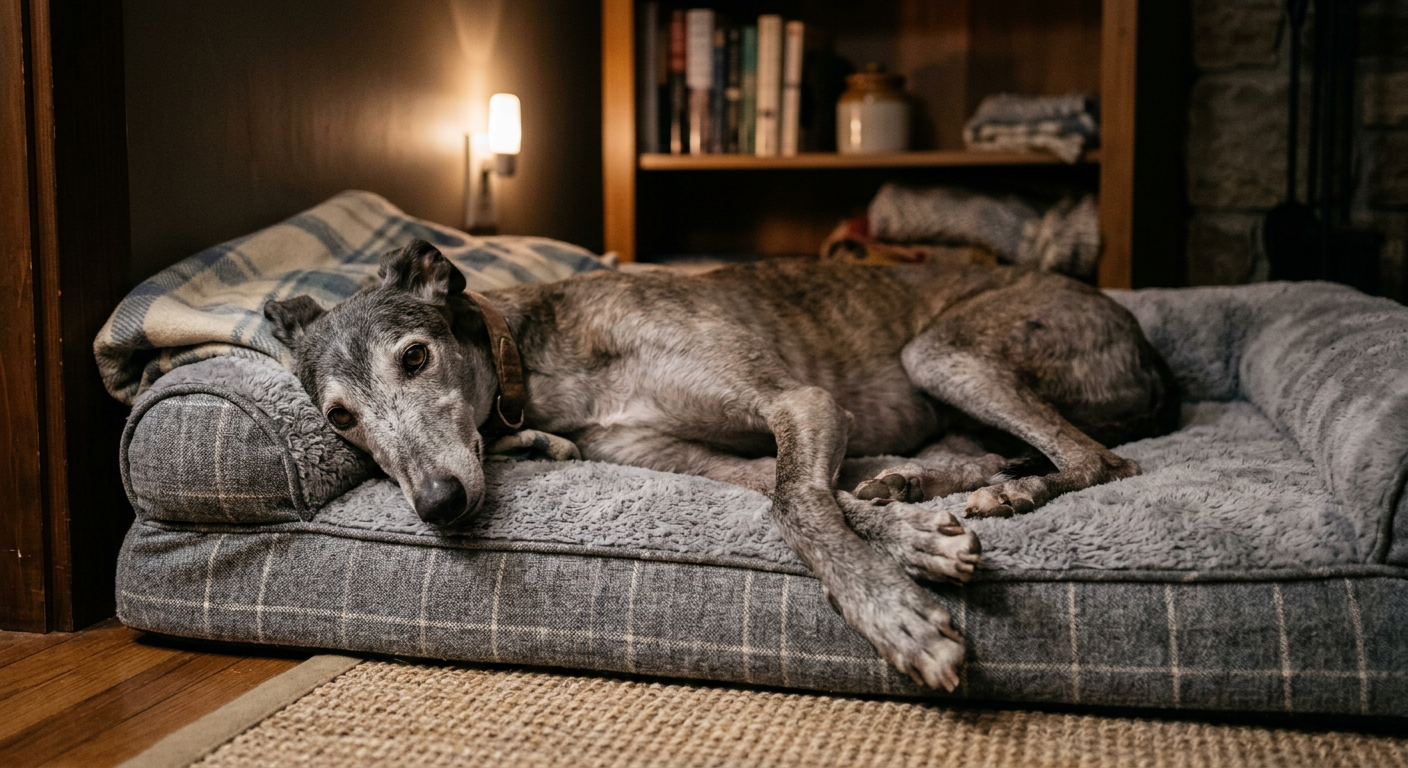
As dogs enter their senior years, their sleep-wake cycles can naturally shift. This is a common part of the aging process and is often something that can be managed with a routine and environmental support. If your senior dog seems to be wandering without a clear destination, they may be experiencing a bit of nighttime confusion.
Cognitive changes in older pets can lead to a reversal of their normal schedule, where they sleep more during the day and become active at night. This is particularly frequent in breeds that live long lives. If you have an old dog waking up confused, it is helpful to keep a low-light nightlight on to help them navigate. This eases their anxiety and helps them find their way back to their sleeping area without feeling lost in the dark.
Anxiety and Stress Responses
Dogs are creatures of habit, and even small changes in their daily routine or social structure can lead to internal stress. This stress often manifests when the house is quiet and there are fewer distractions. A dog pacing the house at 2am suddenly might be processing anxiety related to a recent move, the absence of a family member, or even a tense atmosphere in the home.
- Separation Anxiety: If your dog usually sleeps in your room but has been moved elsewhere, they may pace in an attempt to get closer to you.
- Phobias: Some dogs develop fears of specific nighttime occurrences, like thunderstorms or fireworks, which can result in restless behavior even after the event has passed.
- General Stress: A lack of physical or mental stimulation during the day can leave a dog with "pent-up" energy that they release through pacing at night.
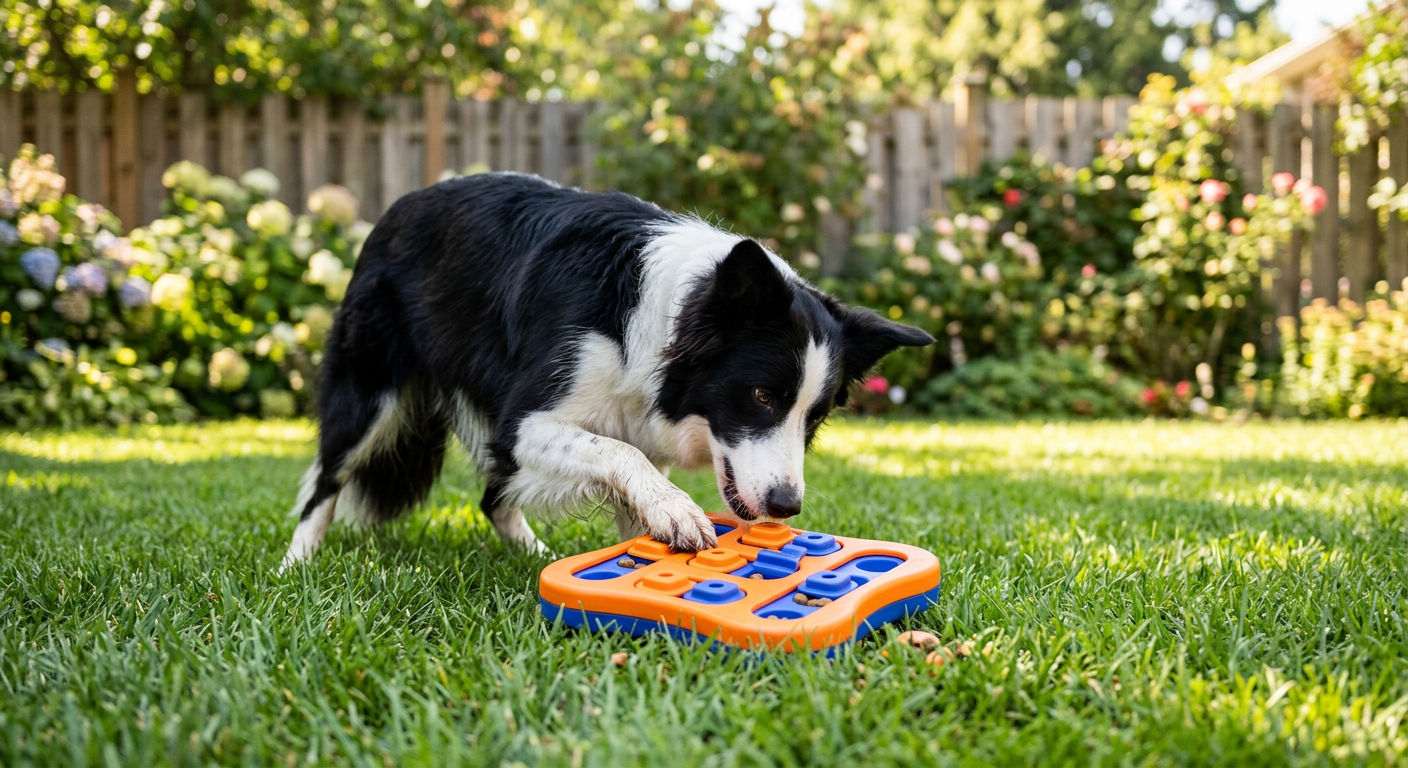
Ensuring your dog gets plenty of exercise and mental enrichment during the daylight hours is an excellent way to promote better sleep. A tired dog is generally a sleeping dog. If you find your pet is consistently restless, consider adding a puzzle toy or an extra walk to their evening routine to help them wind down naturally.
Practical Steps to Support Your Dog
When you encounter this behavior, the best approach is to stay calm and observant. Avoid reacting with frustration, as dogs can pick up on your emotions, which might increase their anxiety and lead to more pacing. Instead, try a systematic approach to identify the cause.
- Check for immediate needs: Offer a quick potty break and ensure their water bowl is accessible but not overfilled.
- Assess the environment: Look for any new lights, sounds, or temperature shifts that could be bothering them.
- Provide comfort: Sometimes a gentle word or a brief pat is enough to reassure a dog that everything is okay.
- Keep a log: Note when the pacing happens and any other behaviors you notice. This information is invaluable for your veterinarian.
If the behavior persists for more than a few nights, or if it is accompanied by other signs like panting, whining, or changes in appetite, it is time to schedule a visit with your veterinarian. They can rule out underlying health issues and help you create a plan to get your dog back on a healthy sleep schedule.
Conclusion
Finding your dog pacing the house at 2am suddenly can be a puzzling experience for any pet parent. Whether it is a response to a sound outside, a need for a midnight potty break, or a sign of aging, your dog is simply following their instincts. By staying patient and looking for the "why" behind the walk, you can provide the comfort and care they need to rest peacefully once again. Every dog is unique, and with a little observation, you will find the right solution for your furry friend.