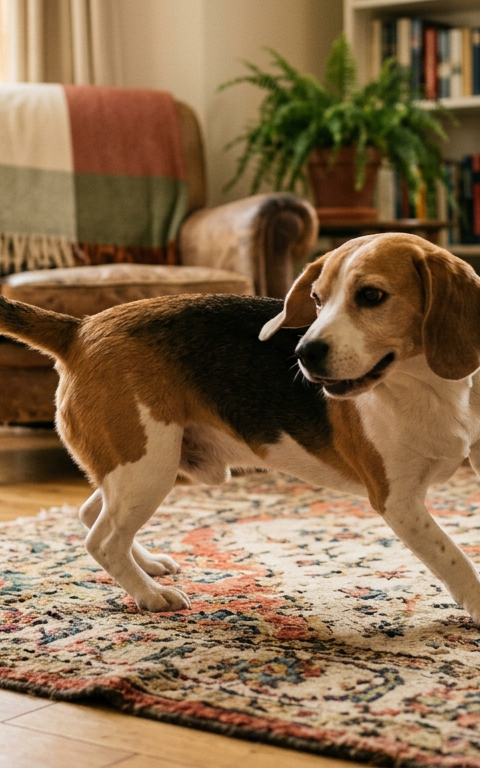
Waking up in the middle of the night to find your furry friend trembling can be a concerning experience for any pet parent. When you find yourself asking, "why does my dog keep waking up at night shaking," it is important to remember that this behavior often has very fixable solutions. From simple environmental changes to age-related shifts, understanding the physical and emotional triggers of nighttime tremors is the first step toward a peaceful night's sleep for both of you.
Dogs communicate through their body language, and shaking is a multi-faceted signal. It can represent anything from a reaction to a drop in temperature to a deep emotional response to a dream. By observing the context of these episodes, you can gather the information your veterinarian needs to ensure your dog stays healthy and happy. Let's explore the most common reasons why your companion might be shivering under the moonlight.

Common Environmental Triggers for Nighttime Shaking
One of the most frequent reasons for a dog to wake up shaking is a change in the environment. Just like humans, dogs are sensitive to drafts, drops in temperature, and unexpected noises that occur while the rest of the house is quiet. If your dog has short fur or is a smaller breed, they may lose body heat much faster than you realize during the early morning hours.
Temperature Fluctuations
Many homes cool down significantly at night. If your dog sleeps on the floor or near a window, they might be experiencing "thermal stress." This isn't a medical emergency, but rather a natural physiological response to generate heat through muscle contractions. Providing a self-warming bed or a cozy sweater can often resolve this issue immediately.
Noise Sensitivity and Nighttime Sounds
A dog's hearing is far more acute than ours. A distant siren, a neighbor's car door, or even the hum of a refrigerator can startle a dog out of deep sleep. This sudden wakefulness can trigger a localized adrenaline rush, leading to visible trembling or shivering as they "reset" their nervous system. If you notice this pattern, consider using a white noise machine to mask external sounds.
The Role of Anxiety and Stress
Anxiety is a significant factor when a dog keeps waking up at night shaking. Nighttime can be a lonely time for dogs who thrive on social interaction. When the house goes dark and quiet, a dog may feel a sense of isolation or vulnerability that manifests as physical shaking. This is particularly common in rescues or dogs who have recently moved to a new home.
Separation anxiety doesn't only happen when you leave the house; it can also occur when you are simply in a different room behind a closed door. If your dog wakes up and begins to shake, they may be looking for the reassurance of your presence. Establishing a consistent bedtime routine can help signal to your dog that they are safe and secure.
For more insights into how dogs process their environment during the late hours, you might find our guide on why dogs act strange at night particularly helpful. Understanding these behavioral shifts can provide much-needed clarity for pet owners.
Physical Wellness and Health Considerations
While environmental factors are common, we must also consider the physical health of the dog. Shaking can sometimes be a sign of discomfort or a physiological need that hasn't been met. If the shaking is accompanied by restlessness, it might be time to look at their overall wellness routine.
Pain and Joint Discomfort
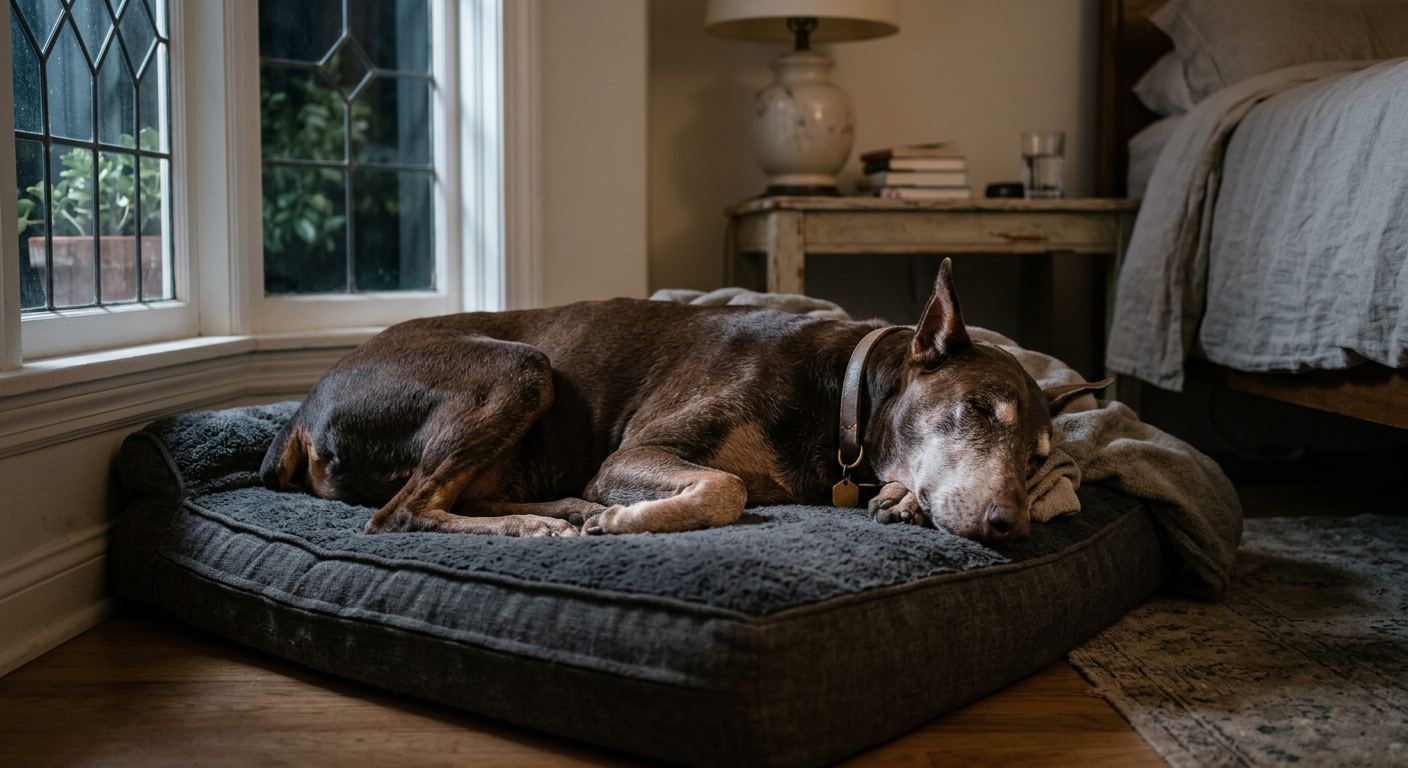
As dogs age, they may develop joint issues or arthritis. When a dog stays in one position for a long period—such as during sleep—their joints can become stiff. When they wake up and try to shift positions, the resulting discomfort can cause them to shake. This is very common in larger breeds like the Great Dane or the German Shepherd, who carry more weight on their skeletal structure.
Blood Sugar and Digestion
Low blood sugar (hypoglycemia) can lead to tremors, especially in very small breeds or puppies who haven't eaten for several hours. Similarly, an upset stomach or the need to eliminate can cause a dog to wake up trembling. If your dog shakes and then immediately heads for the door, it is likely a signal that their digestive system is waking them up.
Dreaming and the REM Cycle
Not all shaking is a sign of a problem. Dogs experience REM (Rapid Eye Movement) sleep just like humans do. During this stage, they may "act out" their dreams. This often involves paddling their paws, whimpering, and rhythmic shaking. These episodes are perfectly normal and are a sign of a healthy, active brain.
If your dog wakes up abruptly from one of these dreams, they may appear disoriented or continue to shake for a few minutes as they transition back to wakefulness. If you find your dog frequently vocalizing during these moments, you may want to read about a dog whimpering in sleep every night to differentiate between dreaming and distress.
Addressing the Needs of Senior Dogs
Senior dogs have unique requirements when it comes to nighttime comfort. Cognitive changes associated with aging can lead to "sundowning," where a dog becomes more confused or anxious as the sun goes down. This confusion often leads to physical shaking as the dog tries to navigate a darkened house that suddenly feels unfamiliar.
- Provide extra padding: Orthopedic beds help soothe aching joints.
- Add a nightlight: Helping a senior dog see their surroundings reduces fear-based shaking.
- Maintain a strict schedule: Routine is the best medicine for a confused senior pup.
- Consult your vet: Senior-specific wellness checks can identify manageable age-related conditions.
If you have an older companion who seems lost in the dark, our article on an old dog waking up confused at night offers specific strategies for senior care. Managing the "golden years" requires patience and a few adjustments to the home environment.
When to Consult Your Veterinarian
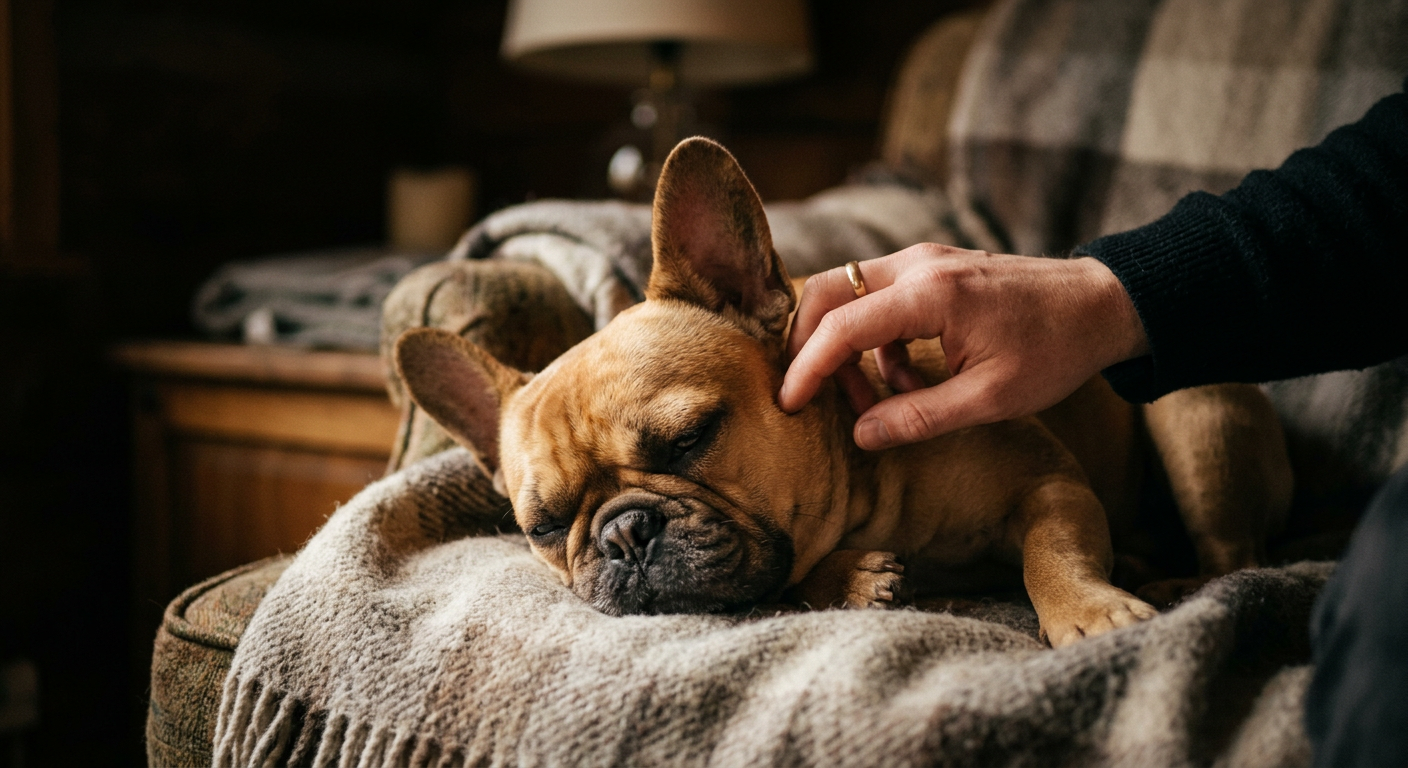
While most reasons for nighttime trembling are benign, it is always best to be proactive about your pet's wellness. A consultation with your veterinarian can rule out underlying issues like focal seizures, electrolyte imbalances, or chronic pain. If you can, record a video of the shaking episodes to show your vet, as this provides invaluable diagnostic information.
You should seek professional advice if the shaking is accompanied by:
- Vomiting or diarrhea
- Loss of appetite during the day
- A noticeable change in gait or difficulty standing up
- Shaking that does not stop when the dog is fully awake and comforted
Conclusion
Investigating why does my dog keep waking up at night shaking involves a mix of observation and empathy. By checking for drafts, ensuring they are comfortable, and considering their emotional state, you can usually pinpoint the cause of these midnight tremors. Always remember that your veterinarian is your best partner in ensuring your dog enjoys a restful, shake-free night. With the right adjustments, both you and your dog can look forward to many peaceful nights of sleep together.