As a cat owner, you have likely spent plenty of time watching your feline friend nap. Cats are professional sleepers, often spending up to 16 hours a day in dreamland. However, you might occasionally notice something a bit unusual: your cat sleeping with eyes slightly open. This sight can be a bit surprising, especially if you can see a thin white membrane or a sliver of their pupil while they rest.
In most cases, this is a perfectly normal part of feline physiology. Cats have unique anatomical features that allow them to rest while staying semi-alert to their surroundings. Understanding why this happens can help you differentiate between a peaceful nap and a situation that might require a quick check-in with your veterinarian.
The Role of the Nictitating Membrane
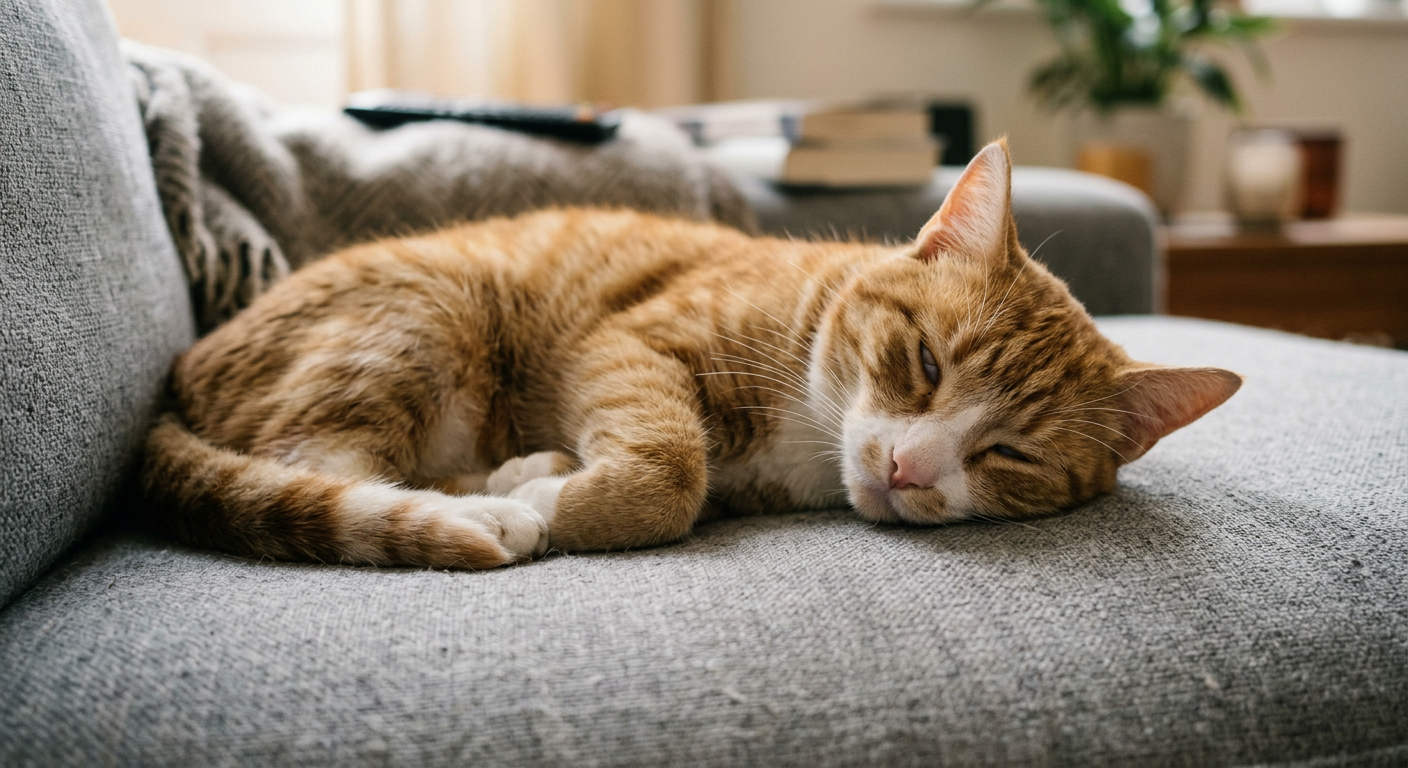
The primary reason a cat appears to sleep with their eyes open is the presence of the third eyelid, formally known as the nictitating membrane. This is a thin, translucent layer located in the inner corner of the eye. While humans don't have a functional version of this, it is a vital tool for cats.
Protection and Lubrication
The third eyelid acts like a windshield wiper for the eye. When a cat sleeps with their lids cracked, this membrane often slides across the cornea to keep it moist and protected from dust or debris. It allows the eye to remain hydrated even if the outer lids aren't fully sealed shut.
The Semi-Alert State
Because cats are both predators and prey in the wild, they have evolved to remain vigilant. When a feline's eyes are partially open, they can still perceive changes in light and movement. This "low-power mode" helps them react quickly if a potential threat—or a stray toy—appears nearby. You can learn more about these subtle physical cues in our guide on reading visible body signs in cats.
Stages of Feline Sleep
A cat's sleep cycle is divided into distinct phases, and you are most likely to see the eyes partially open during specific stages. Just like humans, cats experience various levels of consciousness throughout their nap time.
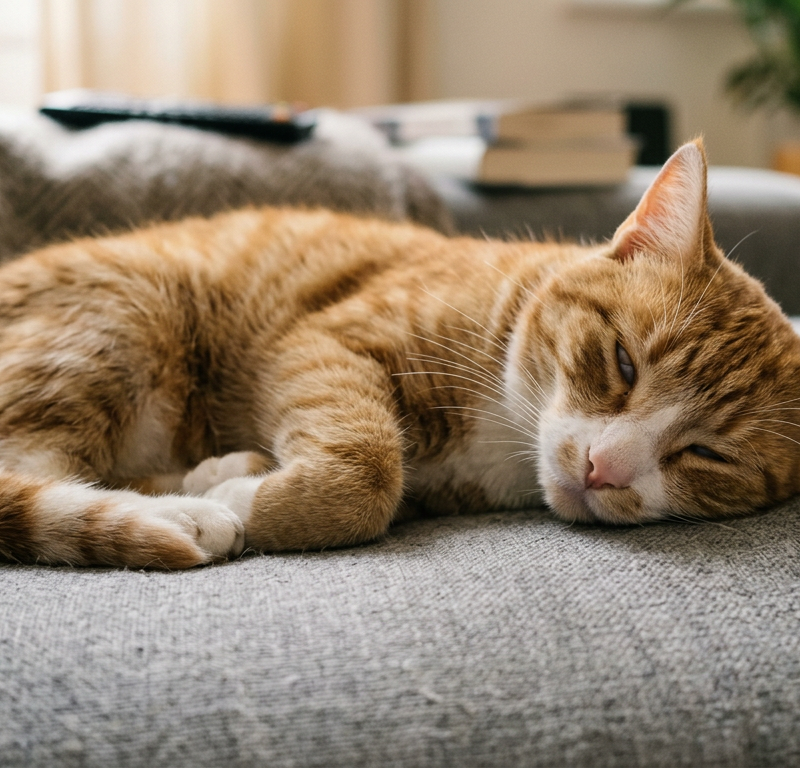
- The Catnap: This light sleep lasts about 15 to 30 minutes. The cat’s body is relaxed, but their senses are still sharp. Their eyes may be squinted or half-open, and their ears might twitch toward sounds.
- REM Sleep: During Rapid Eye Movement sleep, cats may dream. This is when you might see their paws twitch or notice their eyes moving beneath partially open lids or the third eyelid.
- Deep Sleep: This is a heavy, restorative sleep where the cat is fully "conked out." While the eyes are usually closed here, some cats still maintain a slight opening due to their individual facial structure.
When to Monitor Eye Health
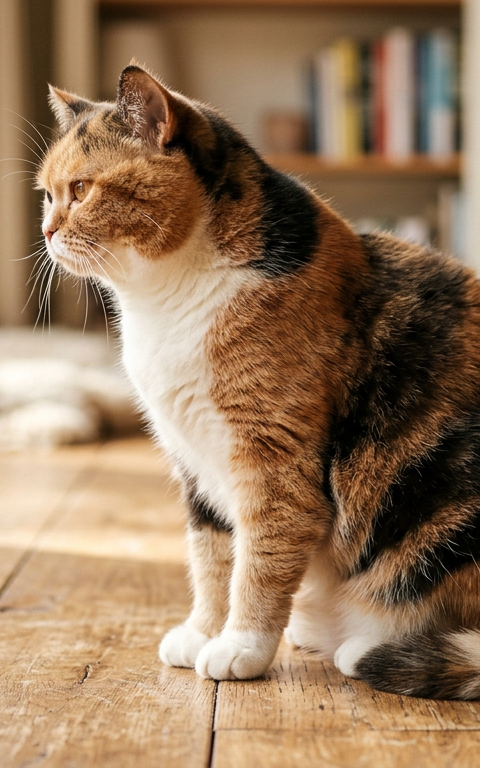
While seeing a cat resting with eyes open is usually normal, there are times when it might indicate a wellness consideration. If you notice that your cat's eyes are always open during sleep and they seem unable to close them, it is worth observing them closer. For owners of specific breeds like the British Shorthair, keeping an eye on ocular health is a standard part of grooming.
Dryness and Irritation
If the eyes remain open for extended periods without the third eyelid covering the cornea, the surface of the eye can become dry. Look for redness, squinting when they are awake, or excessive tearing. These signs could suggest that the eye isn't staying as lubricated as it should be during rest.
Physical Obstructions or Injuries
In some cases, an injury to the eyelid or a foreign object could prevent the eye from closing fully. If your cat seems uncomfortable or if you notice any swelling around the eye area, a professional veterinary exam is the best course of action to ensure there is no corneal scratching.
The Influence of Breed and Age
Individual anatomy plays a significant role in how a cat looks while they sleep. Some cats simply have larger eyes or different eyelid shapes that make a complete seal difficult. This is often seen in "brachycephalic" or flat-faced breeds, where the structure of the skull impacts the eye socket.
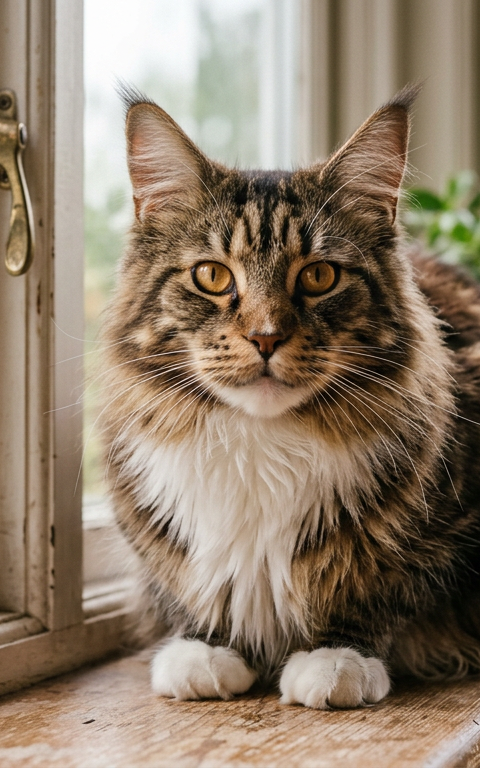
As cats age, the muscles around the eyes may also relax more significantly. An older Maine Coon might show more of their third eyelid during a nap than a kitten would. This is generally just a sign of deep relaxation and aging rather than a health issue, provided the eye itself looks clear and healthy.
Observing Other Sleep Symptoms
Sometimes, how a cat sleeps coincides with other physical signs. It is helpful to look at the "whole picture" of your cat's resting habits. For instance, if you notice your cat is sleeping with their eyes open and making unusual sounds, you might want to read about a cat making clicking sound when breathing to see if the behaviors are linked.
Similarly, if the partially open eyes are accompanied by heavy or labored breathing, it’s important to investigate further. A cat breathing with mouth open not panting while resting is something that should be discussed with a veterinarian immediately, as it differs from the normal, quiet state of a napping feline.
Comfort and Environment
The environment plays a role in how deeply a cat sleeps. In a very safe, quiet home, a cat might feel comfortable enough to fall into a deep sleep where their muscles—including those in the eyelids—relax completely. If your cat feels they need to stay on guard, they are more likely to keep those eyes "cracked" to monitor the room.
To support your cat's rest, ensure they have a variety of "safe spots" like high perches or enclosed beds. When a cat feels secure, their sleep quality improves, and you’ll see fewer "alert" sleeping postures. However, don't be surprised if your cat sleeping with eyes slightly open remains their preferred way to snooze; for many felines, it’s just their natural style.
Summary of Sleep Safety
Most of the time, seeing a sliver of eye or the nictitating membrane while your cat naps is a sign of a successful catnap. It shows their body is functioning exactly as nature intended—balancing the need for rest with the instinct to stay safe. As long as the eyes look clear, there is no discharge, and your cat is behaving normally when awake, you can simply enjoy the sight of your unique pet getting some well-deserved shut-eye.
If you ever feel concerned about the appearance of the eye, such as seeing the cat third eyelid showing all the time even when awake, that is the right time to seek professional advice. Otherwise, let your cat enjoy their peculiar, half-open-eyed dreams in peace.