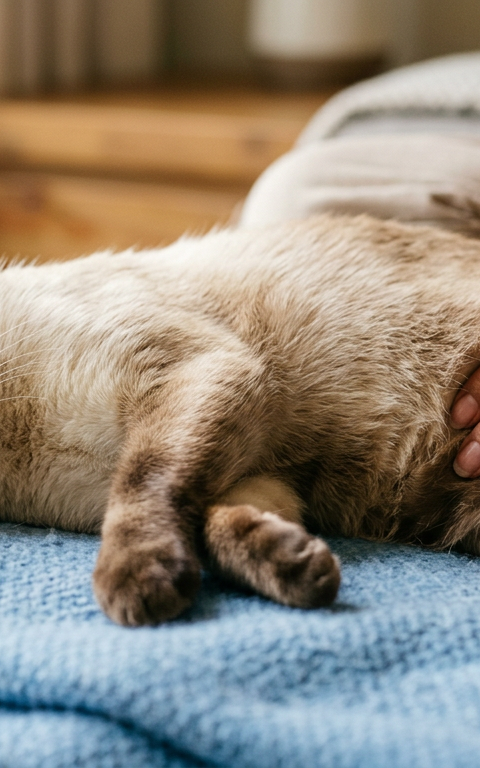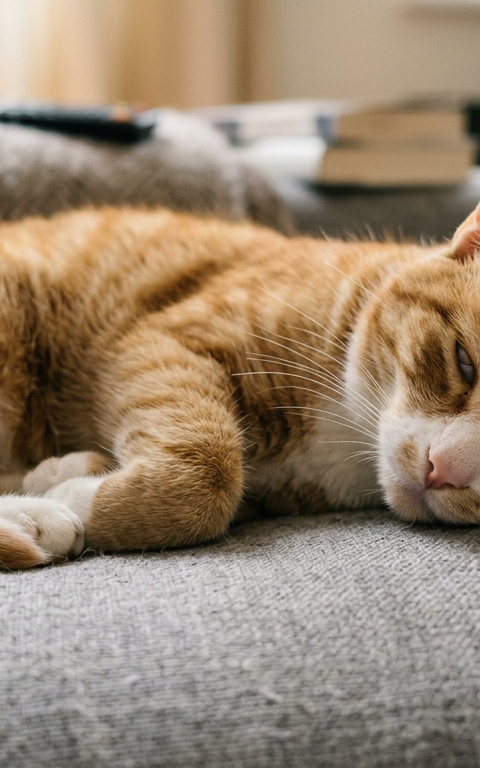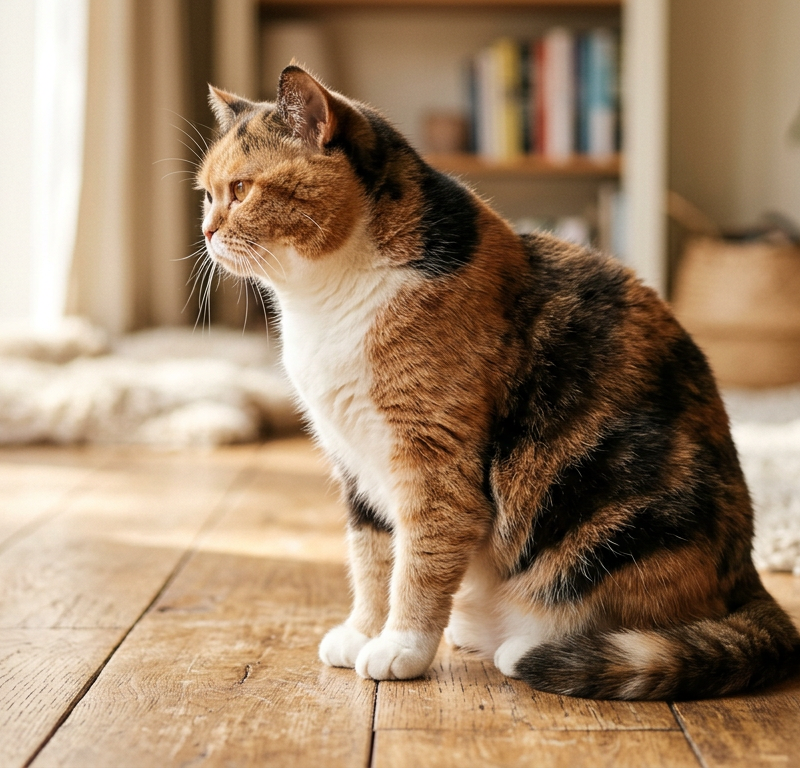
It can be quite a puzzle when you notice your cat belly looks swollen but she is eating and acting like her usual self. As pet parents, we often monitor our cats' appetites as a primary indicator of their health. When a cat continues to enjoy their meals despite a change in their physical appearance, it might feel like a mixed signal that requires a bit of detective work.
A distended abdomen can stem from various causes, ranging from simple lifestyle factors to health conditions that need a veterinarian's attention. Understanding the nuances of feline physiology helps us provide the best care possible. In this guide, we will explore why a cat might have a swollen belly while maintaining a healthy appetite and what steps you can take to support their wellness.
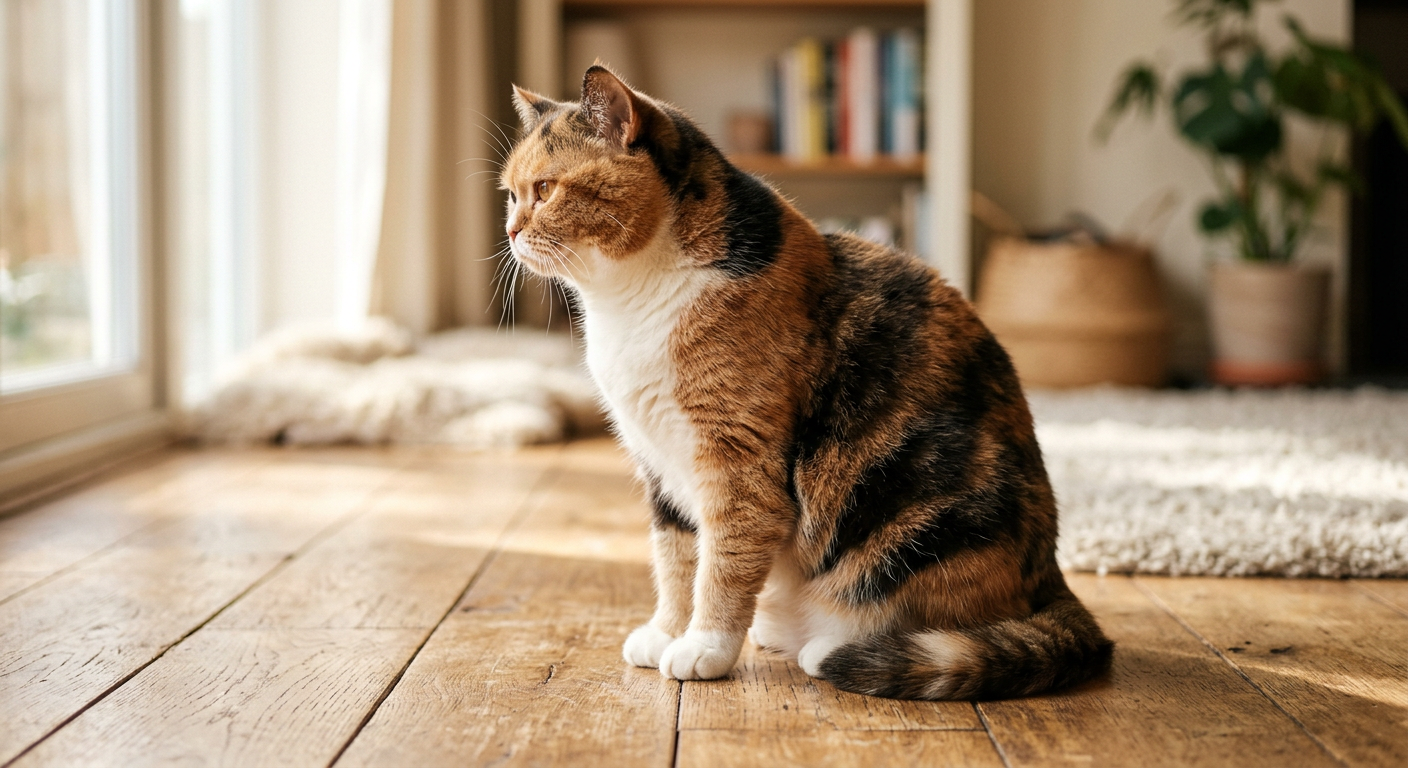
Common Reasons for an Enlarged Abdomen
One of the most frequent reasons a cat's midsection expands while they remain hungry is internal parasites. Roundworms, for instance, are very common in cats and can cause a "pot-bellied" appearance. These parasites live in the intestinal tract and can steal nutrients, which sometimes actually increases a cat's drive to eat more.
Dietary issues and gas can also play a significant role. If your cat has recently switched to a new food or has a slight sensitivity to an ingredient, their digestive system might produce excess gas. This leads to a temporary swelling that doesn't necessarily dampen their enthusiasm for dinner time. Monitoring their litter box habits alongside their physical changes is always a good practice.
Organ Enlargement and Fluid Accumulation
Sometimes, the swelling isn't just gas or fat, but rather an enlargement of internal organs like the liver or kidneys. While this sounds serious, many cats continue to eat and interact normally during the early stages of these changes. A vet can use diagnostic tools to determine if an organ's size is the culprit behind the physical shift.
Fluid buildup, known as ascites, is another possibility. This occurs when fluid leaks into the abdominal cavity. While there are several underlying reasons for this, a cat with ascites may still have a robust appetite. If you notice the belly feels heavy or "squishy" rather than firm, it is a sign that a professional evaluation is needed soon.
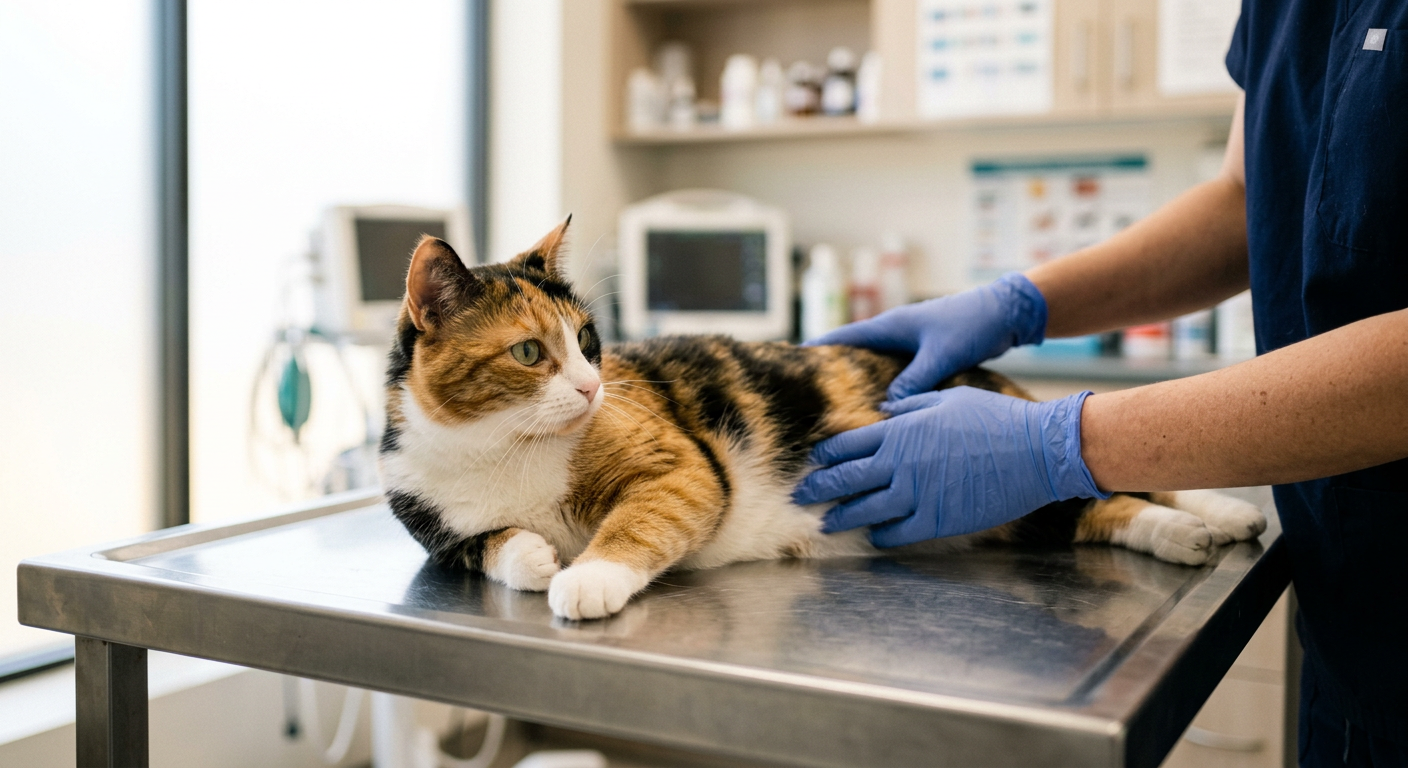
Distinguishing Between Weight Gain and Swelling
It is important to differentiate between a cat getting a little "pudgy" and actual abdominal distension. Cats often store fat in a specific area called the primordial pouch, which is a flap of skin and fat on the belly. However, a primordial pouch hangs loosely, whereas a swollen belly usually feels tight or looks specifically rounded from the sides.
If your cat is consuming more calories than they burn, they will naturally put on weight. You can check this by feeling for their ribs. In a healthy-weight cat, you should be able to feel the ribs easily under a thin layer of fat. If the ribs are buried but the belly is the only part that looks "blown up," it might be more than just extra treats.
- Texture: Is the belly hard, soft, or fluctuating?
- Symmetry: Does the swelling look even on both sides?
- Activity: Is she still jumping and playing as usual?
- Elimination: Are the bowel movements regular and well-formed?
When observing these signs, it helps to keep a small log to share with your vet. For those curious about how their cat's age relates to their physical development, checking a British Shorthair age calculator or similar breed-specific tool can provide context on their life stage and metabolic needs.
When to Consult Your Veterinarian
Even if your cat seems happy, a physical change like a swollen abdomen warrants a proactive check-up. Veterinarians are trained to feel for abnormalities that we might miss. They may suggest blood work, X-rays, or an ultrasound to see exactly what is happening inside that tummy. Early detection of any wellness consideration is the best way to ensure a long, happy life.
Be prepared to discuss your cat's recent history. Have there been changes in their water intake? Are they more vocal than usual? Sometimes subtle shifts in behavior accompany physical changes. For instance, if you've noticed other oddities like a cat third eyelid showing all the time, it could point toward a systemic issue that your vet should know about.
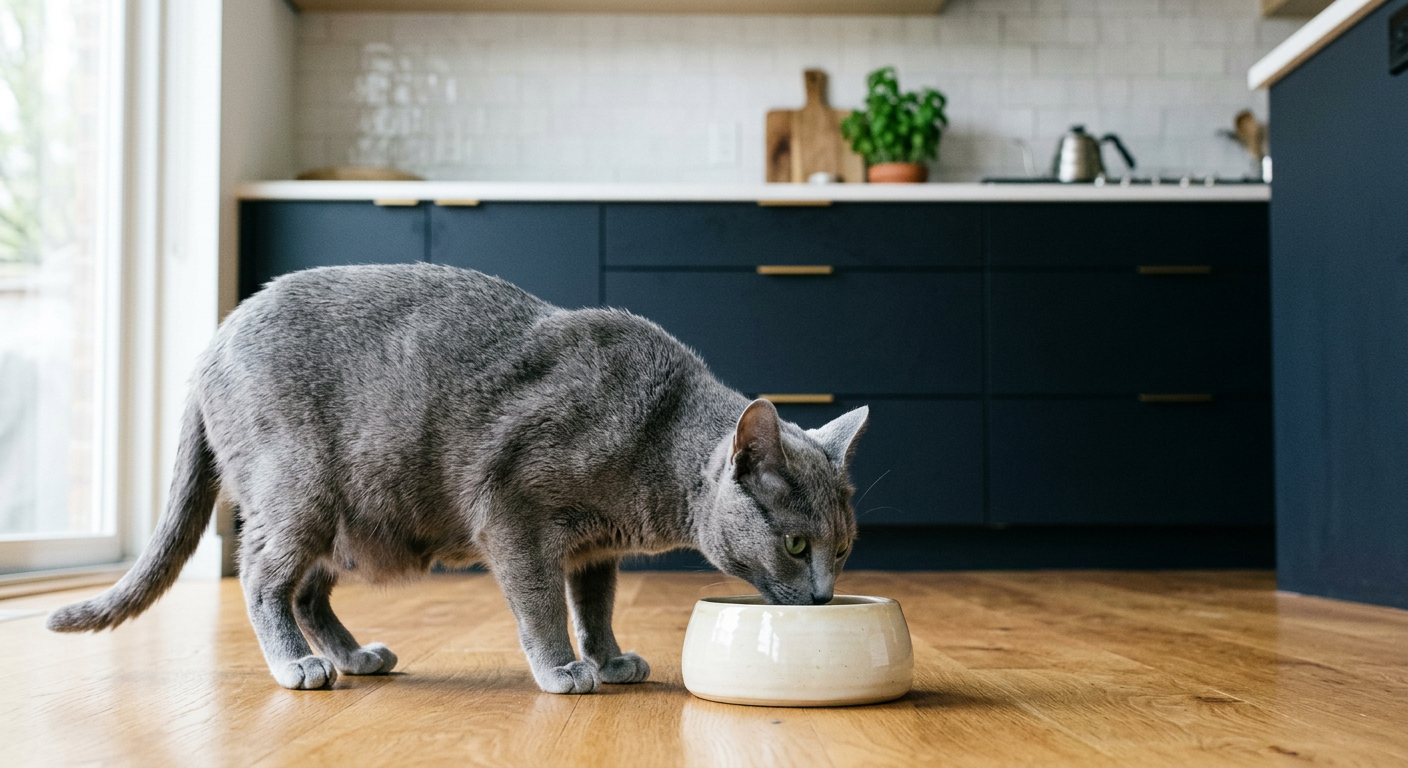
The Role of Feline Infectious Peritonitis
While we always hope for simple solutions like a change in diet, there are specific feline conditions like FIP (Feline Infectious Peritonitis) that can cause a swollen belly. In the "wet" form of this condition, fluid accumulates in the abdomen. Interestingly, some cats with FIP maintain their appetite for a significant period, making the swelling the most obvious sign to the owner.
Your vet will likely perform a "tap" if they suspect fluid, drawing a small sample to see if it is clear, yellow, or thick. This procedure is generally quick and provides vital information for a care plan. Modern veterinary medicine has made great strides in managing these types of conditions with supportive care and targeted therapies.
Proactive Care and Prevention
Maintaining a regular schedule for deworming and wellness exams is the best defense against many causes of abdominal swelling. For indoor/outdoor cats, parasite prevention is especially vital. Even indoor cats can pick up hitchhiking parasites from shoes or shared living spaces with other pets. Keeping your cat at a healthy weight through measured feedings also helps you spot physical changes more quickly.
If you are considering adding another cat to the mix and are worried about health compatibility, you might look into breed comparisons like a British Shorthair vs Poodle (if looking across species) or comparing different feline traits to understand their typical body shapes. Knowing what is "normal" for your specific breed helps you identify when something is "off."
Summary of Observation Steps
- Gently palpate the abdomen to check for tenderness or heat.
- Monitor the litter box for changes in frequency or consistency.
- Record the exact amount of food being eaten daily.
- Watch for secondary signs like lethargy or breathing changes.
In conclusion, while it can be confusing when your cat belly looks swollen but she is eating, it is usually a signal from her body that something needs a closer look. Most causes are manageable with the help of a veterinary professional. By staying observant and acting proactively, you are providing the best possible environment for your feline friend to thrive and stay healthy for years to come.