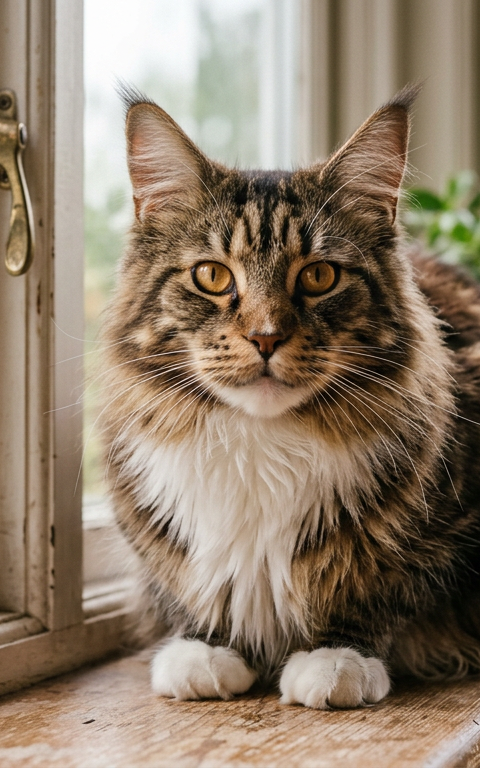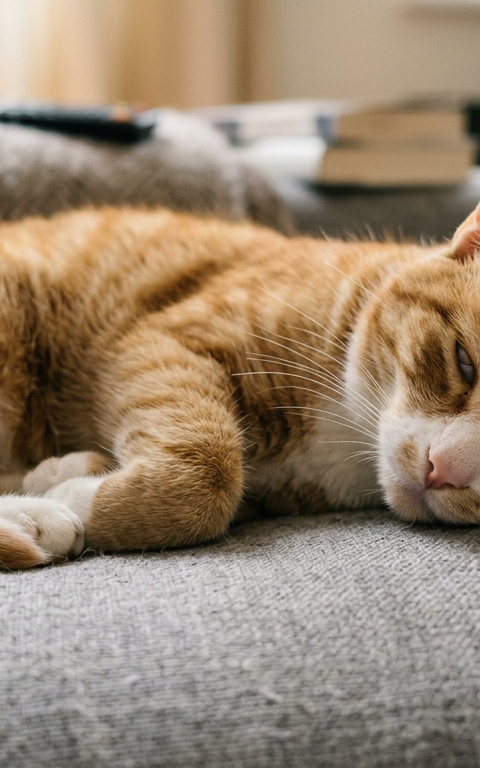
As a devoted pet parent, few things are as peaceful as watching your feline friend nap in a sunbeam. However, you might occasionally notice a rapid fluttering under their ribs and wonder why there is a cat heart beating very fast while resting. While a cat’s heart naturally beats much faster than a human’s, seeing it race during a quiet moment can certainly catch your attention.
Understanding what is normal for feline physiology is the first step in proactive pet care. Cats are masters at hiding discomfort, so paying attention to their resting vitals is a wonderful way to stay tuned into their overall wellness. In this guide, we will explore the common reasons for a quickened pulse and when you should consult your veterinarian.
Understanding the Normal Feline Heart Rate
Before assessing a cat heart beating very fast while resting, it helps to know the baseline. A healthy adult cat typically has a resting heart rate between 140 and 220 beats per minute (BPM). This is significantly higher than the average human resting rate of 60 to 100 BPM.
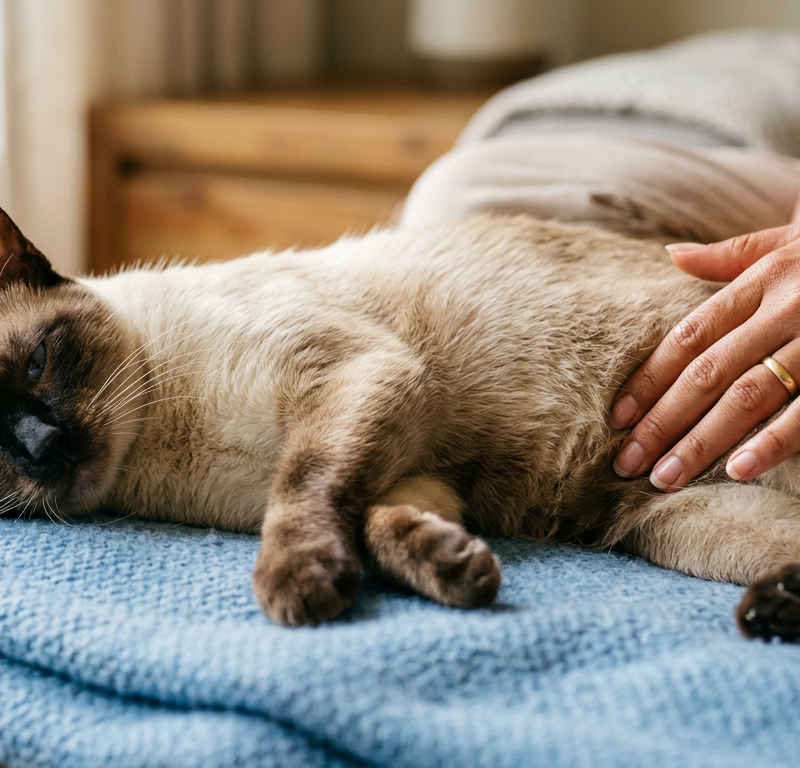
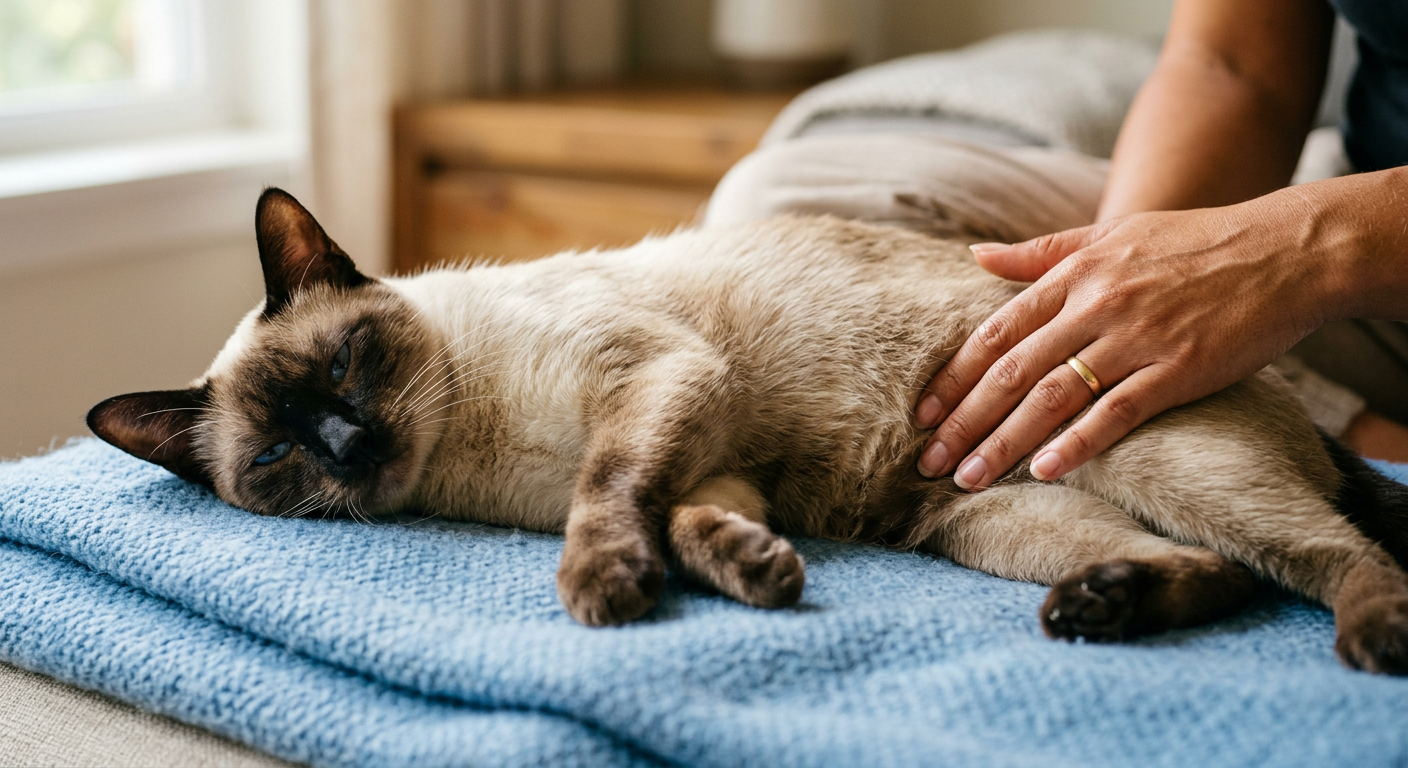
To check your cat's heart rate, place your hand on the left side of their chest, just behind the front elbow. Use a stopwatch to count the beats for 15 seconds, then multiply that number by four. If your cat is purring, it may be difficult to get an accurate reading, as the vibrations can mask the heartbeat.
Variations by Age and Breed
Age plays a significant role in how fast a heart beats. Kittens generally have much faster heart rates than senior cats, often reaching the upper end of the normal spectrum even when relaxed. You can use our Maine Coon age calculator to see how your cat's life stage compares to human years, which can provide context for their metabolic needs.
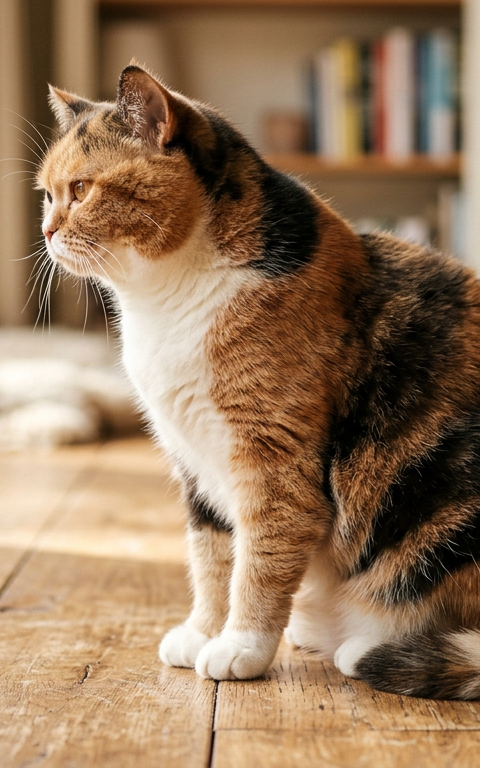
Larger breeds, like the British Shorthair, may have slightly slower resting rates compared to smaller, high-energy breeds. If you are curious about how different breeds compare in terms of size and energy, you might look at a comparison of different animal traits to see how physiology varies across the animal kingdom.
Environmental and Emotional Factors
Sometimes, a cat heart beating very fast while resting is simply a reaction to the world around them. Cats have incredibly sensitive hearing and a keen sense of smell. Even if they look like they are sleeping, their brain might be processing a distant sound or an interesting scent, causing a brief spike in heart rate.
Stress and anxiety are common culprits for a racing heart. Changes in the household, such as a new pet, moving furniture, or even a loud thunderstorm, can keep a cat in a state of "high alert." In these cases, the body releases adrenaline, which naturally increases the pulse even while the cat remains physically still.
The Role of Dreaming
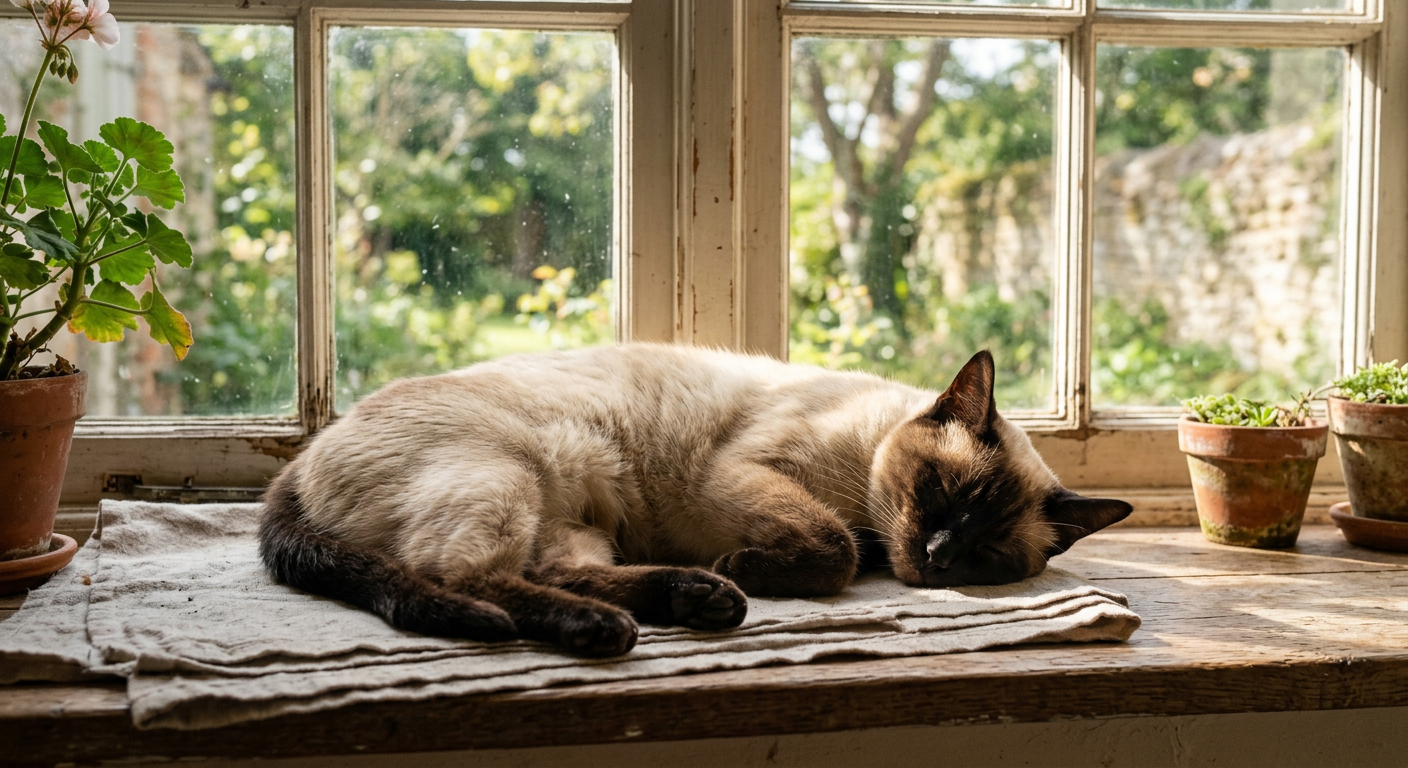
Have you ever noticed your cat's paws twitching or their whiskers quivering while they sleep? Cats experience REM (Rapid Eye Movement) sleep just like humans do. During these dream cycles, it is completely normal for their heart rate and breathing to become irregular or fast.
If the rapid heartbeat is accompanied by soft chirps or twitching, your cat is likely just chasing a dream mouse. Once they transition into a deeper sleep or wake up, the heart rate should return to its normal resting rhythm.
Wellness Considerations and Health Factors
While environmental factors are common, a consistently elevated heart rate—known medically as tachycardia—can sometimes be a sign of an underlying wellness consideration. Identifying these early allows for better management and a happier life for your pet.
- Anemia: If a cat has a low red blood cell count, the heart must pump faster to deliver enough oxygen to the body's tissues.
- Hyperthyroidism: This is common in middle-aged and senior cats. An overactive thyroid gland speeds up the metabolism, which frequently results in a high heart rate.
- Dehydration or Fever: When a cat is feeling unwell or overheated, their heart works harder to maintain blood pressure and cool the body.
- Pain: Cats are experts at masking pain, but a racing pulse is often an involuntary physiological response to physical discomfort.
Respiratory Connections
Heart health and lung health are closely linked. If you notice your cat is also breathing with their mouth open, this is a sign that they need a veterinary evaluation relatively soon. Similarly, if you hear a clicking sound when they breathe, it could indicate that the heart and lungs are working harder than usual.
When to Consult Your Veterinarian
It is always better to be proactive when it comes to your cat's cardiovascular health. While a temporary increase in heart rate is often nothing to worry about, certain "red flag" symptoms suggest it is time to call your vet for a check-up.
If the fast heart rate is persistent and doesn't slow down after the cat has been resting for an hour, it warrants a professional opinion. You should also watch for signs like lethargy, a decrease in appetite, or a sudden reluctance to jump onto high surfaces. These subtle behavioral changes, combined with a fast pulse, provide important clues for your veterinarian.
What to Expect at the Clinic
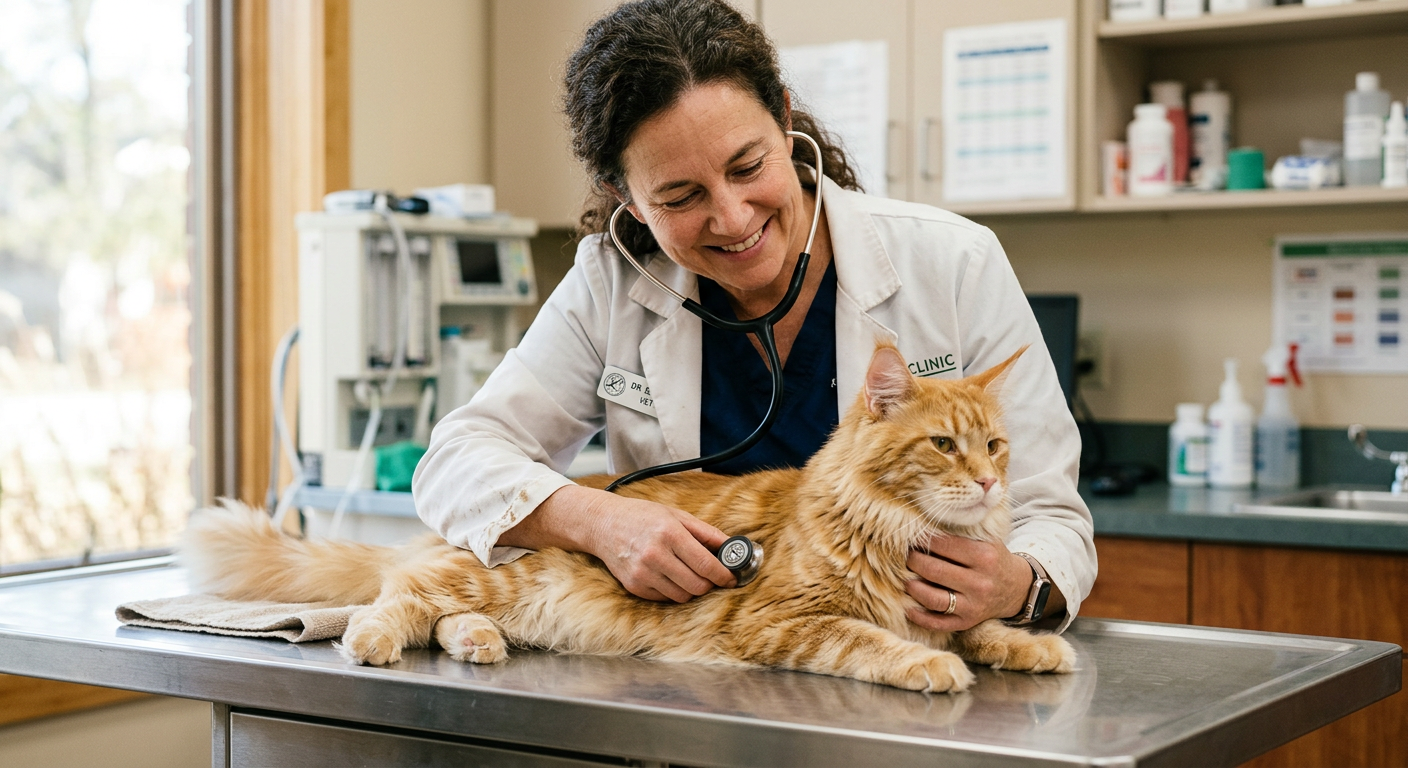
Your vet will likely start by listening to your cat's heart with a stethoscope to check for murmurs or irregular rhythms (arrhythmias). They may recommend blood work to check thyroid levels or an ultrasound of the heart, called an echocardiogram, to get a closer look at the heart's structure. These diagnostic tools are excellent for ensuring your cat's heart is functioning efficiently.
Maintaining a Heart-Healthy Environment
Supporting your cat's heart health starts at home with a balanced lifestyle. Maintaining a healthy weight is one of the most effective ways to reduce the workload on your cat's heart. Overweight cats often have higher resting heart rates because their cardiovascular system has to work harder to support their body mass.
Providing a low-stress environment is also key. Vertical spaces like cat trees, quiet hiding spots, and consistent daily routines help keep their nervous system calm. Regular, gentle play sessions provide the necessary exercise to keep the heart muscle strong without overexerting them.
Monitoring for other physical symptoms is also helpful. For example, if you notice your cat has crusty eyes along with a fast pulse, it could point toward a mild infection that is taxing their system. Learning how to read visible body signs will help you become a more intuitive caregiver.
Conclusion
Seeing a cat heart beating very fast while resting can be a moment of concern, but in many cases, it is a normal response to dreams, minor stress, or their naturally high metabolism. By knowing how to take a resting pulse and recognizing the difference between a dream-induced flutter and a persistent racing heart, you are already providing excellent care.
Always trust your instincts as a pet owner. If your cat's heart rate seems unusual or if they show other signs of being unwell, a quick trip to the veterinarian can provide peace of mind and ensure your feline friend stays purring for years to come.