Discovering that your cat making clicking sound when breathing can be a moment of genuine concern for any pet owner. While cats are known for their mysterious vocalizations, from chirrups to trills, sounds that occur rhythmically with their breath usually indicate something happening within the respiratory tract. Understanding the nuances of these sounds is the first step in providing the best care for your feline companion.
Respiratory health is a vital component of feline wellness. Because cats are masters at hiding discomfort, auditory cues like clicking or snapping sounds often serve as early indicators that their airway needs a little extra attention. By observing the context and frequency of these sounds, you can better prepare for a productive conversation with your veterinarian.
Normal Purring vs Respiratory Clicking
Before diving into clinical possibilities, it is helpful to distinguish between a "happy" click and a breath-related sound. Some cats produce a clicking or popping noise as part of an intense purr. This is often related to the rapid vibration of the laryngeal muscles and is usually accompanied by kneading or squinting eyes.
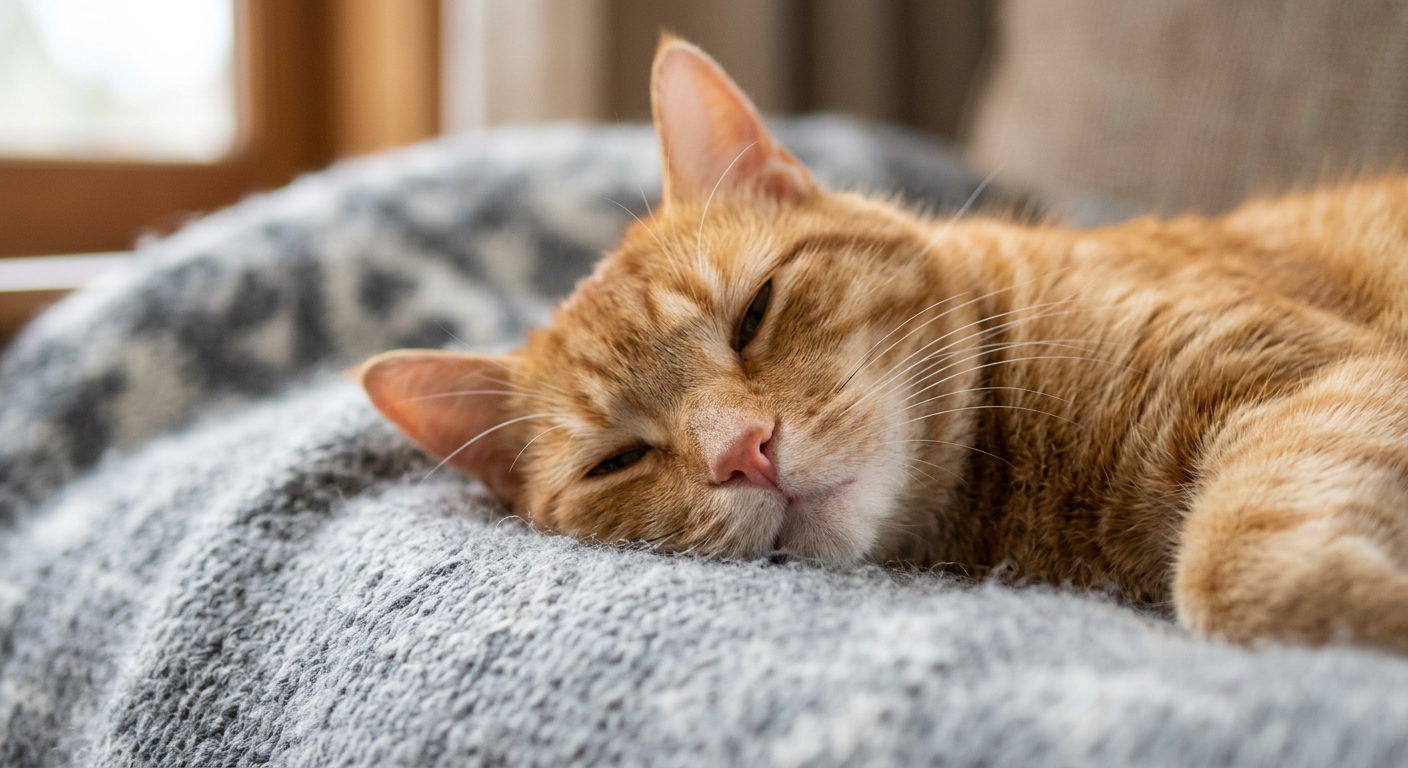
However, when a cat making clicking sound when breathing does so while resting or sleeping, it is less likely to be a behavioral expression. If the sound happens consistently with every inhale or exhale, it suggests a physical obstruction or fluid movement rather than an emotional response. You can learn more about interpreting feline gestures in our guide on reading visible body signs in cats.
Common Causes of Upper Airway Clicking
The upper respiratory tract includes the nose, mouth, and throat. When air moves through these passages, any narrowing or moisture can create a repetitive clicking noise. This is often compared to the sound of "Rice Krispies" popping or a soft snapping sound every time the cat draws a breath.
Feline Congestion and Catarrh
Just like humans, cats can suffer from nasal congestion. When mucus builds up in the nasal passages, air forced through the fluid creates tiny bubbles that pop, resulting in a clicking sound. This is frequently seen in cats with a history of feline herpesvirus or calicivirus.
Brachycephalic Airway Syndrome
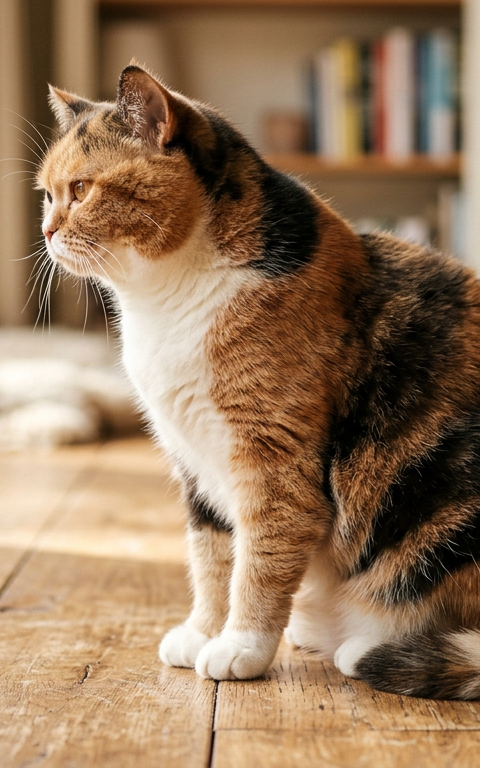
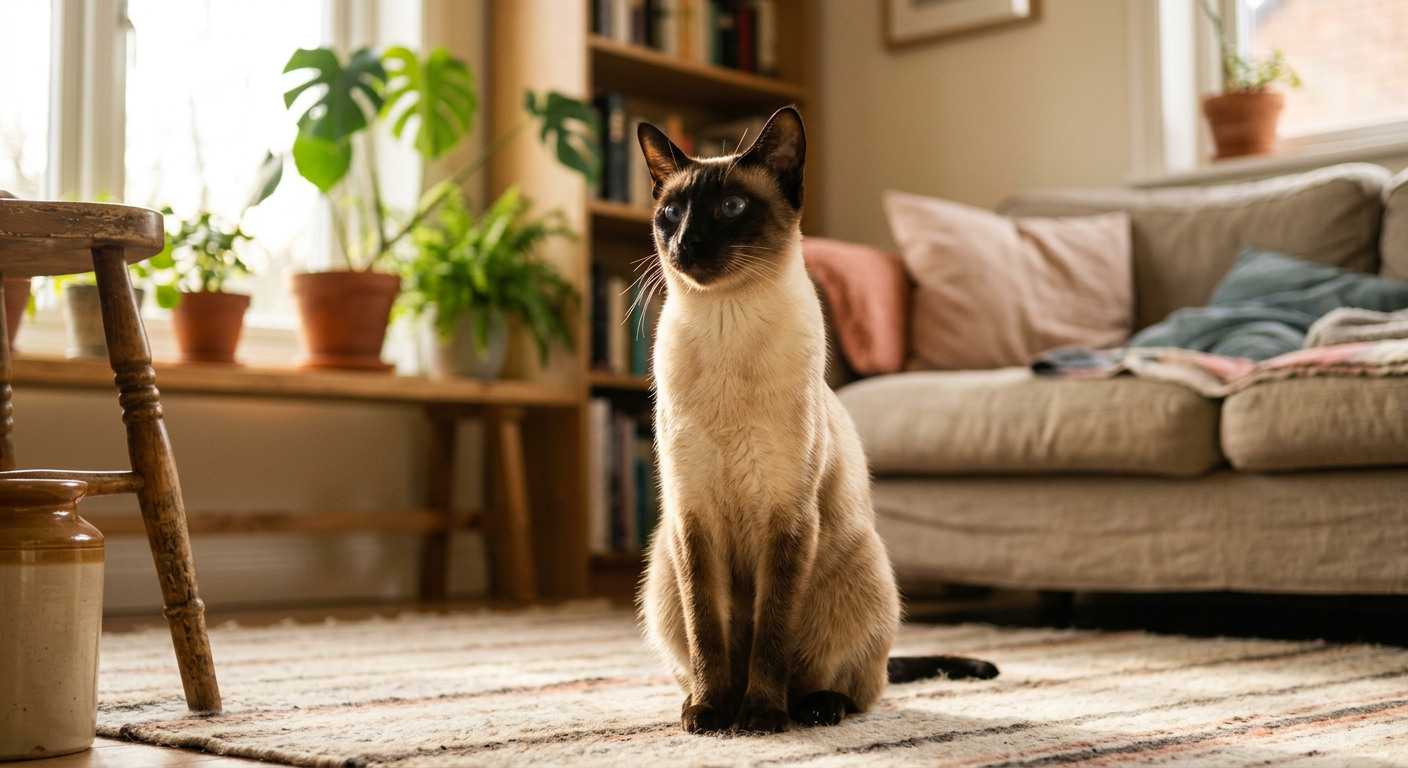
Certain breeds with flattened faces, such as the British Shorthair or Persians, have narrower nasal passages. Their unique anatomy can lead to more audible breathing. If you are curious about how these physical traits impact their development, check out our British Shorthair age calculator to see how they mature over time.
Lower Respiratory Considerations
If the sound seems to be coming from deeper within the chest, it may involve the lungs or the bronchial tubes. Clicking sounds coming from the chest are sometimes referred to by veterinarians as "crackles." This can happen when small airways that have been closed by fluid or inflammation suddenly pop open during inhalation.
Feline asthma is a common condition where the airways become inflamed and constricted. While coughing is the most frequent sign, some owners report hearing faint clicking or wheezing sounds during a flare-up. Proactive management of environmental triggers, like dust or strong perfumes, can significantly improve a cat's breathing quality.
When Clicking Becomes a Concern
While a faint, occasional click might just be a bit of dry throat, certain accompanying symptoms require a prompt veterinary visit. It is important to watch how your cat is physically moving while they breathe. Effortless breathing should involve very little movement of the chest walls and no movement of the abdomen.
- Open-mouth breathing: This is always a sign that a cat needs immediate help. For more on this, read about cat breathing with mouth open not panting.
- Increased respiratory rate: Count the breaths while your cat is sleeping; more than 30 breaths per minute may indicate a health issue.
- Lethargy: If the clicking is paired with a lack of interest in play or food.
- Nasal discharge: Look for clear, yellow, or green fluid around the nostrils.
If your cat is also experiencing other symptoms, such as the eyes appearing unusual, you might want to look into why a cat third eyelid is showing all the time, as respiratory infections often affect the eyes simultaneously.
The Role of Environmental Irritants
Your cat's environment plays a massive role in their respiratory health. Particulate matter in the air can cause slight swelling in the nasal linings, leading to that characteristic clicking noise as they breathe. Common culprits include dusty clay cat litter, aerosol sprays, and even smoke from cooking or fireplaces.
Reducing these irritants can often resolve mild clicking sounds. Switching to a low-dust pellet litter and using an air purifier in the room where your cat spends the most time can make a noticeable difference. If the clicking persists despite these changes, an underlying medical cause is more likely.
What to Expect at the Veterinarian
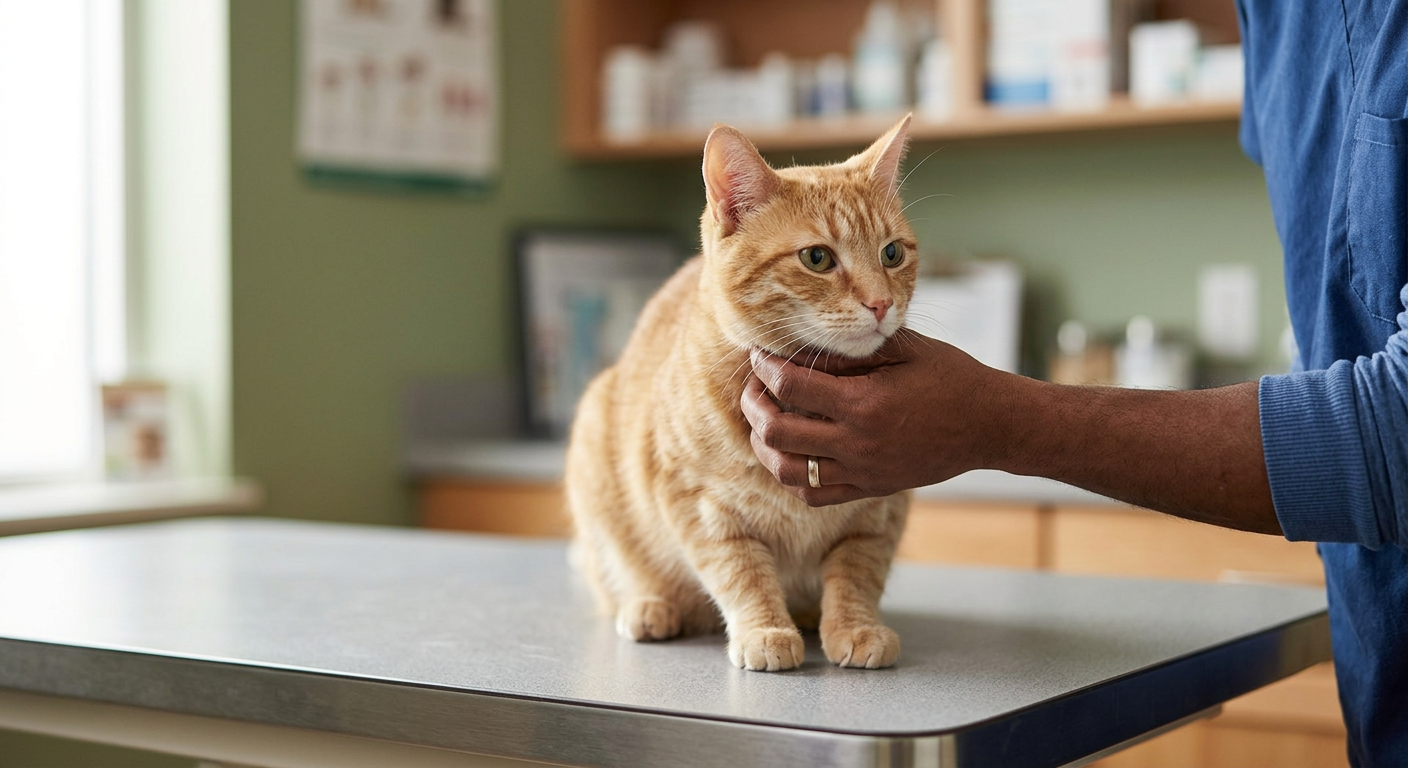
When you take your cat to the vet for a clicking sound, they will start with a physical examination and "auscultation," which means listening to the heart and lungs with a stethoscope. This helps them pinpoint exactly where the sound is originating—the nose, the throat, or the lungs.
In some cases, the vet may recommend diagnostic imaging like X-rays to get a better look at the chest and airway structures. They might also suggest a "rhinoscopy" if they suspect a nasal polyp or a foreign body, like a blade of grass, is stuck in the nasal passage. Providing a clear video of your cat making the sound can be incredibly helpful for the diagnostic process.
Promoting Long-Term Respiratory Health
Maintaining a healthy weight is one of the best ways to support your cat's breathing. Overweight cats have extra pressure on their chest walls and diaphragms, which can exacerbate any existing respiratory clicking. Keeping your cat active and fed a balanced diet ensures their lungs have plenty of room to expand fully.
Regular check-ups and staying current on vaccinations help prevent the viruses that lead to chronic congestion. By staying observant and acting on changes in your cat's breathing early, you ensure they remain comfortable and vibrant for years to come. If you notice other signs like sneezing, you can read our advice on cat sneezing repeatedly should I worry for further guidance.
Conclusion
A cat making clicking sound when breathing is often a sign of mild congestion or anatomical quirk, but it should never be ignored. By paying close attention to the timing of the sound and any other physical changes, you can provide your vet with the information they need to keep your cat healthy. Always prioritize a professional evaluation to ensure your feline friend is breathing easily and living their best life.