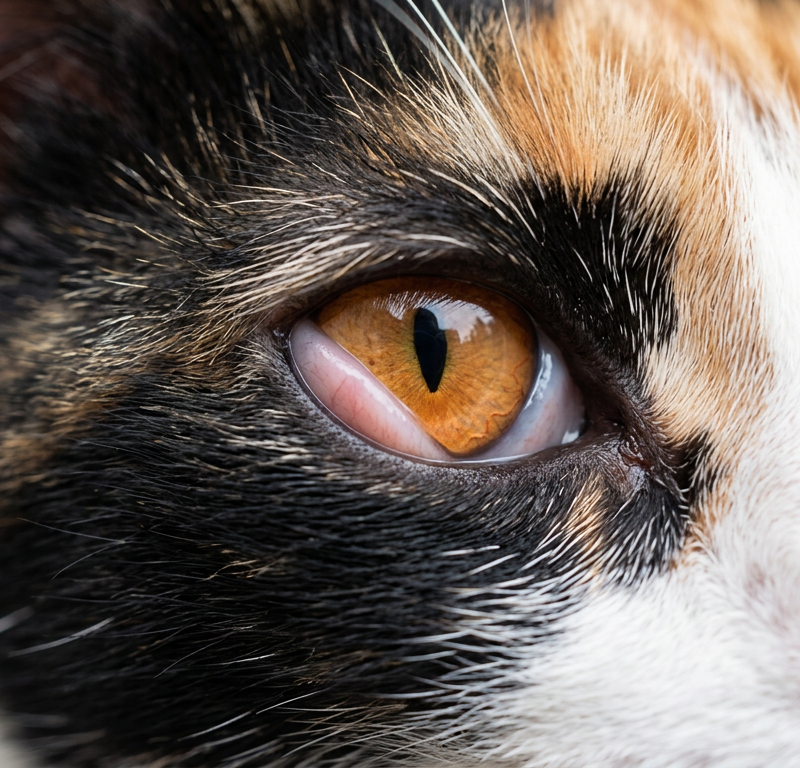
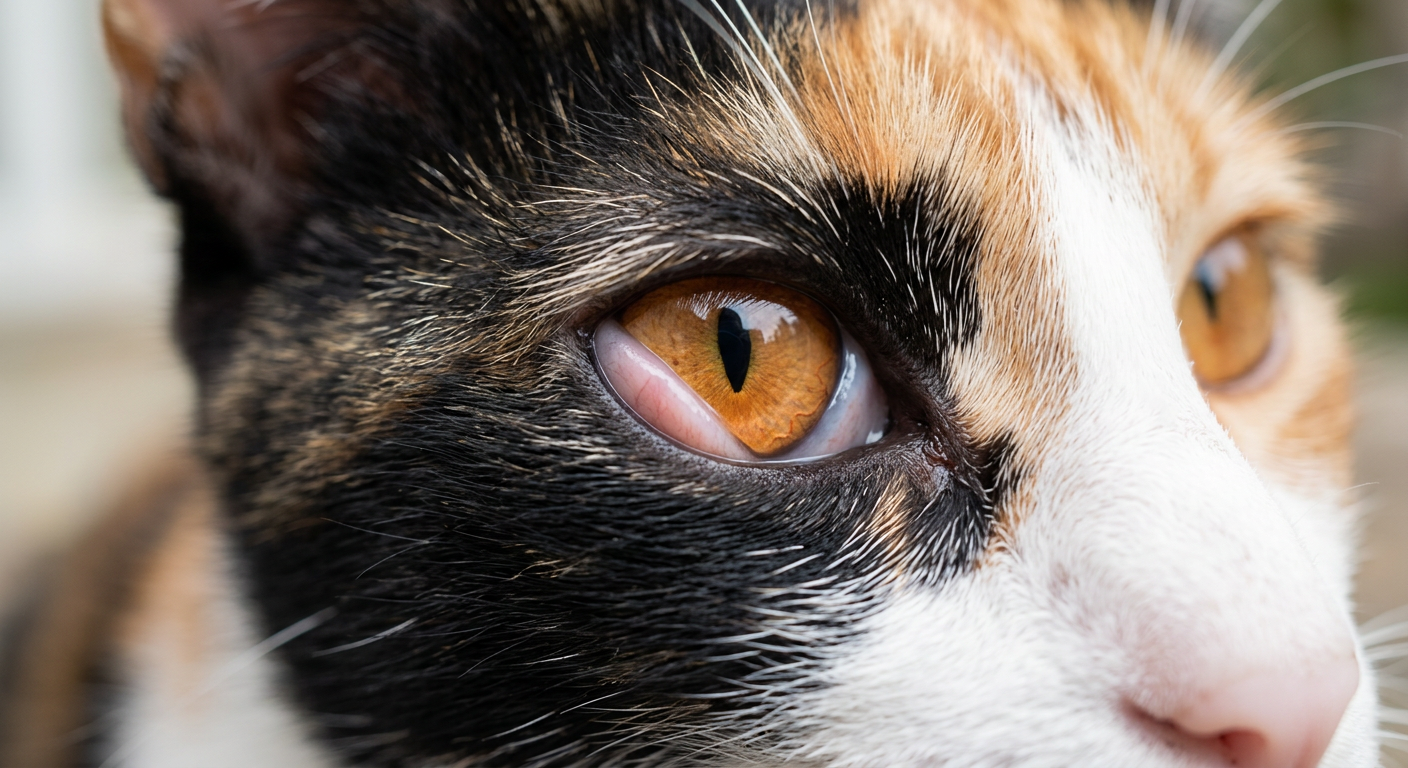
Finding that your feline friend has a mysterious white or pinkish film covering part of their eye can be a bit startling for any pet owner. This structure is known as the nictitating membrane, but most of us simply call it the third eyelid. While it is perfectly normal for this membrane to appear briefly when a cat is sleepy, a cat third eyelid showing all the time is usually a signal that something else is happening with their health.
Understanding why this membrane becomes visible is a key part of proactive pet care. Cats are masters at hiding discomfort, so their eyes often act as a window into their overall well-being. By paying attention to these subtle physical cues, you can ensure your cat receives the support they need before a minor issue becomes a larger wellness consideration.
In this guide, we will explore the common reasons for a visible nictitating membrane, how to identify accompanying symptoms, and when it is time to schedule a visit with your veterinarian. Being informed helps you stay calm and provide the best environment for your cat's recovery and long-term health.
What Exactly Is the Third Eyelid
The third eyelid is a specialized piece of feline anatomy located in the inner corner of the eye. Unlike the upper and lower lids, it moves horizontally across the eye. Its primary jobs are to protect the cornea from scratches, clear away debris, and distribute moisture across the ocular surface. It even houses a gland that produces a significant portion of the cat's tears.
Under normal circumstances, you might see this membrane peek out when your cat is incredibly relaxed or just waking up from a deep nap. However, if you notice the third eyelid is visible during active hours, it suggests the eyeball has retracted slightly into the socket or that the membrane itself is inflamed. This retracting action is often a passive response to various internal or external stressors.
Common Reasons for a Visible Nictitating Membrane
When you see your cat's inner eyelid staying out, it is rarely a disease of the eyelid itself. Instead, it is typically a symptom of an underlying condition. Identifying the cause requires looking at the cat's whole body and behavior. Many "wellness considerations" can lead to this physical change.
Dehydration and Weight Loss
One of the most frequent reasons for a sunken appearance of the eyes is dehydration. When a cat loses fluid, the fatty tissue behind the eye can shrink slightly, allowing the eye to settle deeper into the bone. This mechanical shift causes the third eyelid to slide forward across the cornea. This is often seen in cats with digestive issues or chronic conditions like kidney disease.
Haw’s Syndrome
Haw’s Syndrome is a specific condition where both third eyelids become prominent without any obvious injury to the eye itself. Interestingly, this is frequently linked to gastrointestinal upset or the presence of intestinal parasites. While it looks unusual, cats with Haw’s Syndrome often feel fine otherwise, though they may have occasional bouts of diarrhea. For more on observing your cat's physical cues, you might find our guide on reading visible body signs in cats helpful.
Eye Infections and Injuries
If only one eye is affected, the cause is likely localized. A scratch on the cornea (ulcer), a foreign object like a grass seed, or a bacterial infection can cause pain. In response to pain, the cat pulls the eye back for protection, which pushes the membrane out. You might also see redness, swelling, or clear-to-cloudy discharge.
Recognizing Secondary Symptoms
A visible third eyelid rarely appears in total isolation. To help your veterinarian make an accurate diagnosis, you should keep a close eye on your cat’s routine and look for these additional signs:
- Changes in appetite or water consumption
- Lethargy or hiding more than usual
- Discharge from the eyes or nose
- Frequent sneezing or coughing
- Pawing at the face or rubbing the eyes against furniture
- Changes in litter box habits, such as diarrhea
If you notice respiratory symptoms alongside eye changes, it could indicate a common feline upper respiratory infection. You can read more about similar symptoms in our article on a cat sneezing repeatedly to see if the patterns match your pet's behavior.
Neurological Factors
In some cases, the nerves that control the muscles around the eye can be affected. Horner’s Syndrome is a neurological condition that causes a drooping upper eyelid, a constricted pupil, and a prominent third eyelid. This often results from an inner ear infection or trauma to the neck area. While it sounds complex, many cats recover well once the primary cause—like the ear infection—is treated.
Diagnostic Steps at the Vet
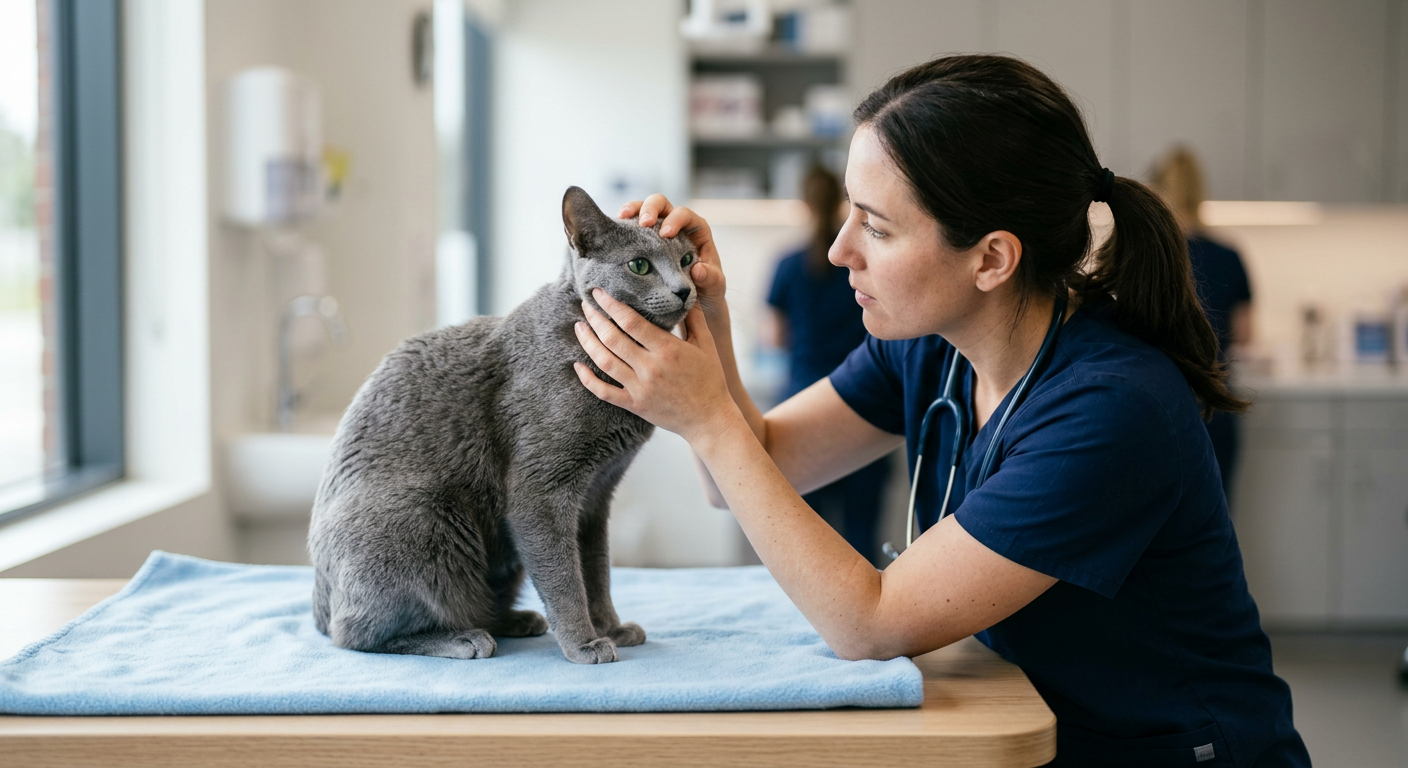
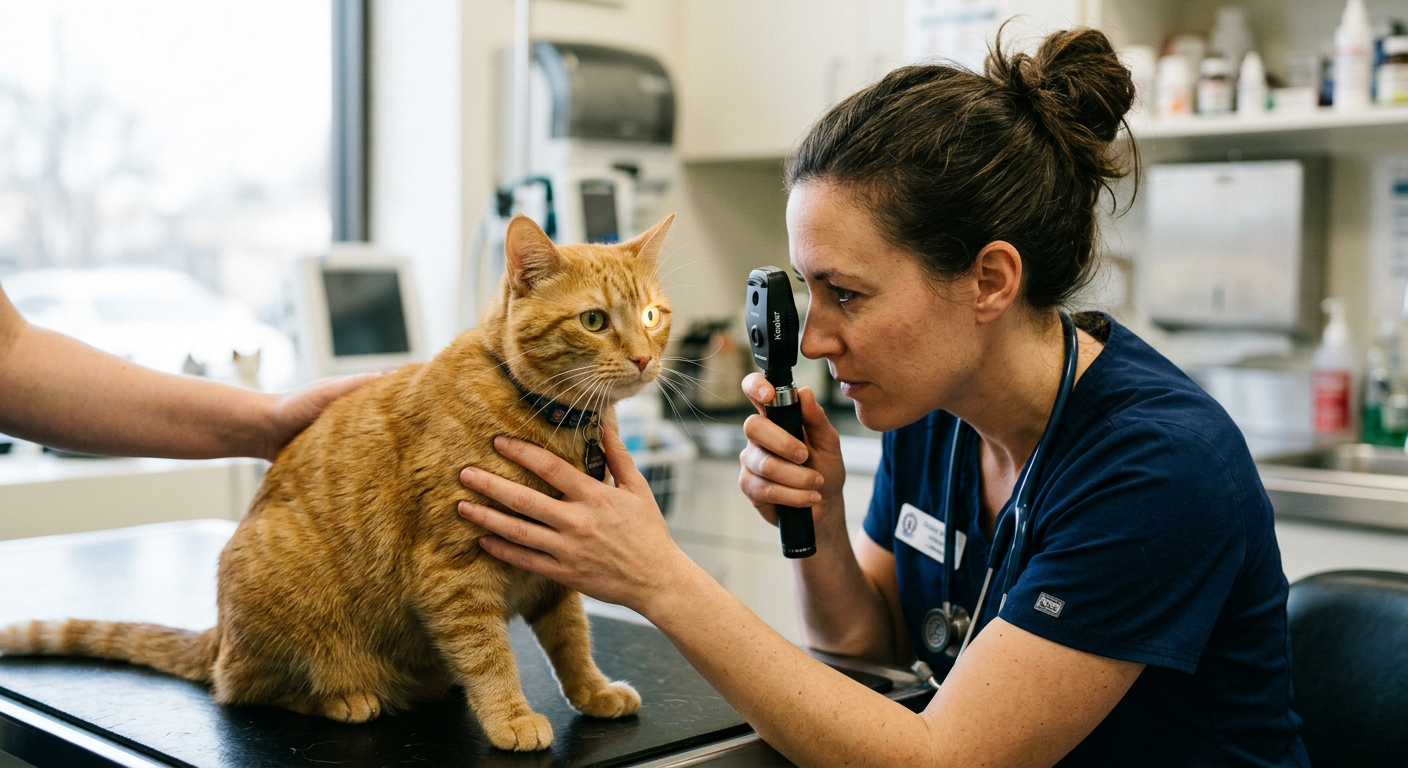
Because the causes for a cat third eyelid showing all the time range from mild tummy upsets to more localized eye injuries, a veterinary exam is essential. Your vet will likely perform a thorough physical assessment to determine the root cause. They may use a special fluorescent stain to check for corneal scratches that are invisible to the naked eye.
They might also recommend blood work or a fecal exam, especially if they suspect dehydration or parasites. If your cat is a specific breed, like a Russian Blue or a British Shorthair, your vet will take their age and breed history into account during the wellness check.
Proactive Care and Home Observations
While you wait for a veterinary appointment, focus on keeping your cat comfortable. Ensure they have easy access to fresh water to support hydration. Observe if they are eating well and if their energy levels remain consistent. Avoid using over-the-counter human eye drops, as these can contain ingredients that are harmful to feline eyes.
Keep the area around the eyes clean by gently wiping any discharge away with a soft, damp cloth. Always use a fresh section of the cloth for each eye to prevent spreading any potential infection between them. Taking a clear photo of the eyes when the membrane is most visible can also be an excellent tool to show your vet during the consultation.
Conclusion
Seeing a cat third eyelid showing all the time can be a helpful early warning sign from your pet’s body. Whether it is a sign of mild dehydration, a reaction to a scratch, or a digestive hiccup, the nictitating membrane is essentially acting as a protective barrier. By staying observant and working closely with your veterinarian, you can ensure your cat continues to have clear, healthy eyes and a happy life.