Waking up to a snuggly feline is one of the best parts of being a cat parent. However, you might occasionally notice that your furry friend has a bit of "sleep" or discharge gathered in the corners of their peepers. If you find yourself wondering why does my cat have crusty eyes every morning, you are certainly not alone. While a small amount of clear or dried discharge can be normal, consistent buildup often points toward specific wellness considerations.
Understanding your cat's ocular health is a key part of proactive care. Because cats are masters at masking discomfort, their eyes often serve as a window into their overall immune system. By learning to distinguish between normal "eye gunk" and signs that require a veterinary consultation, you can ensure your companion stays comfortable and clear-eyed.
Is Morning Eye Crust Always a Concern
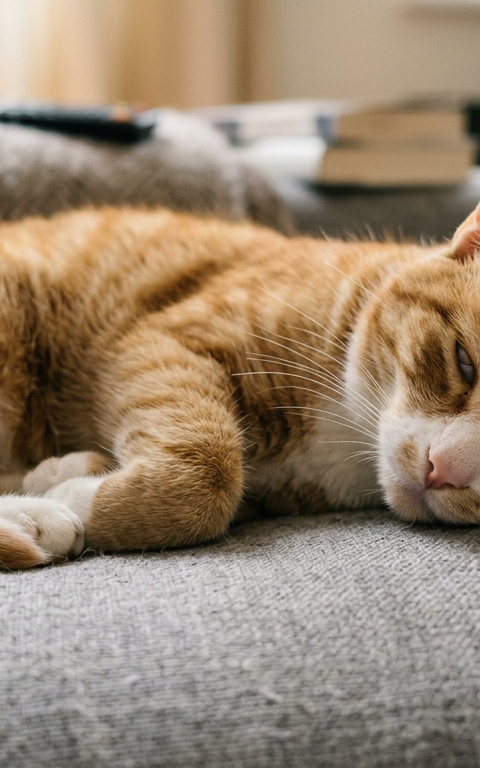
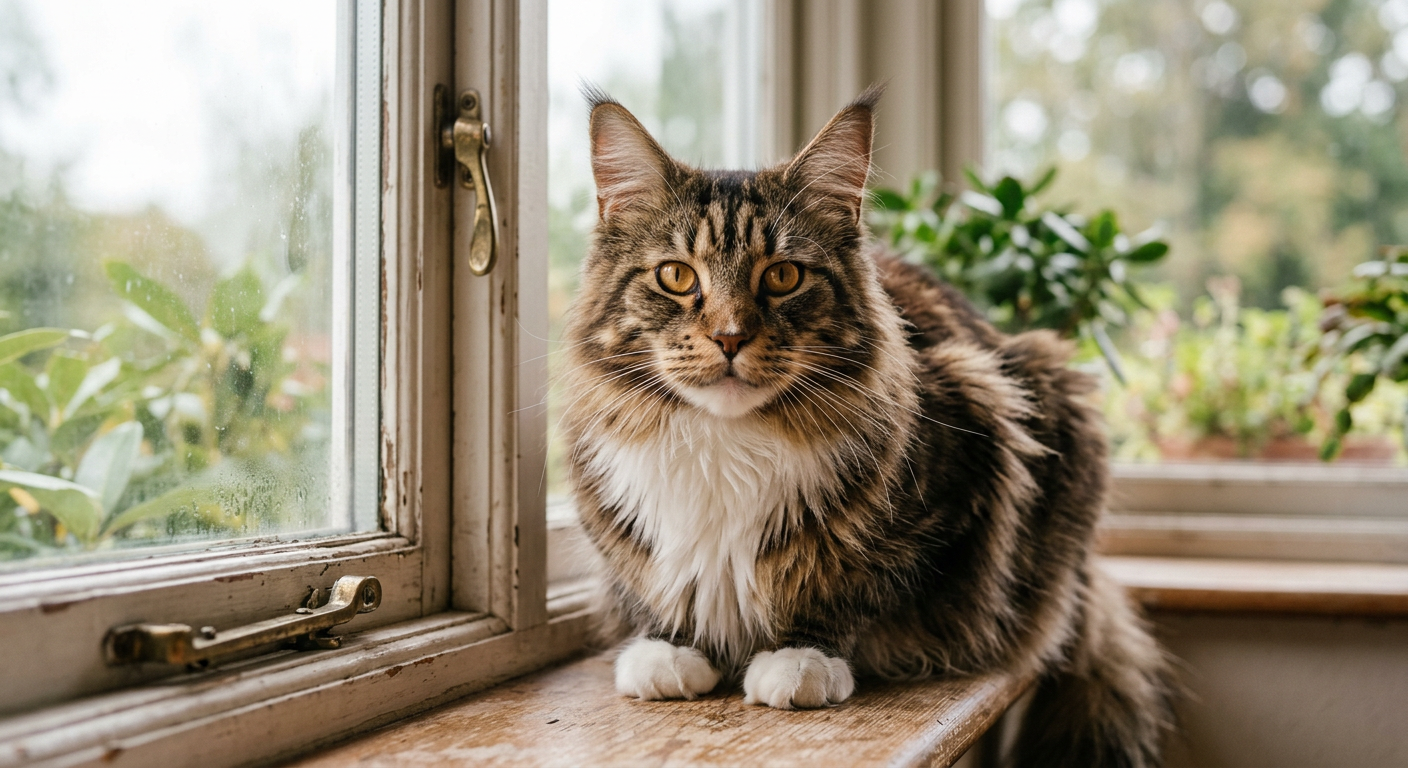
Just like humans, cats produce tears to lubricate their eyes and clear out dust or debris. During the night, as your cat sleeps and blinks less frequently, these fluids can collect and dry out at the inner corners. If the discharge is clear or slightly brownish when dry, and the skin underneath looks healthy, it is usually just a natural part of their self-cleaning process.
However, if the crustiness is accompanied by redness, swelling, or a change in color, it may indicate an underlying issue. A cat who wakes up with their eyelids stuck together or who is squinting frequently needs a bit more attention. Keeping an eye on these subtle shifts helps you catch minor irritations before they become more significant problems.
The Role of Face Shape
Some cats are more prone to morning buildup due to their anatomy. Brachycephalic breeds, such as Persians or Himalayans, have flatter faces and shorter tear ducts. This structure can lead to "epiphora," or excessive tearing, which naturally dries into crusts overnight. If you own a flat-faced breed, daily cleaning is often a standard part of their grooming routine.
Common Reasons for Persistent Eye Discharge
When asking why does my cat have crusty eyes every morning, it is helpful to look at environmental and biological factors. Several common conditions can cause an increase in fluid production, leading to that distinctive morning buildup. Identifying these early allows for faster relief for your pet.
- Upper Respiratory Infections (URIs): Much like a human cold, these infections are very common in cats, especially those from shelters. They often cause sneezing and congested eyes.
- Allergies: Cats can be sensitive to dust, pollen, or strong fragrances in the home. Allergic reactions often manifest as watery, itchy eyes that crust over as the cat sleeps.
- Conjunctivitis: This is an inflammation of the lining of the eye. It can be caused by bacteria, viruses, or even a simple scratch from a play session.
- Corneal Ulcers: If a cat has an injury to the surface of the eye, the body produces extra fluid to protect the area. This is a wellness consideration that requires prompt professional care.
For more information on how cats express discomfort through their appearance, you might find our guide on reading visible body signs in cats helpful. Observing their posture alongside eye symptoms provides a fuller picture of their health.
Environmental Triggers in the Home
Sometimes the answer to why a cat has crusty eyes lies in their immediate surroundings. Cats spend a lot of time close to the floor where dust and allergens settle. If you have recently changed your laundry detergent, started using a new floor cleaner, or have an older HVAC system, your cat's eyes might be reacting to airborne particles.
Low humidity during the winter months can also dry out the ocular surface, prompting the tear glands to overcompensate. Using a humidifier can sometimes provide relief for cats experiencing seasonal dryness. Additionally, ensure that your cat's bedding is washed frequently with pet-safe, unscented detergents to minimize irritation.
The Impact of Litter Dust
Clay-based litters can be quite dusty. When your cat digs, fine particles can float up and irritate their eyes. If you notice the crustiness is worse on days you change the litter, consider switching to a low-dust or crystal-based alternative. This simple change can significantly reduce nighttime irritation and morning buildup.
Viral Factors and Long Term Management
In many cases, recurring eye issues are linked to feline herpesvirus (FHV-1). This is a very common virus in the feline population that can lay dormant and flare up during times of stress. When active, it often causes clear or greenish discharge and sneezing. While it is a long-term condition, it can be managed effectively with the help of your veterinarian.
Managing stress is a huge component of keeping viral flares at bay. Providing vertical space, consistent routines, and plenty of enrichment can keep your cat's immune system strong. If you notice other respiratory symptoms, you may want to read about a cat sneezing repeatedly to see if a vet visit is necessary.
How to Safely Clean Your Cat's Eyes
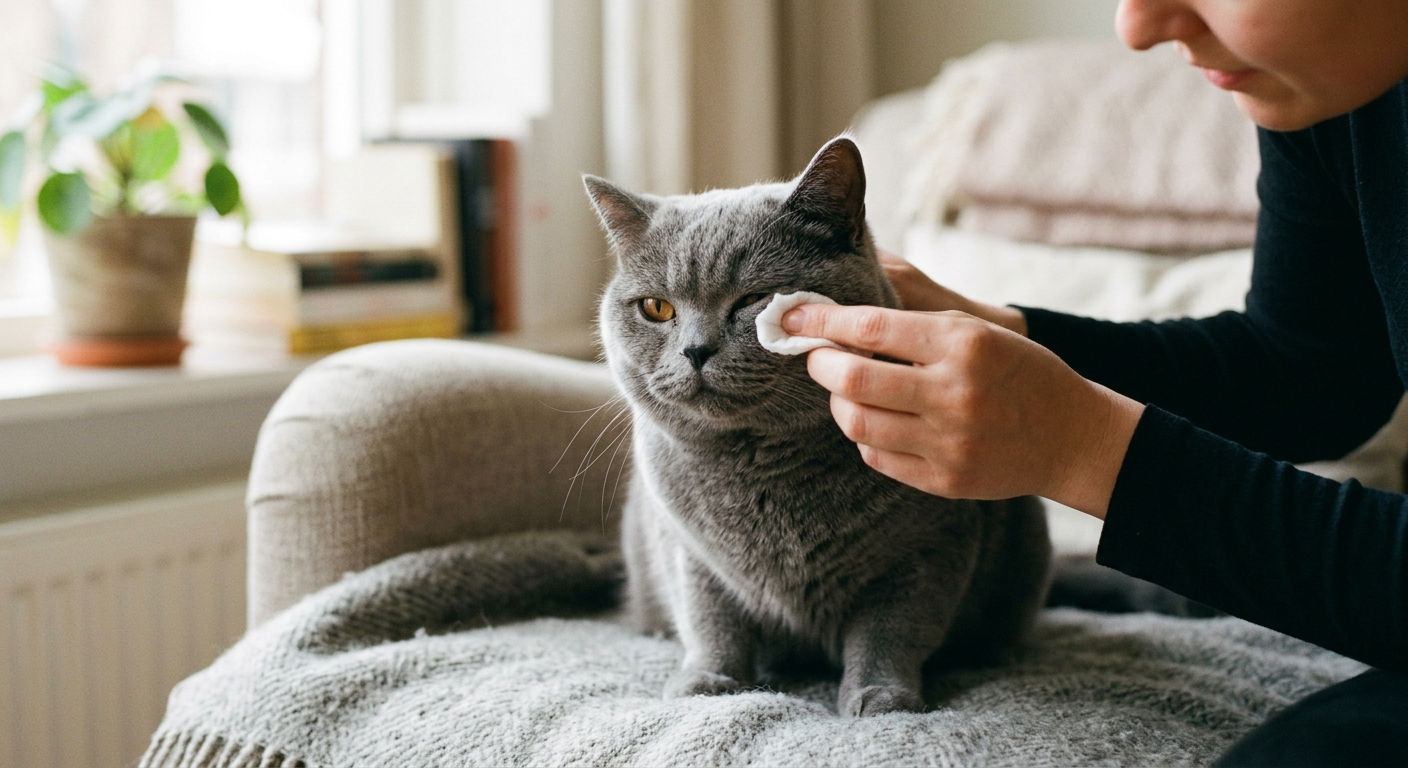
If your cat wakes up with crusty eyes, you can help them feel better by gently cleaning the area. Never use medicated drops intended for humans, as these can be harmful to feline eyes. Instead, follow these steps for a safe cleaning experience:
- Wash your hands thoroughly before touching the eye area.
- Soak a clean cotton ball or soft cloth in lukewarm water.
- Gently press the warm cloth against the crusty area for a few seconds to soften the debris.
- Wipe outward, away from the nose, using a fresh section of the cloth for each eye to avoid spreading potential bacteria.
- Give your cat a treat afterward to create a positive association with the grooming process.
If the discharge is very thick or the eye appears stuck shut, do not force it open. Continue to use warm compresses to slowly soften the crust. If the issue persists for more than a day or two, it is time to schedule a wellness check with your veterinarian.
When to See a Veterinarian
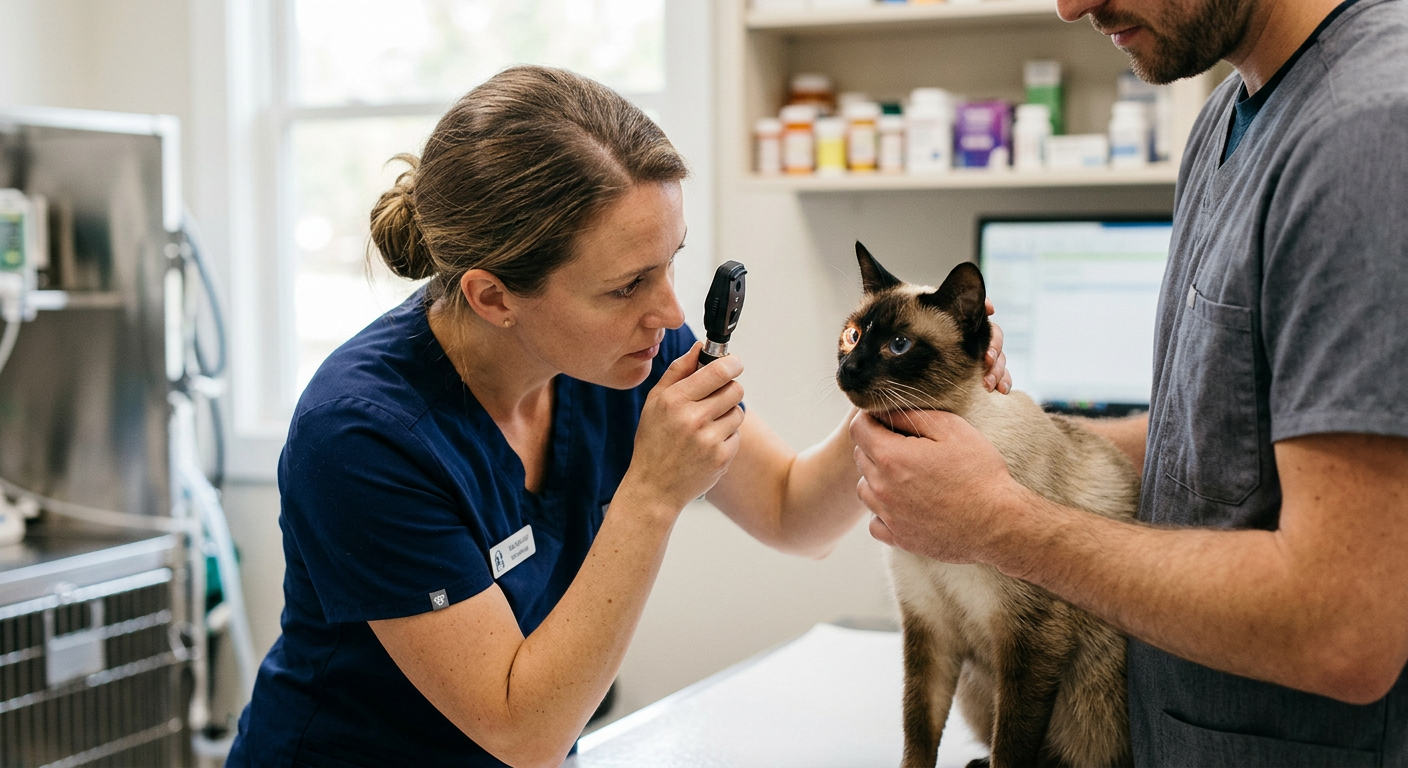
While occasional morning "sleep" is normal, certain red flags indicate that a cat's crusty eyes every morning require professional diagnosis. A veterinarian can use specialized stains to check for scratches on the cornea or take swabs to identify bacterial infections. Early intervention is always the best path to a comfortable recovery.
Consult your vet if you notice any of the following:
- Yellow, green, or thick white discharge.
- The eye looks cloudy or has a visible film over it.
- Your cat is pawing at their face or rubbing their eyes against furniture.
- Third eyelids are visible during the day (see our article on the cat third eyelid showing all the time for more details).
- Changes in the shape or size of the pupil.
Proactive care ensures that your cat stays happy and healthy. By paying attention to why does my cat have crusty eyes every morning, you are taking an active role in their well-being and ensuring their vision remains sharp for years to come.