It is a common scene for many pet parents: you fill the bowl with your cat’s favorite kibble or wet food, only to find they walk away leaving half the meal behind. If you have noticed your cat not finishing food bowl anymore, it can feel a bit confusing. Cats are often creatures of habit, so any shift in their dining routine naturally draws our attention.
While a change in appetite can sometimes be a mystery, it is often tied to simple environmental factors, sensory preferences, or age-related shifts. Understanding why your feline friend is leaving leftovers helps you ensure they stay happy and healthy. By observing their behavior and the environment around their feeding station, you can often find a quick solution to get them back on track.
Understanding Whisker Fatigue and Bowl Depth
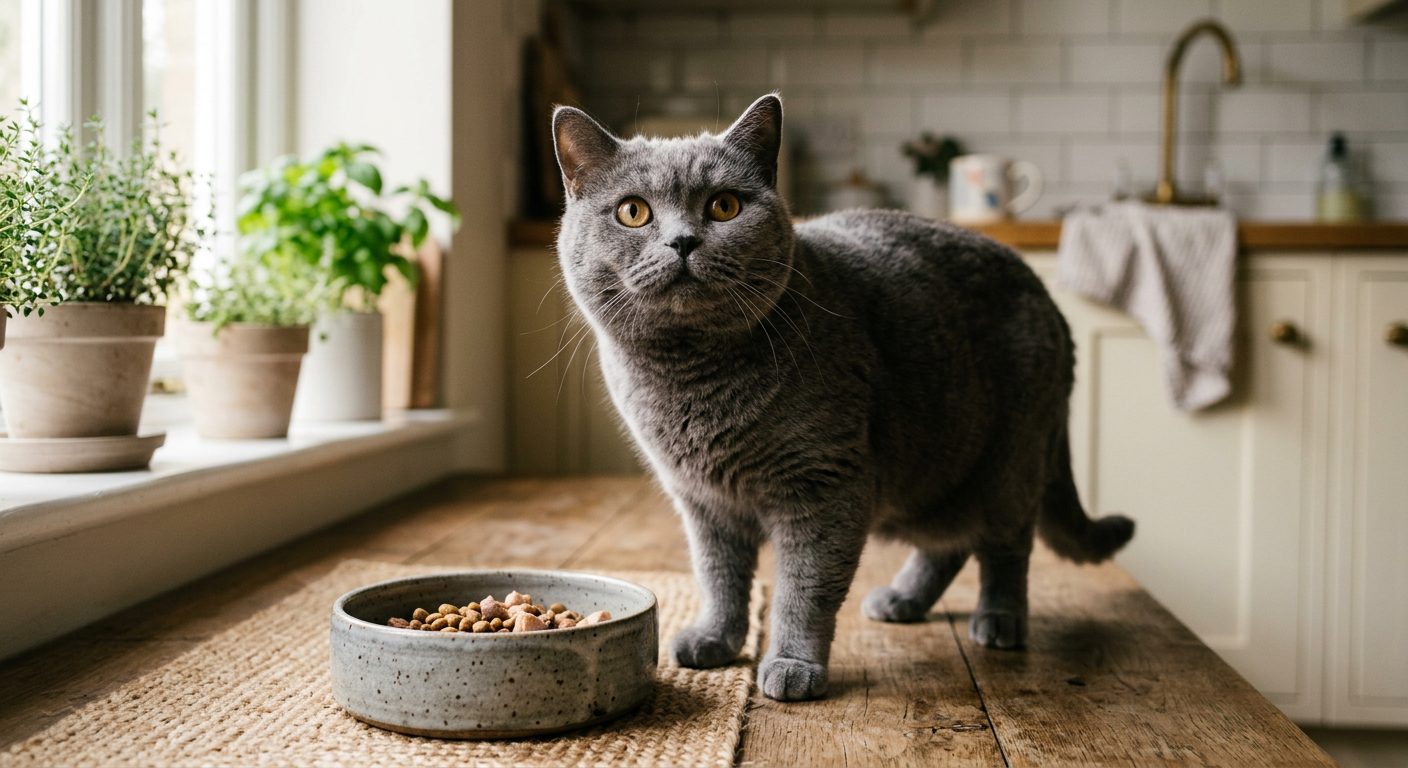
One of the most overlooked reasons for a cat leaving food behind is a physical phenomenon known as whisker fatigue. A cat's whiskers are incredibly sensitive sensory organs packed with nerve endings. When a food bowl is too deep or narrow, their whiskers constantly brush against the sides while they eat.
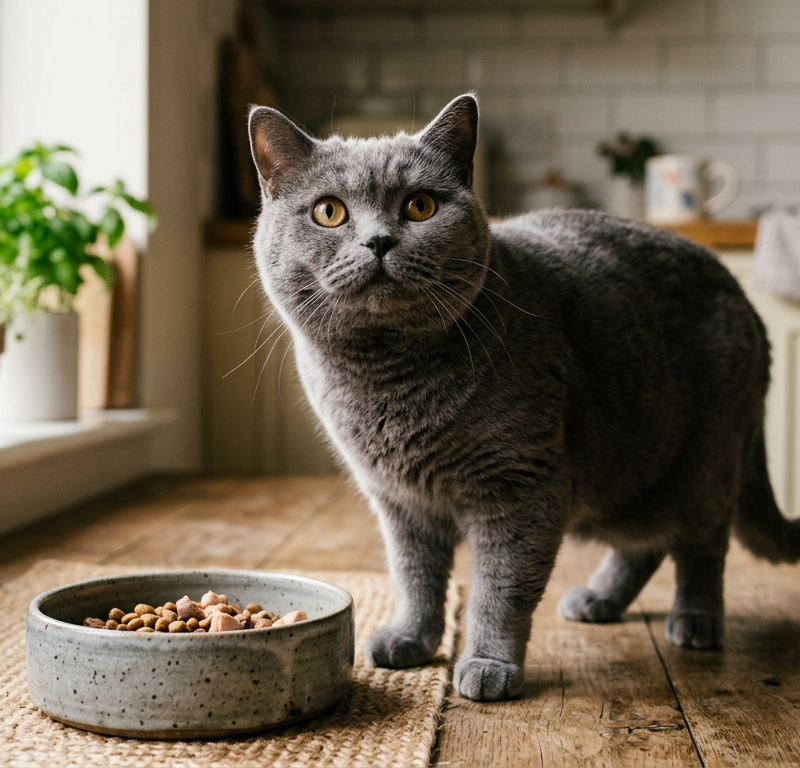
This repetitive overstimulation can be stressful or even painful for some cats. If your cat only eats the center of the pile and leaves the bits touched by the edges, they might be trying to avoid that sensory overload. Switching to a wide, shallow dish or a flat plate can often resolve this issue immediately.
The Impact of Bowl Material
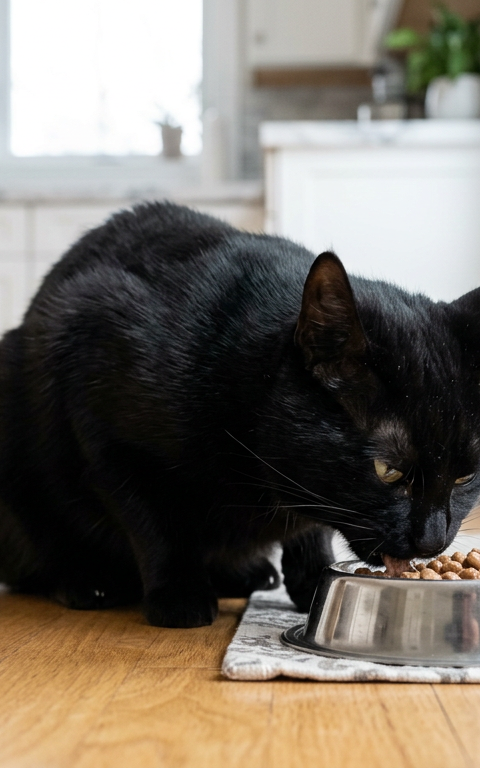
The material of the bowl also plays a role in your cat's dining experience. Plastic bowls can develop tiny scratches over time that harbor bacteria or retain old food odors that humans can't smell. Since cats have a highly developed sense of smell, a "stinky" bowl might deter them from finishing their meal.
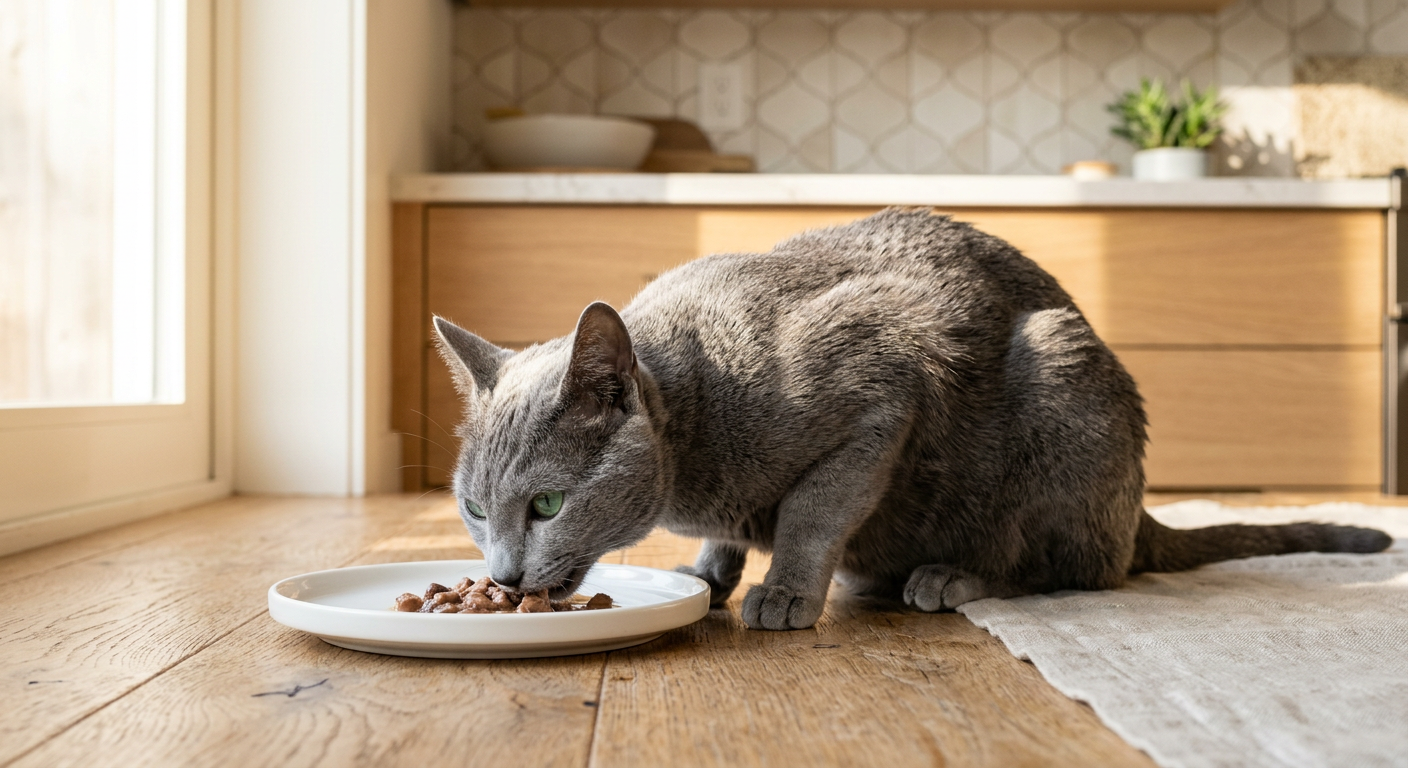
Stainless steel, ceramic, or glass bowls are generally preferred as they are easier to sanitize. If you are noticing a decline in appetite, try a fresh, deep-cleaned ceramic plate to see if their interest returns. You can learn more about unique feline behaviors in our guide on decoding cat eating quirks and food preferences.
Environmental Factors and Feeding Location
Cats are instinctually "mesopredators," meaning they are both hunters and potential prey. This makes them very sensitive to where they eat. If the food bowl is placed in a high-traffic area or a corner where they feel backed in, they may lack the confidence to stay and finish the entire meal.
Check if the feeding area is near a loud appliance, a drafty door, or the litter box. Cats prefer to eat in quiet, secure locations where they have a clear line of sight to the rest of the room. If they feel vulnerable, they may take a few bites and retreat to a "safer" spot.
Multi-Pet Household Dynamics
In homes with multiple animals, "food competition" is a real factor. Even if there isn't active fighting, a more dominant cat or a curious dog standing nearby can create enough pressure to make a cat leave their bowl prematurely. This is often referred to as "passive guarding."
- Provide separate feeding stations in different rooms.
- Use elevated surfaces for cats who prefer to eat away from the dog.
- Ensure there is more than one exit route from the feeding area so the cat doesn't feel trapped.
Changes in Food Freshness and Texture
Sometimes the reason for a cat not finishing food bowl anymore is as simple as the food itself. Wet food begins to dry out and lose its appealing aroma within 20 to 30 minutes of being plated. If your cat is a "grazer" rather than a "gorger," they might find the texture unappealing after it has sat out for a while.
Kibble also has a shelf life. Once a bag is opened, the fats in the food begin to oxidize. If the bag isn't sealed properly, the food can go stale or lose its flavor. Cats are very sensitive to these changes in freshness and may snub the bottom of the bag or food that has been sitting in the bowl too long.
The Gravy Preference
Does your cat lick all the liquid and leave the chunks? This is a very common behavior that leads to unfinished bowls. The moisture and fat content in the gravy are often the most palatable parts. For tips on managing this specific habit, check out our article on why your cat might only eat the gravy.
Age and Metabolic Shifts
As cats age, their caloric needs and activity levels change. A British Shorthair in its senior years will naturally require less fuel than a frisky kitten. If your cat is slowing down, they simply might not be as hungry as they once were.
However, aging can also bring about dental sensitivities. If it hurts to chew hard kibble, a cat may stop eating once the initial hunger pangs are gone. Consistently leaving hard food behind while accepting soft treats could indicate it is time for a dental check-up with your veterinarian.
When to Consult Your Veterinarian
While many reasons for leaving food behind are behavioral or environmental, a persistent change in eating habits should always be monitored. If your cat suddenly stops finishing their meals and also shows signs of lethargy, weight loss, or changes in grooming, it is important to seek professional advice.
A veterinarian can rule out proactive wellness considerations such as kidney function, thyroid levels, or digestive sensitivities. Early detection of any underlying shift in health is the best way to keep your cat thriving for years to come.
Monitoring Intake Patterns
To help your vet, keep a simple log for a few days. Note how much is left, the time of day, and if there are any other strange behaviors, such as eating non-food items like litter or nibbling on plastic. This data is invaluable for a diagnostic appointment.
Tips to Encourage Better Eating Habits
If you have ruled out health concerns, there are several gentle ways to encourage your cat to finish their dinner. Small adjustments to your daily routine can make the food bowl much more inviting.
- Serve Smaller, Frequent Meals: Instead of two large meals, try three or four smaller portions to ensure the food is always fresh.
- Warm the Food: Slightly warming wet food (just to body temperature) can enhance the aroma and make it more appealing to picky eaters.
- Interactive Feeders: Some cats find standard bowls boring. Using a puzzle feeder can turn mealtime into a rewarding "hunt."
- Stay Consistent: Cats thrive on routine. Try to feed them at the same time and in the same place every day.
It is perfectly normal for a cat's appetite to fluctuate slightly with the seasons or their activity level. By staying observant and making small tweaks to their environment, you can help ensure your "cat not finishing food bowl anymore" becomes a thing of the past. Your proactive care ensures they remain the happy, healthy companion you love.