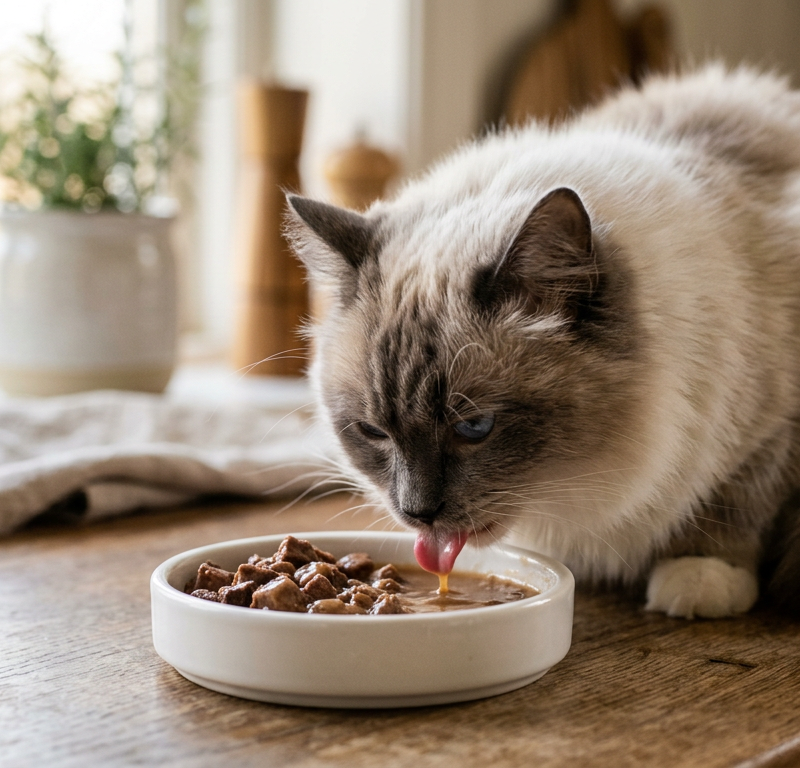
It is a scene many cat owners know well. You open a fresh can of premium wet food, plate it up, and watch as your feline friend rushes over with excitement. Five minutes later, you return to find a bowl filled with dried-out meat chunks while every drop of the liquid has been licked clean. If you have ever wondered, why does my cat only eat the gravy of wet food, you are certainly not alone in this feline culinary mystery.
Cats are notoriously selective about their dining habits. This behavior, while sometimes frustrating for the human providing the meals, is often rooted in natural instincts, physical comfort, or simple preference. Understanding the "why" behind this behavior can help you ensure your cat gets the balanced nutrition they need to stay healthy and happy.
The Sensory Experience of Gravy
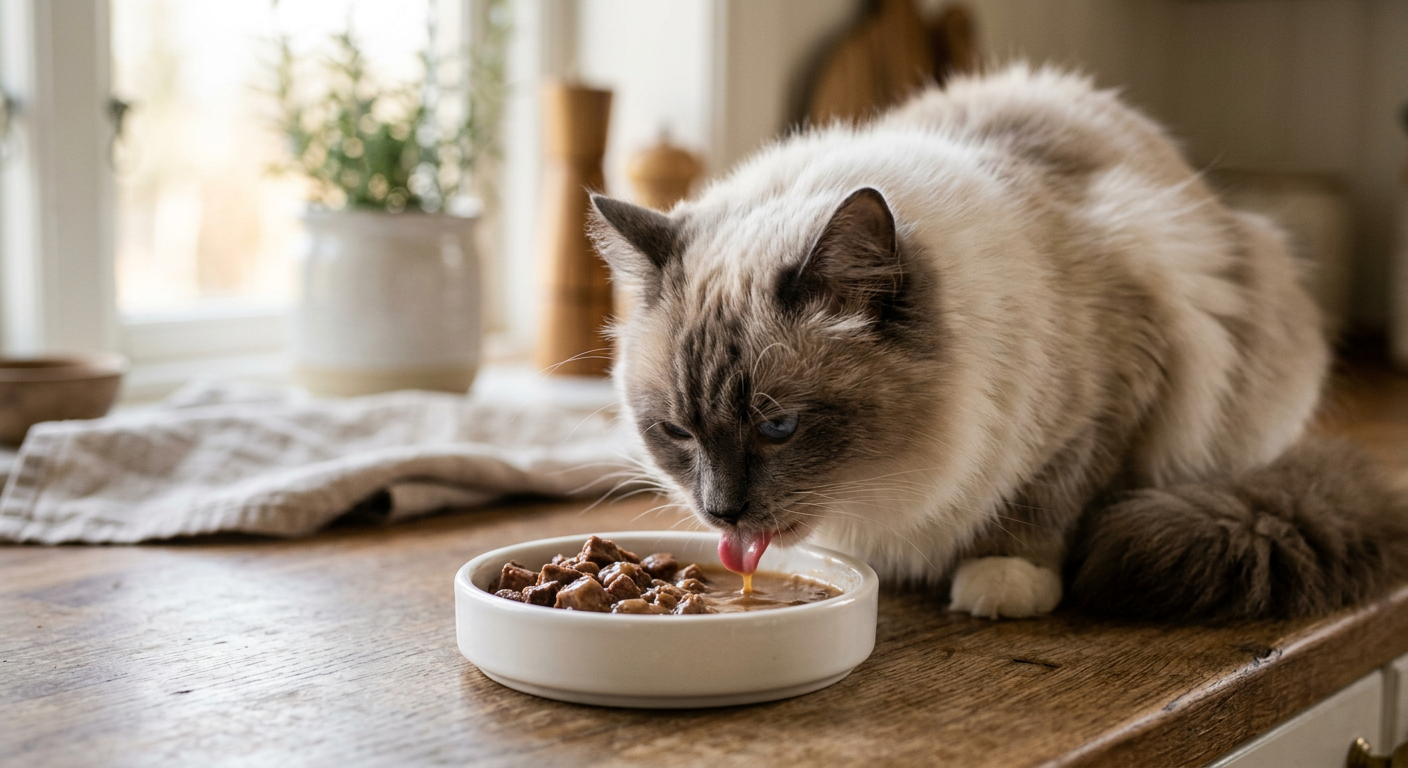
For cats, eating is an intensely sensory experience that goes far beyond just satisfying hunger. The gravy in wet food is packed with concentrated aromas and flavors that are designed to appeal to a cat's highly developed sense of smell. Since cats have fewer taste buds than humans, they rely heavily on scent to determine if a meal is worth their time.
The texture of the liquid is also a major factor. Lapping up a savory sauce requires very little effort compared to chewing through dense chunks of protein. Many cats find the smooth, consistent texture of broth or gravy much more enjoyable than the varied "mouthfeel" of shredded or cubed meat.
A High Hydration Drive
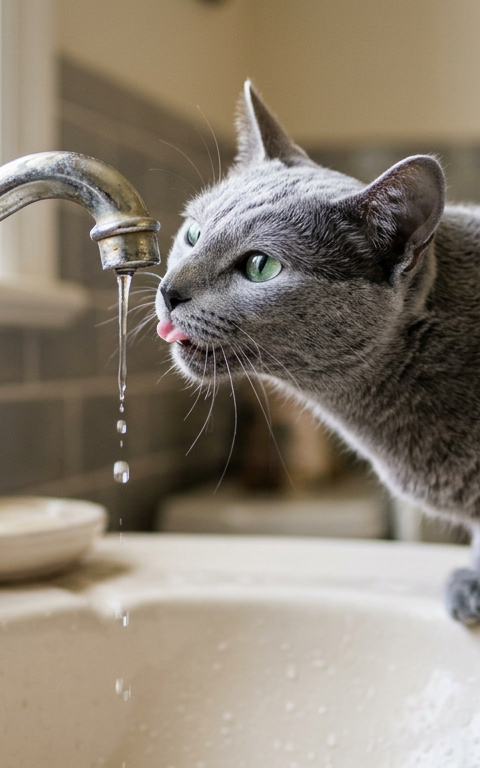
Modern domestic cats are descendants of desert-dwelling ancestors. In the wild, cats obtained most of their hydration from their prey rather than standing water sources. This means many cats have a low natural thirst drive and prefer to take in moisture through their meals.
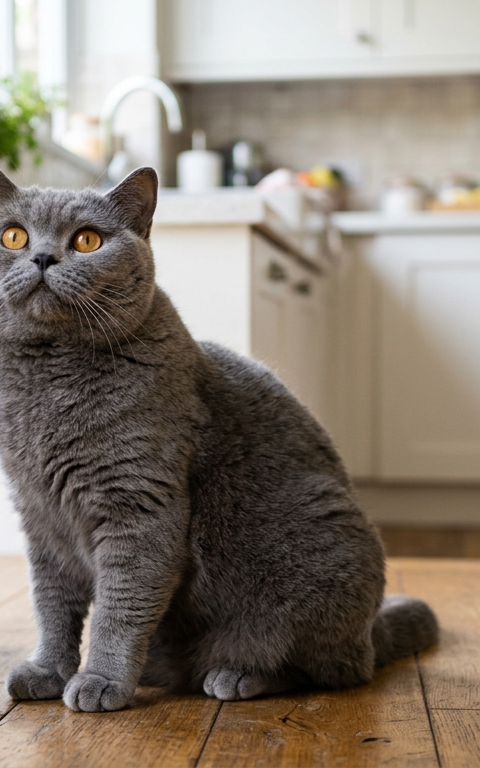
When your cat focuses solely on the liquid portion of their food, they might simply be following a biological urge to hydrate. The moisture in the sauce is easier for their system to process quickly. This is especially common in breeds like the British Shorthair or others that may have specific preferences for moisture-rich diets.
Physical Factors and Comfort
Sometimes, the reason a cat avoids the solid bits isn't about taste at all, but rather physical comfort. Examining how your cat physically interacts with their food bowl can yield important clues about their preferences.
Whisker Fatigue and Bowl Depth
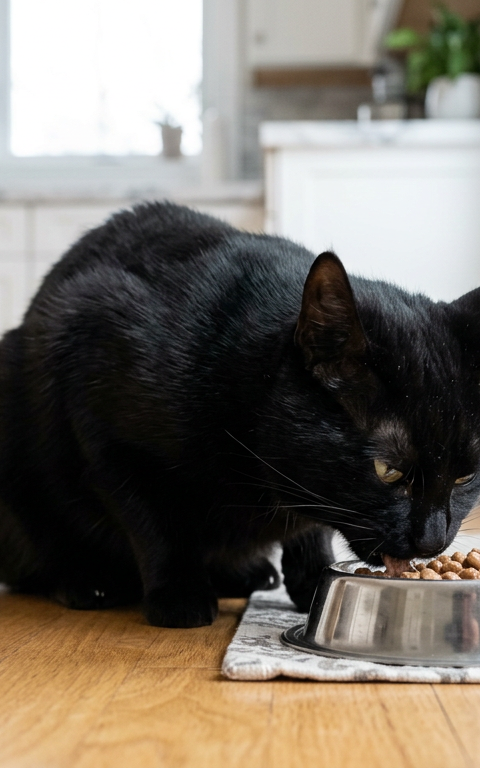
Whisker fatigue is a real phenomenon where a cat's sensitive whiskers become overstimulated by touching the sides of a deep or narrow bowl. If the meat chunks are at the bottom or sides of the dish, your cat may find it uncomfortable to reach them. They might lick the gravy from the top because it is the most accessible part of the meal that doesn't cause sensory overload.
Dental Health Considerations
If your cat has recently started leaving the solid portions of their food behind, it is a good idea to monitor their dental wellness. Chewing on firm chunks of meat can be uncomfortable for cats with sensitive gums or dental issues. In these cases, the soft, effortless nature of the gravy provides the calories they want without the discomfort of chewing. As always, if you notice changes in eating habits, a proactive care visit to your veterinarian is recommended.
Common Feeding Mistakes to Avoid
We often inadvertently encourage our cats to become "gravy monsters" through our own feeding routines. Here are a few things to consider if you are trying to balance their intake:
- The "Buffet" Habit: If you constantly top up the bowl with fresh gravy as soon as the old liquid is gone, your cat learns that they don't ever have to eat the solids to get a "refill."
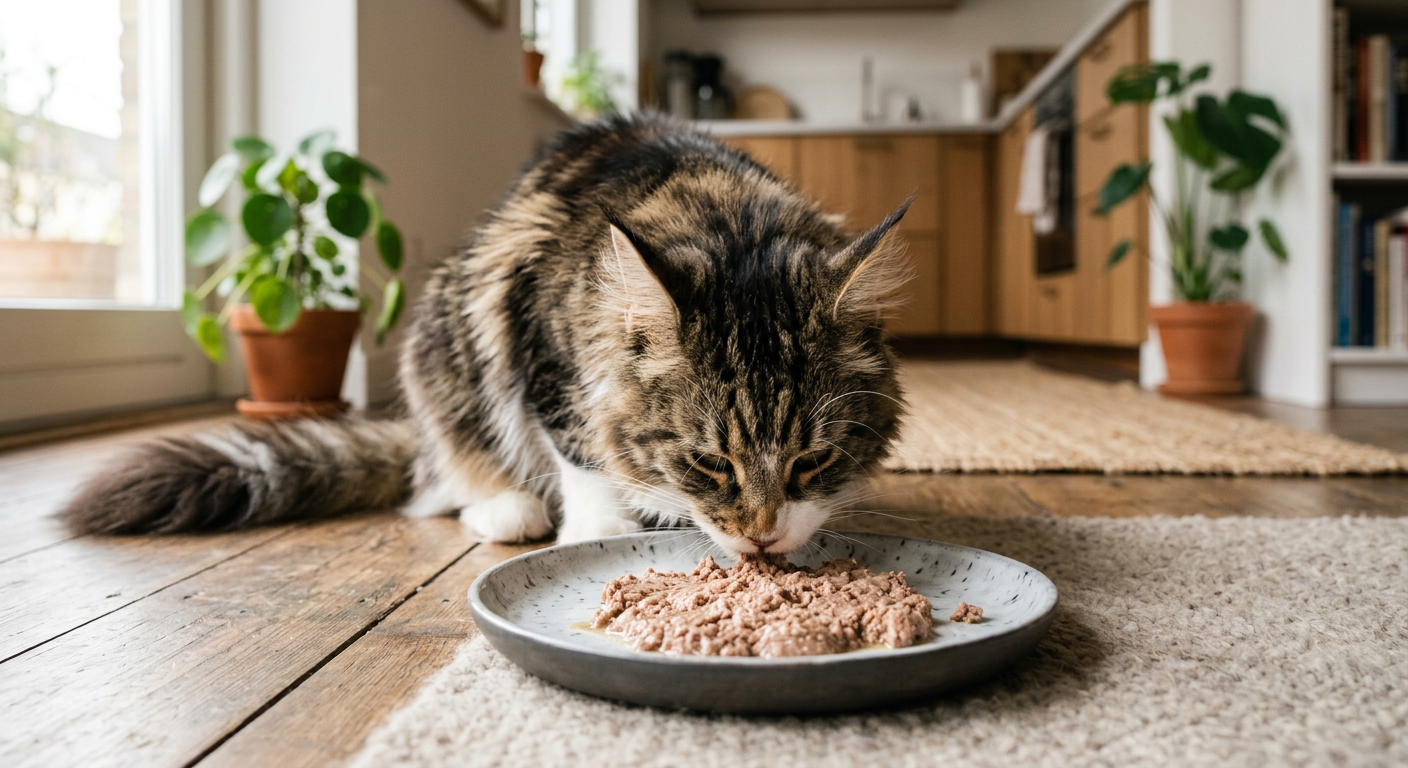
- Portion Sizes: Giving a cat too much food at once can lead them to pick out their favorite parts (the sauce) and leave the rest to dry out.
- Temperature: Cold food straight from the fridge loses its aroma. Warming the food slightly can make the meat chunks more appealing.
If you find that your cat is exceptionally picky, you might want to look into other behaviors, such as decoding cat eating quirks and food preferences, to see if there are broader patterns at play in your household.
Practical Tips to Encourage Balanced Eating
If you want to ensure your cat isn't missing out on the essential vitamins and minerals found in the meat chunks, there are several gentle ways to encourage them to finish their plate. Transitioning a "gravy-only" eater takes patience and a bit of creativity.
Mashthe Food Together
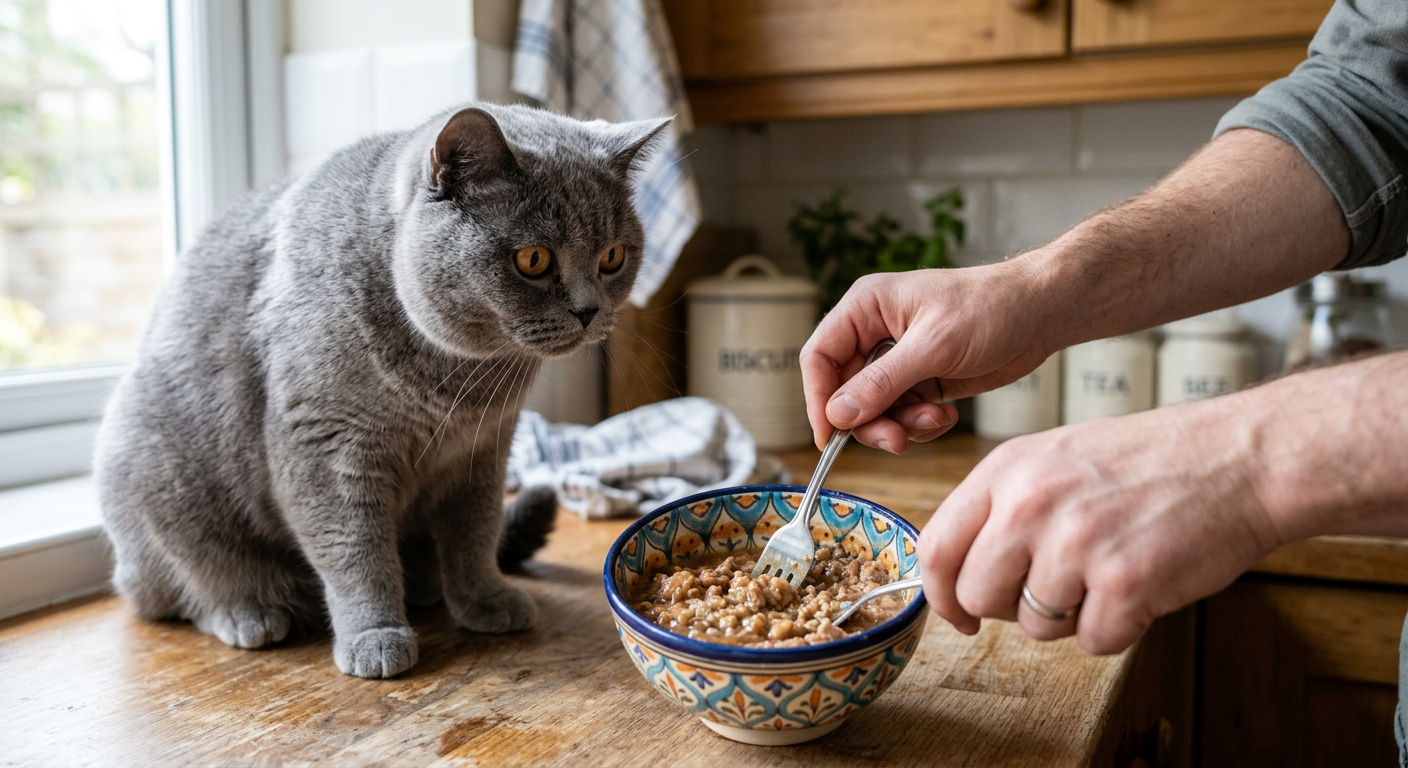
One of the simplest tricks is to take a fork and mash the entire contents of the can into a uniform paste. By breaking down the cubes or shreds and mixing them thoroughly with the sauce, you make it much harder for your cat to separate the two. They will likely end up eating the solids while they go after the flavor of the gravy.
Add a Little Warm Water
Adding a teaspoon of warm water to the bowl can create even more "gravy" while softening the meat chunks. This mimics the temperature of fresh prey and enhances the aroma of the solid pieces, making them more enticing to a picky eater. This also helps with hydration, which is vital for senior cats whose age you might track using a Maine Coon age calculator or similar tool.
Try Different Textures
If your cat consistently leaves chunks behind, they might simply prefer a different format. Experiment with different types of wet food, such as:
- Pâté: A smooth, blended consistency that offers a uniform taste in every bite.
- Mousse: Even lighter than pâté, providing a very soft texture.
- Minced or Flaked: Smaller pieces that are easier to consume alongside the liquid.
Ensuring Nutritional Completeness
Is it a problem if your cat only eats the gravy of wet food? While the liquid contains many nutrients, the bulk of the protein, taurine, and essential fats are typically found in the solid meat. If your cat is leaving more than 20% of their food behind consistently, they may not be getting a balanced diet.
Always check the label of your cat food to ensure it is marked as "complete and balanced." Some topper-style pouches are intended only for supplemental feeding and do not contain the full spectrum of vitamins a cat needs. If your cat is only eating the gravy from a topper, they are definitely missing out on vital nutrition.
In some rare cases, cats might seek out non-food items if they aren't satisfied with their meals. If you notice unusual behaviors, you can read more about why a cat eating litter might be a sign of a nutritional deficiency or other health concern.
Conclusion
When you ask yourself, why does my cat only eat the gravy of wet food, remember that your cat isn't being difficult on purpose. They are simply responding to their instincts for hydration, scent, and comfort. By understanding whether they are avoiding whisker fatigue or just really love the aroma of the sauce, you can make small adjustments to their feeding routine.
Switching to wider bowls, mashing the food, or trying different textures are all great ways to support your cat's wellness. With a little experimentation and plenty of love, you can help your feline friend enjoy every single bite of their dinner—not just the liquid parts.