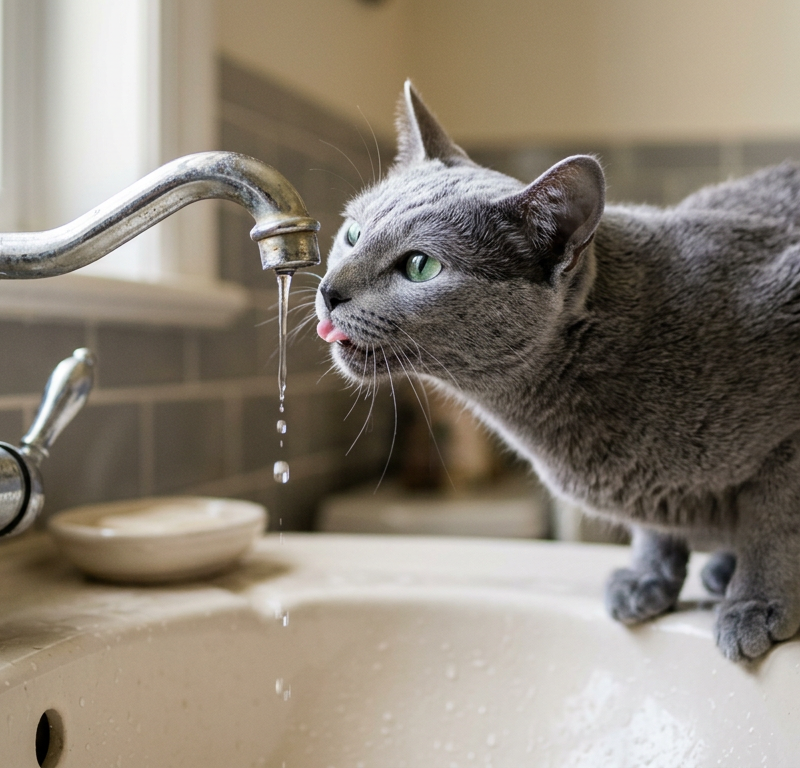
Every cat owner knows that our feline companions have their own unique logic. One of the most common puzzles involves the water bowl. You might find yourself wondering why your cat drinking from tap only wont use bowl even when the bowl is filled with fresh water. It is a behavior that can range from a charming quirk to a daily routine that leaves your faucet running more often than you would like.
Understanding this preference requires looking at the world through a cat’s eyes. While a ceramic or plastic bowl seems perfectly functional to us, your cat is processing information based on instincts that date back to their wild ancestors. By exploring these natural drives, we can create a home environment that satisfies their hydration needs and your desire for a dry countertop.
The Instinctive Allure of Running Water
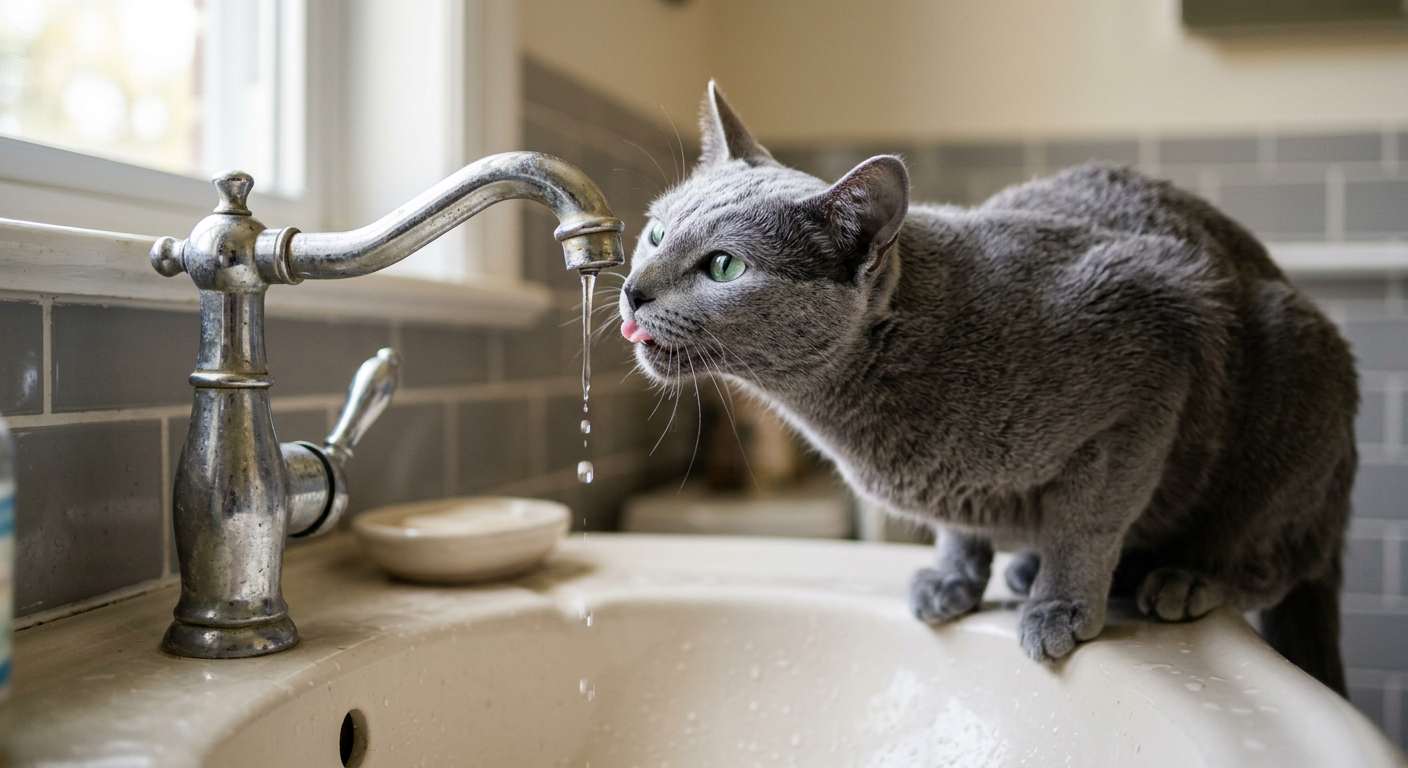
In the wild, standing water is often a red flag for animals. Puddles or stagnant ponds can harbor bacteria or parasites that make a feline ill. Evolutionary biology has taught cats that moving water, like a bubbling spring or a flowing stream, is generally safer and fresher to consume.
When your cat hears the splash of a faucet, their predatory instincts kick in. The sound and movement signal that the water is oxygenated and clean. Even though your tap water and bowl water likely come from the same source, the "flow" is a powerful psychological trigger that makes the tap much more appealing than a still bowl.
The Problem with Stagnant Water
Water sitting in a bowl for several hours can develop a film on the surface or collect dust and hair. Cats have incredibly sensitive noses and can detect these subtle changes in quality. To a cat, a bowl that has been sitting out all day might seem "dead," whereas the tap offers a "live" and refreshing alternative.
If you are curious about how other feline behaviors compare to these drinking habits, you might enjoy reading about decoding cat eating quirks and food preferences. Much like their water habits, their eating styles are often rooted in deep-seated instincts.
Whisker Fatigue and Bowl Placement
One of the most overlooked reasons a cat avoids their bowl is physical discomfort. A cat’s whiskers are highly sensitive tactile organs packed with nerve endings. When a cat puts their head into a narrow or deep bowl, their whiskers brush against the sides, causing a sensation known as "whisker fatigue."
This constant sensory input can be overstimulating or even painful. To avoid this, many cats prefer the open space of a sink or the direct stream from a faucet where their whiskers can remain untouched. This is often why you might see a cat not finishing food bowl anymore or splashing water out of the bowl before drinking; they are trying to make the experience more comfortable.
Strategic Location and Safety
In a multi-pet household or a home with high foot traffic, bowl placement matters immensely. In nature, drinking is a vulnerable activity. A cat must lower its head, losing sight of potential threats. If a water bowl is tucked into a corner or placed near a loud appliance, a cat may feel trapped.
A sink, however, is often elevated. This "high ground" allows a cat to scan the room while they hydrate. If your cat only drinks from the tap, they might simply feel safer being up high where they can see who is coming and going.
The Role of Temperature and Taste
Cats are notoriously picky about the temperature of their refreshments. Water sitting in a bowl at room temperature may not be as palatable as the cool stream coming directly from the pipes. Metal or plastic bowls can also leach subtle flavors into the water that felines find off-putting.
If you use a plastic bowl, it may have tiny scratches that trap bacteria and odors, even after washing. Switching to stainless steel, glass, or ceramic can sometimes improve the taste enough to encourage bowl usage. However, the consistent coolness of tap water remains a hard competitor to beat.
- Oxygenation: Moving water incorporates more oxygen, which improves the flavor.
- Chemical Sensitivity: Cats can often smell the chlorine or fluoride in tap water more intensely when it is stagnant.
- Vision: Cats struggle to see the surface of still water in a bowl; the movement of a tap makes the water's location obvious.
How to Encourage Better Hydration Habits
If you are tired of being a personal butler for your cat every time they want a drink, there are several proactive steps you can take. The goal is to mimic the benefits of the faucet in a more sustainable way. Creating a "hydration station" that meets their instinctive needs can bridge the gap between the sink and the floor.
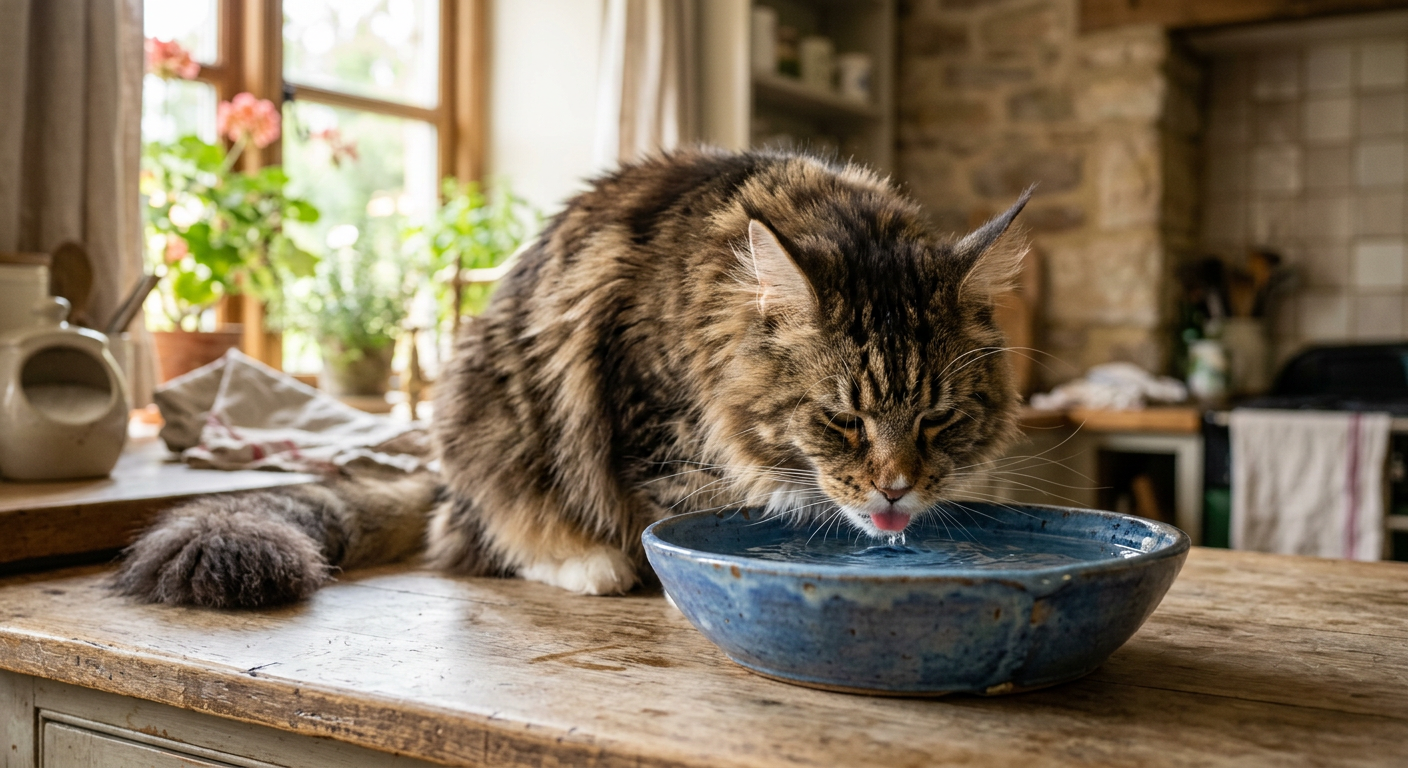
First, consider the type of vessel you are using. Wide, shallow dishes allow whiskers to remain free. Additionally, try moving the water bowl away from the food bowl. In the wild, cats rarely eat and drink in the same spot to avoid the water being contaminated by prey. Separating these two stations by just a few feet can make a significant difference.
Investing in a Pet Fountain
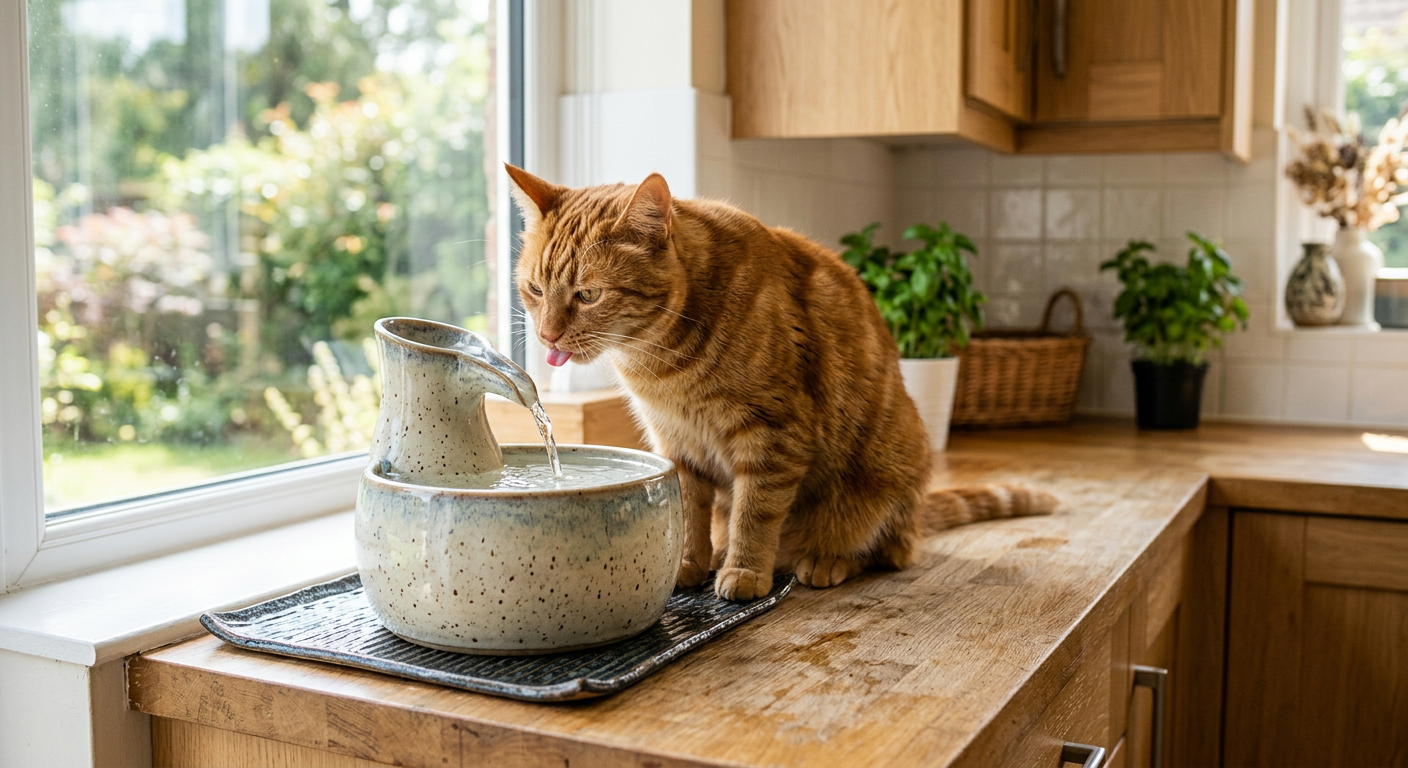
The most effective solution for a tap-loving cat is often a pet fountain. These devices circulate water through a filter, providing the constant movement and oxygenation cats crave. Many models feature a "waterfall" design that mimics the exact experience of a kitchen faucet.
Fountains also keep the water cooler and more filtered than a standard dish. This satisfies the cat's desire for "fresh" water while saving you from the constant demand to turn on the sink. It provides the enrichment of moving water without the waste of a running tap.
Health Considerations and Vet Guidance
While a preference for the tap is usually just a personality trait, any sudden change in drinking behavior should be monitored. If your cat suddenly becomes obsessed with water or starts demanding the tap much more frequently than usual, it is worth a conversation with your veterinarian. Increased thirst can sometimes be a sign of underlying wellness considerations like kidney function or thyroid balance.
Always ensure your cat has access to multiple water sources. If you are concerned about their hydration levels, you might also look into their diet. Cats who eat primarily dry kibble need significantly more water than those on wet food diets. You can find more information on food-related behaviors in our guide on why does my cat only eat the gravy of wet food.
Conclusion
Understanding why your cat drinking from tap only wont use bowl helps you provide better care for your feline friend. It is rarely a sign of defiance; rather, it is a combination of ancient survival instincts, sensory sensitivity, and a simple preference for fresh, cool water. By providing wider bowls, moving the water station, or investing in a fountain, you can satisfy their wild side while keeping them healthy and hydrated. If you ever have concerns about your cat's health or hydration, always consult with a qualified veterinarian to ensure their long-term well-being.