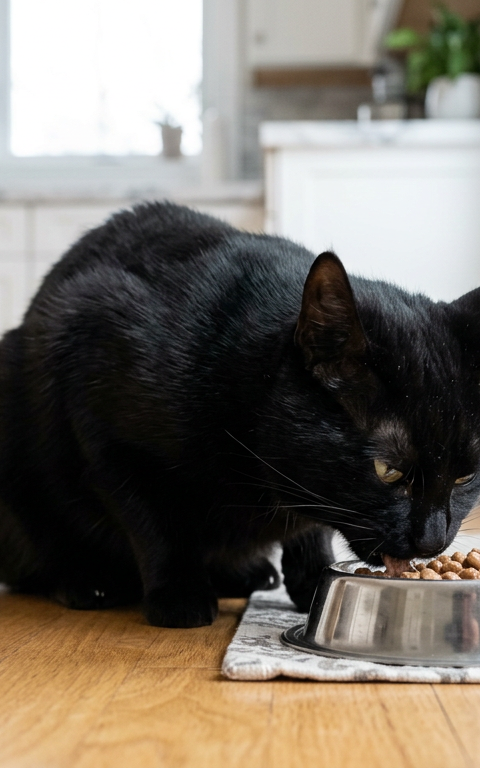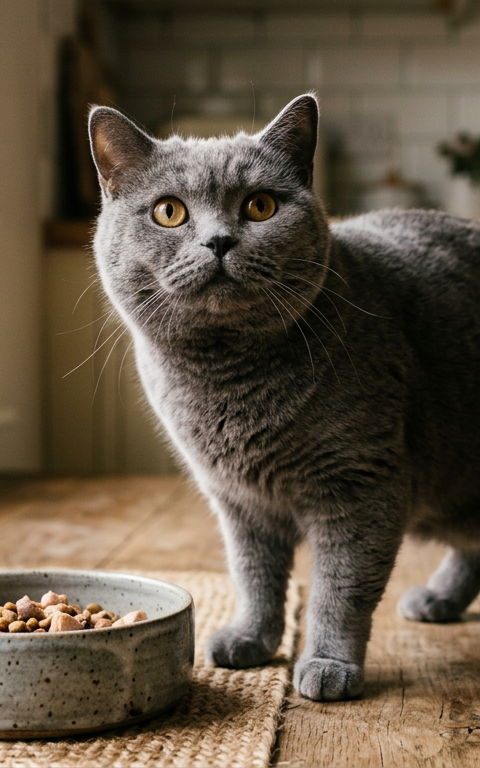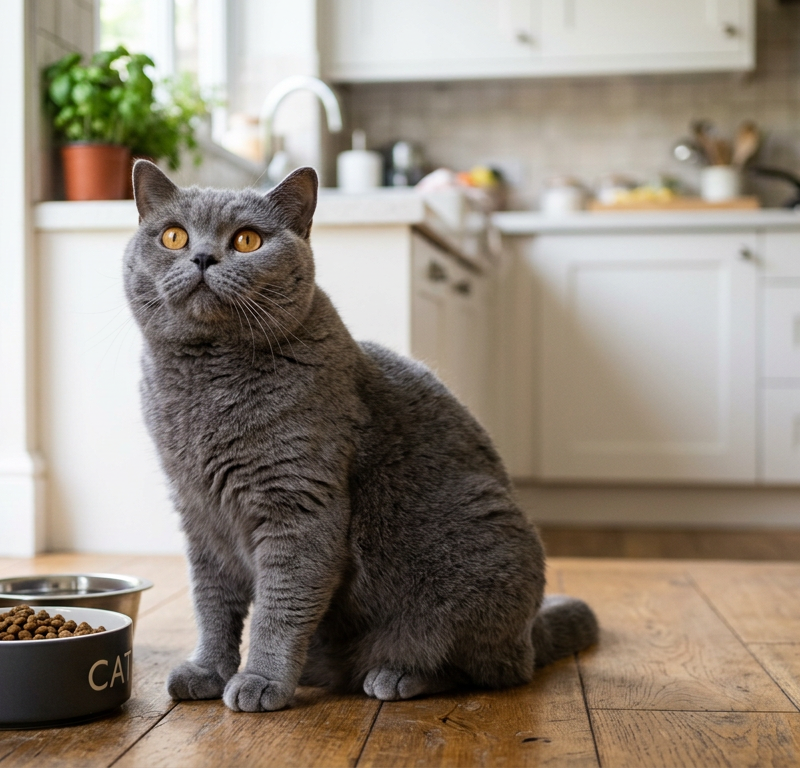
As a cat parent, few things are as puzzling as the feline "dinner dance." You know the routine: your cat weaves between your legs, lets out high-pitched meows, and leads you to their bowl with urgency. However, once the food hits the dish, they sniff it and walk away. Understanding why you have a cat begging for food but leaving it can help you address their needs more effectively and ensure their wellness.
This behavior is often not about being "picky" or "finicky." Instead, it is usually a form of communication regarding their environment, the food quality, or their physical comfort. By observing the subtle cues your cat gives during these moments, you can turn mealtime into a stress-free experience for everyone involved.
Communication Beyond Hunger
When your feline friend begs, they aren't always asking for a meal. For many cats, the act of begging is a social interaction. They have learned that meowing at the food bowl is a guaranteed way to get your undivided attention. If you have a cat with unique eating quirks, they might just want you to stand nearby while they feel safe enough to eat.
Cats are also creatures of habit. They might beg because it is "schedule time," even if they aren't actually hungry yet. They find comfort in the routine of you preparing the meal, hearing the can open, and seeing the bowl filled. Once the ritual is complete, their psychological need for routine is met, even if their stomach isn't ready for a snack.
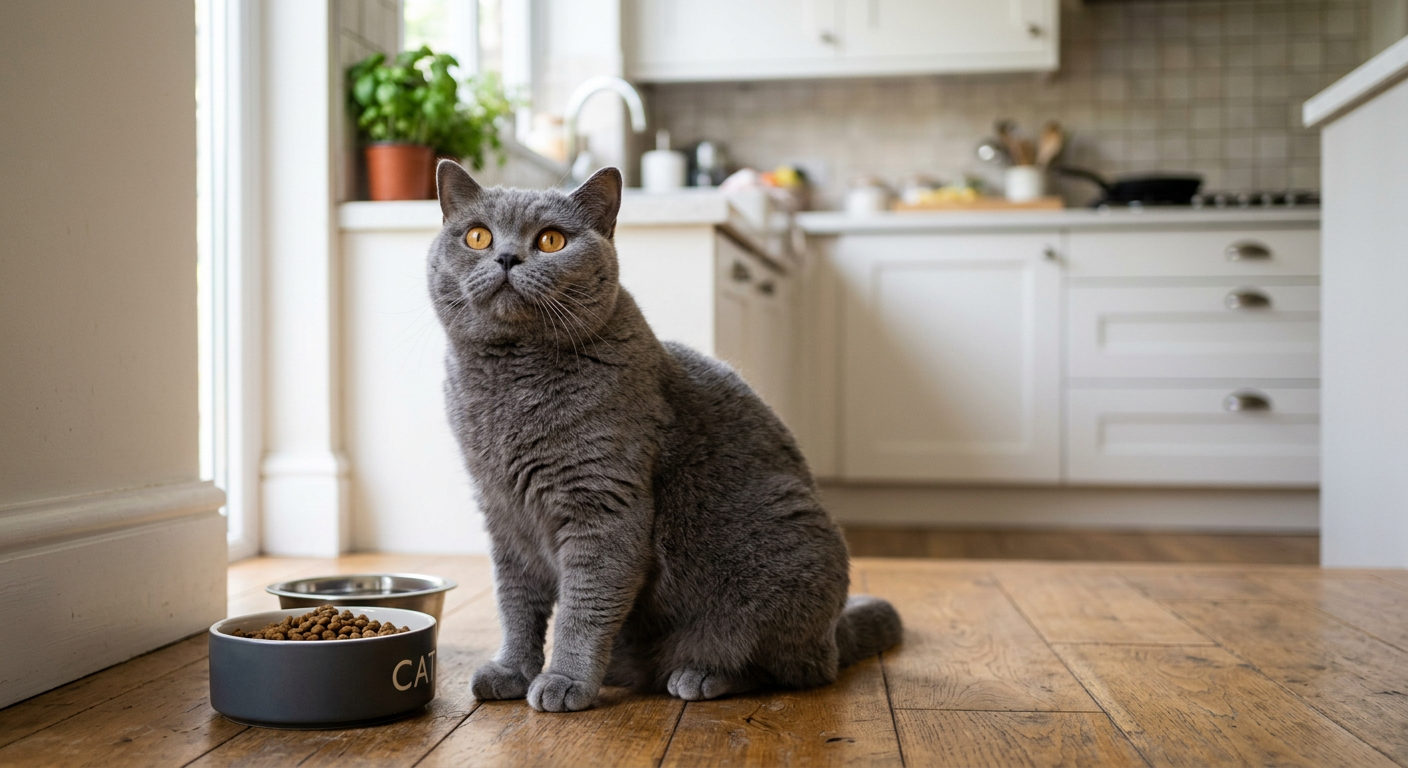
The Social Eater Phenomenon
Some cats are what behaviorists call "affection eaters." These cats feel vulnerable when they put their heads down to eat. They beg to get you into the kitchen so you can act as a "lookout." If your cat begs for food but leaves it until you pet them or stand next to the bowl, they are likely seeking security rather than calories.
Environmental Factors and Bowl Stress
Sometimes the problem isn't the food, but the vessel it's served in. Whisker fatigue is a common wellness consideration for pet owners. A cat's whiskers are incredibly sensitive sensory organs. If their food bowl is too deep or narrow, their whiskers touch the sides every time they take a bite, which can be irritating or even painful.
Location also matters significantly. If the food bowl is near a noisy appliance, a high-traffic doorway, or the litter box, your cat may feel too anxious to stay and eat. They might beg for food because they are hungry, but once they get to the "scary" location, their survival instinct to stay alert overrides their desire to eat.
- Try shallow plates: Switch from a deep bowl to a flat saucer to prevent whisker irritation.
- Quiet locations: Move the feeding station to a corner with a clear view of the room.
- Multiple stations: In multi-pet households, ensure cats don't have to compete for access to food.
Food Quality and Freshness Concerns
If you have a cat begging for food but leaving it, they might be telling you that the food isn't up to their standards. Cats have a highly developed sense of smell. If a bag of kibble has been open for too long, the fats can become rancid, even if it smells fine to us. Similarly, wet food that has sat out for more than 30 minutes develops a crust that many cats find unappealing.
Temperature is another factor. In the wild, a cat's prey is body temperature. If you are serving canned food straight from the refrigerator, the lack of aroma and the cold texture might cause them to reject it. Try warming the food to room temperature to release the scents that stimulate their appetite.
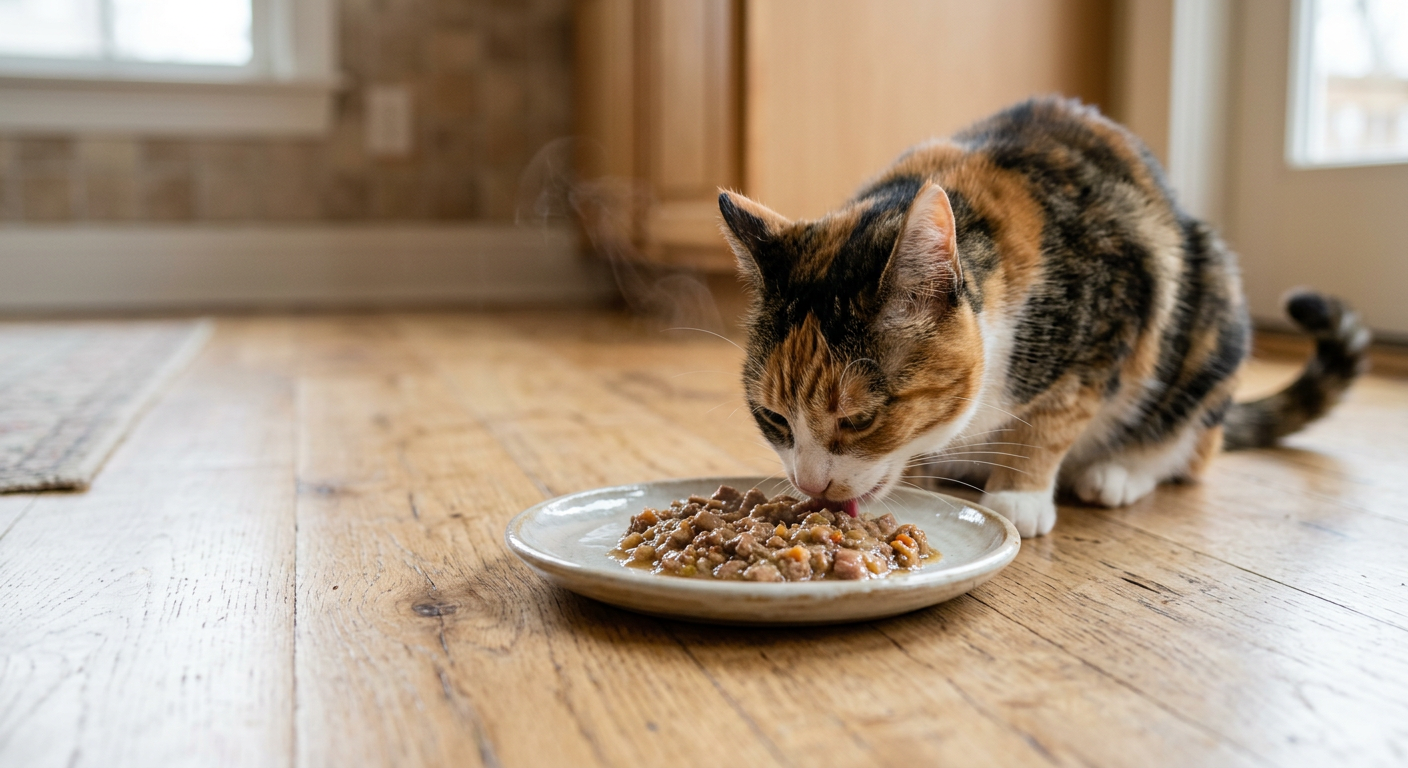
The Gravy Preference
Some cats are notorious for licking up the liquid and leaving the solids behind. You might find your cat only eats the gravy because the texture of the chunks is difficult for them to manage or less flavorful. This behavior often looks like begging and abandoning, but they are actually just "cherry-picking" the best parts.
Proactive Care and Health Considerations
If your cat suddenly starts begging but refusing to eat, it is important to consult a veterinarian. Several wellness considerations could be at play. Dental issues, such as a broken tooth or inflamed gums, can make the act of chewing painful. The cat feels hungry and begs for food, but once they try to eat, the pain stops them.
Nausea is another common culprit. Conditions like kidney disease or gastrointestinal upset can make a cat feel hungry, but the smell of food triggers a wave of nausea. If your cat sniffs the food and then walks away—or worse, gags—this is a sign that a professional check-up is needed. Keeping track of their age using a Maine Coon age calculator or similar tool for your specific breed can help you understand what life stage they are in and what health risks to look for.
Subtle Signs of Discomfort
Watch for other signs of dental or digestive discomfort, such as:
- Drooling while looking at the food.
- Tilting the head to one side while attempting to chew.
- Dropping pieces of food out of the mouth.
- Paw at the mouth after sniffing the bowl.
Tips for Encouraging Your Cat to Eat
If your vet has ruled out medical issues, you can try several strategies to bridge the gap between begging and eating. First, try "hand-feeding" a few pieces to kickstart their appetite. The scent of your hand combined with the food can sometimes provide the social encouragement they need.
You can also try using food toppers. A sprinkle of nutritional yeast, a bit of plain bonito flakes, or a splash of low-sodium chicken broth (without onions or garlic) can make the meal more enticing. Sometimes, just changing the texture from chunks to a pate—or mashing the pate with a little warm water—can make a world of difference for a hesitant eater.
Conclusion
Dealing with a cat begging for food but leaving it requires a bit of detective work and plenty of patience. Whether it is whisker fatigue, a desire for social interaction, or a preference for warmer meals, your cat is trying to tell you something important about their needs. By making small adjustments to their environment and feeding routine, you can help your feline friend feel more comfortable during mealtime.
Remember that consistent refusal to eat, especially if accompanied by weight loss or lethargy, is a reason to visit your veterinarian. Most of the time, however, a few tweaks to the bowl shape or the food temperature will have your cat happily finishing their dinner instead of just asking for it.