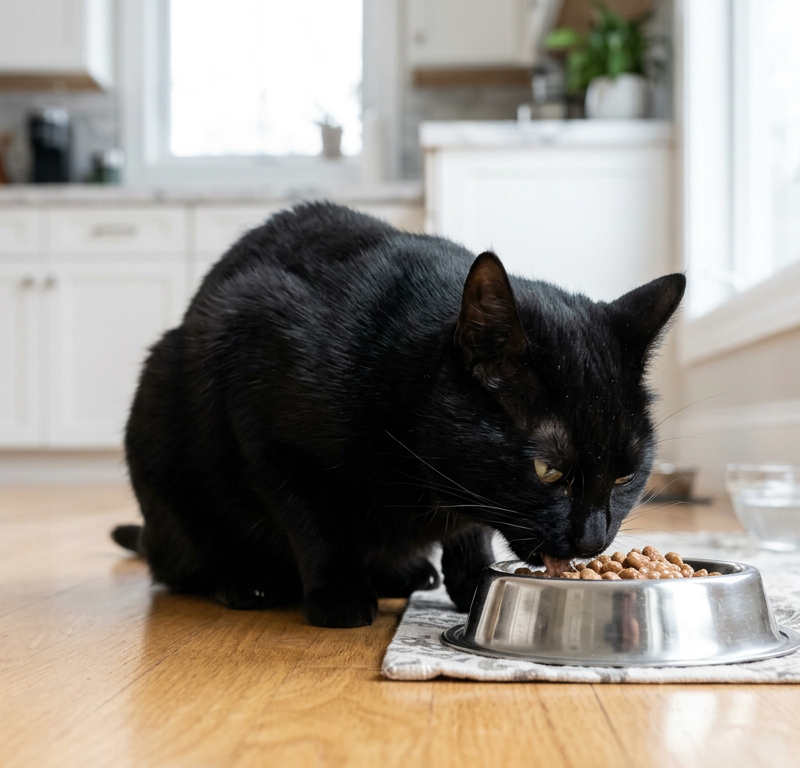
It is a common sight for many feline owners: your cat rushes to their bowl, devours their meal in seconds, and minutes later, you are cleaning up a mess on the floor. If you find yourself wondering "why does my cat eat so fast and throw up," you are certainly not alone. This behavior, often called "scarf and barf" by pet parents, is a frequent wellness consideration that usually stems from a mix of instinct, environment, and physical anatomy.
Understanding the root cause of this habit is the first step toward creating a more peaceful mealtime for your furry friend. While it can be frustrating to clean up, most cases of rapid eating can be managed with simple lifestyle adjustments. However, it is always wise to keep a close eye on your pet's overall health and consult a veterinarian if you notice sudden changes in their appetite or weight.
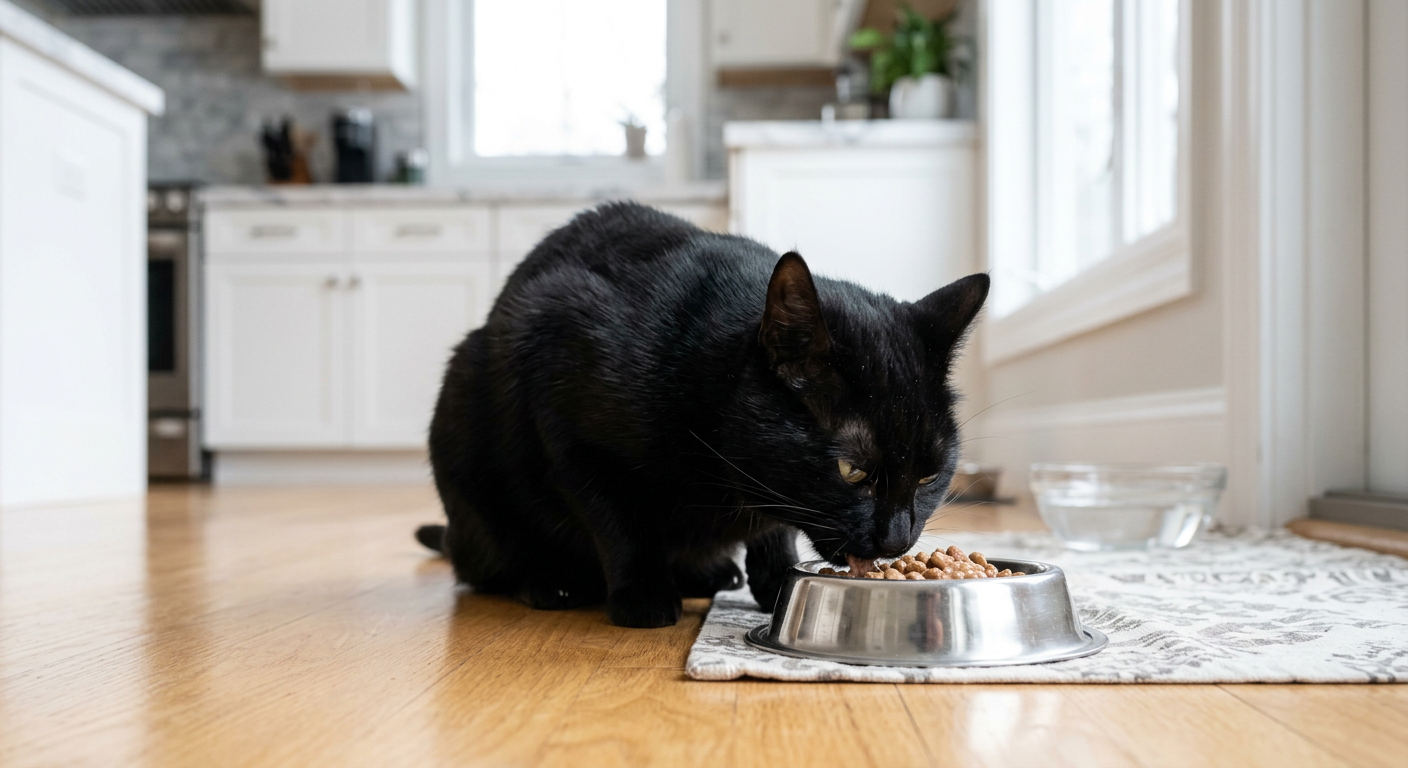
The Biological Reasons Cats Eat Too Quickly
To solve the mystery of why your cat eats so fast and then vomits, we have to look at their wild ancestors. In the wild, cats are solitary hunters who often have to protect their catch from other predators. This instinctual drive to consume food quickly before someone else takes it remains deeply embedded in the DNA of our domestic companions.
Furthermore, a cat's esophagus is horizontal. When a cat gulps down large amounts of unchewed kibble and air, the food can hit the stomach and expand rapidly. This creates a physical trigger that causes the stomach to reject the contents almost immediately. This isn't usually "vomiting" in the medical sense, but rather "regurgitation," where the food hasn't had time to digest at all.
Competition in Multi-Pet Households
If you have more than one pet, the urge to eat quickly may be fueled by social pressure. Even if your cats seem to get along, the mere presence of another animal near the food bowl can trigger a competitive instinct. One cat might feel they need to finish their portion rapidly to ensure the other doesn't steal it, or so they can try to sneak some from their sibling's bowl.
This behavior is also common in cats that were previously strays or lived in shelters. These cats may have experienced true food scarcity in the past, leading to a lifelong habit of eating as much as possible as quickly as they can. You can learn more about different feline dietary behaviors in our guide on decoding cat eating quirks and food preferences.
The Physical Impact of Rapid Consumption
When a cat eats too fast, they often swallow significant amounts of air along with their food. This swallowed air leads to bloating and discomfort. Because cats have relatively small stomachs, the combination of expanding dry kibble and trapped air creates a "fullness" sensation that is too intense for the body to handle, resulting in the food coming right back up.
Another factor is the shape and size of the kibble. If the pieces are small enough to be swallowed whole, the cat may not feel the need to crunch. The lack of chewing means the digestive process doesn't start effectively in the mouth, putting more strain on the stomach to break down whole pieces of food instantly.
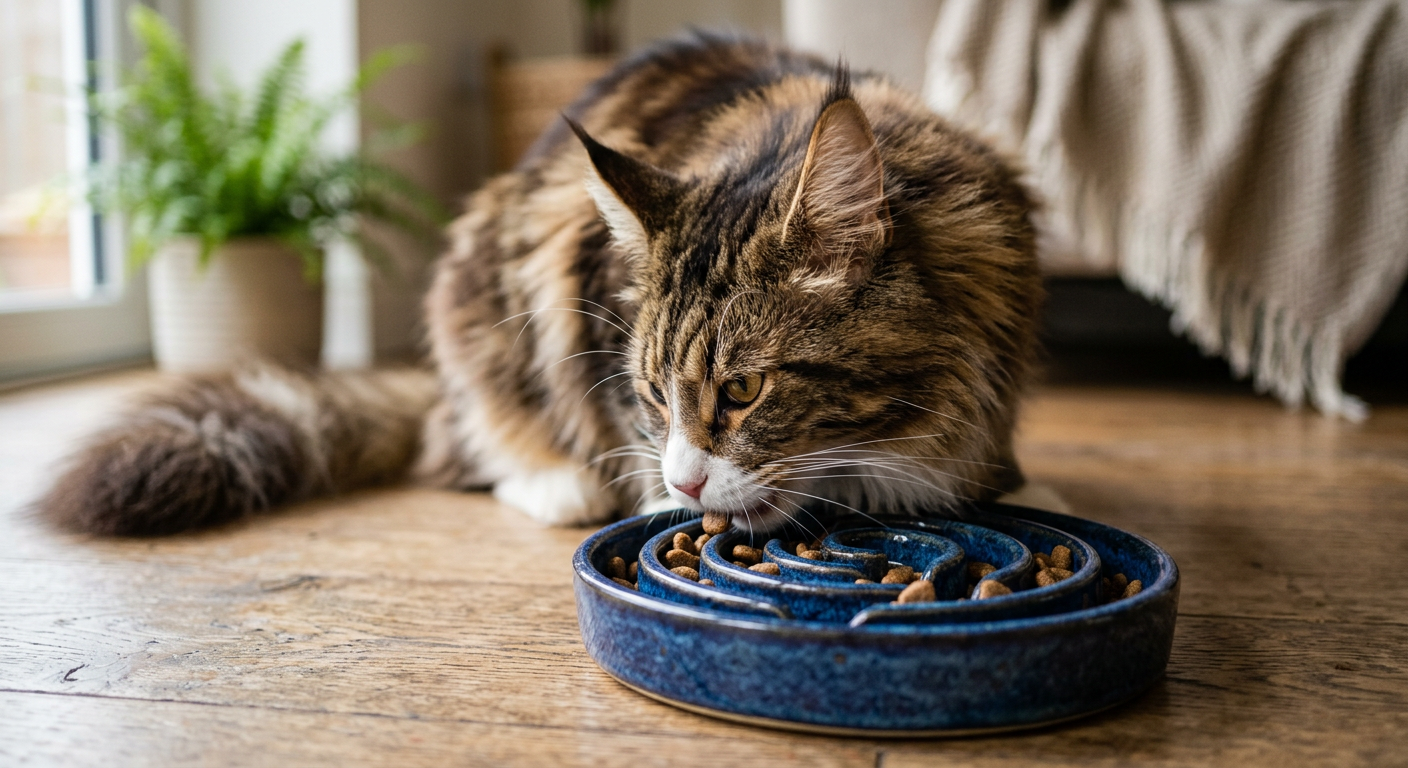
Effective Solutions for the Scarf and Barf Habit
If you are looking for ways to slow down a speedy eater, there are several proactive steps you can take. The goal is to make it physically impossible for your cat to take large gulps of food at once. Here are some of the most effective methods:
- Use a Slow Feeder Bowl: These bowls have ridges and puzzles that force your cat to use their paws or tongue to navigate around obstacles to get to the food.
- The Muffin Tin Method: Spread the kibble out across the cups of a muffin tin. This forces the cat to move from spot to spot, preventing them from taking a single large mouthful.
- Golf Ball Obstacle: Place a large, clean obstacle (like a golf ball or a smooth stone too large to swallow) in the center of their regular bowl. They will have to push the object around to reach the food.
- Puzzle Toys: Feeding toys that require the cat to bat them around to release a few pieces of kibble at a time are excellent for both mental stimulation and slowing down digestion.
If you notice your cat is also exhibiting other strange behaviors, like eating plastic bags, it might be time to evaluate their overall nutritional needs and stress levels with your vet.
Transitioning to Smaller Meals
Instead of two large meals a day, try offering four or five smaller portions. A smaller amount of food is less likely to cause the stomach to over-expand even if it is eaten quickly. Automated feeders can be programmed to dispense small snacks throughout the day, which can be a lifesaver for busy pet owners.
When to Consult Your Veterinarian
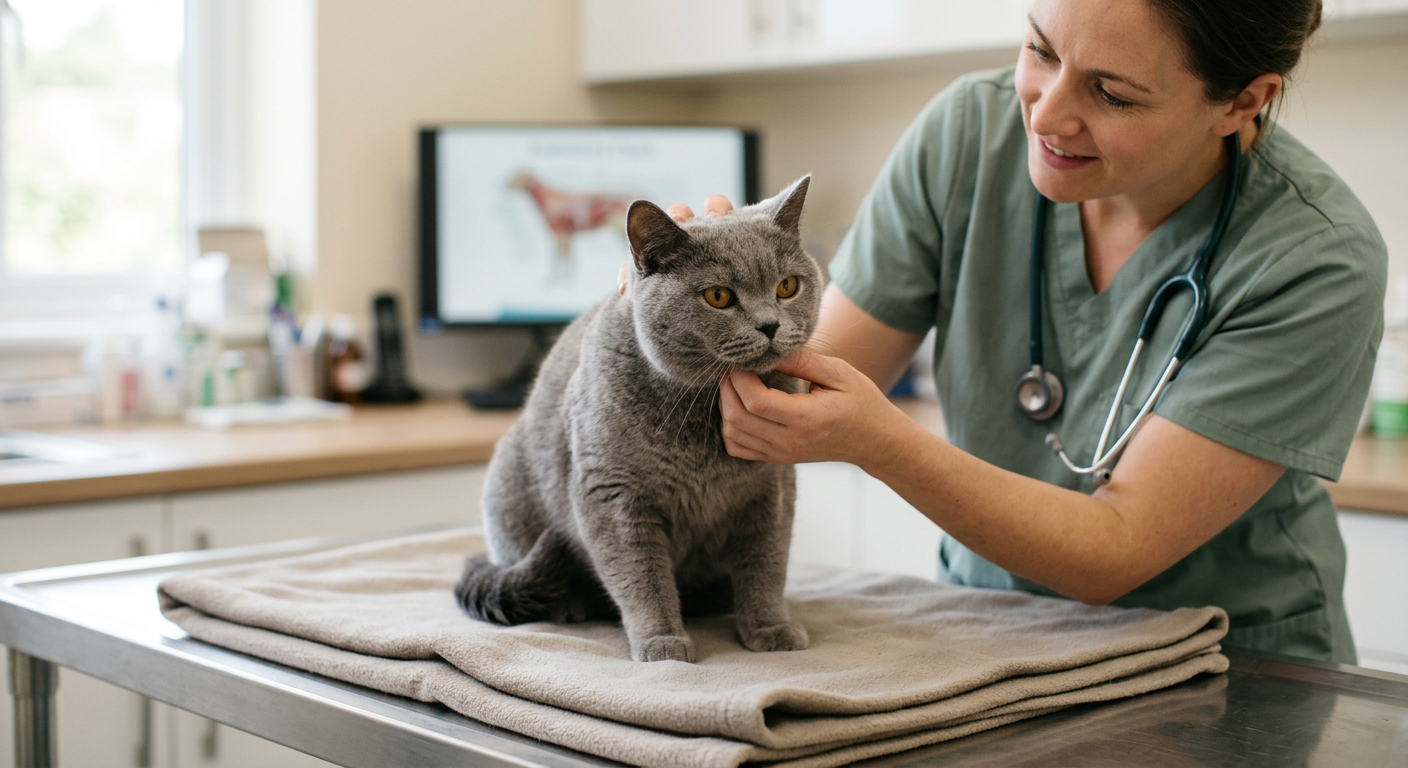
While most "scarf and barf" episodes are behavioral, there are times when eating habits could point to a medical wellness consideration. If your cat continues to throw up even after you have slowed their eating pace, it is important to seek professional advice. Sometimes, what looks like eating too fast is actually a symptom of an underlying issue.
Conditions such as hyperthyroidism, diabetes, or intestinal parasites can cause an increased appetite (polyphagia), making a cat feel constantly starved. This leads them to rush their food because their body isn't processing nutrients correctly. Additionally, food sensitivities or inflammatory bowel disease (IBD) can cause chronic vomiting regardless of how fast the food is consumed.
Monitoring Long-Term Health
Keep a journal of when the vomiting occurs. Does it happen only with dry food? Does it happen even when they eat slowly? Providing this information to your vet will help them determine if further testing is needed. As cats age, their nutritional needs change significantly. For example, a senior Maine Coon might require a different protein structure or softer food to maintain their health compared to a kitten.
If you notice your cat has suddenly stopped finishing their meals entirely after a period of rapid eating, you should check out our article on a cat not finishing their food bowl anymore to see if there might be a new issue at play.
Creating a Calm Dining Environment
Stress plays a major role in how a cat consumes their calories. If the feeding area is in a high-traffic part of the home, your cat might feel hurried. Move the food bowl to a quiet, low-traffic corner where they can eat without being disturbed by children, other pets, or loud appliances.
In multi-cat homes, "microchip feeders" are a fantastic investment. These bowls only open for a specific cat's microchip, ensuring that no one can steal food from anyone else. This eliminates the competitive pressure that often leads to why does my cat eat so fast and throw up, as each cat learns that their food is secure and no one else can access it.
Conclusion
Dealing with a cat that eats too fast and throws up can be a challenge, but with a bit of patience and the right tools, it is a manageable habit. By using slow feeders, providing a calm environment, and breaking meals into smaller portions, you can help your cat enjoy their food without the after-effects. Always remember that proactive care and regular check-ups are the best ways to ensure your feline friend stays happy and healthy for years to come.