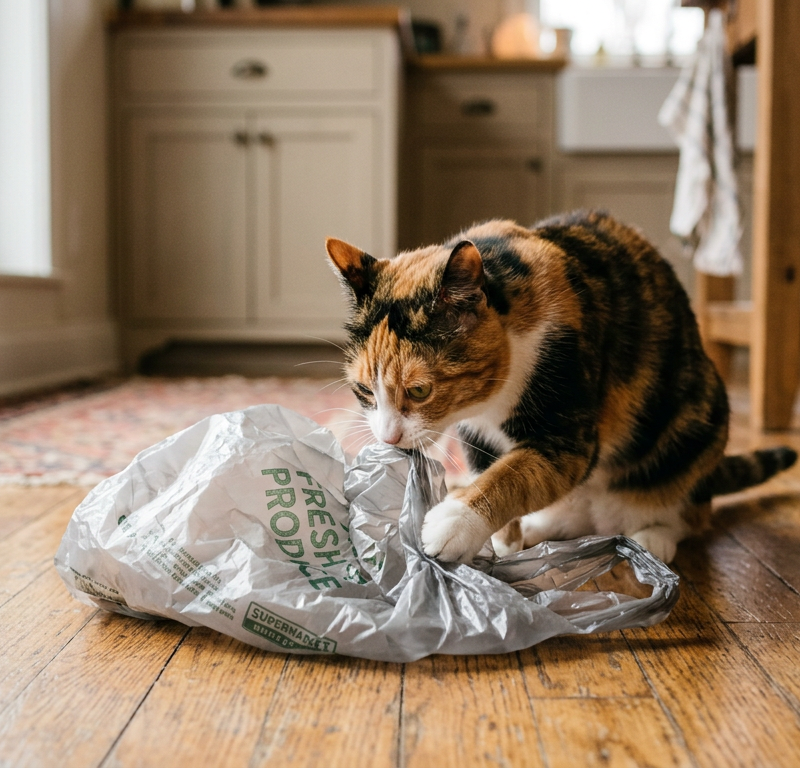
Finding your feline friend chewing on a grocery sack can be a puzzling experience for any pet owner. You might find yourself asking, why does my cat eat plastic bags when they have a bowl full of nutritious food just a few feet away? While it might seem like a strange quirk, this behavior is actually quite common in the feline world and can stem from a variety of biological, environmental, and sensory reasons.
Understanding the motivation behind this habit is the first step in ensuring your cat stays safe and healthy. In this article, we will explore the different reasons cats gravitate toward plastic, ranging from the way it smells to potential dietary needs. By identifying the root cause, you can take proactive steps to redirect your cat's curiosity toward safer alternatives.
The Sensory Appeal of Plastics
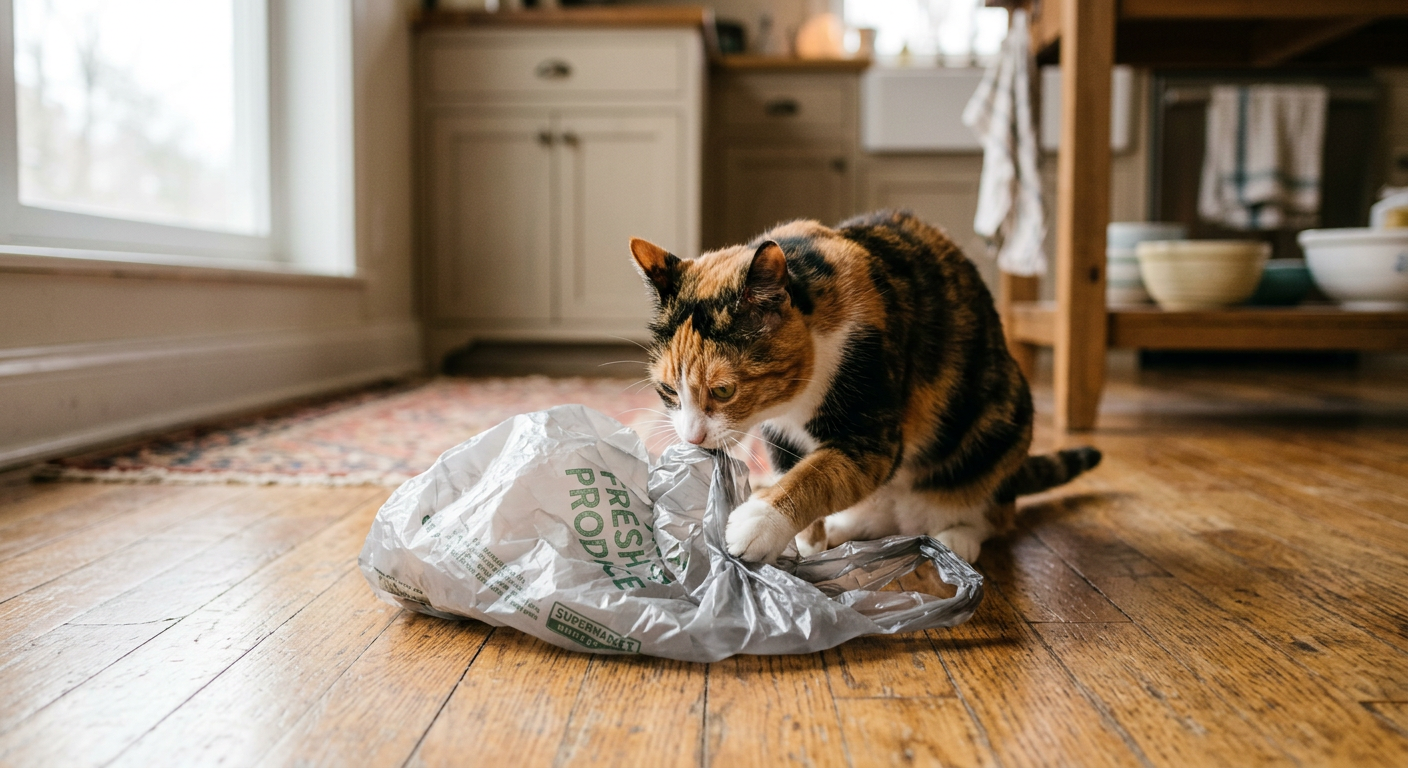
One of the most frequent reasons cats are drawn to plastic bags is the sensory experience they provide. Plastics are not as inert as they might appear to humans; to a cat’s sensitive nose and tongue, they can be highly stimulating. Many modern plastic bags are treated with substances that cats find irresistible.
Lingering Food Scents
Grocery bags often carry the faint aroma of the items they once held. Even if a bag is empty, traces of meat, fish, or produce can remain. Because cats have a sense of smell that is significantly more powerful than ours, they may chew on the plastic simply because it smells like a delicious snack. This is particularly common if you have recently visited the butcher or the seafood counter.
Tallow and Starch Coatings
Many people are surprised to learn that some plastic bags are manufactured using animal byproducts. Slip agents, which prevent bags from sticking together, often contain tallow (animal fat). Additionally, some biodegradable bags are made from cornstarch or other plant-based materials. To a curious cat, these bags might literally taste like food, leading to persistent licking or chewing.
The Sound and Texture
The crinkling sound of a plastic bag can be incredibly enticing. For a cat, this high-pitched noise may mimic the sound of small prey moving through dry grass or leaves. The texture of the plastic also offers a unique mouthfeel that some cats find satisfying. If your cat enjoys decoding cat eating quirks and food preferences, you know that texture is just as important as taste.
Behavioral and Psychological Factors
Beyond the physical properties of the bag, feline psychology plays a major role in why does my cat eat plastic bags. Cats are complex creatures that require significant mental and physical stimulation. When their environment doesn't meet these needs, they may turn to unusual objects to fill the gap.
Boredom and Play
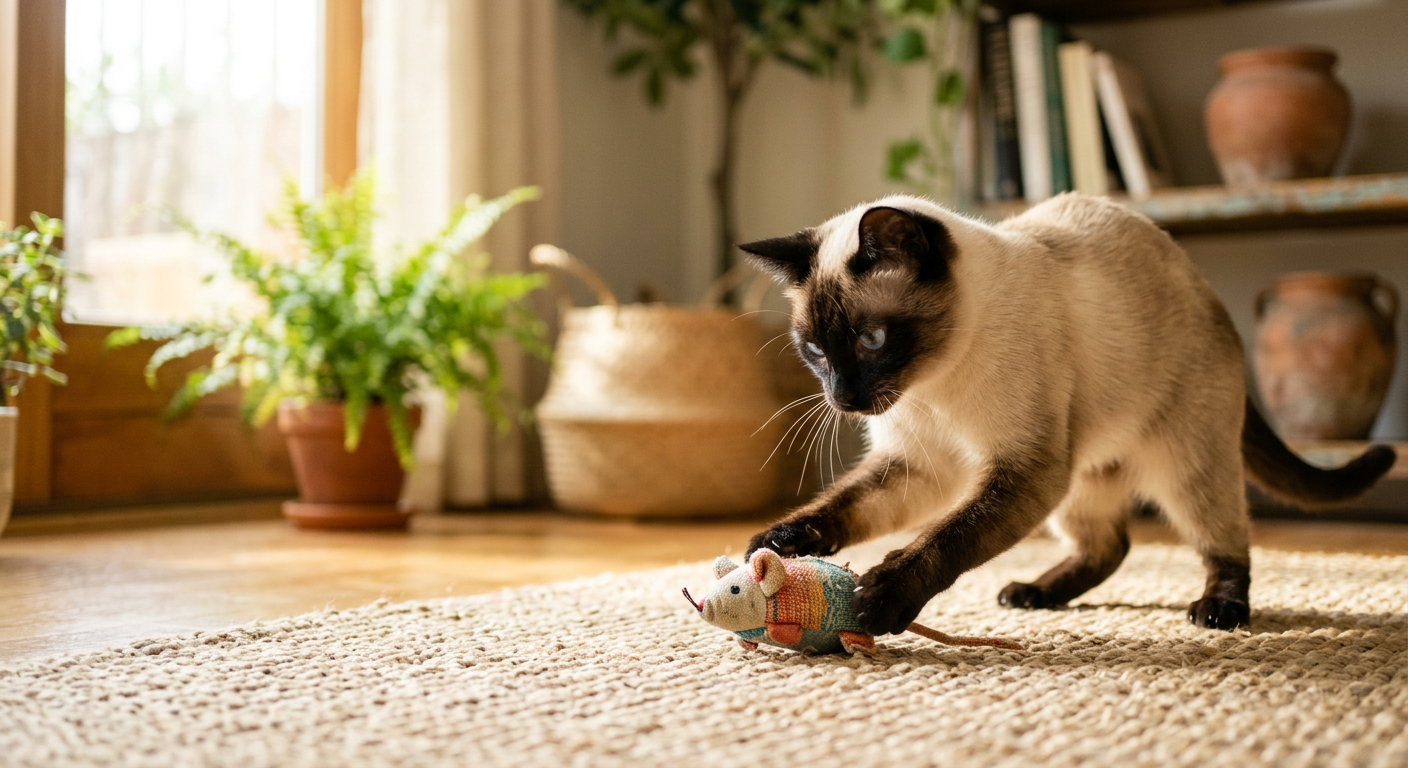
Indoor cats often look for ways to entertain themselves. A plastic bag left on the floor is an interactive toy that moves, makes noise, and feels different under their paws. What begins as a playful swat can quickly escalate into chewing as the cat becomes more engaged. Ensuring your cat has a variety of safe toys can help reduce their interest in household waste.
Stress and Anxiety
Some cats engage in oral fixations as a way to self-soothe. Similar to how a human might bite their nails, a stressed cat might chew on plastic to calm themselves down. Changes in the household, such as a new pet or a move, can trigger this behavior. If your cat seems anxious, creating a stable routine and a quiet "safe space" can be very beneficial for their emotional wellness.
Compulsive Behavior (Pica)
Pica is a condition where animals develop an appetite for non-food items. While it can be related to stress, it can also be a standalone compulsive disorder. Wool, cardboard, and plastic are common targets for cats with pica. This condition often requires a multi-faceted approach involving both environmental changes and a consultation with a veterinarian to rule out underlying health issues.
Health and Dietary Considerations
Sometimes, the urge to chew on non-edible items is a signal that something is missing from a cat's diet or that they are experiencing a physical ailment. It is always important to look at internal factors when a new habit emerges suddenly.
- Nutritional Deficiencies: If a cat's diet is lacking in fiber, fat, or specific vitamins, they may seek out "food-like" objects to compensate for the craving.
- Dental Issues: Cats with sore gums or dental decay might chew on soft plastic to massage their mouth and alleviate discomfort.
- Anemia: In some cases, cats with anemia may develop pica, leading them to consume strange materials.
- Digestive Help: Some experts believe cats chew on materials to help move hairballs through their system, much like they would eat grass outside.
If you suspect your cat's behavior is health-related, a visit to your vet is the best course of action. They can perform blood work or a dental exam to ensure your cat is in top shape. For those who own specific breeds like the Maine Coon, being aware of breed-specific health trends is also a great part of proactive care.
How to Stop the Plastic Chewing Habit
Keeping your cat safe involves a combination of management and enrichment. Since ingesting plastic can lead to intestinal blockages, it is important to address the behavior promptly.
Manage the Environment
The simplest way to stop a cat from eating plastic is to remove the temptation. Transition to reusable cloth bags and store them in a closed cabinet or a closet that your cat cannot access. Be mindful of other plastics as well, such as dry-cleaning bags and the overwrap on multipacks of water bottles. If you have been curious about other odd habits, like a cat eating litter, you know that keeping the environment clear of hazards is vital.
Provide Safe Alternatives
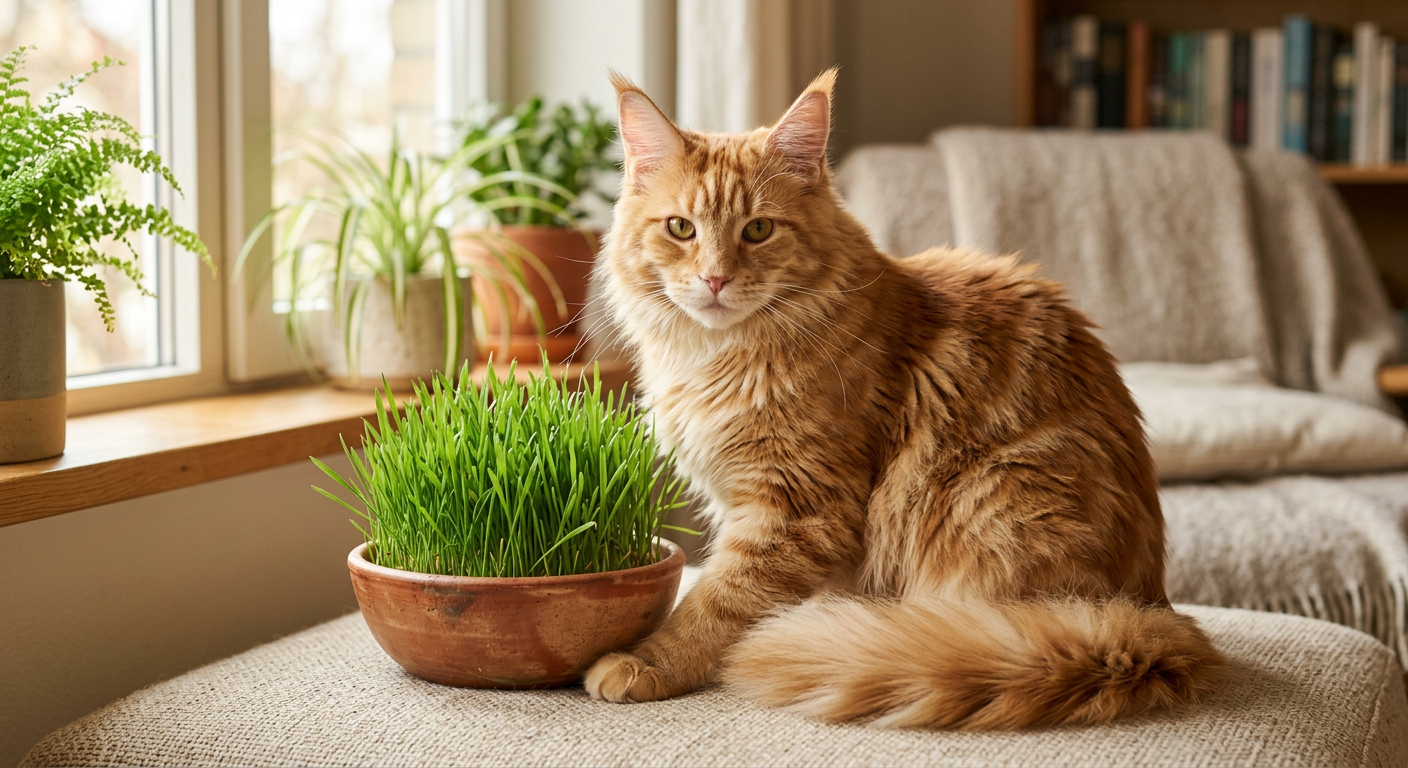
If your cat loves the crinkle sound, look for cat toys specifically designed with crinkle paper inside. These provide the same auditory satisfaction without the danger of ingestion. You might also consider growing a pot of organic cat grass. This allows your cat to indulge their natural desire to chew on something fibrous and safe.
Increase Playtime
Engaging your cat in interactive play sessions twice a day can significantly reduce boredom-induced chewing. Use wand toys to mimic the movement of prey, allowing your cat to expend their energy in a healthy way. A tired cat is much less likely to go searching for trouble in the pantry or the trash can.
When to See a Veterinarian
While occasional licking of a bag might be harmless, actual consumption is a wellness consideration that requires attention. If you notice your cat is successfully swallowing pieces of plastic, you should contact your veterinarian immediately. It is much easier to manage the situation early than to wait for a potential blockage to occur.
Watch for signs of distress such as vomiting, lethargy, or a loss of appetite. These could indicate that a piece of plastic has become lodged in the digestive tract. Your vet can provide guidance and, if necessary, diagnostic imaging to ensure your pet is safe. Regular checkups are a great time to discuss these behaviors with a professional who can offer tailored advice for your cat's specific breed and age.
Conclusion
Understanding why does my cat eat plastic bags allows you to better care for your feline companion's unique needs. Whether it is the interesting smell of tallow, a reaction to stress, or a simple case of boredom, identifying the cause helps you create a safer environment. By providing appropriate toys, managing your household waste, and keeping a close eye on their health, you can help your cat break this habit and stay happy for years to come.