Finding your feline friend hovering over their water bowl more frequently than before can lead to many questions. As a pet parent, noticing changes in daily habits is the first step toward maintaining your pet's long-term wellness. If you are wondering why is my cat drinking water more often than usual, it is important to look at their environment, diet, and physical health.
Increased thirst, medically known as polydipsia, is a common indicator that a cat's body is trying to compensate for fluid loss or an underlying metabolic change. While it might be as simple as a warm afternoon or a change in kibble, observing these patterns helps you provide the best care possible. Understanding these shifts is a key part of proactive pet care.
Common Environmental and Dietary Factors
Sometimes the reason a kitty is visiting the water dish more often isn't related to a health condition at all. Environmental factors play a huge role in how much hydration a cat requires. During summer months or in homes with dry central heating, cats naturally increase their intake to stay cool and hydrated.
Dietary changes are another primary suspect. If you have recently switched your cat from wet canned food to dry kibble, you will see a significant jump in their water consumption. Wet food typically contains about 75-80% water, whereas dry food is only about 10%. To make up the difference, your cat must drink significantly more to aid digestion.
Salt Content and Treats
Check the ingredients on new treats or food brands. Some commercial snacks may have a higher sodium content, which naturally triggers thirst. Always ensure you are reading nutrition labels carefully to ensure your pet is getting a balanced diet without hidden additives that might make them thirsty.
Health Considerations for Increased Thirst
When environmental factors are ruled out, we look at wellness considerations. If your cat is drinking water more often than usual, it could be a sign that their internal systems are working harder than they should be. Several common feline conditions are associated with increased thirst and urination.
Chronic Kidney Disease (CKD) is one of the most common reasons for increased thirst in senior cats. As the kidneys become less efficient at concentrating urine, the body requires more water to flush out toxins. If you have a senior pet, such as a Maine Coon or a British Shorthair, monitoring their water intake becomes even more vital as they age.
- Diabetes Mellitus: Just like humans, cats can develop diabetes. High blood sugar levels cause the kidneys to spill glucose into the urine, which pulls water along with it, leading to dehydration and thirst.
- Hyperthyroidism: An overactive thyroid gland speeds up the metabolism, which increases body temperature and water needs. This is frequently seen in middle-aged and older cats.
- Urinary Tract Infections (UTI): While more commonly associated with frequent attempts to urinate, some cats may drink more if they feel discomfort or are losing fluids due to inflammation.
How to Monitor Your Cat's Water Intake
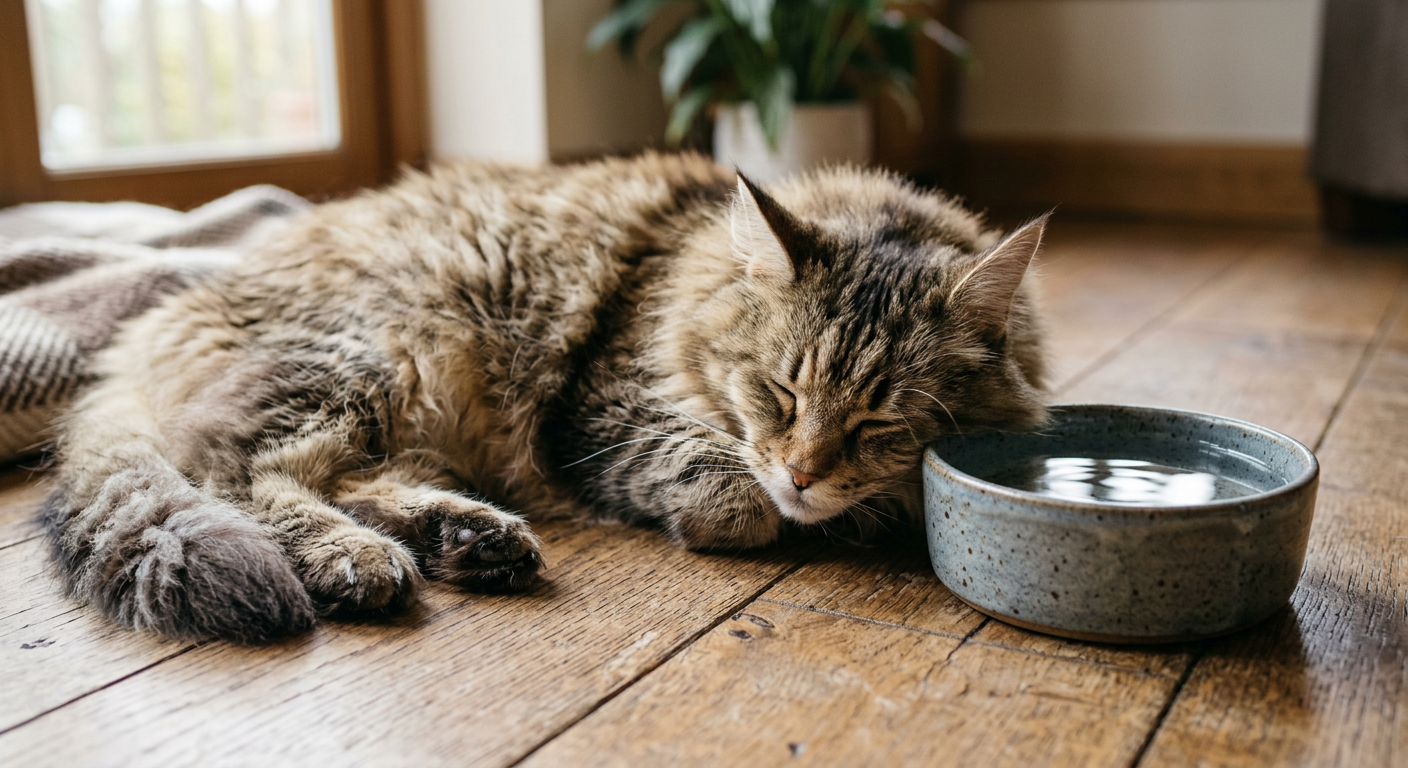
It can be difficult to tell exactly how much your cat is drinking, especially in multi-pet households. To get an accurate picture, start by measuring the amount of water you put in the bowl each morning. At the end of 24 hours, measure what remains to see the total volume consumed.
You should also pay attention to the litter box. Increased thirst almost always leads to increased urination (polyuria). If you notice larger clumps in the litter or that you are cleaning the box more frequently, this confirms that the increased intake is significant. Monitoring these habits is a vital part of recognizing behavioral and physical changes.
Signs to Discuss With Your Vet
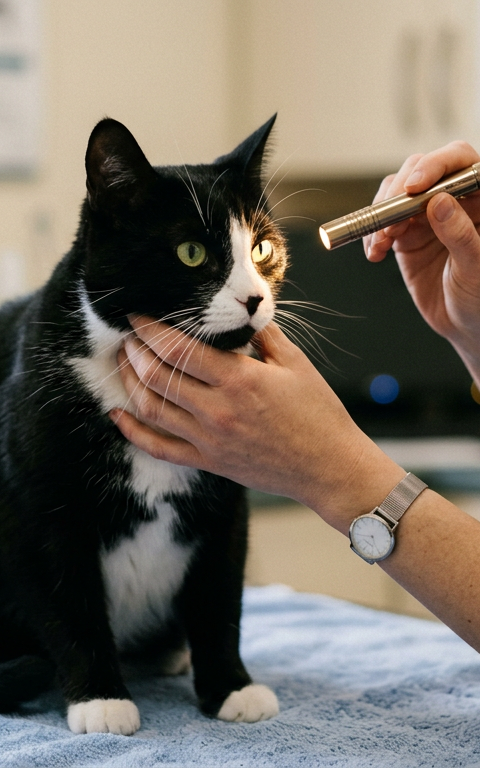
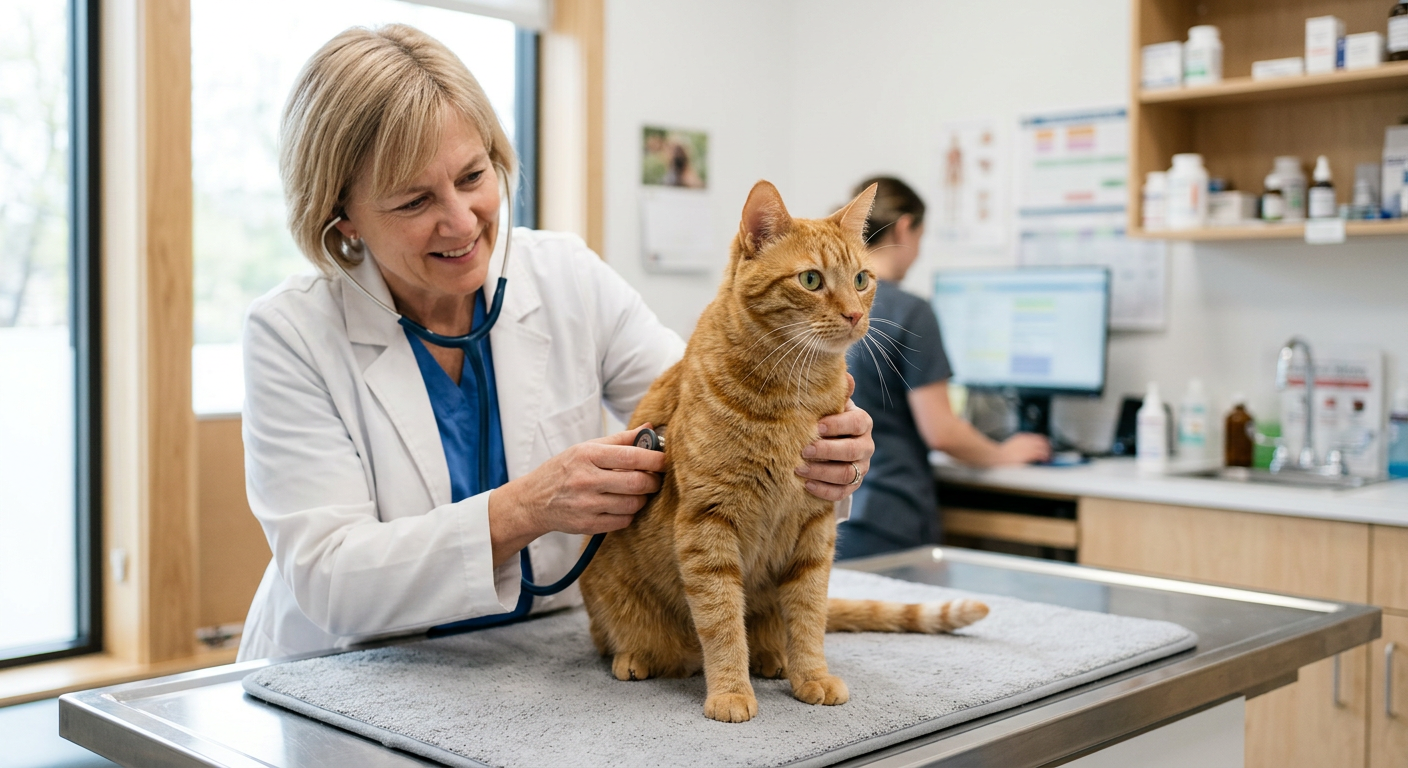
If you notice any of the following symptoms alongside increased thirst, it is time to schedule a wellness check with your veterinarian:
- Unexplained weight loss despite a good appetite.
- Changes in vocalization or restlessness.
- Lethargy or sleeping more than usual.
- Poor coat quality or lack of grooming.
- Vomiting or changes in appetite.
The Role of Age and Breed
Age plays a massive factor in hydration needs. Kittens are highly active and have different metabolic rates than sedentary adults. Conversely, senior cats are more prone to the metabolic conditions mentioned earlier. If you are tracking the milestones of a Russian Blue or another breed, remember that "normal" behavior shifts as they move into their golden years.
Some breeds may also be more predisposed to certain conditions. For example, some purebred cats have a higher genetic likelihood of developing kidney issues. Keeping a journal of their daily habits can help your vet identify patterns early on, leading to better wellness outcomes.
Helping Your Cat Stay Hydrated Comfortably
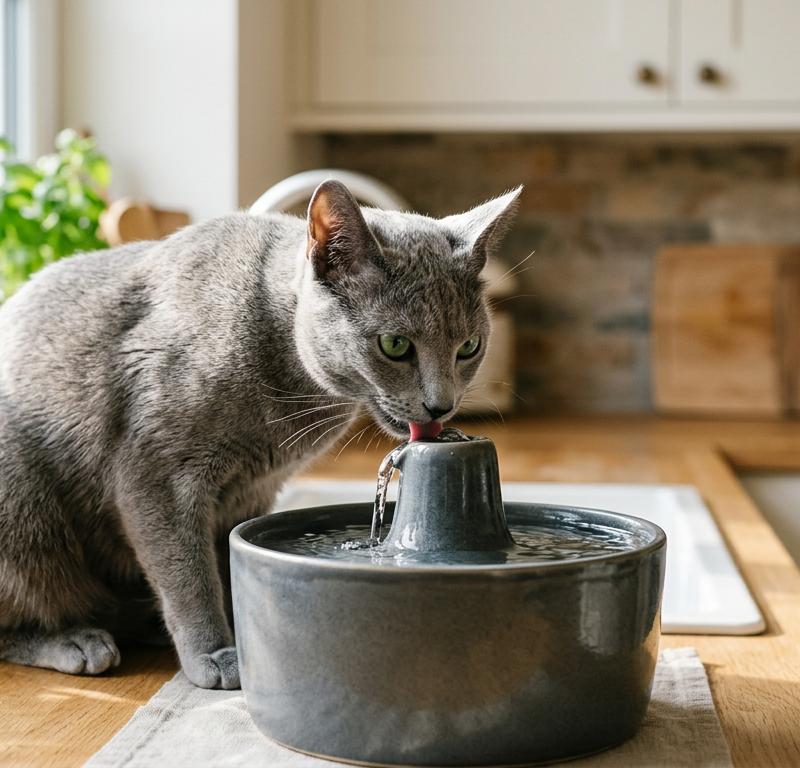
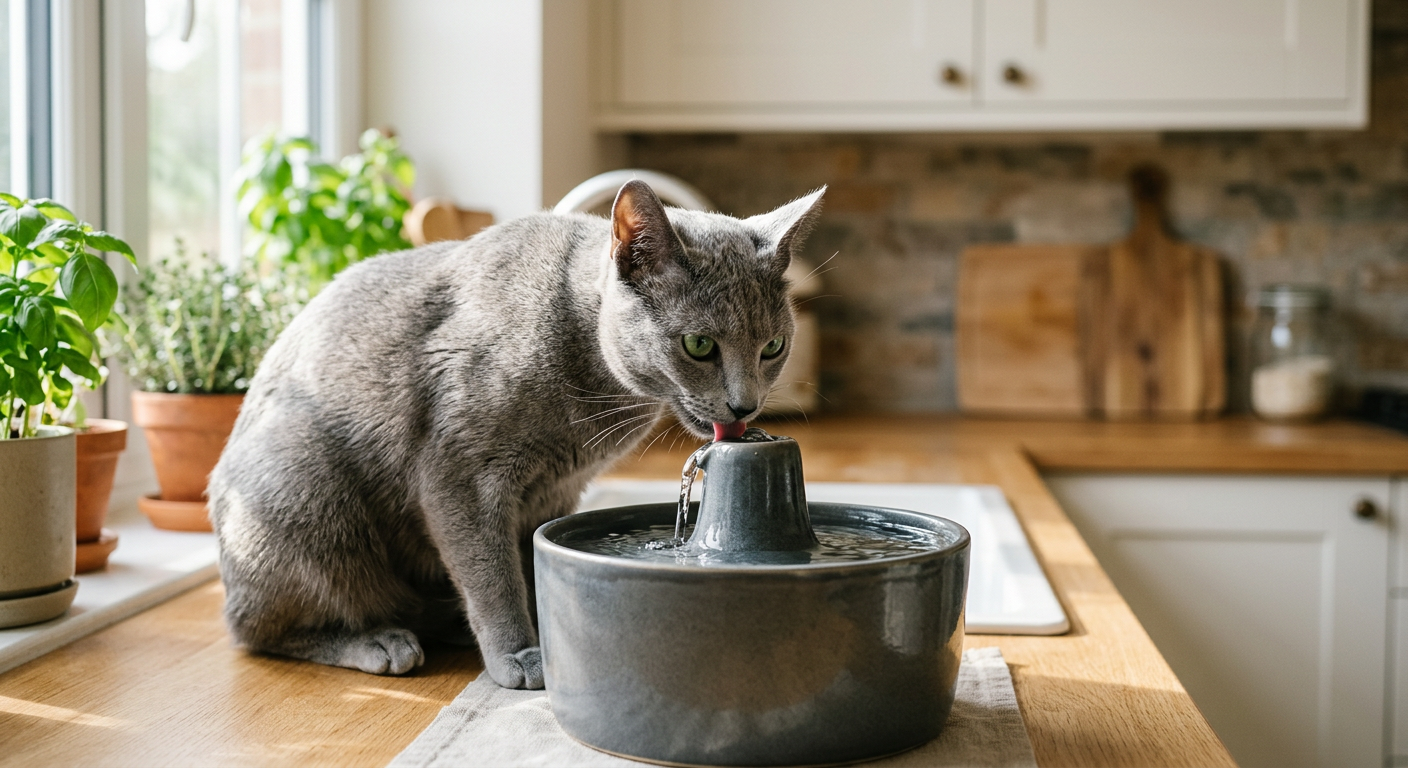
If your vet has determined your cat needs extra hydration for a health reason, there are ways to make drinking easier and more appealing for them. Many cats prefer running water over standing water in a bowl. A pet fountain can encourage more frequent sipping by appealing to their natural instincts for fresh, moving water.
You can also "bio-hack" their hydration by adding a splash of tuna juice (unsalted) or plain chicken broth to their water. Switching back to a partial or full wet-food diet is often the most effective way to increase moisture intake without the cat needing to visit the bowl constantly. Ensuring your cat is comfortable and hydrated is a cornerstone of proactive pet care.
Conclusion
If you find yourself asking why is my cat drinking water more often than usual, remember that you are doing the right thing by paying close attention. Most changes in thirst can be managed effectively when caught early through regular veterinary visits and attentive home care. By staying observant and providing a stress-free environment, you are ensuring your feline companion enjoys a happy, healthy life by your side.