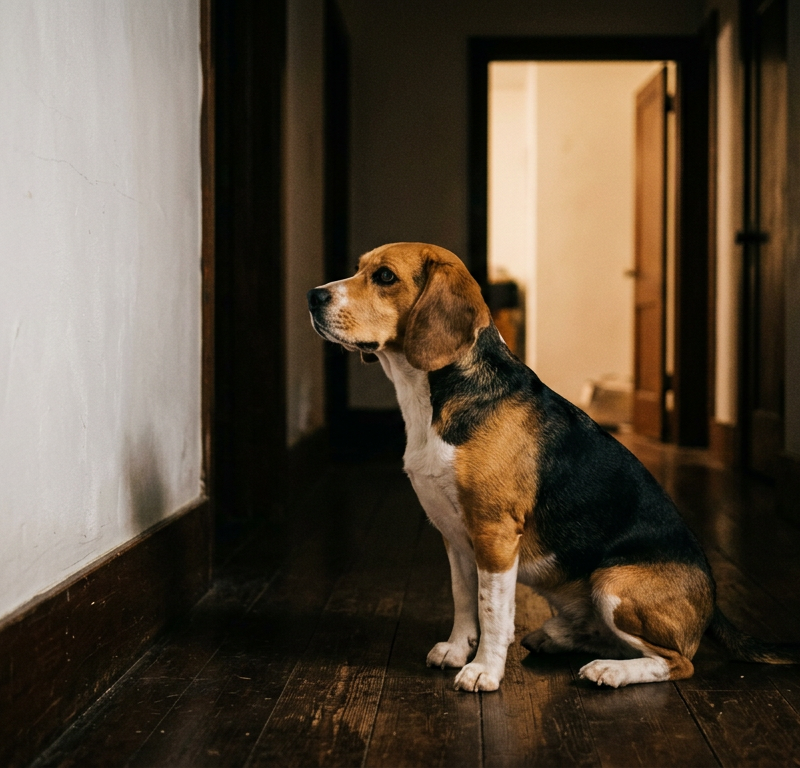
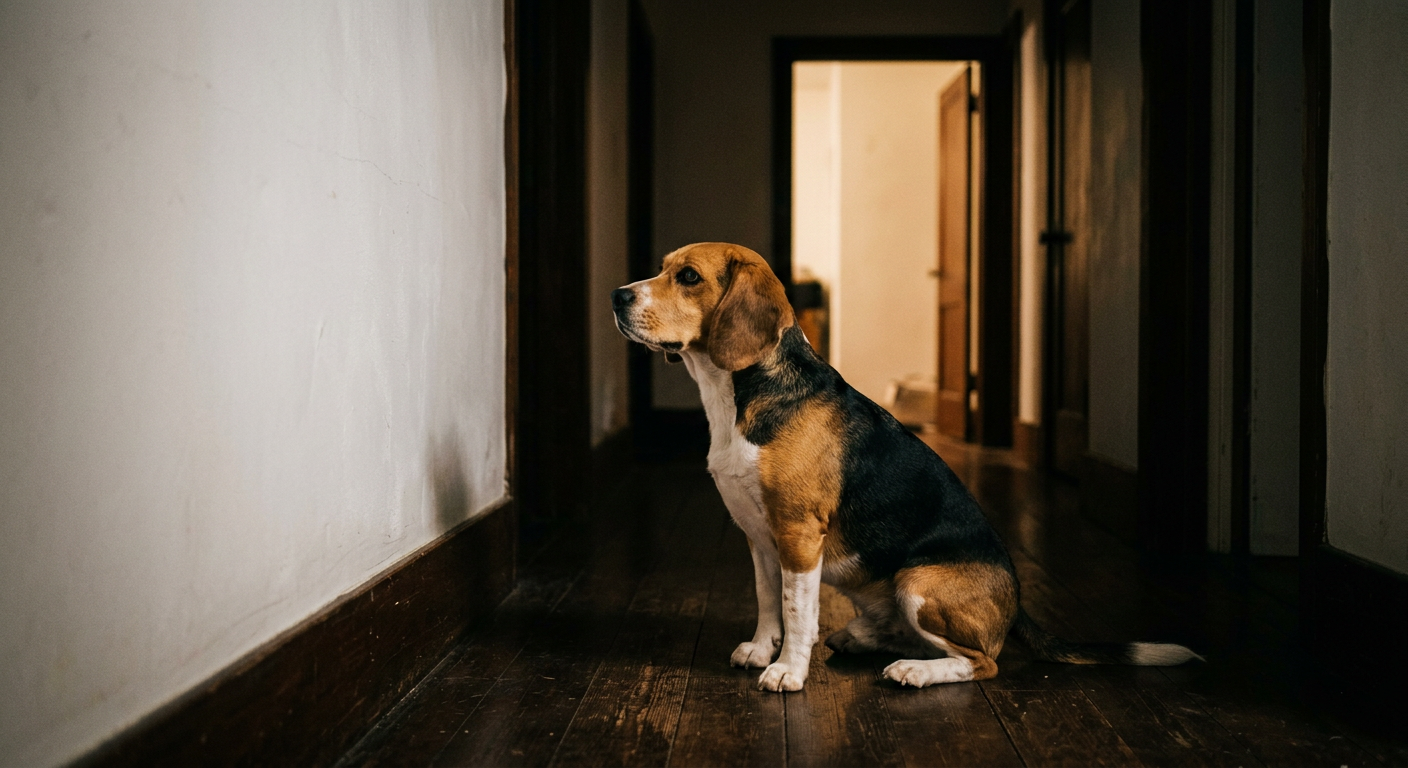
Discovering your canine companion standing motionless in a dark hallway can be a puzzling experience. You might find yourself wondering why does my dog stare at the wall at night when the rest of the house is quiet and still. While this behavior can feel a bit eerie to us, dogs often have very practical or biological reasons for focusing their attention on a flat surface or a seemingly empty corner.
Understanding these nighttime habits is part of being a proactive pet parent. Dogs experience the world through senses that are far more sensitive than our own, meaning they often perceive things we completely miss. By looking into the physical, environmental, and age-related factors involved, you can better support your dog's well-being and get everyone back to a restful night of sleep.
Sensory Sensitivity and Nighttime Noises
One of the most common reasons your pet might be fixated on a partition is their incredible sense of hearing. Dogs can hear frequencies much higher than humans can, and they can detect sounds from much further away. At night, when the television is off and the household is quiet, these sounds become much more apparent to them.
Your dog might be tracking the sound of a small critter, like a mouse or an insect, moving within the drywall. They could also be listening to the settling of the house or water moving through pipes. Because they can't see the source of the sound, they stare intently at the spot where the noise is most concentrated, waiting for further movement.
Vision in Low Light
In addition to hearing, a dog's vision works differently than ours in the dark. Dogs have a structure called the tapetum lucidum, which reflects light back through the retina to help them see in dim conditions. They may be catching a glimpse of a faint reflection, a shadow from a streetlamp, or even a tiny dust mote floating in a beam of moonlight.
If your dog is staring at a specific spot, they might be trying to make sense of a visual "glitch" that our human eyes aren't sharp enough to pick up in the dark. This visual processing often looks like deep concentration or "spacing out" to us, but for them, it is an active investigation of their environment.
Cognitive Wellness and Aging
As dogs enter their golden years, their behaviors can change significantly. If you have a senior pet, you might notice them appearing lost or confused in familiar surroundings. This is a common topic for owners of older animals who are navigating the aging process alongside their pets.
If your pet is also showing signs of restlessness, you might find our guide on old dog waking up confused at night helpful for understanding these transitions. Cognitive dysfunction syndrome (CDS) in dogs is similar in some ways to dementia in humans and can lead to a dog "getting stuck" in a corner or staring at a wall because they have momentarily lost their sense of space.
- Getting stuck in corners or behind furniture.
- Decreased interaction with family members.
- Changes in sleep-wake cycles.
- Forgetting basic house training rules.
Managing these changes often involves keeping a consistent routine and making the home environment as predictable as possible. If you suspect your senior dog is experiencing cognitive changes, a consultation with your veterinarian can help you develop a supportive care plan.
Health and Wellness Considerations
Sometimes, staring at a blank surface can be a physical symptom rather than a behavioral quirk. Certain neurological conditions or metabolic issues can cause a dog to "press" their head against a wall or simply stand and gaze at it for long periods. If your dog is actually pressing their forehead firmly against the wall, this is known as "head pressing" and requires immediate veterinary attention.
Seizure activities can also manifest in unusual ways. While we often think of seizures as involving convulsions, focus-related seizures (focal seizures) can cause a dog to go "absent" and stare into space. If your dog doesn't respond when you call their name or seems unable to break their gaze, it’s important to document the event and show the video to your vet.
The Role of Breed and Age
Different breeds may display these tendencies more than others based on their original working roles. For instance, a German Shepherd might be more prone to "guarding" behaviors or being hyper-alert to outdoor sounds than a breed that is less naturally protective. You can also see how different breeds age by using our Beagle vs Boxer comparison tool to understand how size impacts longevity and behavior.
Environmental Factors at Play
Is there something new in your home? Sometimes even the smallest change can cause a dog to fixate on a wall. A new air freshener, a subtle change in the smell of the paint, or even a new electronics charger that emits a high-pitched hum can draw a dog’s attention. Their sense of smell is thousands of times more acute than ours, and a strange scent behind a wall can lead to long periods of sniffing and staring.
Temperature changes can also play a role. If a wall is particularly cool or warm due to insulation or sunlight patterns from earlier in the day, a dog might be drawn to the thermal difference. While it looks like they are "staring," they may actually be enjoying the temperature shift or wondering why a specific spot feels different than the rest of the room.
How to Respond to Your Dog
If you find that your dog is frequently staring at the wall at night, the first step is to gently redirect their attention. Use a calm tone and offer a favorite toy or a small treat to see if they can easily break their focus. If they respond quickly and return to their bed, it was likely just a passing curiosity about a sound or shadow.
However, if your dog seems "locked" onto the wall or displays other signs of anxiety, you may want to look into other nighttime behaviors. Many owners find that this behavior is linked to general restlessness. Reading about why dogs act strange at night can provide broader context for these evening episodes.
Consider keeping a log of when the behavior happens. Note the following details:
- The exact time of night.
- How long the staring lasts.
- Whether there were any noises outside (wind, rain, sirens).
- The dog's body language (tail tucked, ears forward, or relaxed).
Creating a Restful Environment
To help reduce nighttime distractions, you can try creating a more sensory-neutral environment for your pet. White noise machines can help drown out the sound of mice in the walls or neighbors walking by. Using blackout curtains can eliminate the moving shadows and light reflections that might capture a dog's visual attention.
Ensuring your dog has had enough physical and mental stimulation during the day is also key. A bored dog is more likely to go looking for "entertainment" in the form of shadows and minute sounds. Puzzles, long walks, and training sessions can help ensure they are ready for deep sleep when the lights go out.
If you find your dog is not just staring but actively moving around, you might be dealing with a dog pacing the house at 2am suddenly, which can sometimes be related to physical discomfort or the need for a bathroom break. Addressing these basic needs can often resolve the wall-staring behavior quickly.
Conclusion
While it can be startling to see, the question of why does my dog stare at the wall at night usually has a logical explanation rooted in their superior senses or the natural aging process. Whether they are hunting a moth, listening to a neighbor, or experiencing minor cognitive shifts, your calm and observant response is the best support you can offer.
By monitoring their behavior and consulting with a veterinarian, you can ensure that your dog remains comfortable and healthy. Most of the time, these quiet moments of wall-staring are just another quirk of living with a creature who perceives the world in a much more vivid way than we do.