Understanding Your Protective Companion
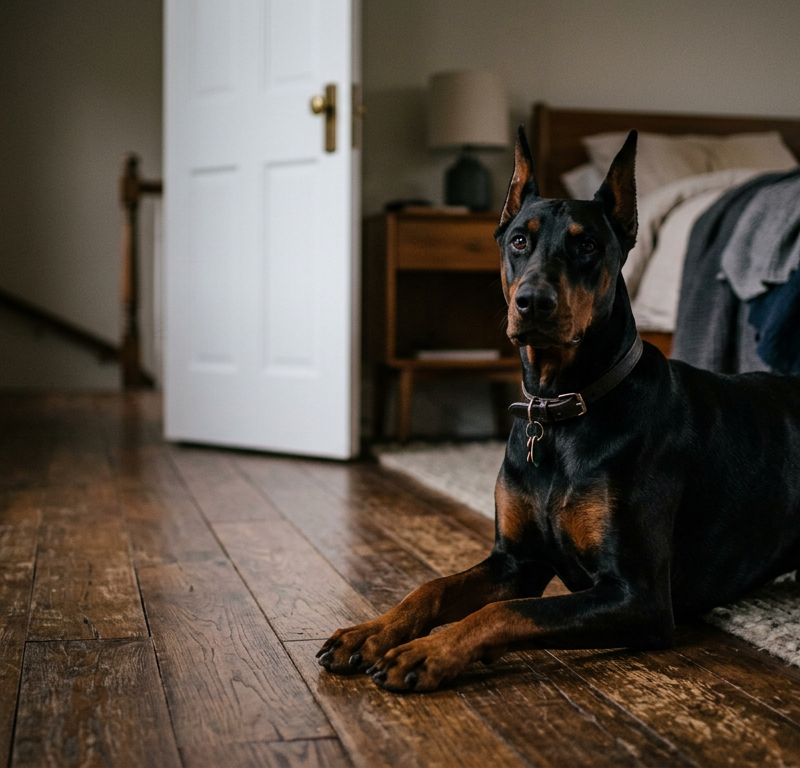
As you settle in for the night, you might notice your four-legged friend positioning themselves in a very specific way. You may wonder, why does my dog sleep facing the bedroom door at night? This behavior is remarkably common across many breeds and usually stems from a combination of natural instincts and a deep-seated love for their family members. By choosing this vantage point, your dog is creating a secure environment for both themselves and their favorite humans.
Dogs are naturally social animals that view their human family as their pack. In the wild, pack members take turns staying alert to ensure the safety of the group. Even though our modern homes are very safe, these ancestral behaviors remain hardwired into their DNA. Your dog isn't necessarily expecting a problem; they are simply performing a role that feels natural to them.
If you have an older companion, you might notice their sleeping habits shifting over time. It is always helpful to monitor these changes, especially in senior dogs. You can learn more about how your pet is aging by using our German Shepherd age calculator or checking the specific milestones for your dog's breed to better understand their changing needs.
The Guardian Instinct
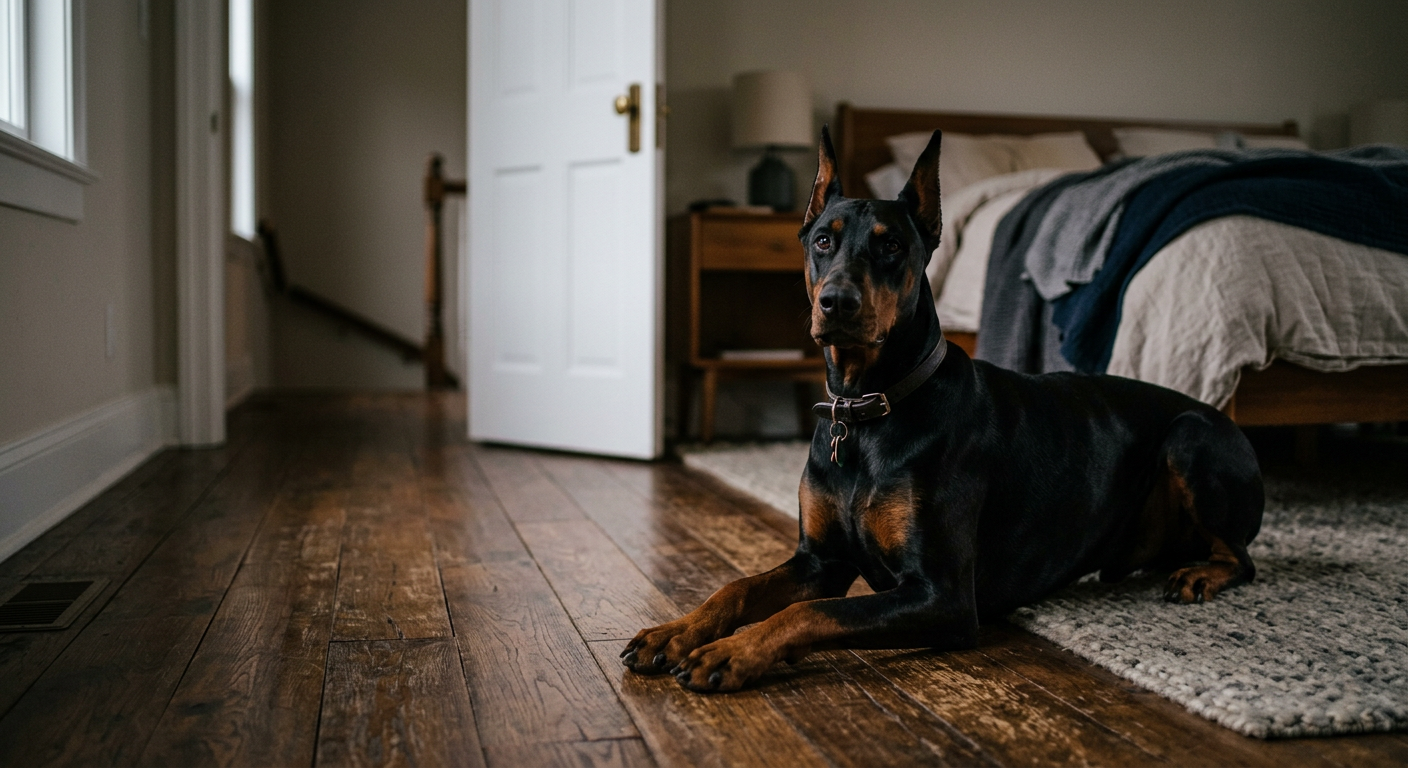
The most straightforward explanation for why your dog faces the exit is their protective nature. By keeping their nose or eyes toward the door, they are the first line of defense against any unexpected sounds or visitors. This position allows them to monitor the hallway and the rest of the house while still being close to you.
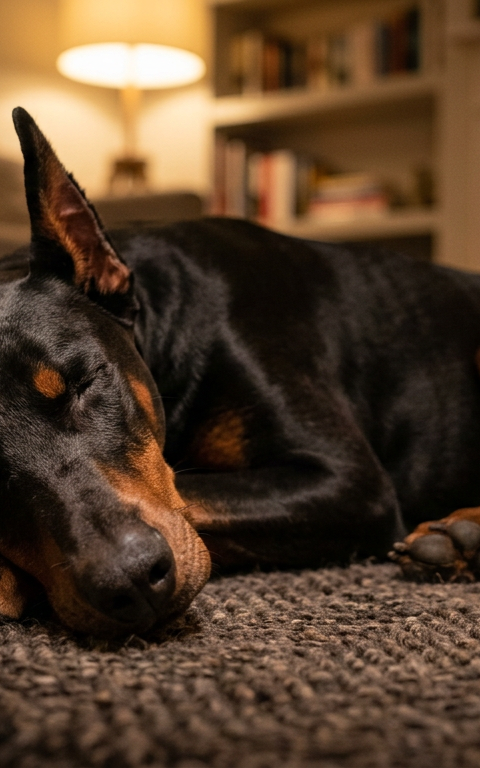
This behavior is particularly prevalent in working breeds, such as Dobermans or German Shepherds, who were historically bred to guard property and people. Even in a quiet suburban home, the drive to "watch the perimeter" is strong. They aren't living in fear; rather, they are finding fulfillment in their job as a loyal companion.
Strategic Positioning and Safety
When a dog sleeps with their back to you and their face toward the door, it is actually a sign of immense trust. In the animal kingdom, the back is a vulnerable area. By turning their back to you, they are signaling that they feel completely safe in your presence. They trust you to "have their six" while they monitor the entry point.
This layout also provides the dog with the best exit strategy. Should a noise occur in another part of the house, they are already oriented to investigate quickly. It is a tactical choice that allows for a swift transition from rest to action. If you notice your pet is not just sleeping but also pacing the house at night, it may be worth investigating if there are external noises or environmental factors at play.
The "Den" Mentality
For a dog, the bedroom is their den. In a natural den, the entrance is the most critical point to monitor. By sleeping at the door, your dog is essentially "sealing" the den. This provides them with a sense of psychological comfort, knowing that nothing can enter the space without their knowledge.
Many owners find this behavior comforting, but it can sometimes be a sign of mild hyper-vigilance. If your dog seems unable to settle or if they are acting strange at night, it might be helpful to look into calming routines. A consistent bedtime and a comfortable, dedicated sleeping spot can help them relax their "guard duty" and get deeper rest.
Temperature and Comfort Factors
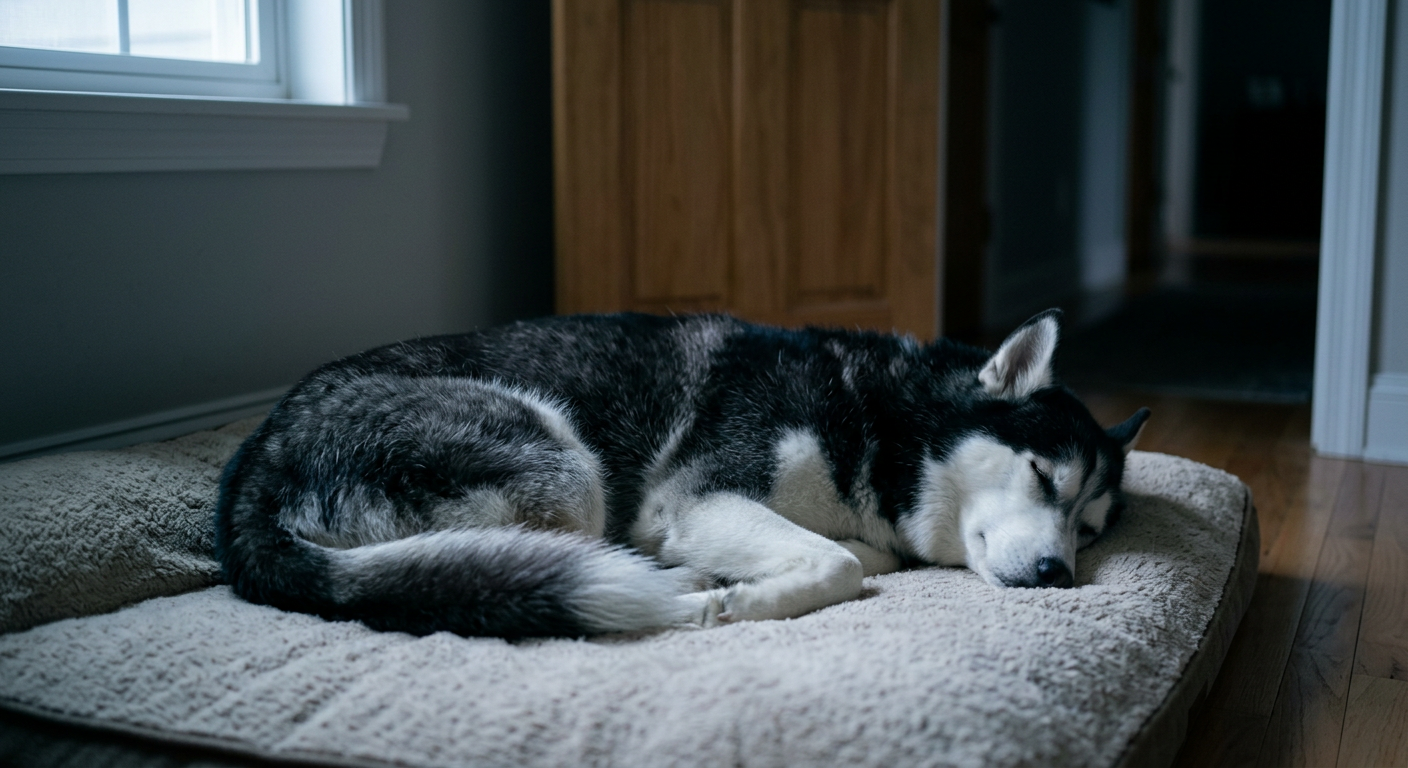
Sometimes the reason for a dog facing the bedroom door at night isn't about protection at all—it's about basic physics. Doors often have slight gaps at the bottom that allow for better airflow. If your dog is feeling a bit warm, they might gravitate toward the door to catch a cool breeze or a draft coming from the hallway.
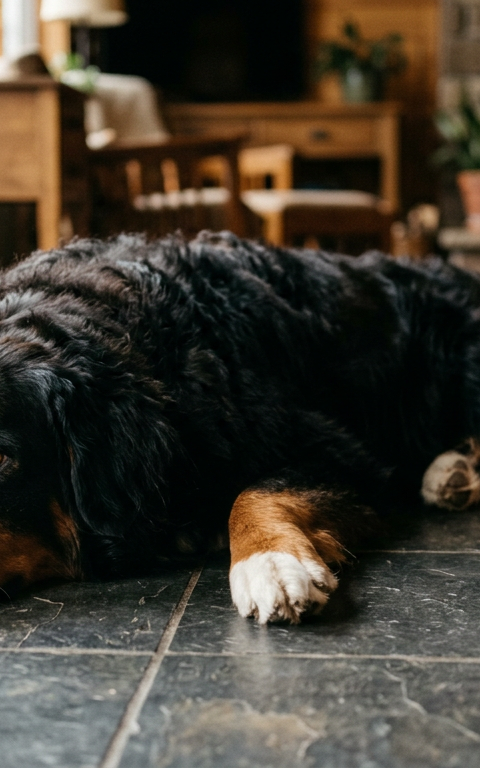
Additionally, the flooring near a door is often different from the flooring near a bed. If you have carpet in the room but hardwood in the hall, the area near the door might be cooler. Dogs are experts at finding the "Goldilocks zone" in a room where the temperature is just right for a long night of sleep.
- Airflow: Hallways often act as wind tunnels for HVAC systems.
- Surface Temperature: Tile or wood near entryways stays cooler than plush rugs.
- Space: The area near a door often has more open floor space for stretching out.
Monitoring Changes in Senior Dogs
While sleeping toward the door is usually a lifelong habit, a sudden change in where or how your dog sleeps can be noteworthy. For older dogs, positioning themselves near the door might be a way to ensure they have a clear path to the bathroom or water bowl. Cognitive changes can also play a role in how a senior dog perceives their environment at night.
If you notice an old dog waking up confused or choosing to sleep in unusual places, it is always a good idea to consult your veterinarian. They can help rule out wellness considerations like vision loss or joint discomfort that might be influencing your pet's choice of sleeping arrangements.
Comparing Breed Behaviors
Different breeds have varying levels of "door-watching" tendencies. For example, a Golden Retriever might be more likely to sleep right against your bed for physical contact, while a Great Pyrenees might insist on sleeping across the threshold. You can explore these personality differences in our breed comparisons, such as the German Shepherd vs Labrador Retriever guide, to see how guarding instincts differ between popular breeds.
When to Consult a Professional
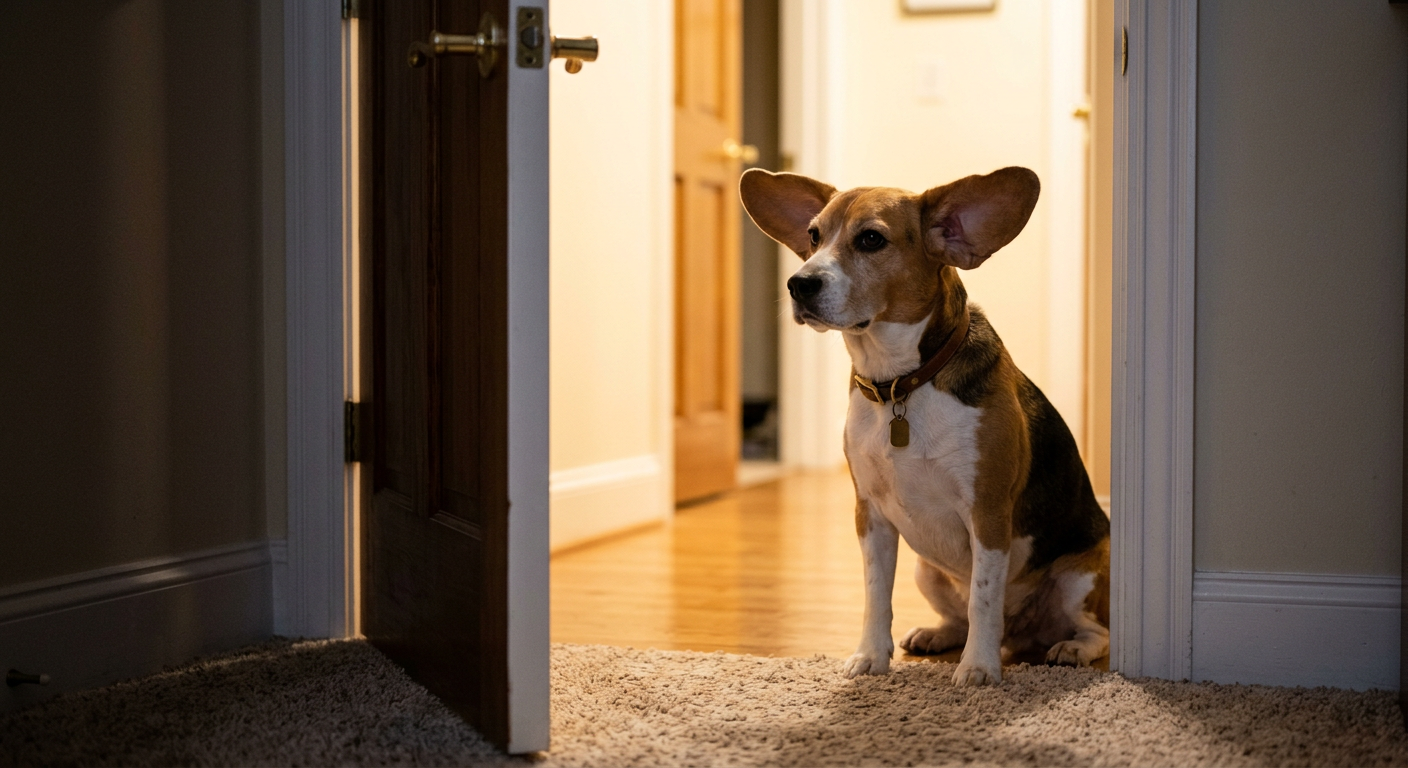
In the vast majority of cases, your dog facing the entrance is a healthy, normal behavior. However, there are a few signs that your dog’s nighttime vigilance might be causing them stress. If your dog is unable to fall into a deep sleep, reacts aggressively to normal household sounds, or shows signs of separation anxiety when they can't see the door, it may be time to speak with a professional trainer or a veterinarian.
Proactive care involves observing your dog's "baseline" behavior. If they have always slept toward the door and seem rested and happy during the day, there is likely no cause for concern. They are simply being the loyal guardians they were born to be. If you see your dog staring at the wall at night or exhibiting other repetitive behaviors, these are the moments to seek expert advice.
Creating the Perfect Sleeping Environment
To support your dog's natural instincts while ensuring they get quality rest, consider the following tips for your bedroom setup:
- Provide Options: Place a comfortable bed near the door and another near your own bed so they can choose based on their needs.
- Manage Light: If your dog is watching the door because of light filtering in from the hall, a nightlight or a draft stopper can help reduce visual stimulation.
- White Noise: If your dog is reacting to every tiny sound outside the bedroom, a white noise machine can help them relax and focus less on "guarding."
Understanding why your dog sleeps facing the bedroom door at night helps strengthen the bond between you and your pet. It reveals their inner world—one filled with loyalty, protective instincts, and a desire for comfort. By respecting these natural behaviors and providing a safe, comfortable space, you ensure that both you and your furry guardian get a peaceful night's sleep.
Whether they are a young pup learning the ropes or a seasoned senior, your dog's choice of sleeping position is a beautiful reflection of their role in your family. Always keep an eye on their overall wellness, and don't hesitate to reach out to a vet if you notice any sudden shifts in their nighttime routine.