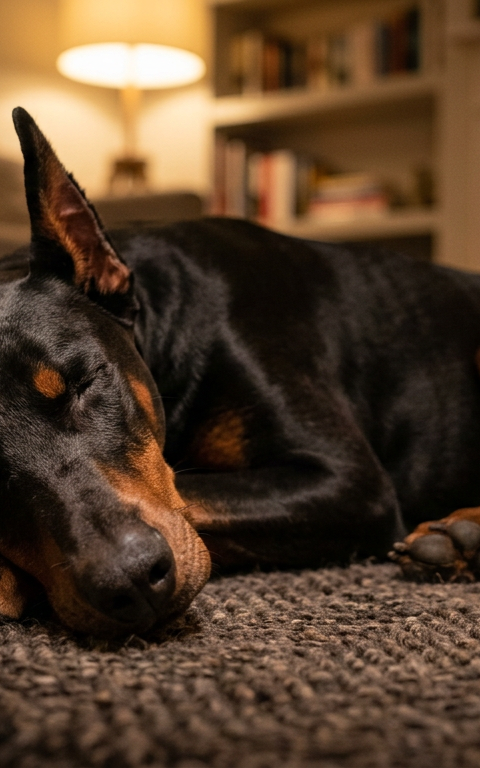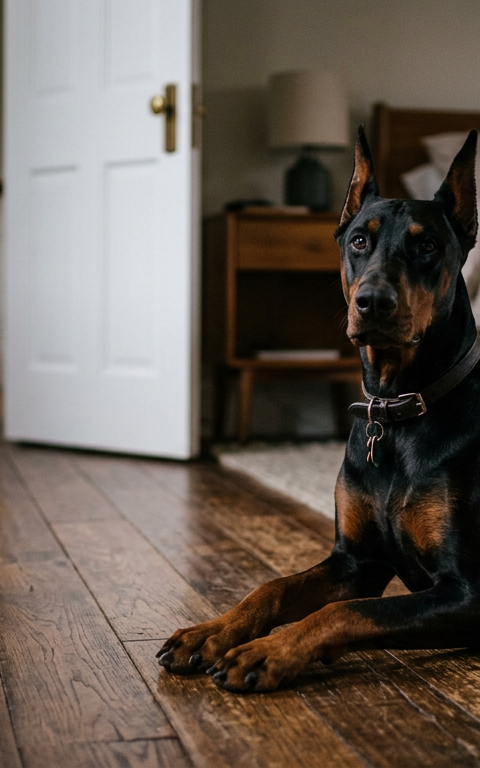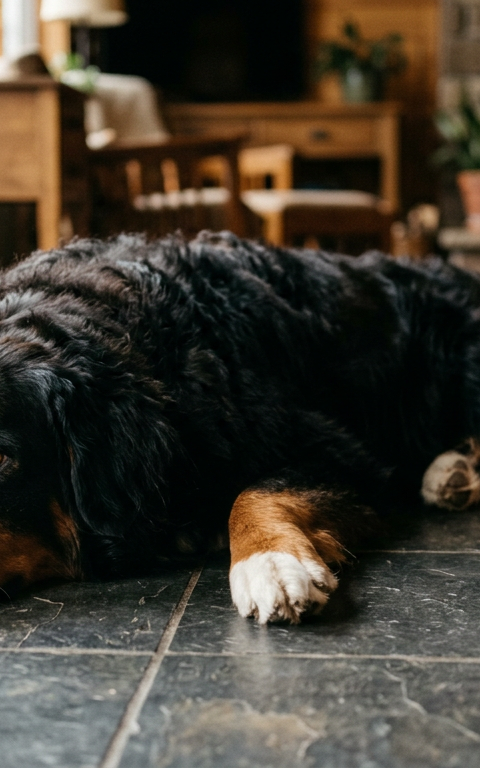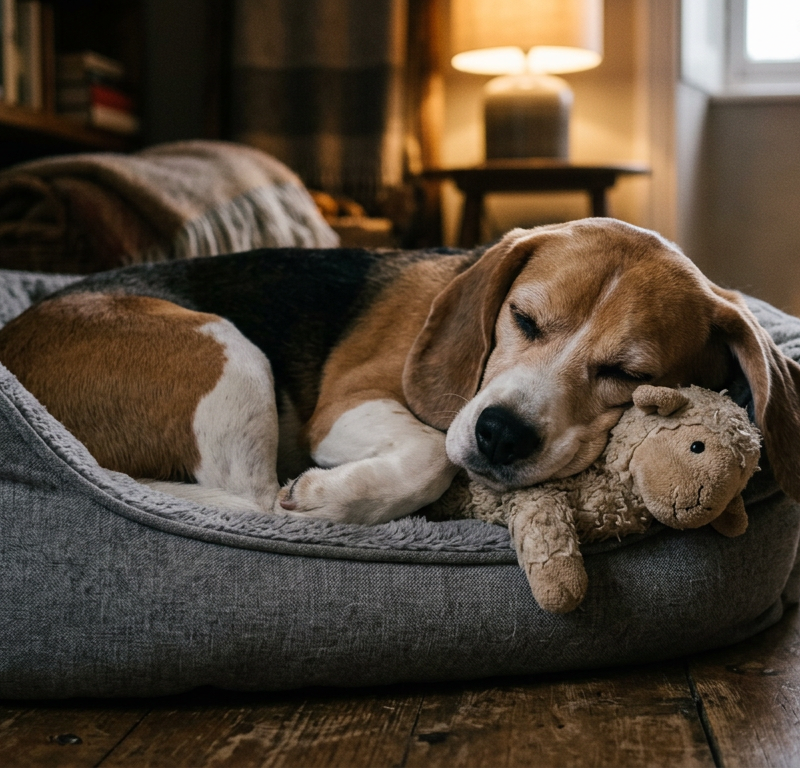
It is one of the most endearing sights a pet parent can witness: your furry friend trotting toward the bedroom with a squeaky plush or a favorite rope in their mouth. You might find yourself wondering, why does my dog bring toys to bed at night? While it might seem like a simple invitation to play, this behavior is actually a complex mix of instinct, affection, and comfort-seeking.
Understanding your companion's nighttime habits helps strengthen the bond you share. Whether they are tucking in a stuffed animal or keeping a ball close by their side, these actions are rooted in their evolutionary history and their modern-day relationship with you. Let us explore the various reasons behind this charming bedtime ritual.
The Instinctive Need for Security and Comfort
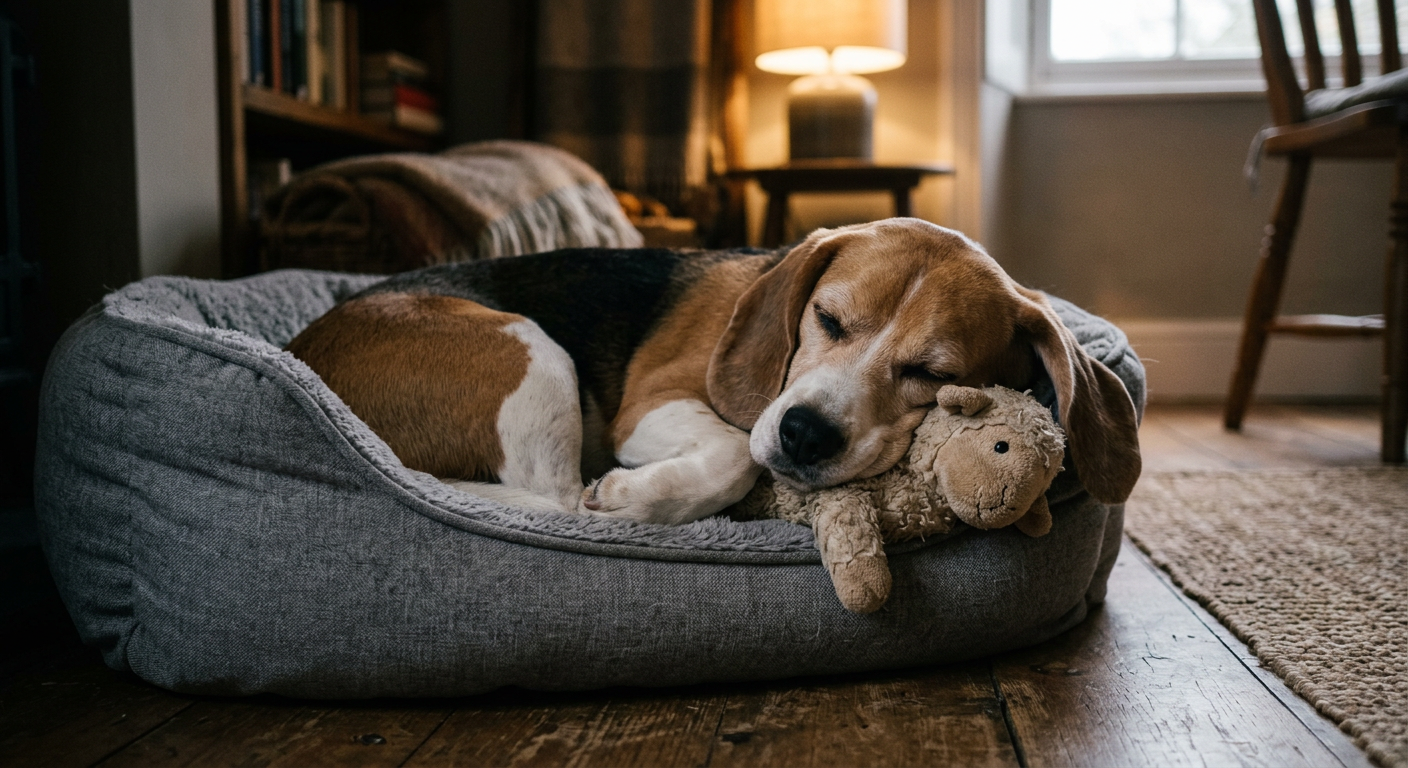
For many dogs, a toy is more than just a plaything; it is a "comfort object." Much like a child with a security blanket, dogs often seek out items that provide a sense of emotional stability. Bringing a toy to bed can help a dog feel safe as they settle down for the night, especially if they are prone to mild anxiety.
This behavior is particularly common in certain breeds that are known for being more sensitive or attached to their owners. For example, if you have a younger pet, you might use an age calculator for Golden Retrievers to see how their current developmental stage influences their need for security. Puppies often carry toys to mimic the feeling of sleeping with their littermates.
Scent and Familiarity
Toys carry the scent of the home, the owner, and the dog themselves. In the wild, a dog's ancestors would sleep in dens surrounded by familiar smells to mask their presence and feel protected. By bringing a toy to bed, your dog is creating a "scented" sanctuary that signals to their brain that it is time to relax.
A Display of Affection and Gifting
Have you ever noticed that your dog brings you a toy the moment you sit down in bed? This is often a form of "gifting." In the canine world, sharing a prized possession is a significant sign of trust and social bonding. They are not necessarily asking you to throw the ball; they are showing you that they value your company.
By placing their favorite item in the sleeping area, they are including the toy—and you—in their "inner circle." It is a way of saying that they feel most content when all their favorite things are in one place. This habit is often seen alongside other nocturnal movements, such as when a dog is pacing the house at 2am suddenly before deciding to settle down with a toy.
The "Retriever" Instinct
Certain breeds are genetically predisposed to carrying things in their mouths. Retrievers, Spaniels, and Shepherds have been bred for generations to pick up and carry items. For them, holding a toy is a self-soothing mechanism that satisfies a deep-seated biological urge. Even if they aren't working in a field, the act of "retrieving" a toy to bring to bed feels productive and satisfying.
Prey Drive and Resource Guarding
While most toy-carrying is rooted in affection, there are ancestral instincts at play as well. Some dogs view their toys as "prey." In a domestic setting, "killing" a squeaky toy satisfies their hunting drive. Bringing that "prey" to their sleeping area is a way of keeping it safe from other "predators"—including the vacuum cleaner or other pets.
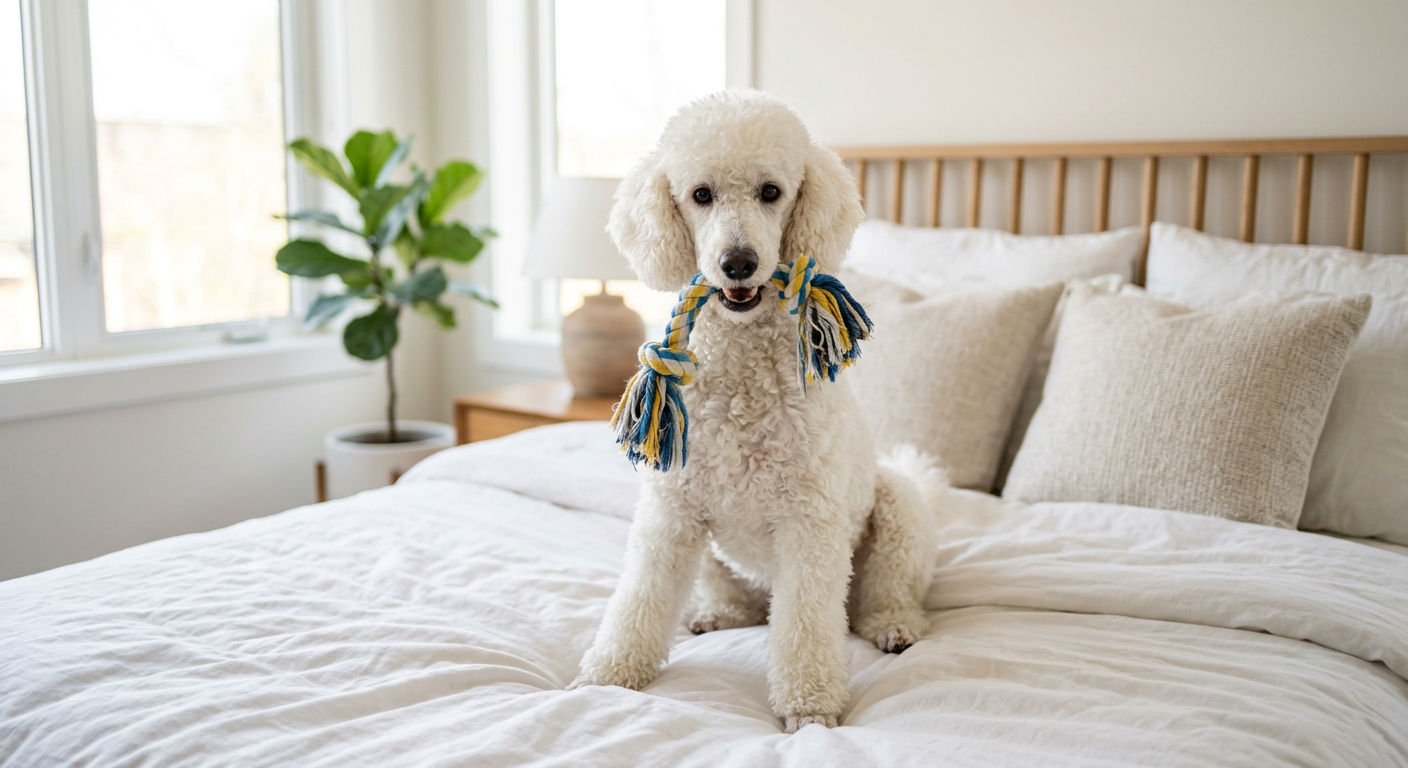
If your dog sleeps with their toy tucked strictly under their chin or paws, they might be practicing a mild form of resource guarding. As long as they are not showing aggression, this is usually just a harmless way of ensuring their favorite item is exactly where they left it when they wake up. If you are curious how different breeds handle "possessions," you might look at a Boxer vs Rottweiler comparison to see how protective instincts vary between working breeds.
Managing Bedtime Toy Rituals
While the behavior is generally harmless, there are a few things pet parents should keep in mind to ensure a restful night for everyone. If your dog prefers toys that squeak loudly, you might find your sleep interrupted by a midnight "hunt."
- Choose "Quiet" Toys: Provide soft, plush toys without squeakers for nighttime use to prevent noise.
- Wash Regularly: Since these toys spend a lot of time in your bed, ensure they are laundered frequently to remove bacteria and allergens.
- Check for Safety: Regularly inspect bedtime toys for loose parts or stuffing that could become a choking hazard during the night.
If you notice that your dog’s nighttime habits are changing as they get older, it can sometimes be a sign of cognitive shifts. A senior dog waking up confused might start carrying toys more frequently as a way to orient themselves and find comfort in the dark.
When the Behavior Becomes Restless
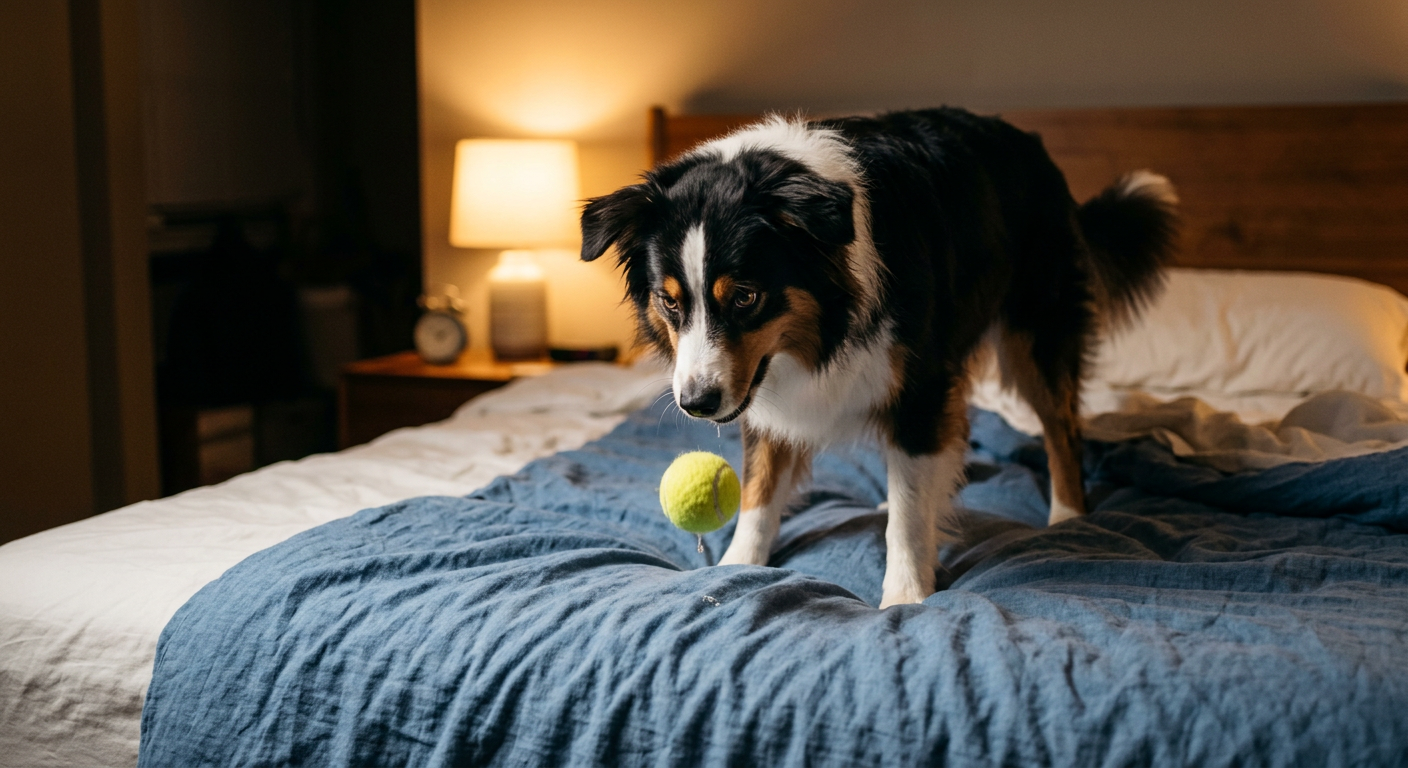
Sometimes, bringing a toy to bed is a sign that your dog has too much "pent-up" energy. If they are dropping the toy on your face or nudging you repeatedly, they might be signaling that their exercise needs weren't fully met during the day. In these cases, the toy is a tool for communication rather than just comfort.
It is also helpful to distinguish between a dog who is happily settling with a toy and one who is struggling to find a comfortable position. We often see pet owners asking about a senior dog restless at night but not in pain; in these instances, a favorite toy can act as a bridge to help them settle into a deeper sleep.
Establishing a Routine
Dogs thrive on routine. If you encourage the "bedtime toy" ritual, it can actually help with sleep training. By giving your dog a specific toy only at night, you create a powerful association between that object and the act of sleeping. This "sleep cue" can be incredibly helpful for dogs that struggle with nighttime anxiety or those who tend to wander the house at night.
Conclusion
At the end of the day, when you ask why does my dog bring toys to bed at night, the answer is usually quite heartwarming. Your dog is likely seeking comfort, expressing their love for you, and following instincts that have been part of their DNA for thousands of years. It is a sign of a happy, well-adjusted pet who considers their sleeping area—and your presence—to be their ultimate safe haven.
Feeding into these small rituals can make your pet feel more secure and cherished. As long as the toys are safe and reasonably quiet, there is no reason not to let your dog enjoy their favorite "sleepy time" companion. If you ever have concerns about sudden changes in your dog's behavior or their ability to rest, always reach out to your veterinarian for a wellness checkup.