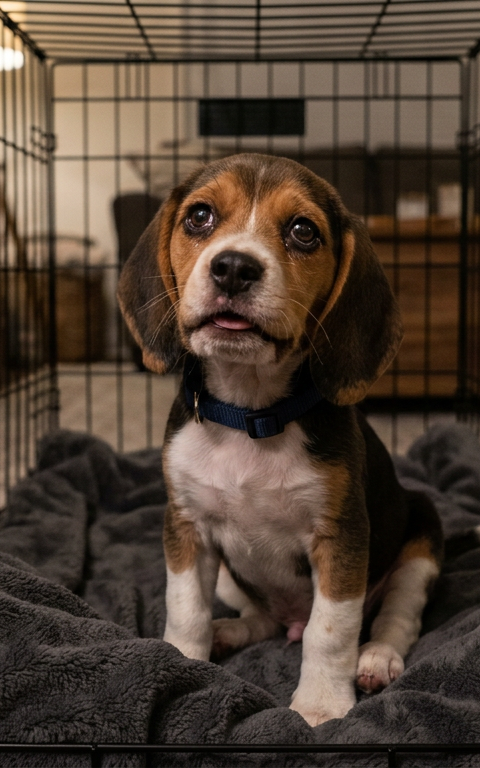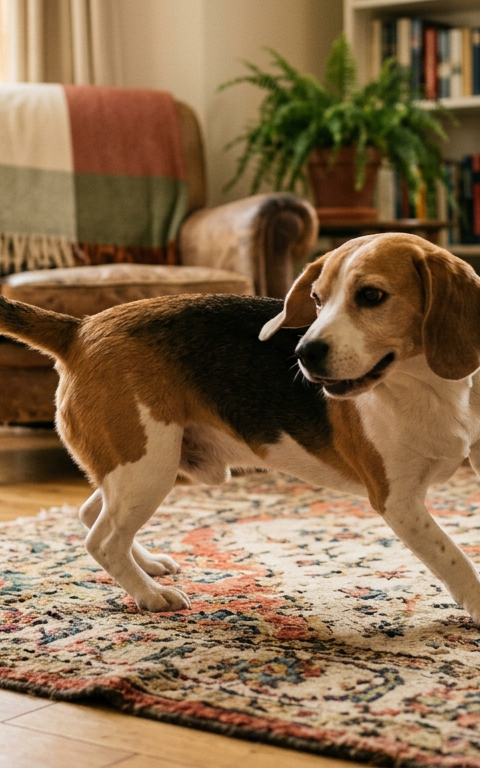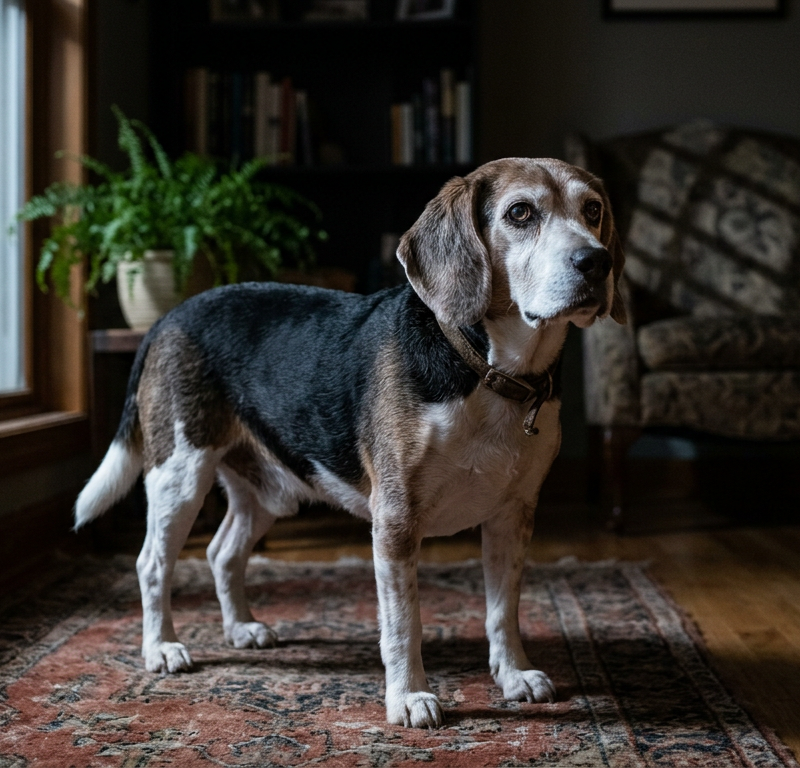
Watching your loyal companion enter their golden years is a rewarding experience, but it often brings a new set of nighttime challenges. Many owners find themselves awake in the early hours because their senior dog restless at night not in pain is pacing or unable to settle. It can be puzzling when your dog seems physically comfortable during the day yet becomes agitated once the sun goes down.
Understanding these shifts in behavior is the first step toward helping your pet get the restorative sleep they need. While pain is a common cause of insomnia in older pets, there are several cognitive and environmental factors that can cause a senior dog to stay awake. By looking at their routine and mental wellness, you can create a more peaceful environment for everyone in the household.
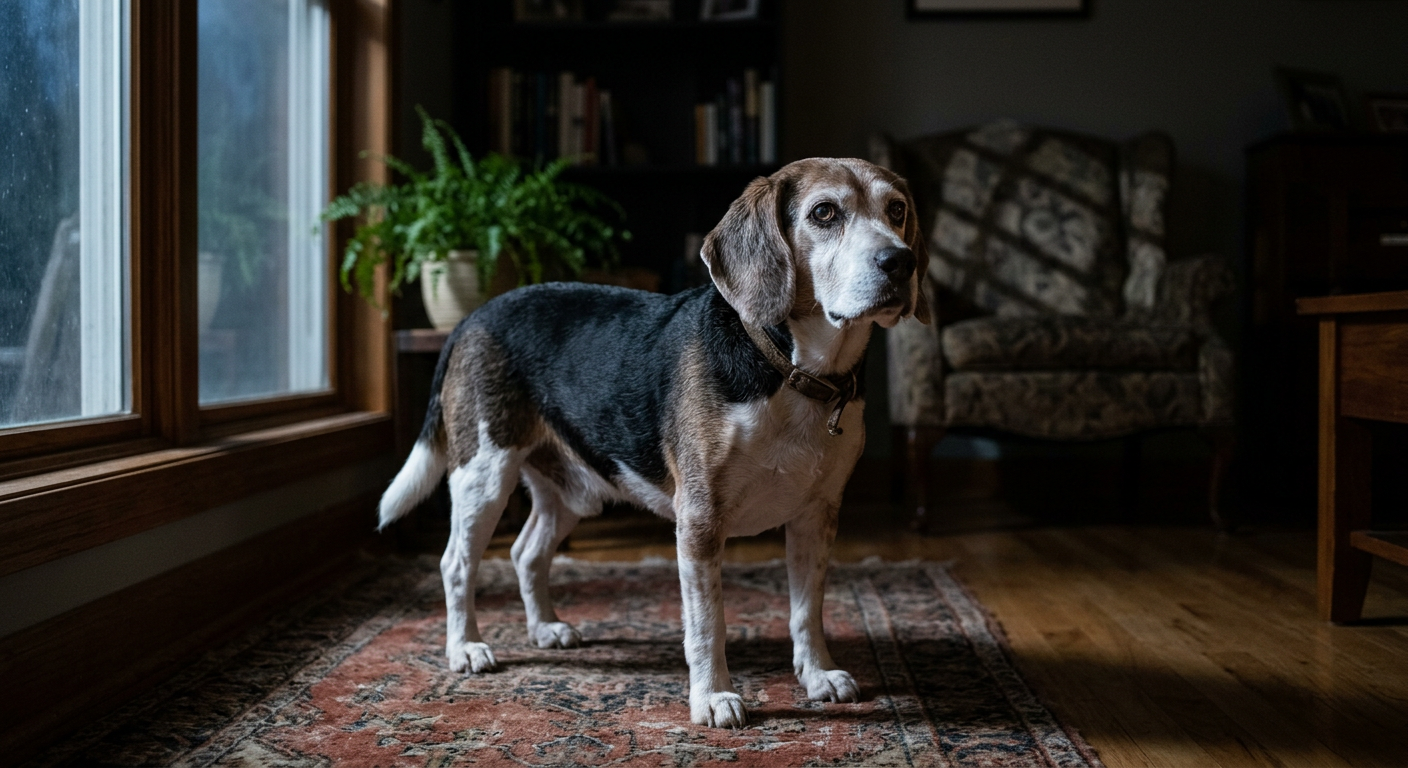
Common Reasons for Senior Nighttime Restlessness
When a senior dog is active at night but doesn't show signs of limping or physical distress, the cause is often related to their internal clock. Just like humans, dogs can experience changes in their sleep-wake cycles as they age. This shift often results in "sundowning," a term used to describe increased agitation that begins as daylight fades.
Anxiety also plays a massive role in senior dog behavior. An older dog might feel more vulnerable in the dark due to fading eyesight or hearing. If they wake up and can't immediately locate you, they may begin to pace or whine out of a need for security. You can learn more about these transitions in our guide on why dogs act strange at night.
Cognitive Changes and Brain Aging
Canine Cognitive Dysfunction (CCD) is often compared to dementia in humans. It can cause a dog to lose track of time, leading to them being awake when they should be asleep. These changes often manifest as wandering, getting stuck in corners, or appearing generally "lost" in their own home.
If you notice your dog staring blankly or acting confused, it might be helpful to read our article on an old dog waking up confused at night. These cognitive shifts are a natural part of the aging process for many breeds, but they can be managed with the right support from your veterinarian.
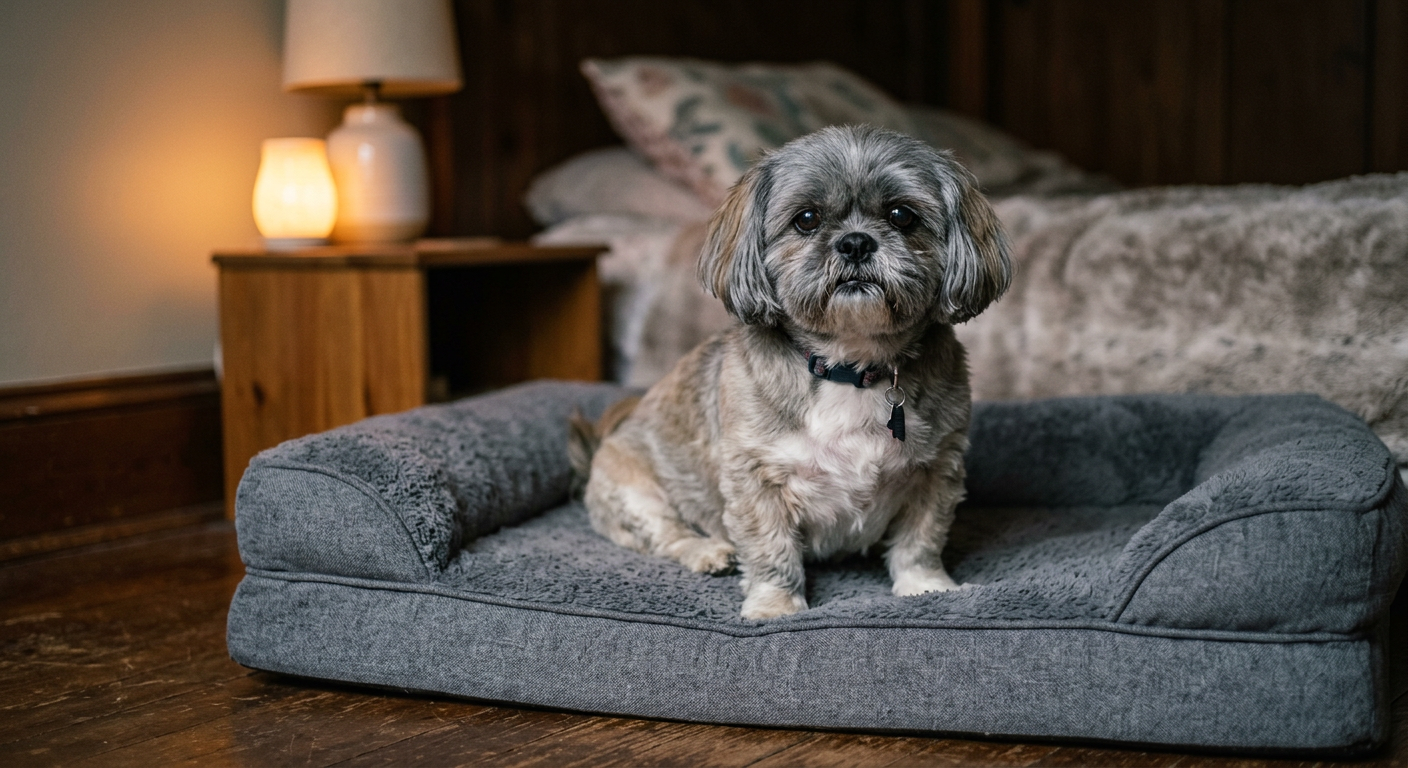
Environmental Factors and Sensory Decline
As dogs age, their senses may not be as sharp as they once were. A dog with cataracts or limited night vision may find the shadows in a dark room confusing or scary. This sensory decline can trigger a "fight or flight" response, causing them to pace the house in an attempt to find a "safe" or familiar spot.
Temperature sensitivity is another non-pain factor. Older dogs have a harder time regulating their body temperature. If the room is too cold or too drafty, they may move from spot to spot trying to get comfortable. Conversely, a bed that is too plush or thick might cause them to overheat, leading to restlessness and panting.
- Reduced Vision: Shadows can look like obstacles, causing hesitation and pacing.
- Diminished Hearing: High-pitched house noises (like a fridge hum) might become more noticeable or startling.
- Frequent Urination: While not a "pain" issue, the need to go more often can disrupt deep sleep cycles.
- Changes in Routine: Seniors thrive on predictability; even a small change in dinner time can cause nighttime anxiety.
The Role of Exercise and Mental Stimulation
It is a common misconception that senior dogs should spend all day sleeping. While they do need more rest, a lack of physical and mental activity during the day can lead to excess energy at night. If a senior dog isn't "tired out" by their daily activities, they may treat 2:00 AM as playtime or exploration time.
Gentle mental stimulation, such as puzzle toys or short training sessions, can help tire out an aging brain. For physical exercise, consider the specific needs of your breed. For example, a senior Border Collie will still require more mental engagement than a smaller breed might to ensure they are ready for sleep.
If your dog is physically restless and moving constantly, it might be worth checking if they are also displaying other behaviors. You can find more information in our post about a dog pacing the house at 2am suddenly.
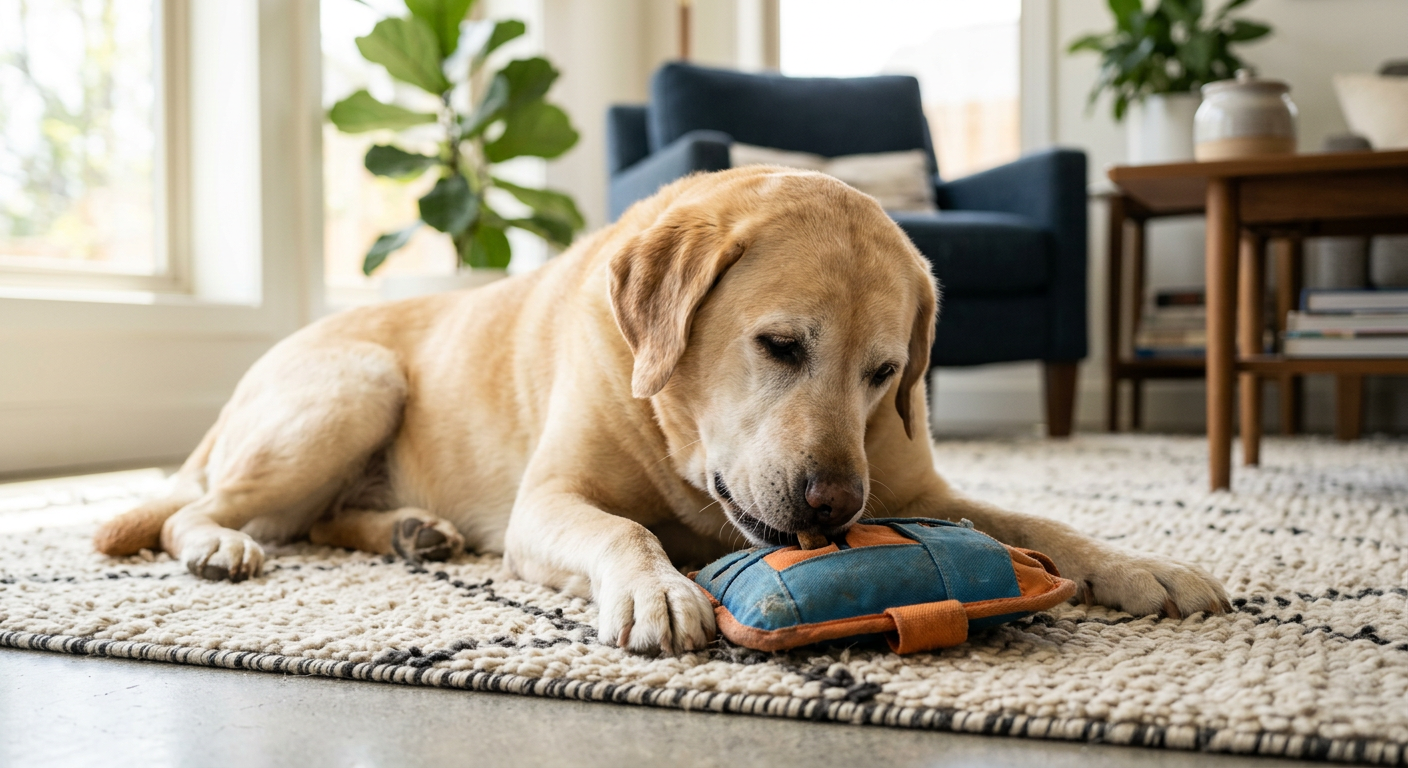
Creating a Soothing Sleep Environment
Modifying your dog's sleeping area can make a significant difference in how they settle. Ensuring they feel secure and physically supported is key. Consider using nightlights to help a dog with failing vision navigate the room without fear. This simple change can often stop a dog from wandering aimlessly in the dark.
The type of bedding you provide matters as well. Orthopedic beds provide support for aging joints, which might prevent the restlessness that comes from just being "uncomfortable" rather than being in acute pain. If you are curious about how different breeds age and their specific comfort needs, you might enjoy comparing the Golden Retriever vs Labrador Retriever to see how their senior years typically progress.
Supportive Routine Changes
- Consistent Bedtime: Stick to a strict schedule for the last walk and bedtime.
- Calming Aids: Consult your vet about pheromone diffusers or calming supplements.
- Strategic Lighting: Use low-level LED nightlights in the hallways and near their bed.
- White Noise: A fan or white noise machine can mask startling outside sounds.
When to Consult Your Veterinarian
If your senior dog restless at night not in pain continues to struggle despite environmental changes, it is time for a professional evaluation. A veterinarian can rule out underlying medical conditions that might not be obvious to the naked eye, such as high blood pressure or early-stage kidney issues which can affect sleep.
Be prepared to describe your dog's behavior in detail. Does the pacing start at a specific time? Do they seem to recognize you when you call them? Keeping a "sleep log" for a few days can provide your vet with valuable data to determine if behavioral medication or dietary changes could improve your dog's quality of life.
Maintaining Patience and Connection
It can be exhausting to lose sleep, but your senior dog is likely just as confused by their lack of rest as you are. Approaching the situation with patience and empathy strengthens the bond between you. Sometimes, simply placing their bed closer to yours so they can hear your breathing is the best "medicine" for a restless soul.
By addressing sensory needs, maintaining a gentle routine, and working closely with your vet, you can help your senior dog find peace in their golden years. Remember that a senior dog restless at night not in pain is often just a dog looking for a little extra reassurance as their world changes.