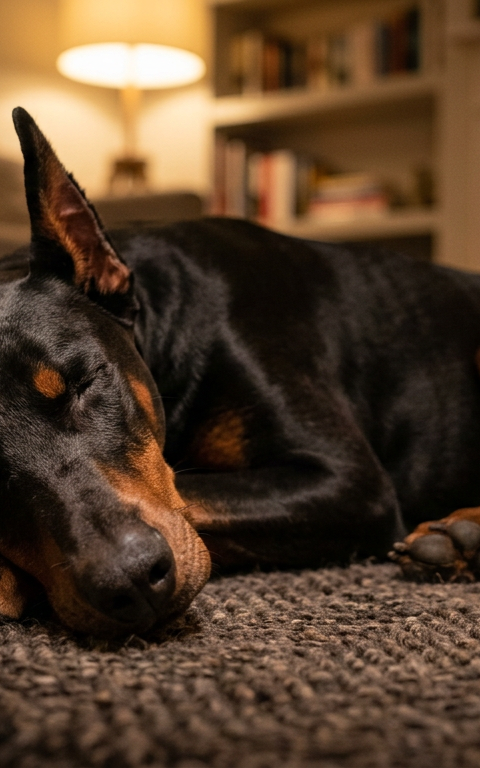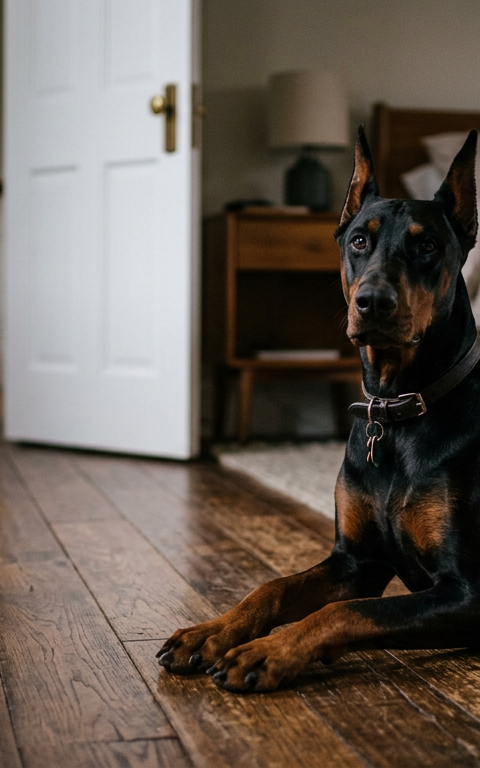
It is a quiet Tuesday night, and you have finally settled into a deep sleep. Suddenly, you hear the familiar "thud" of your furry companion jumping down from the mattress. You might find yourself wondering, why does my dog move from bed to floor at night? This behavior is remarkably common among our canine friends, and while it might feel like a personal rejection of your cozy blankets, it usually stems from very practical instincts.
Understanding these shifts in sleeping positions can provide great insight into your dog's comfort and well-being. Whether it is a search for a cooler surface or a protective instinct kicking in, your dog's nighttime migration is often their way of regulating their own environment. By looking at their environment and physical needs, we can ensure they get the best rest possible.
Temperature Regulation and Sleep Comfort
One of the most frequent reasons dogs transition from a soft bed to a hard floor is temperature control. Most modern mattresses, especially those with memory foam, retain a significant amount of body heat. While a golden retriever might enjoy the warmth for a few minutes, their thick double coat can quickly lead to overheating.
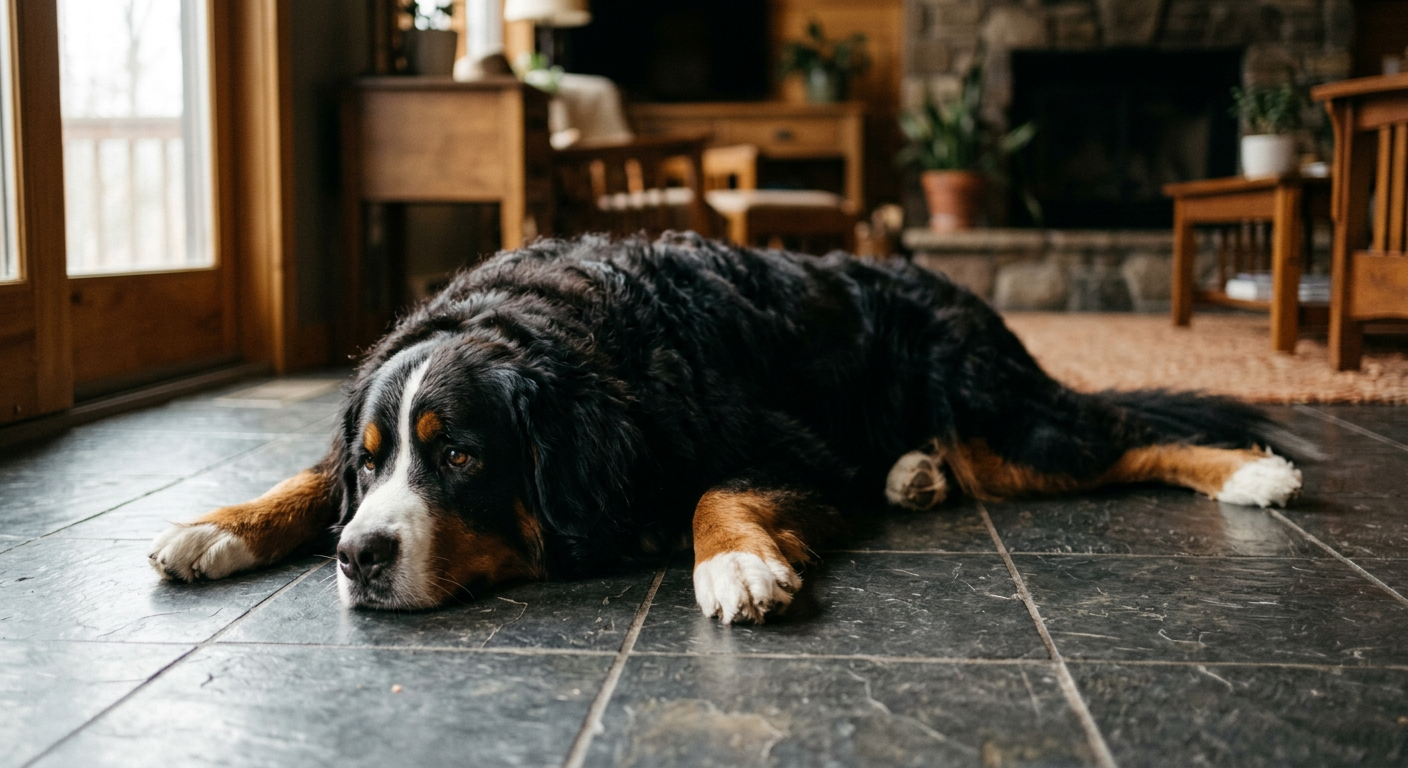
Tiles, hardwood, or laminate flooring act as a heat sink, drawing warmth away from the dog's body. If you notice your dog stretching out flat on their belly on the kitchen tile, they are likely practicing "splooting" to maximize contact with the cool surface. This helps them lower their core temperature much faster than staying tucked under a duvet.
The Impact of Coat Type
Breeds with thick undercoats, such as the Siberian Husky or the Bernese Mountain Dog, are particularly prone to this. Their natural insulation is designed for sub-zero temperatures, making a heated bedroom feel quite stifling. Even a short-haired dog might find the friction of synthetic bed sheets too warm after an hour of sleep.
If you suspect heat is the issue, try offering a cooling mat near your bed. This provides a compromise between the support of a bed and the temperature of the floor. You can also monitor their breathing; if they are panting slightly while on the bed but stop once they move to the floor, heat is almost certainly the culprit.
Instinctive Guarding and Denning Behaviors
Another reason for this behavior is rooted in ancestral instincts. In the wild, dogs are "den animals," but they also take turns being vigilant. Sometimes, a dog moves to the floor because they feel a need to be closer to the door or a specific entryway. This allows them to monitor the household more effectively while the rest of the pack sleeps.
By moving to the floor, your dog might be positioning themselves in a spot that gives them a better vantage point of the hallway. This isn't necessarily a sign of anxiety; rather, it is a natural protective role many dogs take on instinctively. You might also notice why dogs act strange at night when they sense movement outside that we can't hear.
Seeking a Harder Surface for Joint Support
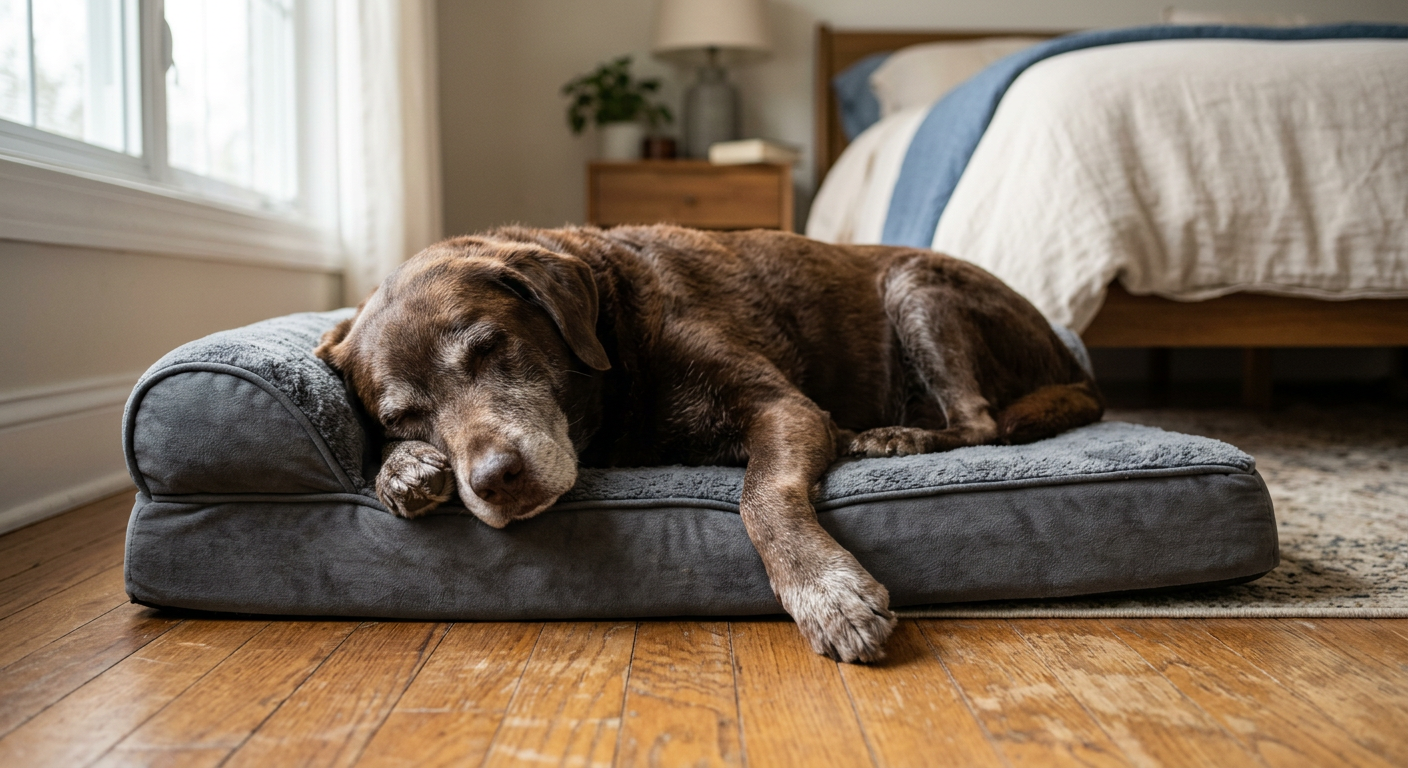
It sounds counterintuitive to humans, but some dogs actually find the floor more supportive than a soft mattress. As dogs age, their joints may require a firmer surface to distribute their weight evenly. A bed that is too soft can cause a dog to "sink," which makes it difficult for them to change positions or get up in the morning.
If you have a senior pet, this movement might be related to musculoskeletal comfort. You might notice an old dog waking up confused at night or struggling to find a comfortable spot. In these cases, providing an orthopedic dog bed with high-density foam can offer the firmness of the floor with the cushioning their joints need.
Why Does My Dog Move From Bed to Floor at Night Suddenly
If this is a brand-new behavior, it is worth paying closer attention. A sudden shift in sleeping habits can sometimes be a proactive response to internal changes. If your dog has always slept soundly by your feet and now insists on the hardwood, they might be experiencing a change in their metabolic rate or early signs of joint stiffness.
Common reasons for sudden nighttime relocation include:
- Seasonal changes (turning on the home heating for winter).
- New bedding or laundry detergent that smells unfamiliar.
- Age-related changes in circulation.
- A recent flea or tick preventative that might cause temporary restlessness.
When a dog switches from the mattress to the rug halfway through the night, it is usually just a sign that they have reached their "warmth limit." However, if this is accompanied by pacing, it might be worth checking if your dog is pacing the house at 2am suddenly, which could indicate a need for a bathroom break or mild discomfort.
Creating the Perfect Sleeping Environment
To help your dog stay comfortable throughout the night, consider offering multiple "sleep stations." You don't have to choose between the bed and the floor. By providing a variety of surfaces, you allow your dog to self-regulate based on their needs at that specific moment.
Consider the differences between breeds when setting up these spaces. For example, when looking at a Boxer vs Labrador Retriever, a Boxer might prefer a bolsters bed to lean against, while a Lab might prefer a flat, cool mat. Observing where your dog chooses to nap during the day can give you clues for their nighttime preferences.
Managing Restlessness
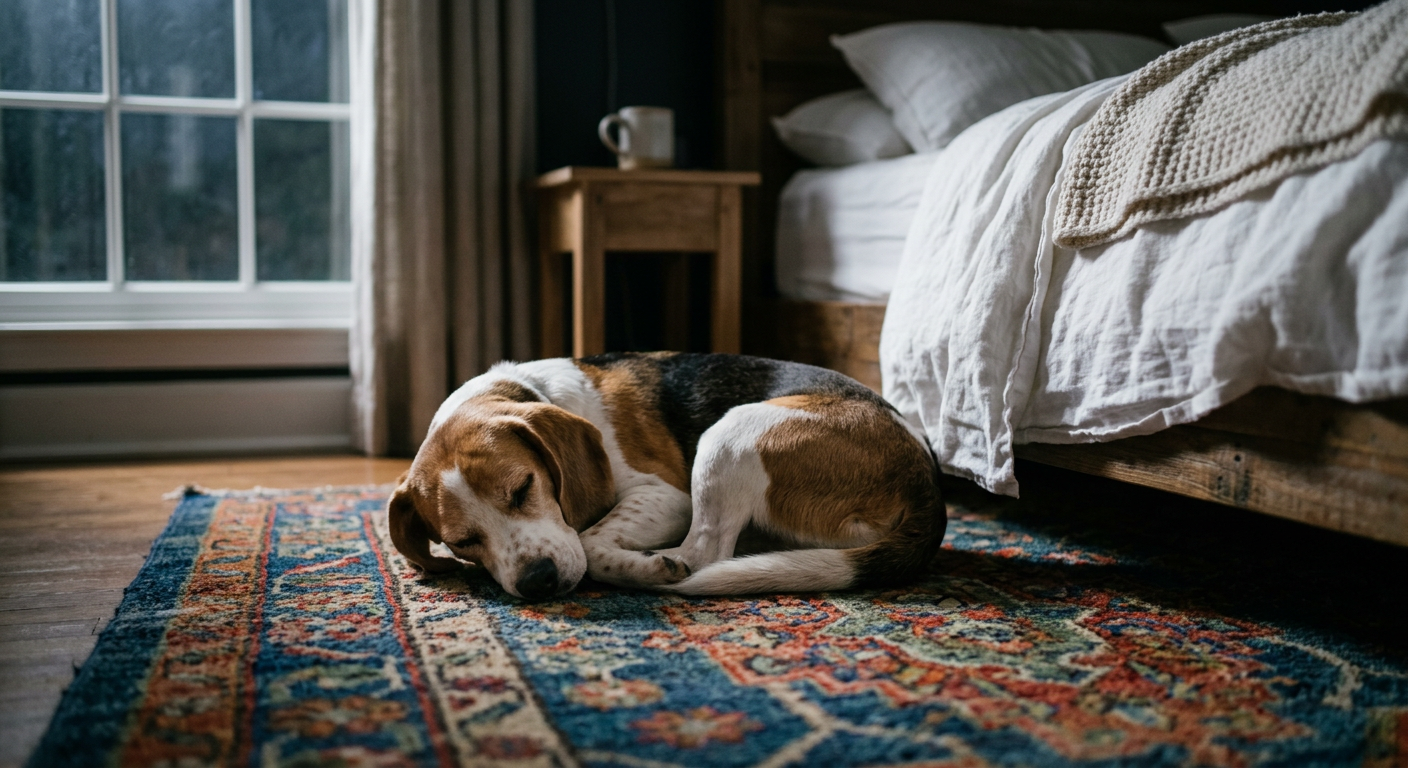
If your dog seems unable to settle in either spot, look for environmental triggers. Is there a draft coming from a window? Is the floor too slippery for them to stand up easily? Sometimes adding a small area rug next to your bed can provide the "cool" floor feeling they want while giving them the traction they need to move safely in the dark.
When to Consult a Veterinarian
While moving to the floor is usually normal, there are times when it warrants a professional opinion. If your dog seems restless, pants excessively, or shows signs of distress while trying to get comfortable, a wellness check is a good idea. Proactive care is the best way to ensure that nighttime movements aren't related to underlying issues like arthritis or heart conditions that can affect breathing and temperature regulation.
Keep a simple log of how often they move and if they seem stiff when they wake up. Sharing these observations with your vet can help them determine if your dog could benefit from joint supplements or other comfort measures. Most of the time, however, your dog is simply looking for that perfect, cool spot to drift back into a peaceful slumber.
Conclusion
In most cases, the answer to why does my dog move from bed to floor at night is simply a matter of personal preference and thermal comfort. Your dog is a master of their own body temperature, and the floor offers a refreshing change from a warm mattress. By providing options—a soft bed, a firm rug, and a cool floor—you are giving your pet the freedom to choose what makes them feel best.
Remember that every dog is an individual. What works for a thin-coated Greyhound might not work for a fluffy Collie. As long as your dog is sleeping soundly and waking up with a wagging tail, their midnight moves are just another charming part of being a dog owner.