Understanding the Concept of Environmental Context
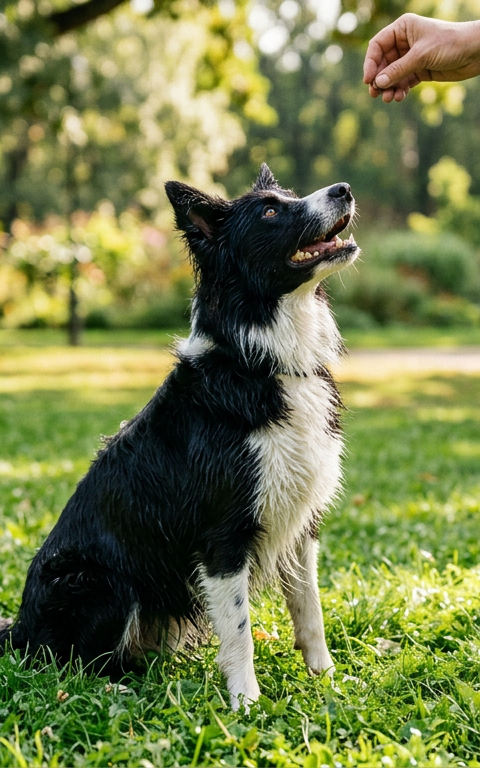
It can be a bit confusing when your pup acts like a star pupil in the living room but suddenly forgets their name at the local park. If you are wondering why does my dog only follow commands at home, you are certainly not alone. This behavior is actually a very common part of the canine learning process known as context specificity.
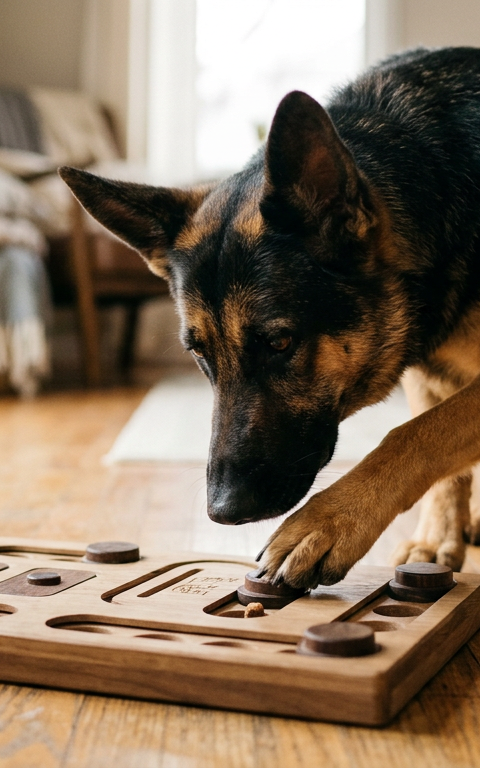
Dogs do not naturally generalize information the way humans do. When you teach a "sit" in your quiet kitchen, your dog associates that command with the smell of the floor, the lack of wind, and the specific sight of your refrigerator. To a dog, "sit" in the kitchen is an entirely different request than "sit" at a busy intersection.
Helping your dog bridge this gap is a key part of dog training fundamentals. By understanding that your dog isn't being stubborn, but rather is genuinely unsure of the rules in a new place, you can approach their education with more patience and success.
The Role of Distractions and Arousal Levels
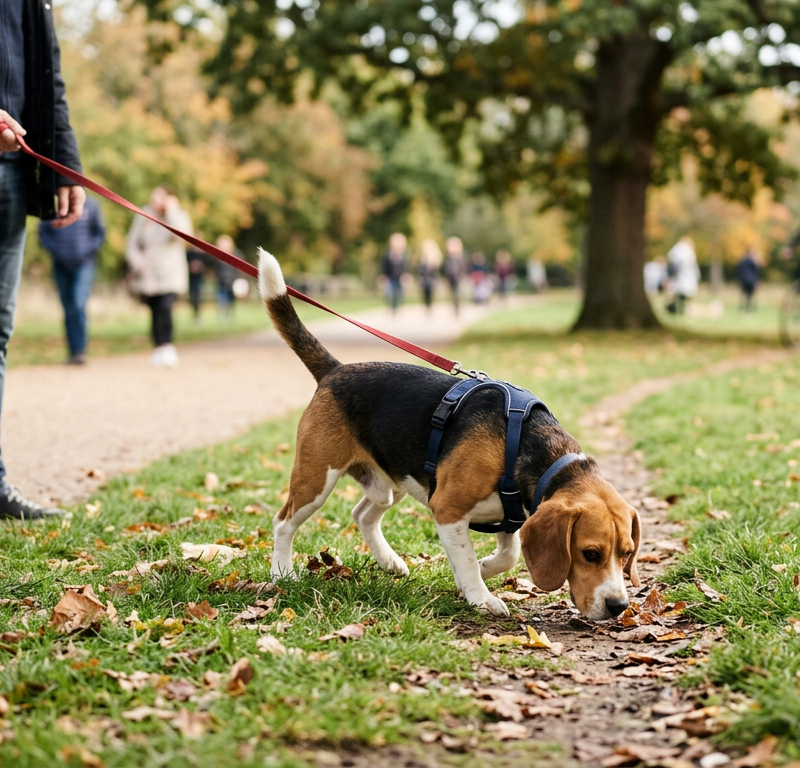
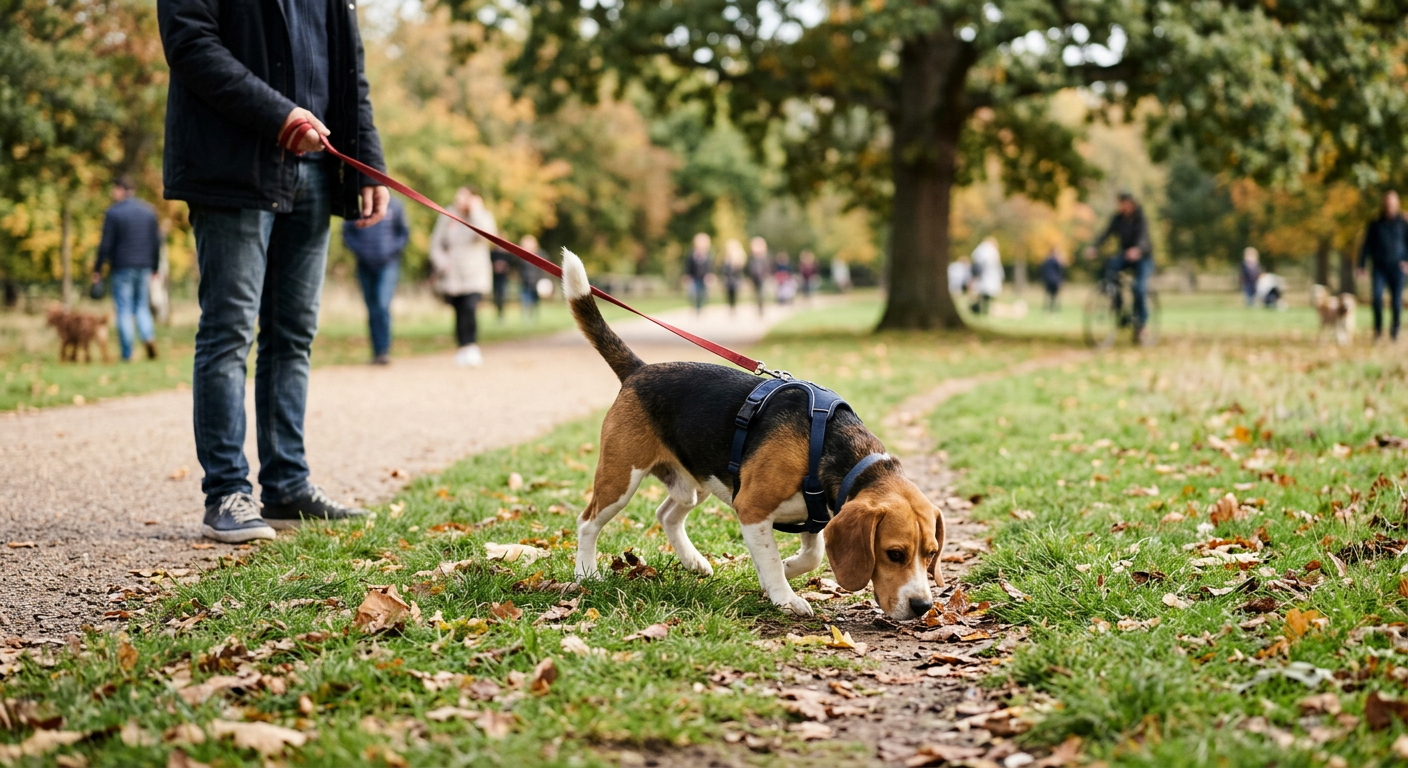
Home is a low-distraction environment where your dog feels safe and calm. Outside, the world is an explosion of sensory information. Squirrels, passing cars, other dogs, and even the scent of a neighbor's lawn can easily override a dog's focus if they haven't been practiced in high-arousal settings.
When a dog's arousal levels spike, their ability to process cognitive commands decreases. It is like trying to solve a math problem while riding a roller coaster. If your pet seems to ignore you outdoors, it is likely that their "thinking brain" has been temporarily bypassed by their "excited brain."
Building Focus Gradually
To fix this, you need to slowly increase the difficulty of the environment. Start by practicing in your backyard, then the front porch, then a quiet sidewalk. Eventually, you can work up to busy parks once your dog has mastered the basics in those slightly noisier spots.
Lack of Generalization in Canine Learning
As mentioned, dogs are very specific learners. If you only ever train in one room, your dog might think the command "Down" only applies when they are standing on that specific rug. This is why professional trainers emphasize the "Generalization Phase" of training.
To help your dog understand that commands apply everywhere, you should practice in at least five different locations. This helps the dog realize that "Stay" means the same thing whether they are at home, at the vet, or at a friend's house. You can even check out how different breeds respond to training by looking at our German Shepherd vs Labrador Retriever comparison, as some breeds pick up generalization slightly faster than others.
The Importance of Proofing Your Commands
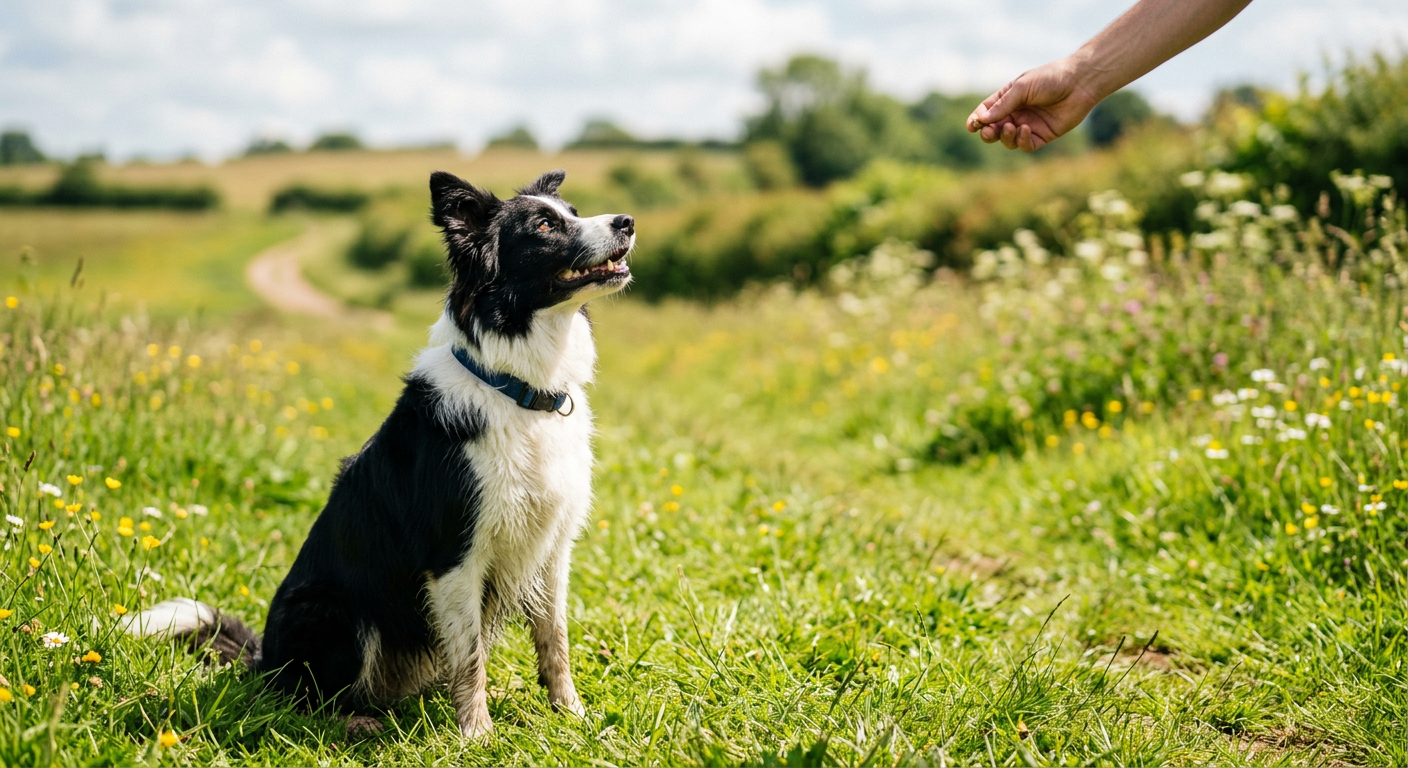
In the training world, "proofing" is the process of practicing behaviors in different environments with varying levels of distraction. If your dog only listens in the house, it means the command hasn't been fully proofed yet. You are still in the early stages of the learning curve.
- Duration: Can your dog hold the command for longer periods?
- Distance: Will they listen if you are 10 feet away?
- Distraction: Can they stay focused if you drop a toy nearby?
- Diversity: Have you practiced in at least three new outdoor spots?
By systematically working through these four "Ds," you ensure that the command becomes a reliable habit rather than a situational trick. This is a core part of essential commands every dog should know.
Assessing Reward Value in Different Settings
A piece of dry kibble might be enough to get a "sit" in the kitchen, but it probably won't compete with a roaming cat across the street. When you move your training outdoors, you often need to "up the ante" with your rewards. This is often a primary reason why does my dog only follow commands at home—the reward isn't worth the effort in a more exciting place.
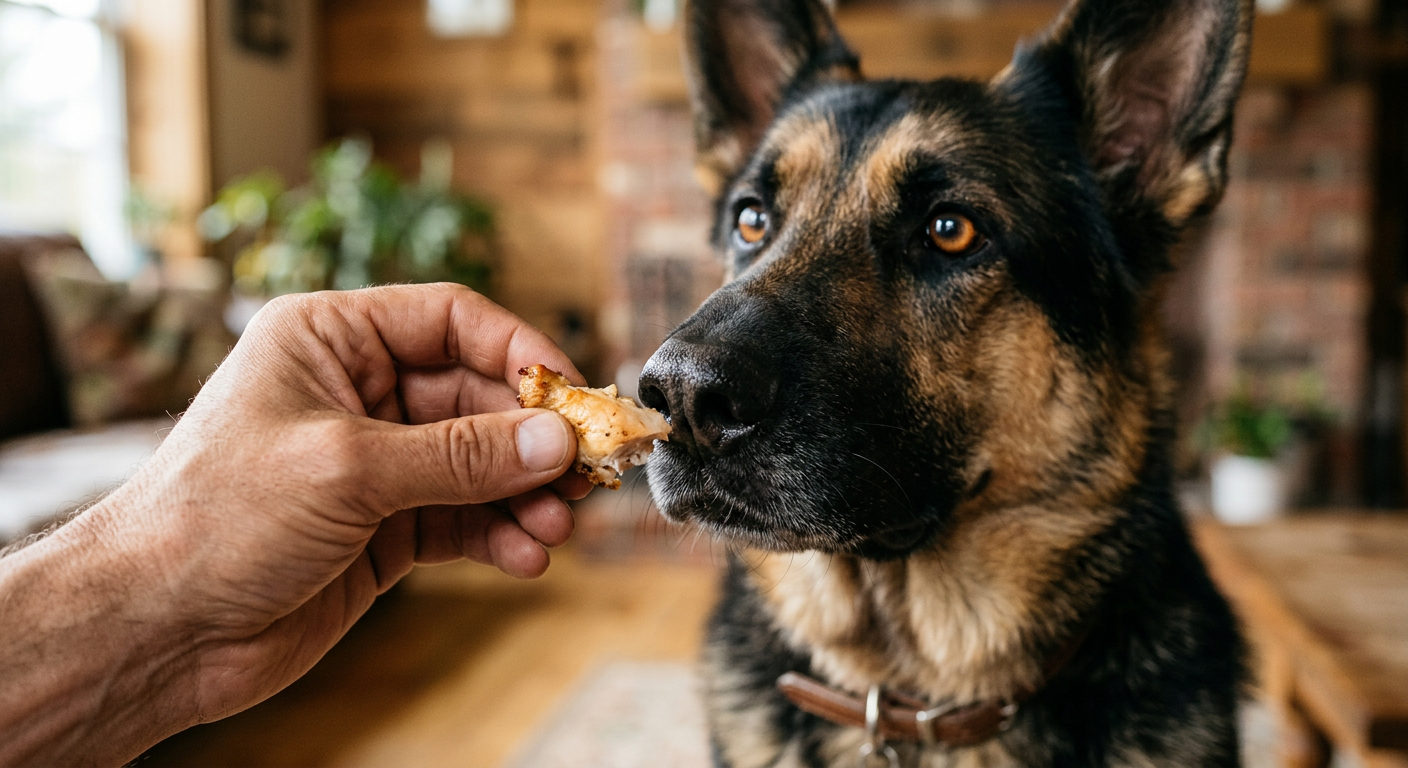
Use high-value treats like small pieces of boiled chicken, cheese, or a favorite squeaky toy when working in new environments. Once the behavior is reliable, you can gradually transition back to standard rewards. Remember that as your dog gets older, their motivations might change; you can track their development using a Border Collie age calculator to ensure your training matches their life stage.
Practical Steps to Improve Outdoor Reliability
If you are struggling with a dog that only listens indoors, try the following strategy. Start by opening the door and standing on the threshold. Ask for a simple command. If they succeed, step onto the porch and repeat. If they fail, go back inside for two minutes and try again with a higher-value treat.
Consistency is your best friend here. Always use the same hand signals and verbal cues. If you find your dog is particularly reactive to other dogs during these sessions, you might find our socialization tips for puppies and adult dogs helpful to lower their baseline stress levels outdoors.
When to Consult a Professional
If your dog shows signs of extreme anxiety or fear when outdoors, it is always a good idea to consult a veterinarian or a certified professional dog trainer. Sometimes, what looks like "not listening" is actually a fear response that needs a gentle, specialized approach to wellness and behavior modification.
Conclusion
Understanding why does my dog only follow commands at home is the first step toward having a well-behaved companion in all settings. By focusing on generalization, increasing reward values, and slowly introducing distractions, you can help your dog succeed anywhere. Remember that training is a lifelong journey of bonding and communication with your furry friend.