Keeping a dog happy involves more than just physical exercise. While a long walk is great for their muscles, mental stimulation games for dogs are essential for their cognitive well-being and emotional health. Many pet parents find that even after a mile-long run, their pup still has bursts of energy because their brain hasn't been challenged. Engaging your dog's mind helps prevent boredom-related behaviors and strengthens the bond between you.
In this guide, we will explore various ways to keep your canine companion sharp and satisfied. Whether you have a high-energy working breed or a senior pup, integrating brain games into their daily routine can lead to a more relaxed and well-behaved pet. If you are also working on the basics, you might find our guide on dog training fundamentals helpful for establishing a solid foundation.
The Importance of Cognitive Enrichment
Dogs are natural problem solvers. In the wild, their ancestors spent a significant portion of their day searching for food, navigating environments, and interacting with their pack. In a modern home setting, food is often provided in a bowl, and the environment remains relatively static. This lack of mental engagement can lead to frustration or excessive barking.
Providing cognitive enrichment taps into their natural instincts. When a dog uses their brain to solve a puzzle or find a hidden treat, their brain releases dopamine, which makes them feel good. This type of activity is often more tiring than physical play, making it a great tool for rainy days or for dogs with physical limitations.
Recognizing Mental Fatigue
It is important to notice when your dog is mentally tired versus physically tired. A mentally satisfied dog is usually calm, observant, and less likely to engage in destructive chewing. If you notice your dog is restless even after a walk, it might be time to introduce some brain-taxing activities.
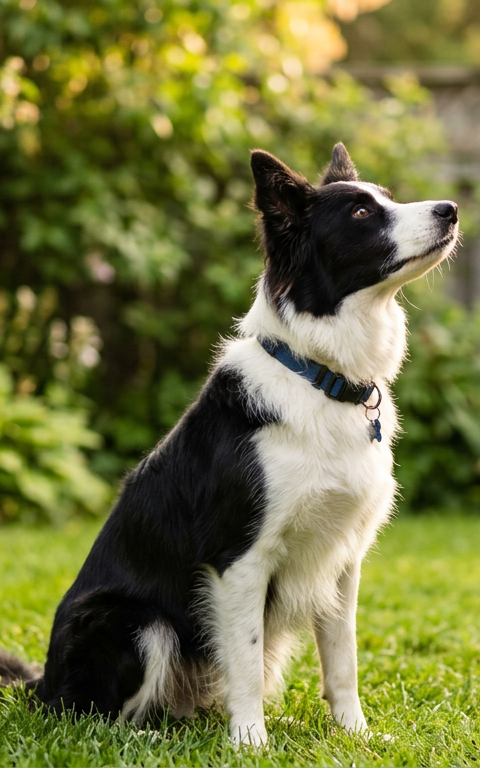
Different breeds have different cognitive needs. For instance, a Border Collie might require more complex tasks compared to other breeds. Understanding your dog's specific heritage can help you tailor the games to their natural strengths, such as scent work or herding-style play.
Scent Work and Nose Games
A dog's sense of smell is their primary way of experiencing the world. Engaging their nose is one of the most effective mental stimulation games for dogs because it utilizes a large portion of their brain. You can start with simple games and gradually increase the difficulty as they become more proficient.
The Shell Game
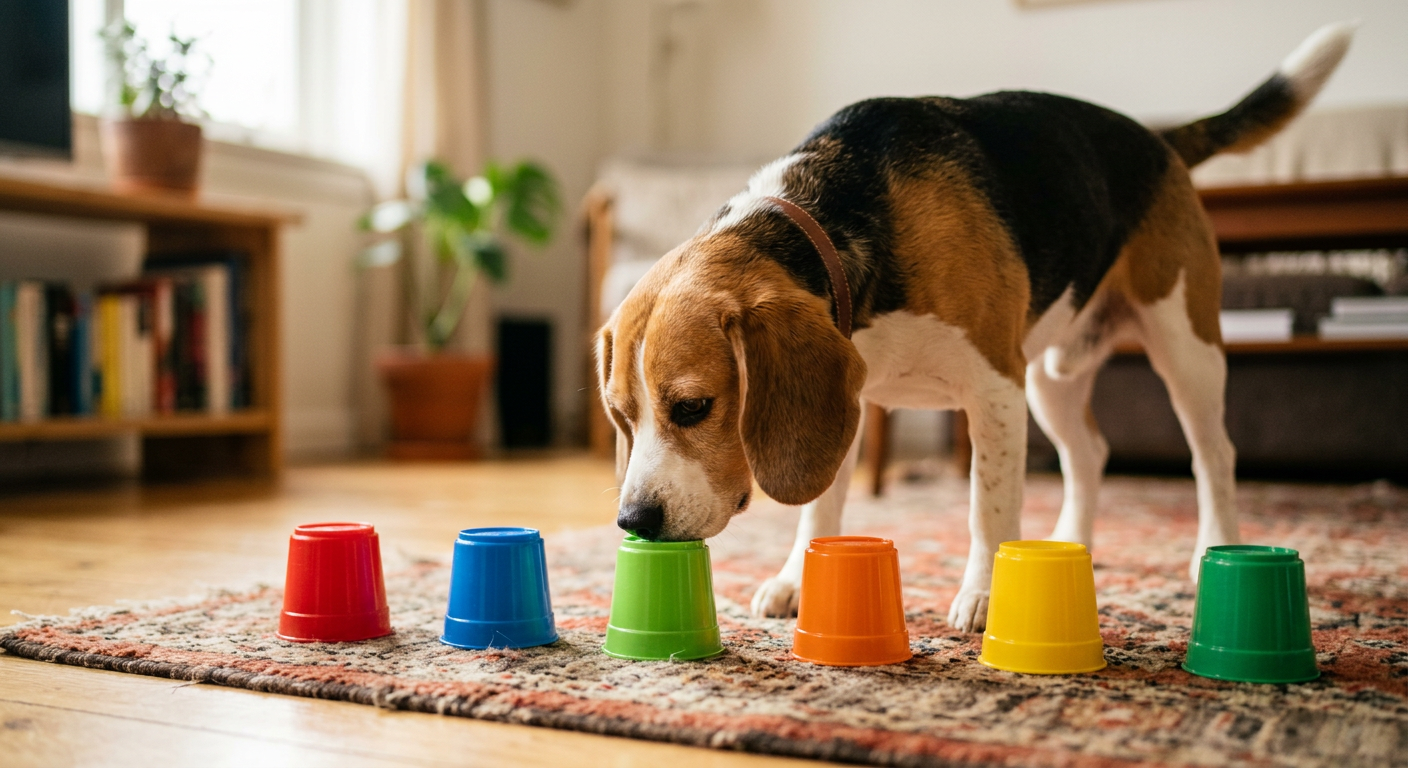
This classic game is easy to set up and highly rewarding. Take three opaque plastic cups and place a high-value treat under one of them while your dog watches. Shuffle the cups around and encourage them to "find it." When they nudge or paw the correct cup, lift it up and let them have the treat. This builds focus and rewards their observational skills.
Treat Scavenger Hunt
Instead of feeding your dog from a bowl, try hiding small pieces of their kibble or treats around a room. Start by placing them in obvious spots, then move to more challenging locations like behind chair legs or under the edge of a rug. This encourages them to use their nose to "hunt" for their meal, providing a productive outlet for their energy.
Interactive Puzzles and DIY Challenges
You don't always need to buy expensive toys to provide mental stimulation games for dogs. Many household items can be repurposed into engaging puzzles that challenge your dog's dexterity and problem-solving skills.
- The Muffin Tin Puzzle: Place treats in the holes of a muffin tin and cover each hole with a tennis ball. Your dog must figure out how to move the balls to reach the rewards.
- Cardboard Box Shredding: If your dog doesn't eat cardboard, hide treats inside nested boxes. They will enjoy the tactile experience of tearing through the layers to find the "treasure."
- The Rolled Towel: Lay a towel flat, sprinkle treats across it, and roll it up tightly. Your dog will have to use their nose and paws to unroll the fabric and reveal the snacks.
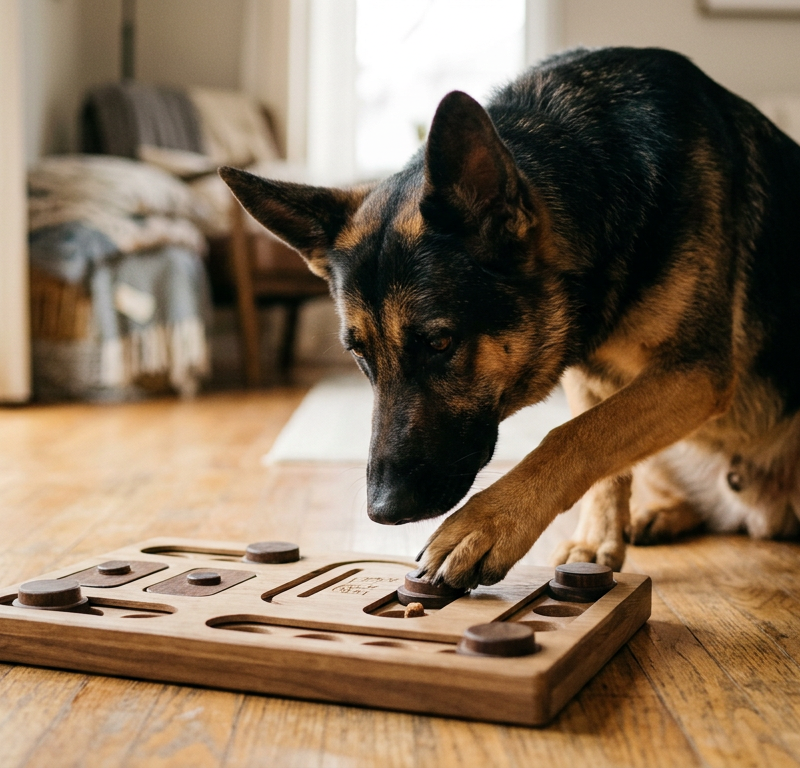
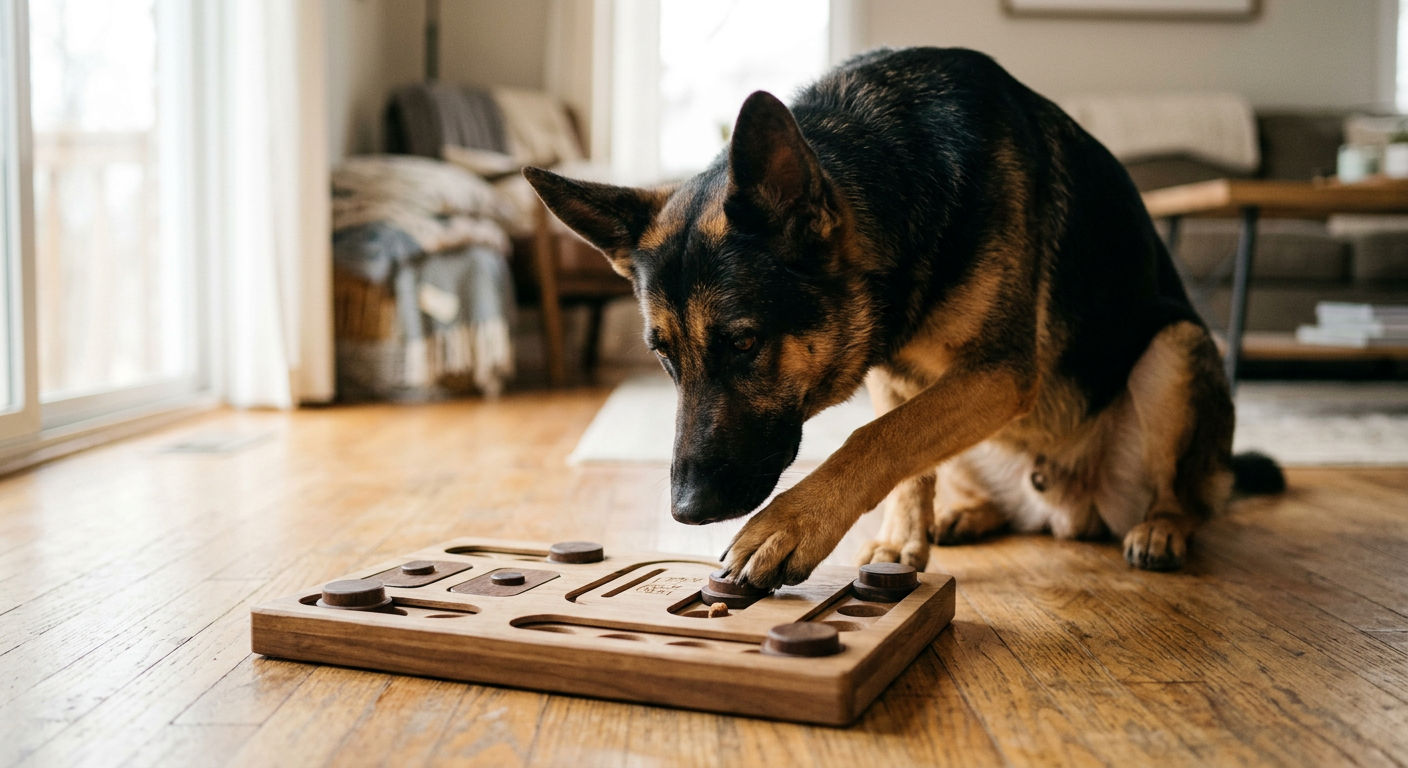
For those who prefer ready-made options, there are many levels of commercial puzzle toys available. If you're comparing breeds to see which might enjoy these challenges more, you can look at the German Shepherd vs Labrador Retriever comparison to see how their temperaments and intelligence levels differ.
Training as a Mental Exercise
Training isn't just about manners; it's a fantastic way to challenge a dog's mind. Learning new concepts requires intense focus and communication between the dog and the owner. Even practicing known cues in new environments can provide a fresh mental challenge.
Naming Toys
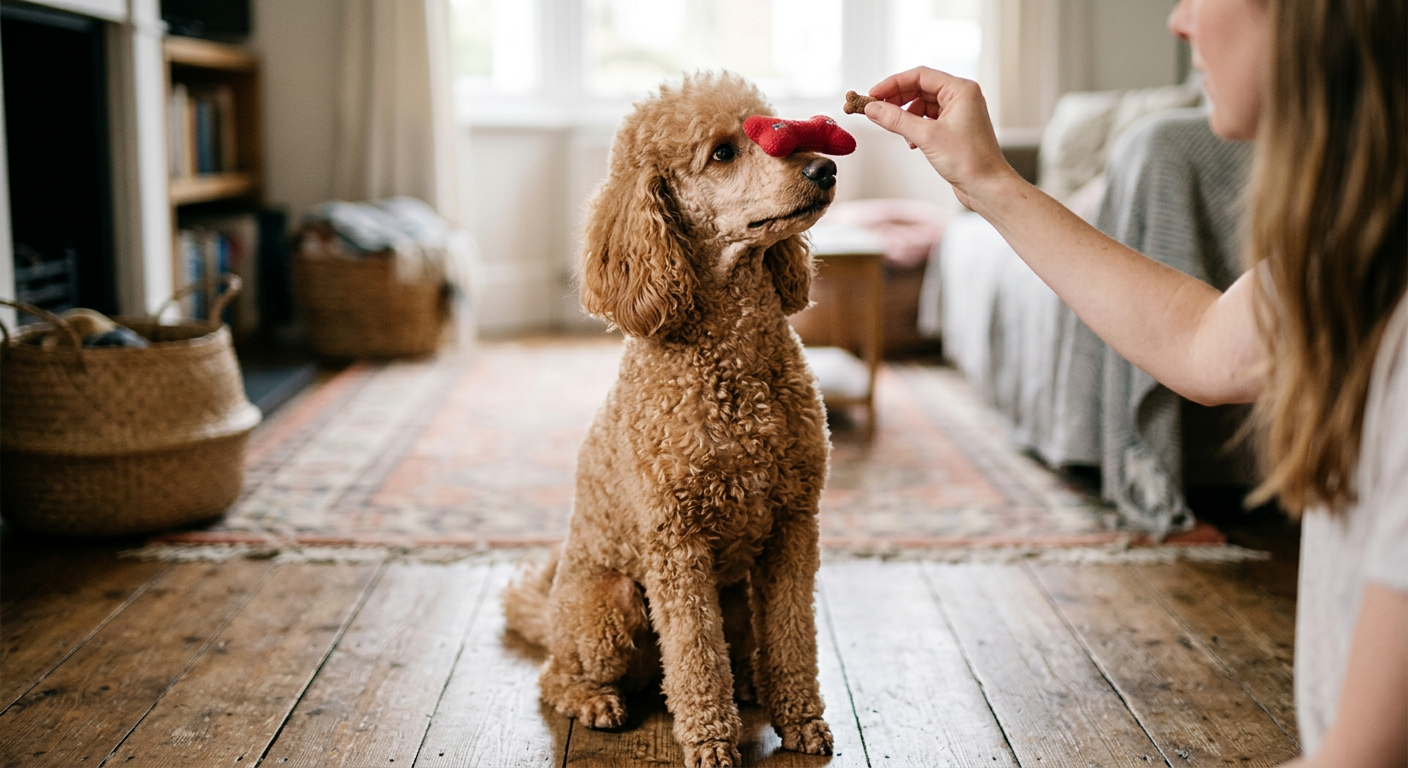
One of the more advanced mental stimulation games for dogs is teaching them the names of their toys. Start with one specific toy, like a "Ball," and reward them for touching it when you say the name. Gradually introduce a second toy, like "Teddy," and ask them to differentiate between the two. Exceptional dogs can learn dozens of names, providing endless opportunities for indoor fun.
Trick Training
Once your dog has mastered essential commands, move on to fun tricks like "spin," "crawl," or "play dead." These multi-step actions require the dog to think about their body positioning and follow subtle hand signals. It keeps the learning process exciting and prevents training sessions from becoming repetitive.
Environmental Enrichment and Social Play
Sometimes, a change of scenery is the best mental workout. New environments are filled with unfamiliar smells, sights, and sounds that process through a dog's brain like a giant puzzle. This is often referred to as "sensory enrichment."
The Sniffari
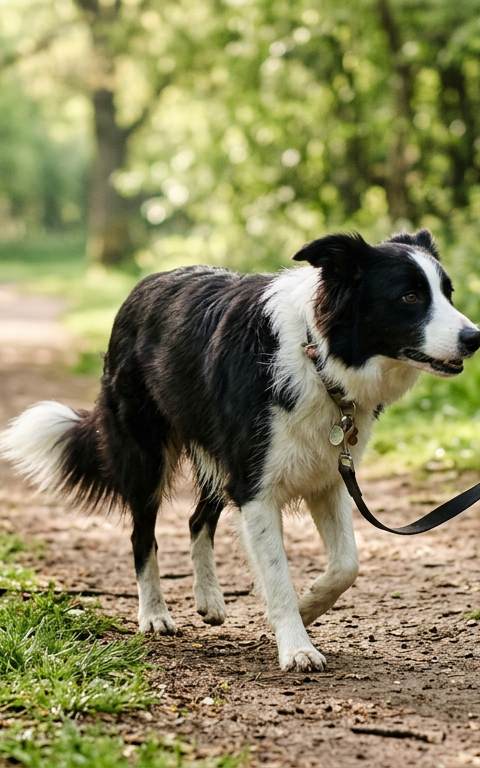
A "sniffari" is a walk where the dog is in the lead, and they are allowed to stop and sniff whatever they want for as long as they want. While it might feel slow to you, your dog is gathering a wealth of information about the neighborhood, other animals, and the environment. This is deeply satisfying for their curious minds.
Social interaction also plays a role in cognitive health. Playing with other dogs requires reading social cues and responding appropriately. If you are introducing your dog to new friends, remember to review socialization tips to ensure every interaction is a positive learning experience.
Safety and Success Tips
When introducing mental stimulation games for dogs, it is important to keep the experience positive and frustration-free. If a puzzle is too hard, your dog might give up or become stressed. Start with very easy tasks and offer plenty of praise to build their confidence.
Always supervise your dog during play, especially when using DIY toys or items that could be swallowed. Ensure that all treats used in games are accounted for in their daily caloric intake to maintain a healthy weight. If you have concerns about your dog's cognitive health, especially in their senior years, always consult with your veterinarian for professional guidance and wellness advice.
By incorporating these activities into your weekly routine, you will notice a calmer, more focused, and happier dog. Mental exercise is just as vital as physical activity, and seeing your dog "crack the code" on a new game is a rewarding experience for any pet owner. For more tips on managing your dog's energy, explore our advice on addressing common behavioral challenges.