Welcoming a canine companion into your life brings boundless joy, but even the best-behaved dogs can exhibit some growing pains. Addressing common behavioral challenges is a normal part of pet ownership that requires patience, consistency, and a little bit of understanding about why dogs do what they do. By viewing these moments as opportunities for communication rather than simple disobedience, you can strengthen the bond with your furry friend.
Every dog is an individual, influenced by their genetics, past experiences, and current environment. When we approach behavioral hurdles with a proactive care mindset, we can create a supportive atmosphere where our pets feel safe to learn. If you're curious about how your dog's stage of life affects their learning, check out our Labrador Retriever age calculator to see how they are maturing.
Understanding the Root Cause of Behaviors
Before implementing a solution, it is essential to understand why a behavior is occurring. Dogs don't act out to be "bad"; they are usually trying to meet a physical or emotional need. For instance, a dog that chews furniture might be bored, teething, or feeling anxious about being alone. Identifying the trigger is the first step in successful modification.
Environmental factors play a massive role in how a dog reacts to the world. A dog that is overstimulated by loud noises or high-traffic areas may display reactive tendencies. By observing your pet’s body language, you can begin to see the subtle signs of stress before they escalate into more noticeable challenges.
Common Puppyhood Challenges
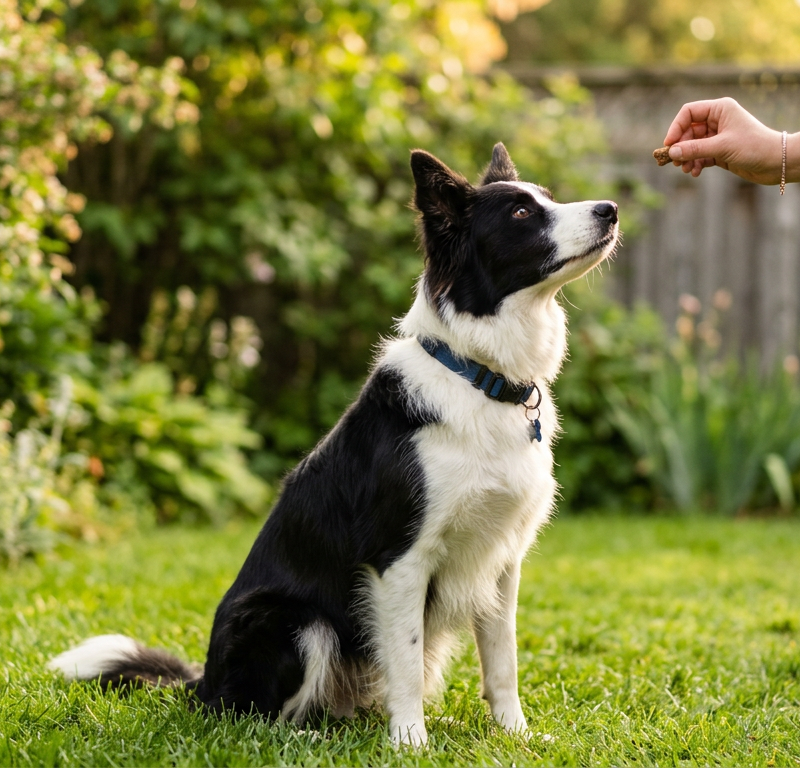
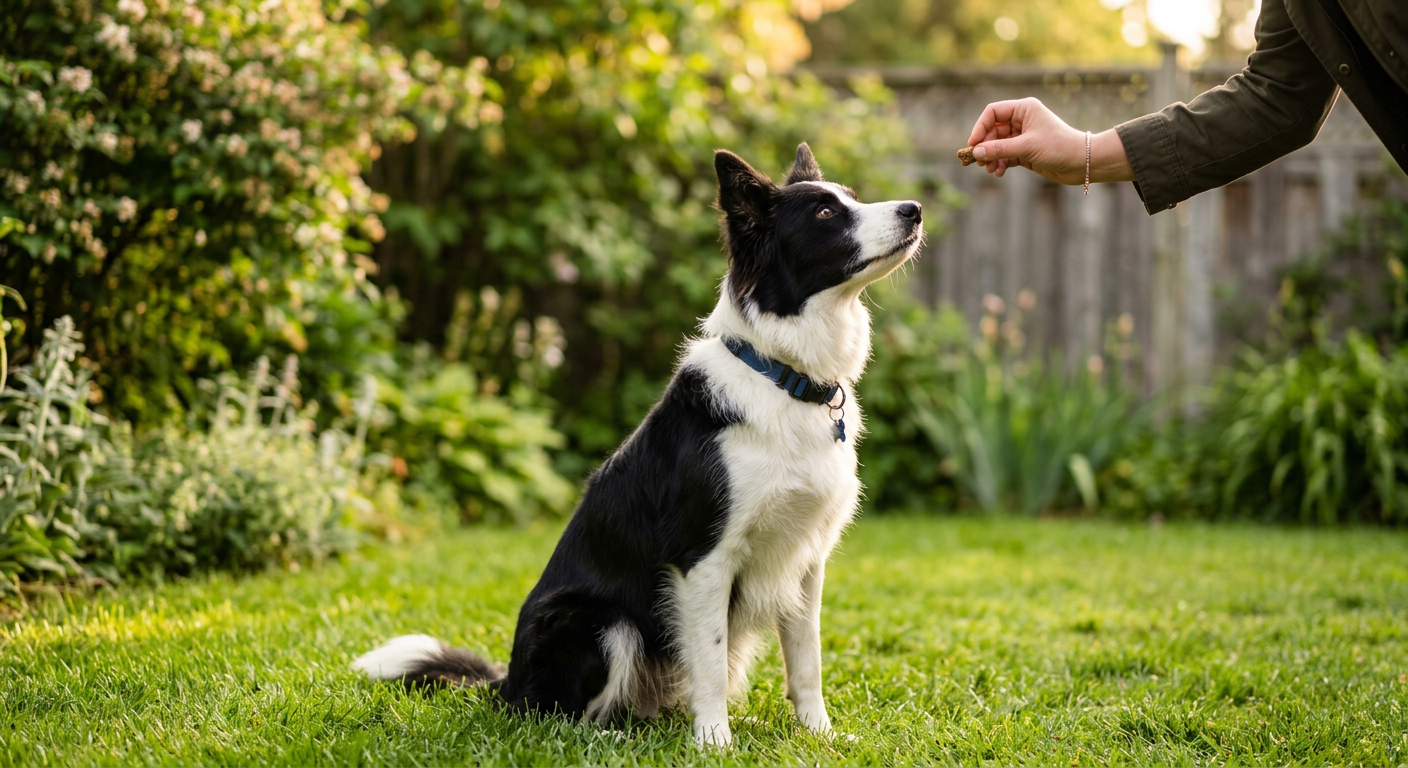
Puppies are like sponges, but they also have limited impulse control. Mouthiness and nipping are among the most frequent issues owners face. This is often an exploration tactic or an invitation to play. Setting boundaries early on through redirection and positive reinforcement is key to long-term success.
Housetraining is another primary focus during the early months. Consistency is your best tool here; taking your puppy out frequently and rewarding them for going in the right spot builds a reliable routine. For more help with these early stages, we recommend reading about Socialization Tips for Puppies and Adult Dogs to ensure they grow up well-adjusted.
Addressing Digging and Chewing
Digging is a natural instinct for many breeds, but it can be frustrating for gardeners. Often, dogs dig because they are looking for a cool spot to lie down or are following scents underground. Providing a designated "digging pit" with sand or soft soil can satisfy this urge without sacrificing your lawn.
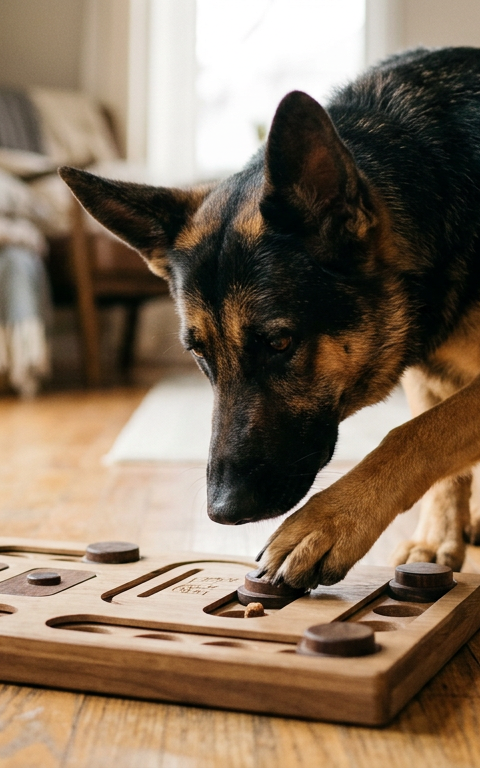
Chewing is similarly instinctive. Instead of simply telling a dog "no," it is more effective to provide "yes" options. High-quality chew toys and interactive puzzles keep their jaws busy and their minds engaged. When they choose the right item, offer plenty of praise to reinforce that decision.
Navigating Impulse Control Issues
Impulse control is the foundation of many Essential Commands Every Dog Should Know. Challenges like jumping up on guests or bolting through open doors are classic examples of high excitement overcoming a dog's training. Teaching "sit" and "wait" as default behaviors can significantly improve these situations.
When your dog jumps on someone, they are usually seeking attention. By turning away and only providing affection when all four paws are on the floor, you teach them that calm behavior is the only way to get what they want. This process takes time, but it results in a much more polite companion.
- Wait at the door: Practice having your dog sit and stay before you open the door for a walk.
- The "Leave It" command: This is vital for safety, preventing them from picking up harmful objects.
- Settling on a mat: Teach your dog that a specific bed or mat is a place for relaxation.

Managing Barking and Vocalization
Barking is a one of the most frequent canine communication methods, but excessive vocalization can become a hurdle in multi-pet households or apartments. Understanding the type of bark is crucial. Is it alert barking at the mail carrier, or demand barking for a treat? Each requires a slightly different approach.
To manage alert barking, try closing the blinds or using white noise to reduce environmental triggers. For demand barking, the most effective strategy is often to ignore the behavior entirely. Once the dog is quiet, even for a few seconds, reward that silence to show them that being quiet is what earns the reward.
Separation Anxiety and Wellness
True separation anxiety is a wellness consideration that often requires a multifaceted approach. It isn't just "missing" the owner; it's a deep-seated distress. Gradual desensitization, where you leave for very short increments and return before the dog becomes upset, can help build their confidence.
In cases of severe distress, consulting a veterinarian or a certified behaviorist is highly recommended. They can help rule out underlying health issues and provide a structured plan tailored to your dog’s specific needs. Some breeds, like the French Bulldog, may have unique temperament traits to consider; you can learn more by viewing our French Bulldog vs Poodle comparison.
The Role of Physical and Mental Exercise
Many behavioral hurdles stem from a lack of appropriate outlets for energy. A "tired dog is a good dog" is a cliché for a reason. Both physical exercise, like walks and fetch, and mental stimulation, like nose work or trick training, are necessary for a balanced pet.
Mental fatigue can be even more effective than physical exertion. Spending fifteen minutes teaching a new skill can be as tiring for a dog as a long walk. This proactive care ensures that they don't have to find "jobs" for themselves, like rearranging your shoes or barking at the fence line.
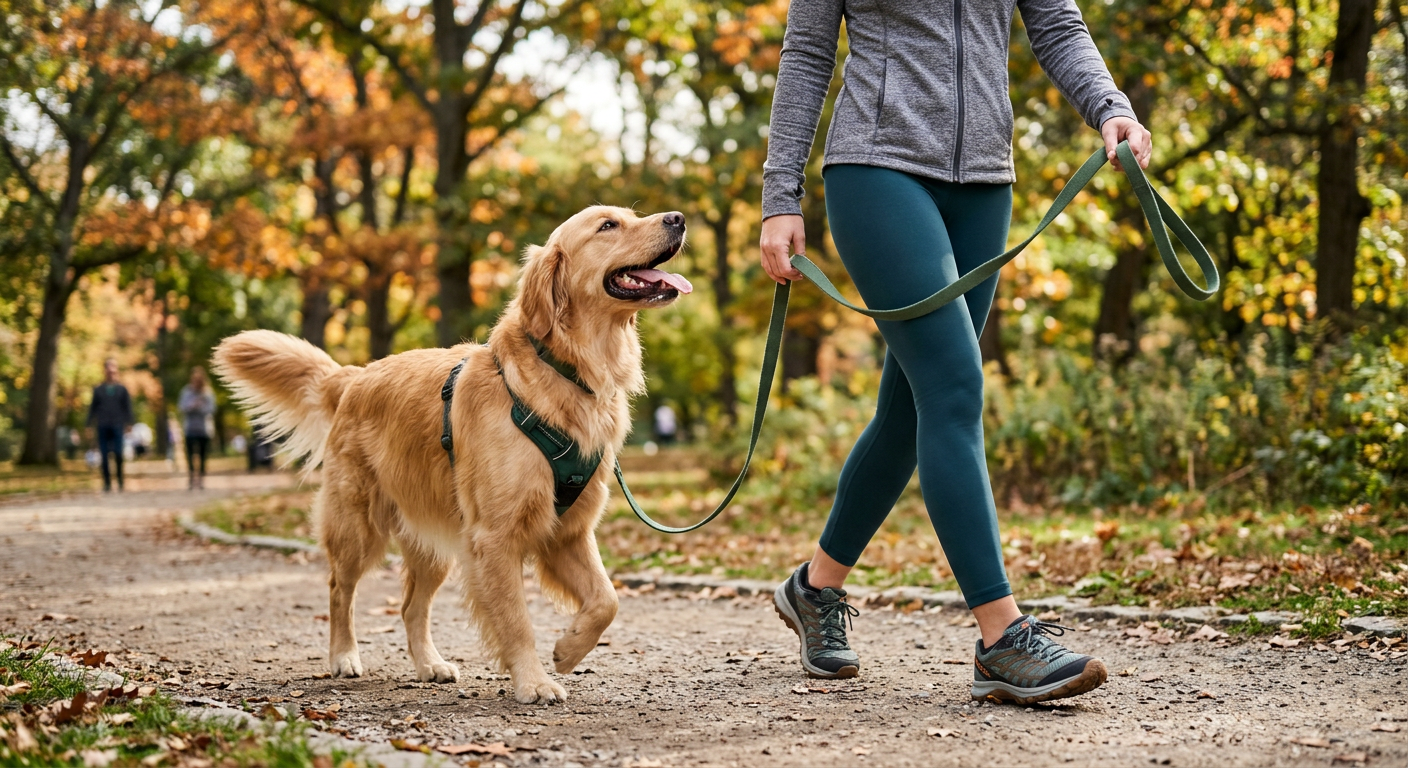
Consistently Addressing Common Behavioral Challenges
Progress isn't always a straight line. There will be days when your dog seems to forget everything they’ve learned, and that’s okay. The secret to addressing common behavioral challenges is staying consistent with your rules and rewards. When everyone in the household follows the same protocol, the dog receives a clear, unified message.
Remember that training is a lifelong journey. As your pet ages, their needs and behaviors may shift, requiring you to adapt your approach. By maintaining a foundation of positive reinforcement and empathy, you ensure a happy and harmonious life together. If you're just starting out, our guide on Dog Training Fundamentals is an excellent place to begin.
Building a Supportive Network
Don't be afraid to reach out for help. Whether it's a local training class, an online community, or a professional consultant, having a support system can make the process much easier. Sharing experiences with other pet owners can provide fresh perspectives and new techniques to try with your own dog.
Always keep the focus on the relationship. The goal of training isn't just to have a dog that follows orders, but to have a partner who understands how to live successfully in a human world. Each small success is a step toward a deeper, more rewarding friendship.