Welcoming a new furry friend into your home is an exciting journey filled with cuddles and playtime. However, one of the most vital components of a happy life together is ensuring your pet feels confident in the world around them. Understanding effective socialization tips for puppies and adult dogs can help prevent shyness and promote a calm, well-adjusted temperament in various environments.
Socialization is often misunderstood as simply "meeting other dogs," but it is actually much broader. it involves safely exposing your pet to new sights, sounds, smells, and people. Whether you have a playful young pup or a rescued senior, building these positive associations is a core part of dog training fundamentals. By taking a proactive approach, you help your dog navigate the world with curiosity rather than hesitation.
The Critical Window for Puppy Socialization
For puppies, there is a specific developmental phase known as the "critical socialization window," which typically occurs between 3 and 16 weeks of age. During this time, their brains are like sponges, soaking up experiences and determining what is "normal" and safe. Positive encounters during this stage can set the foundation for a lifetime of confidence.
Focus on gentle exposure during these early weeks. You want your puppy to see the vacuum cleaner, hear the doorbell, and meet people wearing hats or carrying umbrellas. The goal isn't just exposure, but creating a "happy" association. Always keep a pocket full of tiny treats to reward your puppy for staying calm when they encounter something new.
Safe Public Outings
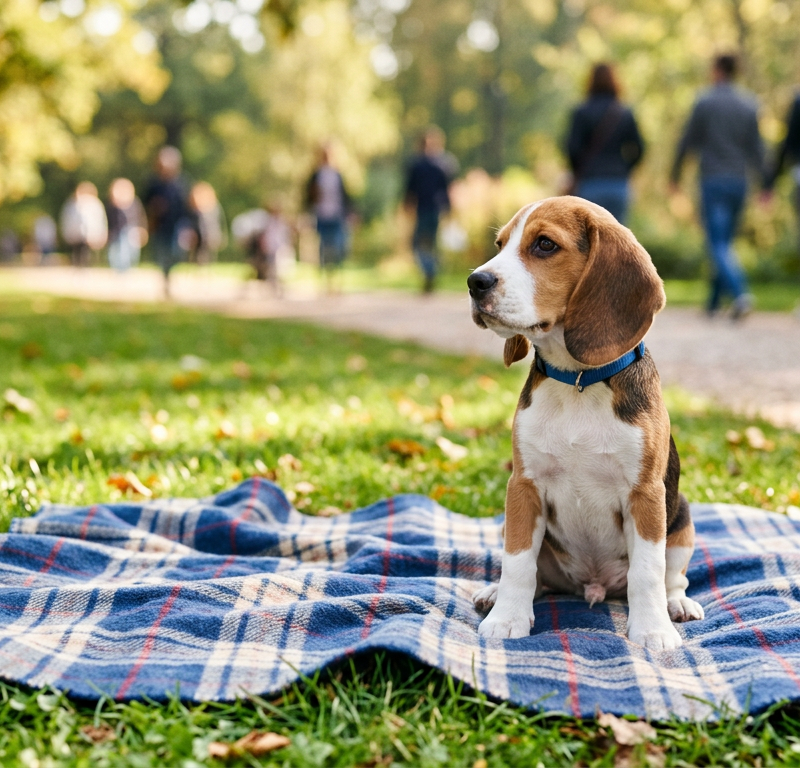
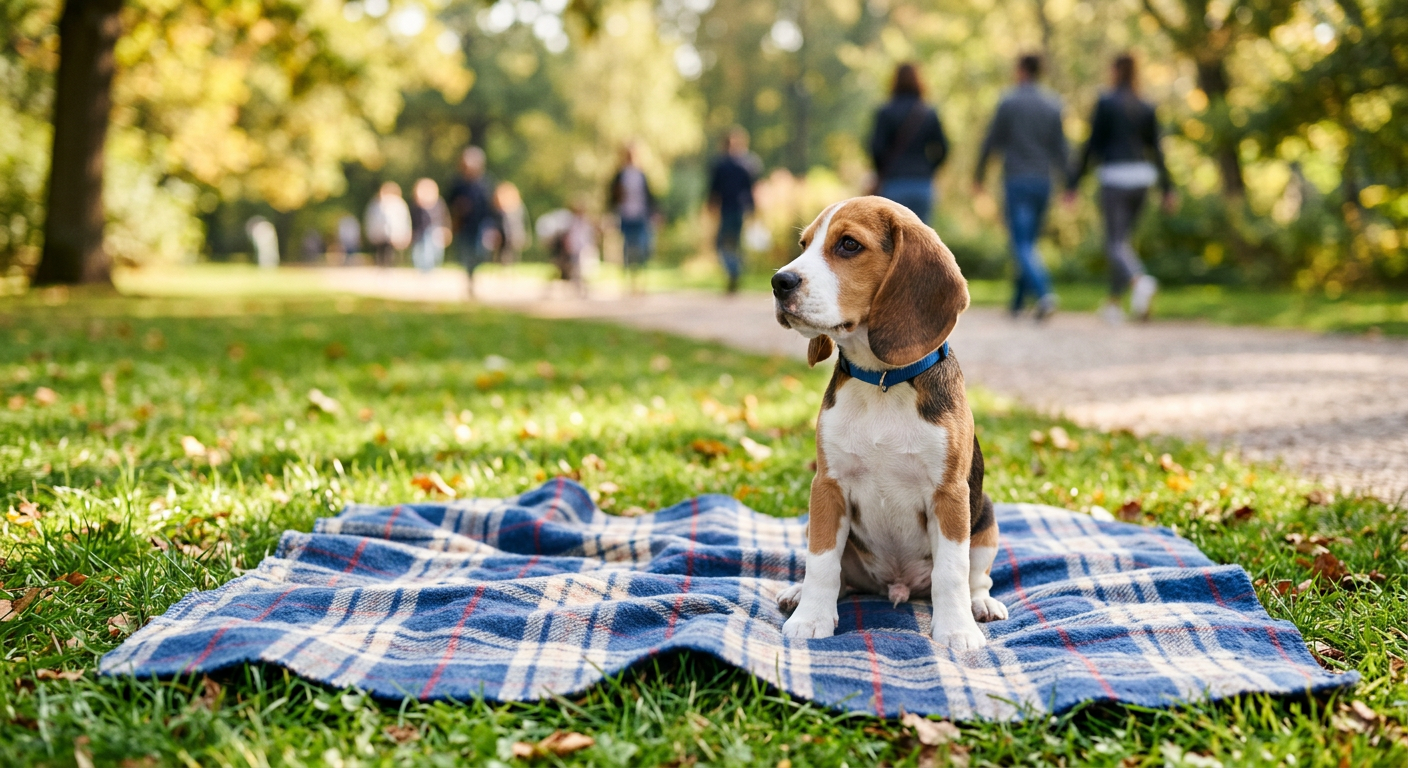
Before your puppy is fully vaccinated, you must be cautious about where they walk. You can still socialize them by carrying them in a sling or sitting on a blanket in a park. This allows them to observe the buzzing world from a safe distance without touching the ground where other animals have been.
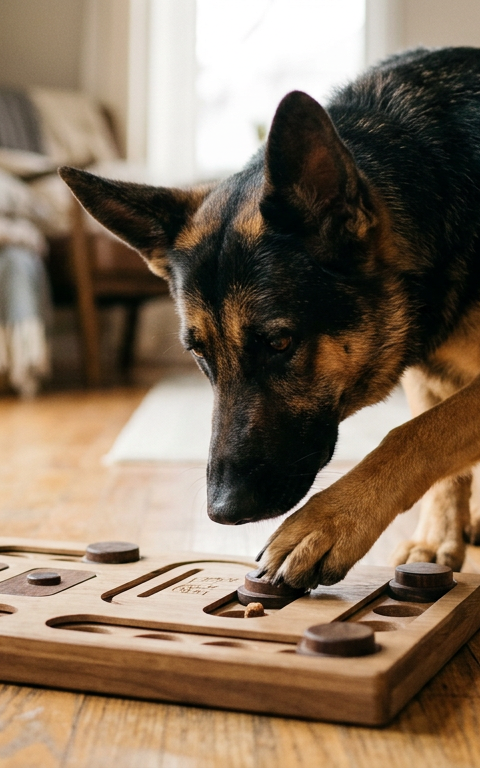
Once your veterinarian gives the go-ahead, start with short, controlled walks. If you have a larger breed, such as a German Shepherd, early leash manners are especially helpful. Exposure to different surfaces like grass, gravel, and pavement helps them become physically confident and adaptable.
Socializing Adult Dogs and Rescues
It is a common myth that you cannot socialize an older dog. While adult dogs may take longer to process new information compared to puppies, they are incredibly capable of learning. Socializing a mature pet often requires more patience and a focus on "counter-conditioning," which means changing their emotional response to a specific trigger.
Start by identifying what makes your adult dog feel uneasy. Is it loud trucks? Bicycles? Other dogs? Once you know the triggers, you can work on slow desensitization. Keep your sessions short and always end on a high note. If your dog shows signs of stress, such as lip licking or tucking their tail, it’s okay to step back and increase the distance from the stimulus.
The Power of Observation
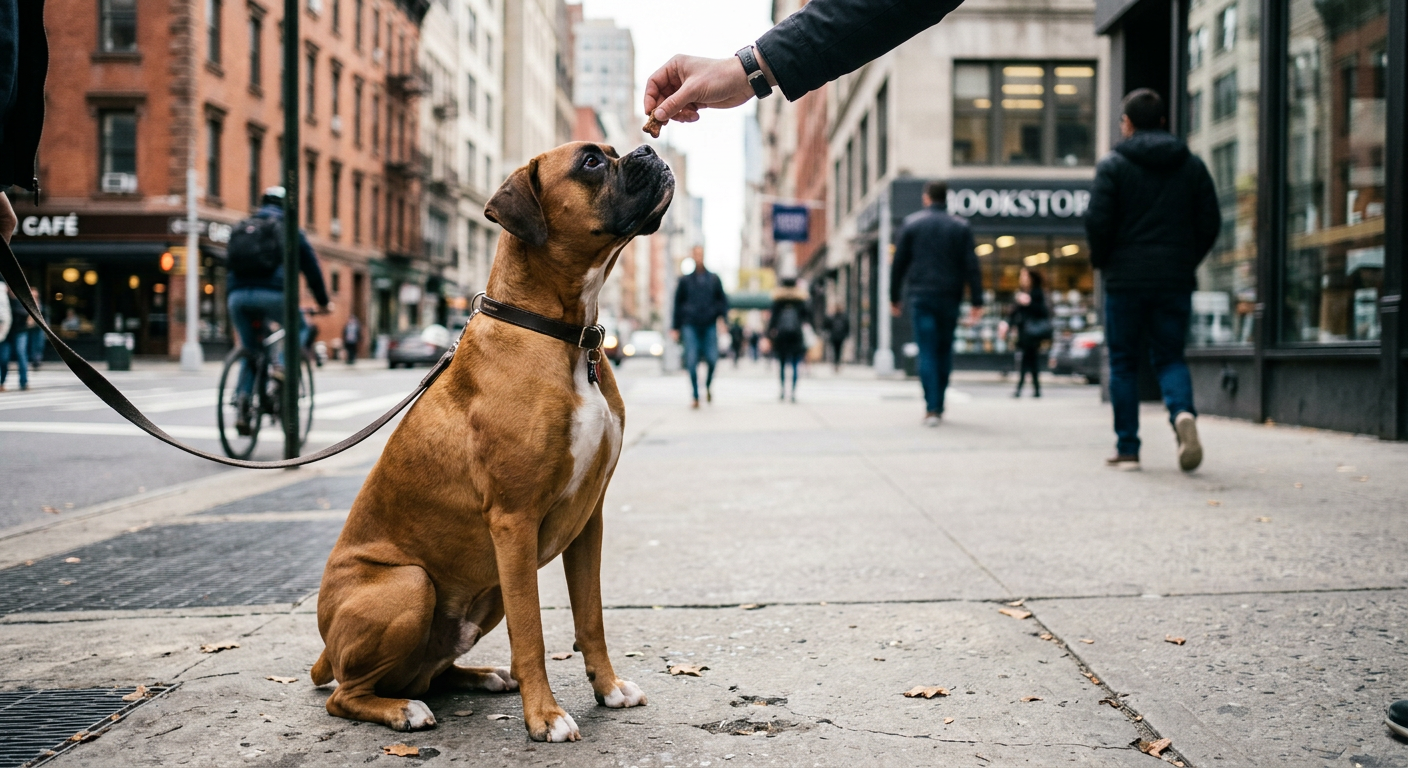
For adult dogs that are a bit nervous, "watch and reward" is a fantastic technique. Sit with your dog at a distance where they can see something new but don't feel the need to bark or hide. Every time they look at the object and then back at you, give them a high-value treat. This teaches them that "new things equal good things."
If you are trying to decide between breeds with different temperaments, looking at a Beagle vs Boxer comparison can help you understand how different energy levels affect socialization needs. Some breeds are naturally more outgoing, while others may require a more structured introduction to strangers.
Building Positive Peer Relationships
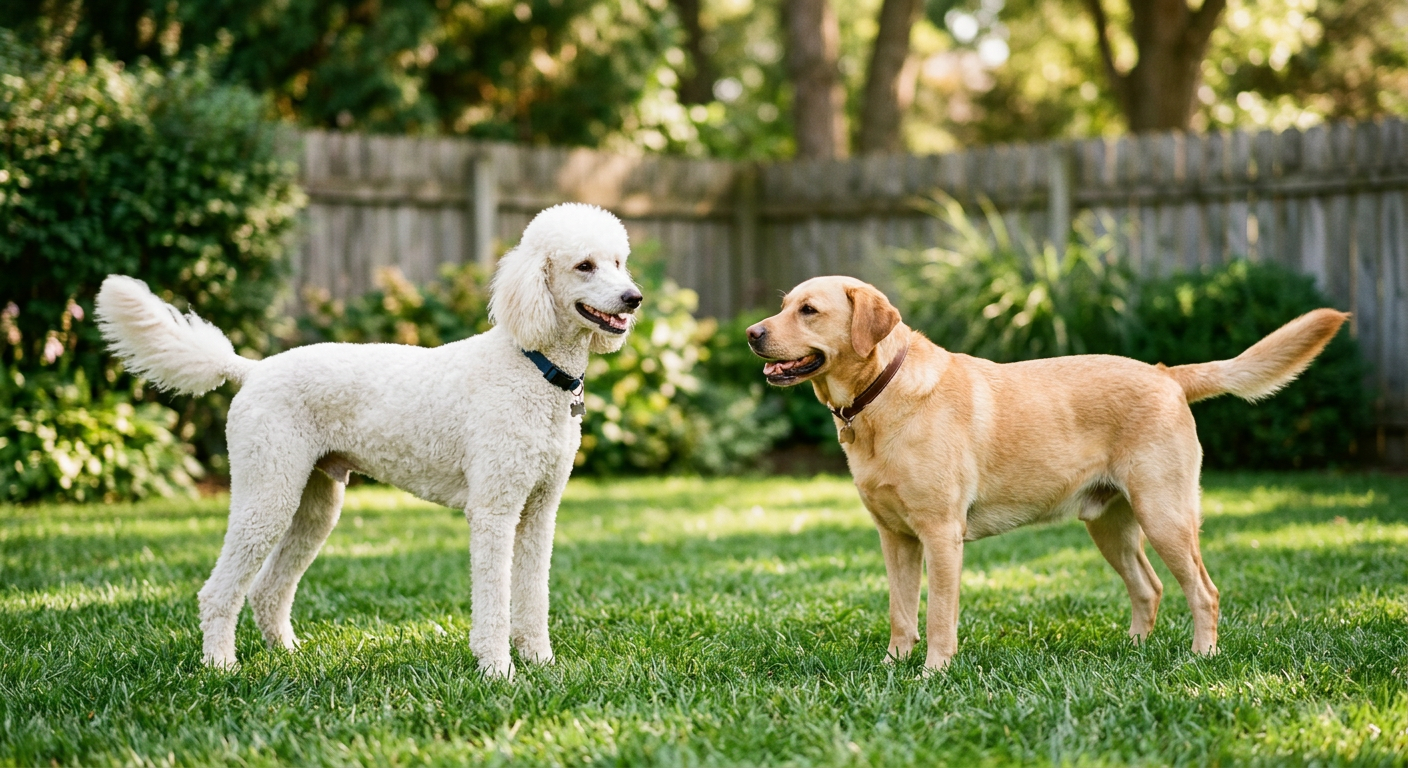
Interaction with other canines is a significant part of the socialization process. However, quality always beats quantity. One bad experience at a rowdy dog park can set back weeks of progress, especially for sensitive dogs. Instead, opt for "playdates" with known, friendly dogs in a controlled environment like a fenced backyard.
- Choose the right partner: Match your dog with a peer of similar size and energy level.
- Keep it brief: Initial meetings should be short, lasting only a few minutes before taking a break.
- Monitor body language: Look for "bouncy" movements and loose bodies, which indicate healthy play.
- Intervene early: If play gets too intense, gently redirect both dogs with treats or a toy.
Learning essential commands every dog should know, such as a reliable "recall" or "leave it," provides you with the tools needed to manage these social interactions effectively. A dog that listens well is a dog that can safely enjoy more freedom in public spaces.
Environmental Enrichment and Sensory Exposure
Socialization isn't just about people and animals; it's about the environment. Dogs experience the world through their senses, and introducing various textures and sounds can prevent future sensitivities. Think of it as a sensory "scavenger hunt" for your pet.
Sound Desensitization
Thunderstorms, fireworks, and sirens can be intimidating for many pets. You can find "desensitization sounds" online or on streaming platforms. Play these at a very low volume while your dog eats or plays with a favorite toy. Gradually increase the volume over several weeks so the sounds become background noise rather than a cause for alarm.
Surface Training
Encourage your dog to walk over different materials. Many dogs are hesitant to step on shiny tile, metal grates, or wobbly surfaces. Use treats to guide them over a piece of cardboard, a tarp, or a yoga mat. This builds physical awareness and prevents them from "freezing up" during walks in urban areas or vet visits.
Consistency and Professional Support
The key to success with these wellness considerations is consistency. Try to incorporate a "socialization moment" into every single day. This doesn't have to be a major event; even sitting on your porch and watching the mail carrier go by counts as a positive experience if your dog remains calm and gets a treat.
If you find that your dog’s fear or reactivity is more than you can handle alone, please reach out to a professional dog trainer or a veterinary behaviorist. They can provide a customized plan that ensures both you and your pet feel safe. Remember, every dog moves at their own pace, and celebrating small victories is the best way to keep the process rewarding for everyone involved.
Conclusion
Investing time in socialization tips for puppies and adult dogs is one of the kindest things you can do for your pet. It opens up a world of possibilities, from hiking on busy trails to enjoying pet-friendly cafe patios. By focusing on positive reinforcement and gradual exposure, you help your dog become a confident companion who is ready for any adventure. Always prioritize your dog's comfort and consult your veterinarian if you have concerns about their behavioral health.