The Foundation of Lifelong Companionship
Embarking on a journey with a new puppy or an adult dog is an exciting adventure. At its heart, the process is about much more than just teaching commands; it is about establishing a shared language. Understanding dog training fundamentals allows you to communicate your expectations clearly while respecting your dog's natural instincts and personality.
When we prioritize dog training fundamentals, we shift our focus from "making the dog obey" to "helping the dog succeed." This proactive approach creates a positive feedback loop. Your dog learns that listening leads to rewards, and you learn to anticipate your dog's needs before they result in unwanted behaviors. This mutual understanding is what truly creates a well-adjusted pet.
Proactive care starts with patience. Every dog learns at a different pace based on their breed, age, and previous experiences. By staying consistent and keeping sessions short, you ensure that training remains a fun activity rather than a chore. Whether you are working with a young pup or a senior rescue, these core principles remain the same throughout their life.
The Science of Positive Reinforcement
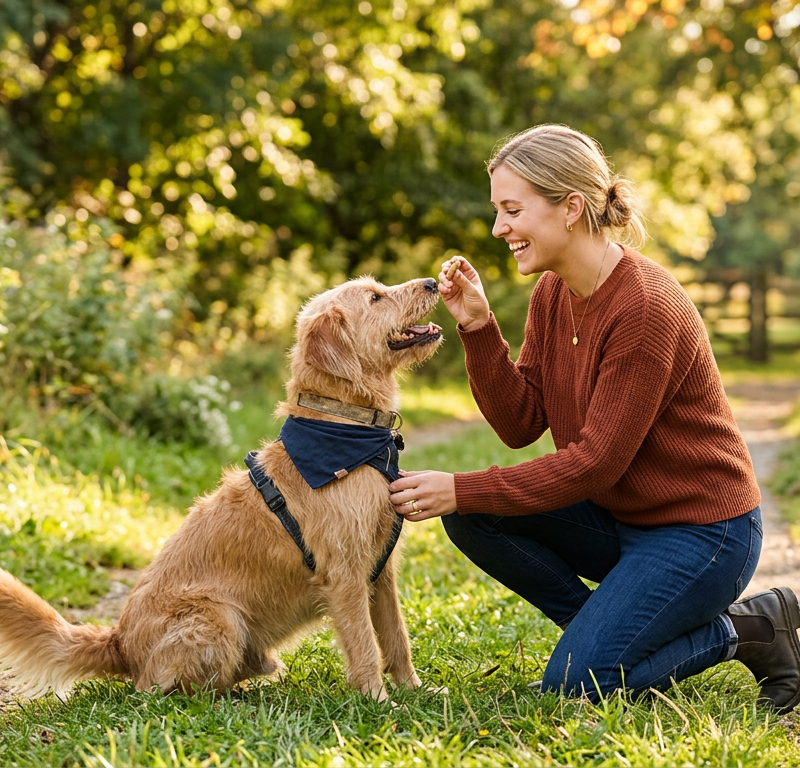
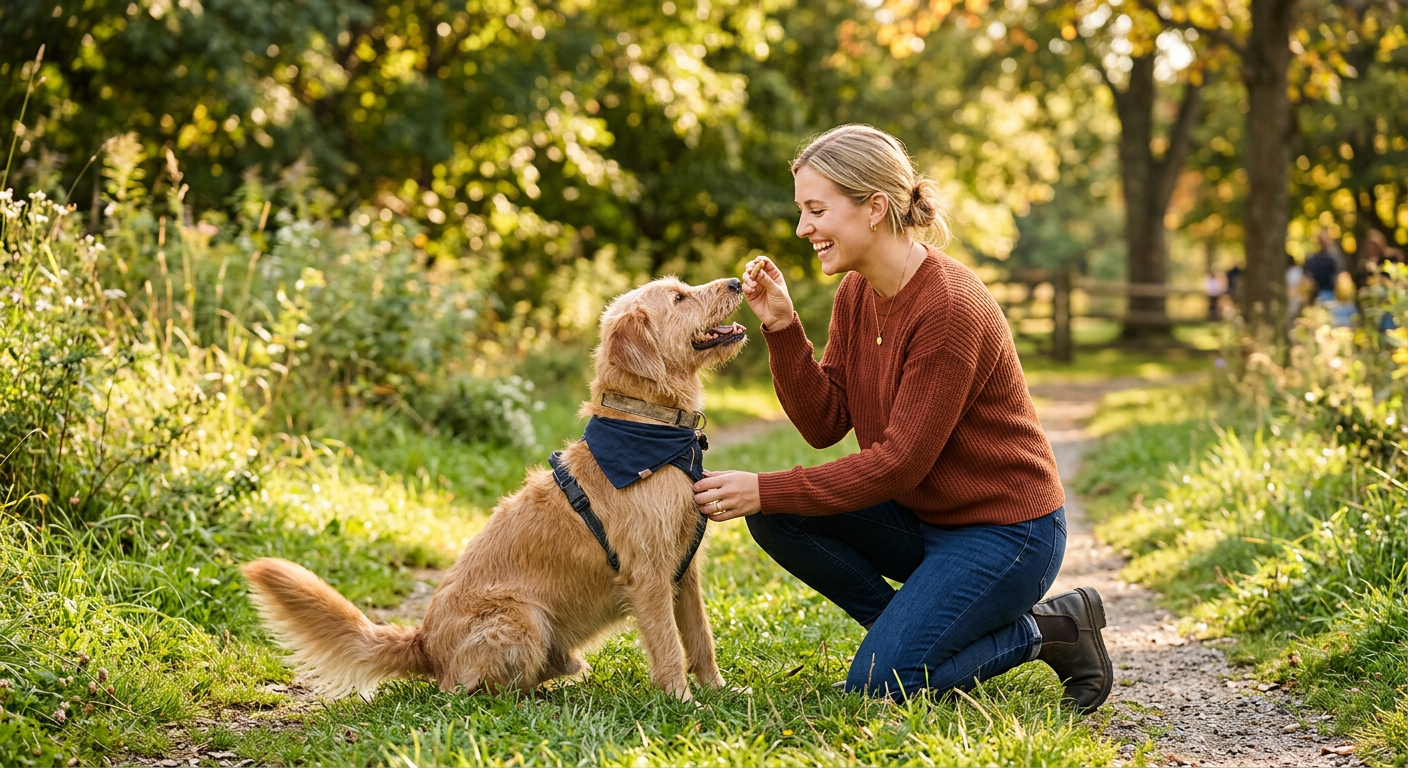
Modern dog training has evolved significantly, moving away from outdated methods toward science-based positive reinforcement. This method involves rewarding desirable behaviors with treats, praise, or play. When a dog discovers that sitting calmly results in a delicious snack, they are much more likely to repeat that behavior in the future.
Building Motivation Through Rewards
Every dog has a unique "currency." For some, it is a piece of high-value chicken; for others, it is a favorite squeaky toy or a vigorous belly rub. Identifying what motivates your dog is a key part of dog training fundamentals. Using these rewards correctly helps bridge the communication gap between humans and canines.
Timing is everything when it comes to reinforcement. You must deliver the reward within seconds of the desired action so the dog makes the mental connection. Professional trainers often use a "marker," such as a clicker or a specific word like "Yes!", to pinpoint the exact moment the dog did something right. This adds a level of precision to your daily interactions.
The Role of Consistency and Repetition
Consistency is the glue that holds dog training fundamentals together. If you allow your dog on the couch one day but scold them the next, they will become confused. Ensure that every member of the household is using the same cues and following the same rules to prevent mixed signals.
Repetition helps turn a conscious effort into a subconscious habit. However, it is important to practice in various environments. A dog might sit perfectly in your quiet living room but struggle to do so at a busy park. Gradually introducing distractions helps generalize the behavior so your dog can listen reliably anywhere you go.
Essential Commands for Wellness and Safety
Teaching specific commands is not just about showing off tricks; it is a vital part of proactive wellness. Basic cues like "Sit," "Stay," and "Come" can prevent your dog from running into a busy street or jumping on a vulnerable guest. These behaviors provide a safety net for your dog in the real world.
Mastering the Recall
The "Come" command, or recall, is perhaps the most important skill in the suite of dog training fundamentals. A reliable recall gives your dog more freedom to explore off-leash areas while ensuring they return to you immediately when called. Always make coming back to you the best part of their day by offering high-praise and rewards.
If you are curious how your dog's age impacts their learning capacity, check out our Golden Retriever age calculator to see where they are in their developmental journey. Understanding their life stage helps you set realistic expectations for their focus and energy levels during training sessions.
Focus and Eye Contact
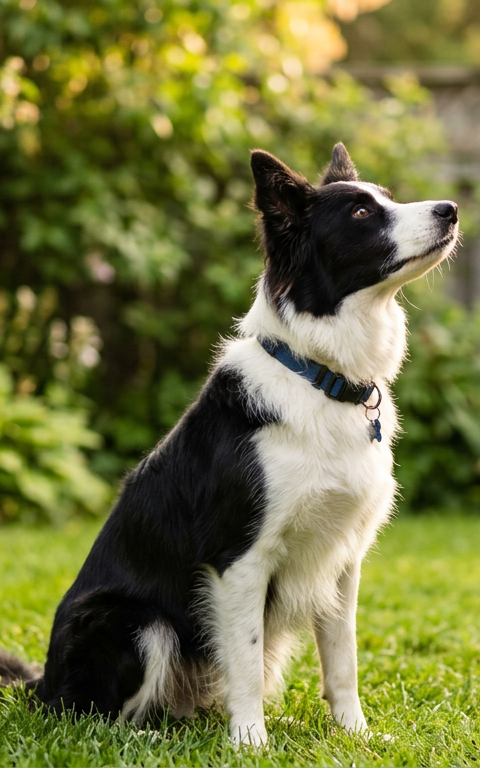
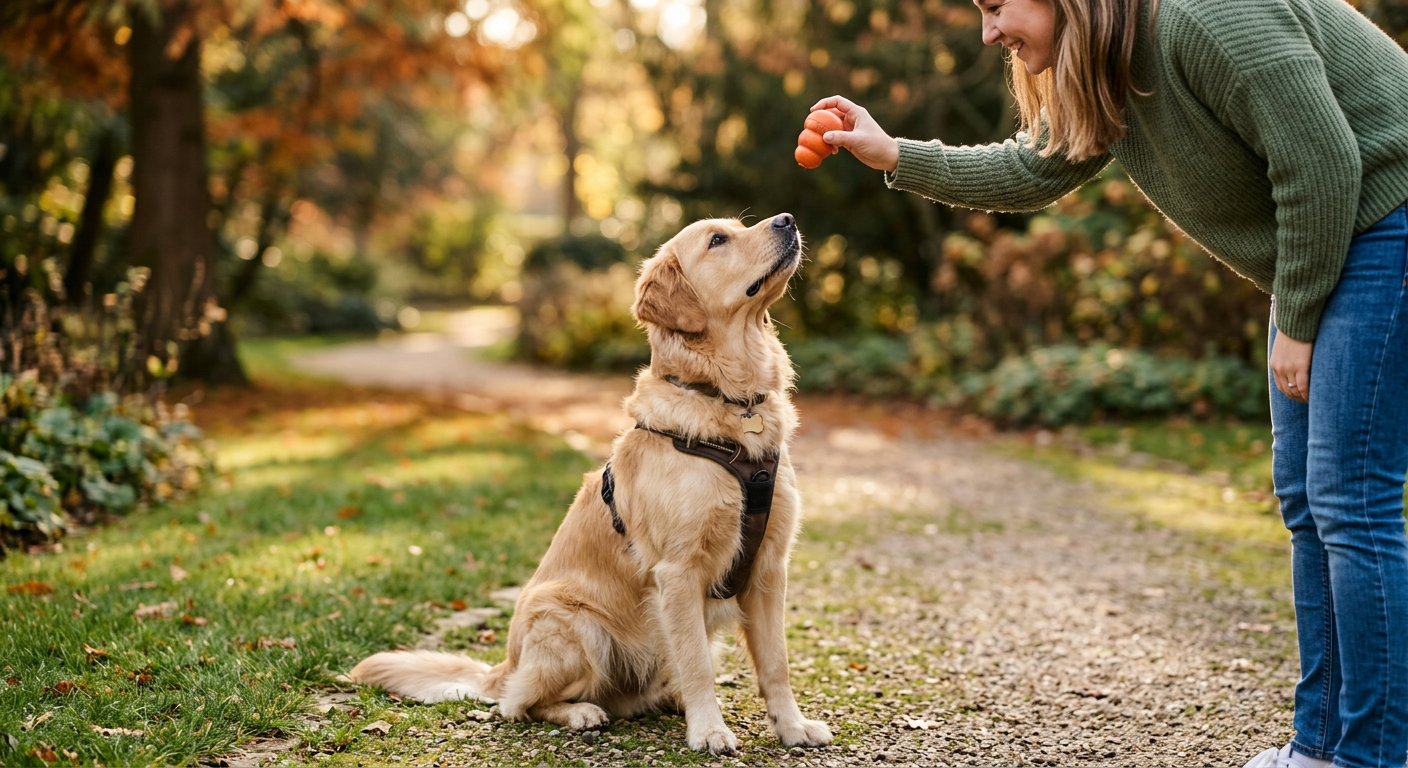
Teaching your dog to "Watch Me" or "Look" establishes a foundation for all other training. When a dog is looking at you, they are paying attention and ready for the next instruction. This eye contact fosters a deep sense of connection and helps redirect their attention away from potential triggers like squirrels or other dogs.
Redirecting a dog's attention is a gentle way to handle unwanted behaviors. Instead of focusing on what you don't want them to do, give them a task you do want. For example, if they start to bark at the window, asking for a "Sit" redirects their energy into a productive and rewarded action.
Socialization as a Pillar of Training
Socialization is often misunderstood as just playing with other dogs. In reality, it is the process of exposing your dog to various sights, sounds, and environments in a controlled, positive way. This helps them build confidence and prevents the development of fear-based reactions later in life.
A well-socialized dog is a calm dog. By introducing them to different surfaces, loud noises like vacuum cleaners, and people wearing hats or carrying umbrellas, you are teaching them that the world is a safe place. This is a critical component of dog training fundamentals that should begin as early as possible.
When considering socialization, it can be helpful to look at how different breeds interact. You might want to compare the German Shepherd vs Labrador Retriever to understand how their distinct temperaments might influence their social needs and training styles. Each breed brings a unique personality to the table.
Environmental Management and Routine
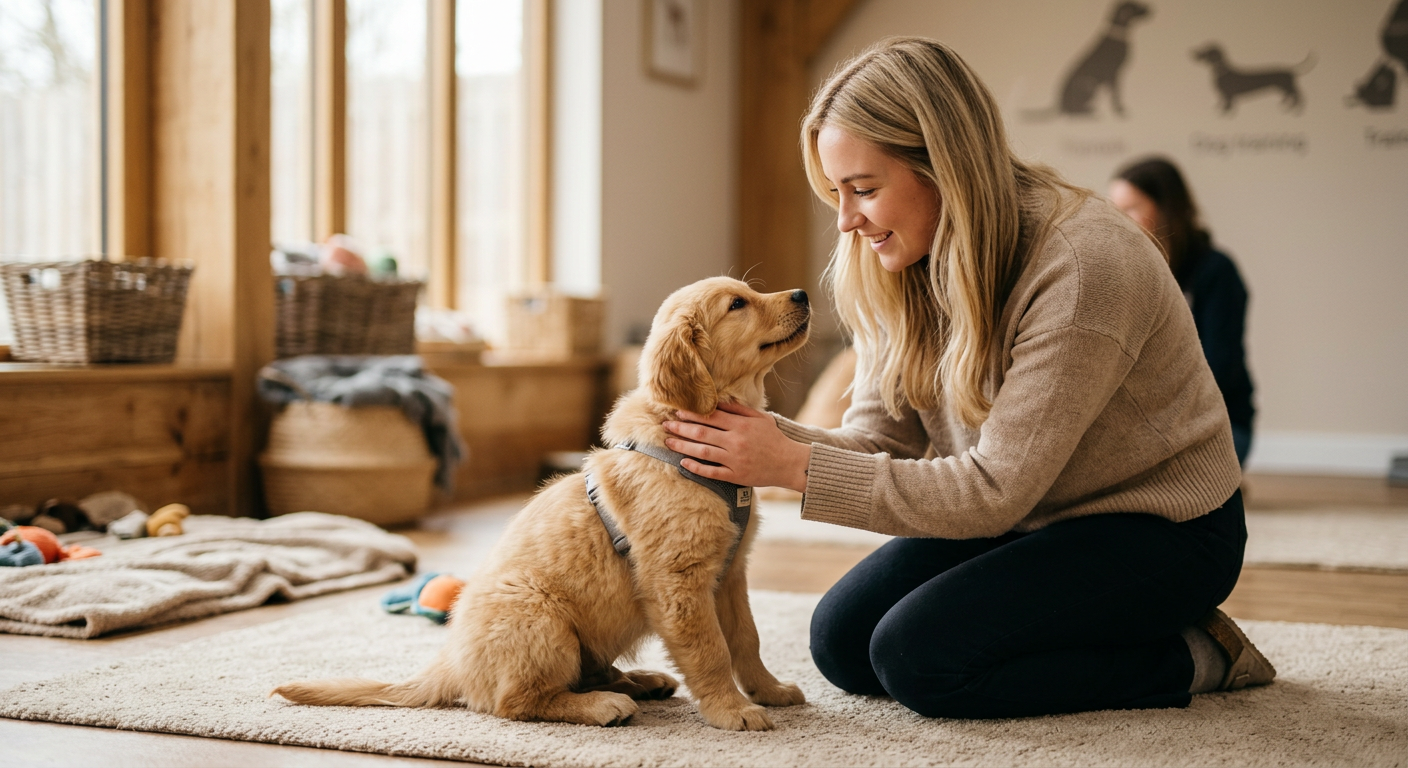
Training doesn't just happen during "session time"—it happens 24/7. Managing your dog's environment is a proactive way to prevent mistakes. This might mean using baby gates to limit access to certain rooms or keeping counters clear to prevent "counter surfing." By setting your dog up for success, you minimize the need for correction.
The Power of Routine
Dogs thrive on predictability. Having a consistent schedule for feeding, walking, and training helps reduce anxiety. When a dog knows what to expect, they are more relaxed and receptive to learning new things. Routine is one of those dog training fundamentals that provides a sense of security for your pet.
Incorporate training into your daily routine. Ask for a "Sit" before putting down the food bowl or a "Wait" before opening the door for a walk. These small moments reinforce your role as a gentle leader and provide mental stimulation throughout the day without requiring extra time from your busy schedule.
Mental Stimulation and Enrichment
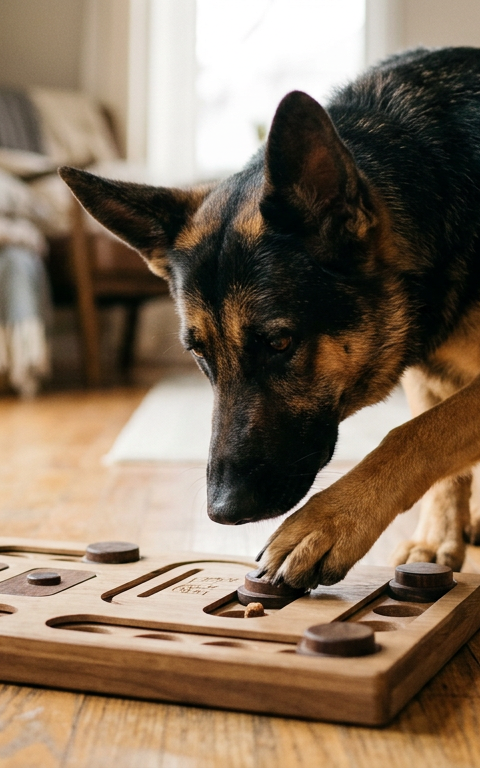
A tired dog is often a well-behaved dog, but physical exercise isn't the only requirement. Mental exercise is just as important. Puzzle toys, scent work, and learning new tricks keep your dog's brain active. This prevents boredom, which is a common cause of destructive behaviors like chewing or excessive barking.
Consider training as a form of enrichment. Learning a new "spin" or "shake" cue challenges their mind and strengthens the bond between you. It's a fun way to spend quality time together while reinforcing the dog training fundamentals you have already established.
Handling Challenges with Patience
It is perfectly normal to encounter hurdles during the training process. Dogs, like humans, have "off" days. They might seem to forget a command they knew yesterday or become easily distracted. When this happens, it is best to take a step back, simplify the task, and end the session on a positive note.
If you find that a particular behavior is becoming difficult to manage, it is always a good idea to consult a professional veterinarian or a certified dog trainer. They can help rule out underlying wellness considerations that might be affecting your dog's ability to focus or learn. Seeking expert guidance is a sign of a responsible and proactive pet owner.
Remember that the ultimate goal of dog training fundamentals is to foster a relationship built on trust and respect. Avoid harsh corrections and instead focus on guiding your dog toward the right choices. With time and dedication, you will find that your dog isn't just "trained"—they are a true partner in your daily life.
Conclusion: The Journey Never Ends
Dog training fundamentals are not a destination but an ongoing process. As your dog ages and your lifestyle changes, you will continue to adapt and grow together. By focusing on positive reinforcement, clear communication, and consistent routines, you are building a foundation that will last a lifetime.
Stay curious about your dog's behavior and continue to explore new ways to engage with them. Every training session is an opportunity to strengthen your bond and deepen your understanding of your best friend. Enjoy the process, celebrate the small victories, and look forward to the many happy years ahead with your well-trained companion.