Bringing a new dog into your home is an exciting journey filled with tail wags and cuddles. However, ensuring a harmonious life together starts with clear communication. Essential commands every dog should know act as the foundation for a safe, happy, and well-adjusted pet. Teaching these basics isn't just about discipline; it's about building a language that bridges the gap between humans and canines.
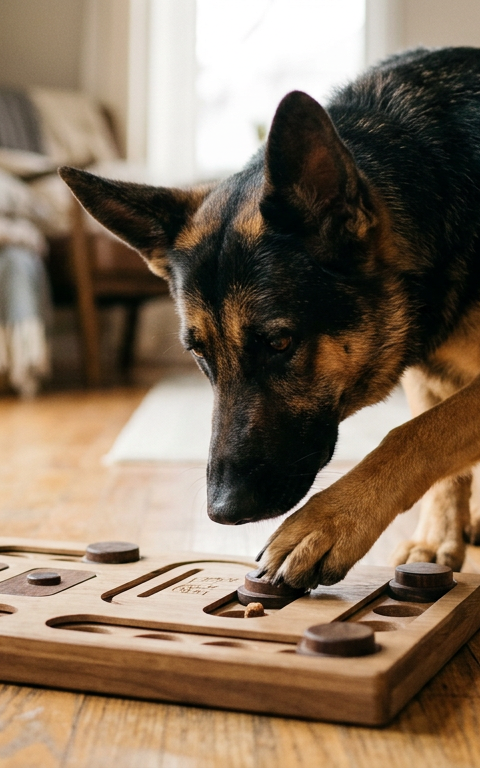
When you start training, you are doing more than just teaching tricks. You are providing mental stimulation and strengthening the bond you share. Every successful repetition of a command builds trust. Whether you are raising a rambunctious Labrador Retriever puppy or adopting an adult dog, the principles of positive reinforcement remain the same.
The Core Building Blocks of Communication
Before diving into specific actions, it is helpful to understand why we prioritize certain behaviors. Training provides a safety net for your dog in the real world. A dog that listens is a dog that can enjoy more freedom, such as off-leash walks or visits to dog-friendly cafes. It turns potential stress into a structured learning opportunity.
Consistency is the secret ingredient in any training routine. Pets thrive on predictability. When everyone in the household uses the same cues and reward systems, the dog learns much faster. This clarity prevents confusion and helps your dog feel confident in their role within the family unit.
The Value of Positive Reinforcement
Most modern trainers recommend positive reinforcement, which focuses on rewarding desired behaviors rather than punishing mistakes. This approach creates an eager learner who looks forward to training sessions. You can use high-value treats, favorite toys, or enthusiastic praise to mark a job well done.
Keep your sessions short and sweet. Most dogs respond best to 5-10 minute bursts of learning several times a day. This prevents boredom and ensures their focus remains sharp. For more on the basics of setting up your home for success, check out our guide on Dog Training Fundamentals: Building a Strong Bond with Your Pet.
Establishing the Sit Command
The "Sit" command is often the first thing a puppy learns, and for good reason. It is a natural posture for dogs and serves as a transition to many other behaviors. Teaching a dog to sit is the ultimate "please" in the canine world. It helps manage excitement when guests arrive or when it is time for dinner.
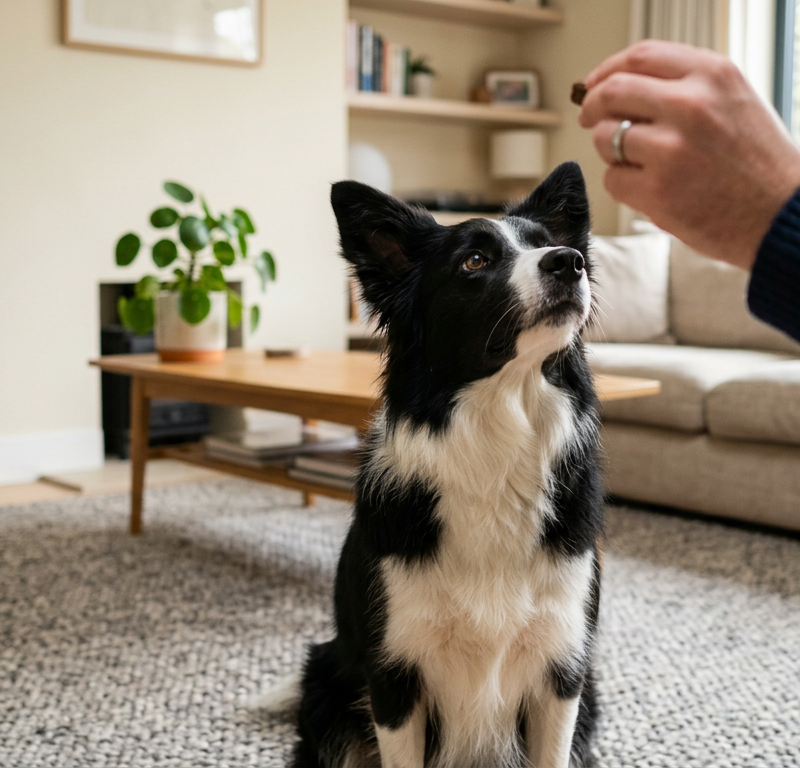
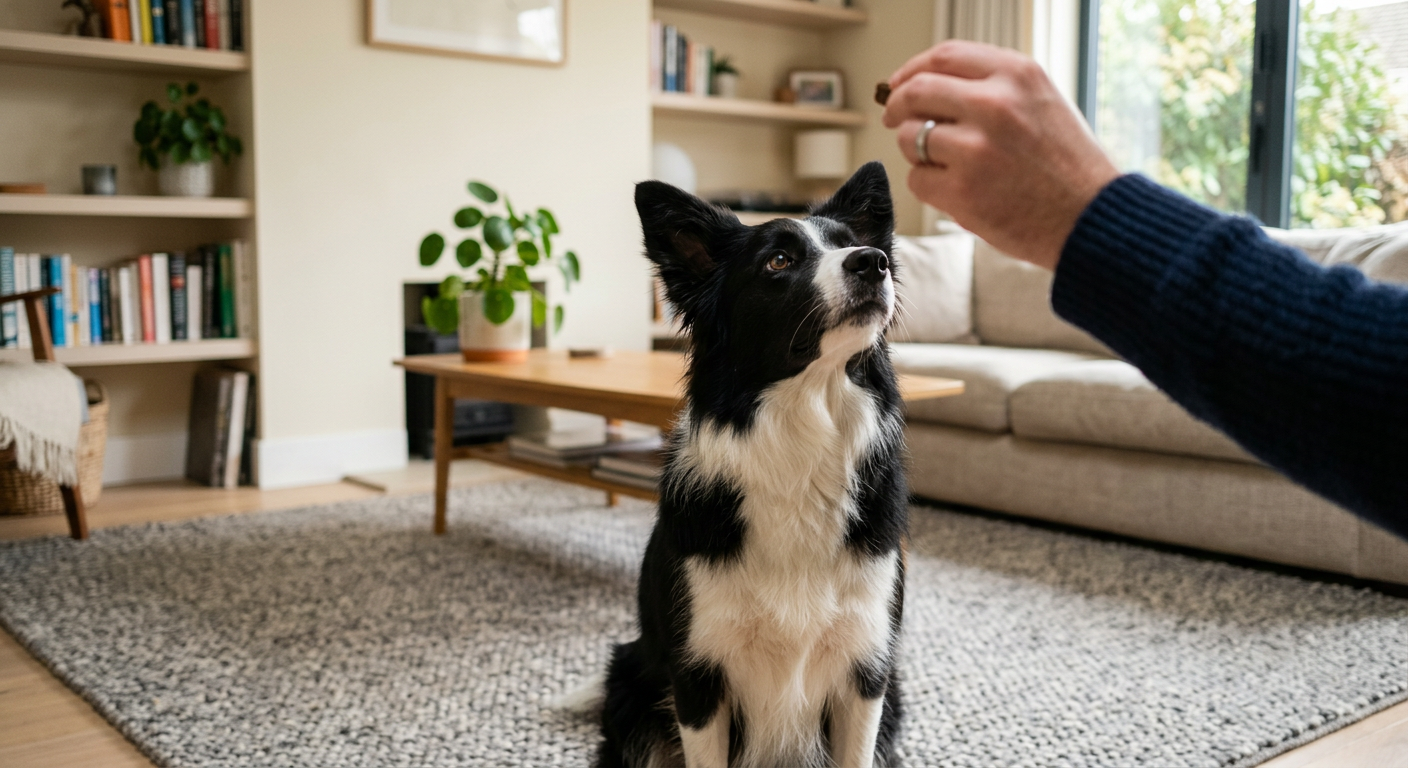
To teach this, hold a treat close to your dog's nose. Move your hand up, allowing their head to follow the treat, which naturally causes their bottom to lower. As soon as their rear touches the ground, say "Sit" and give them the treat. With repetition, they will begin to associate the verbal cue with the physical action.
When to Use Sit Indoors and Out
Sitting is incredibly versatile. Use it at street corners before crossing the road to ensure your dog remains stationary and safe. It is also helpful when putting on a harness or leash. By asking for a sit, you turn a wiggly, excited dog into a calm partner for your walk.
The Importance of the Stay Command
While sitting is great, staying in place is a vital safety skill. The "Stay" command teaches self-control and patience. It is one of the most important essential commands every dog should know because it prevents them from darting into dangerous situations, such as an open front door or toward a busy street.
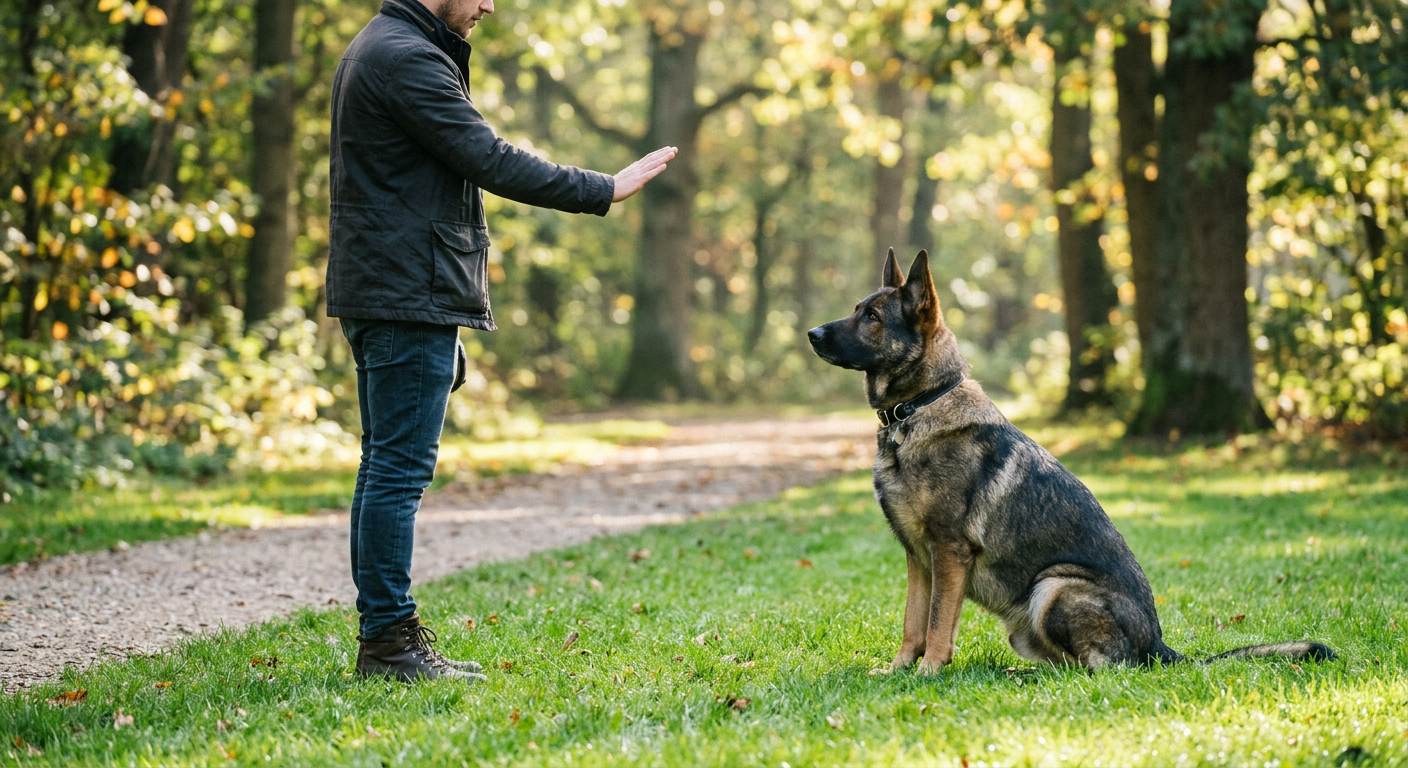
Start by asking your dog to sit. Hold your hand up with your palm facing forward and say "Stay." Take only one step back. If they remain still, return immediately and reward them. Slowly increase the distance and the duration as your dog becomes more reliable at holding their position.
Building Reliability with Distractions
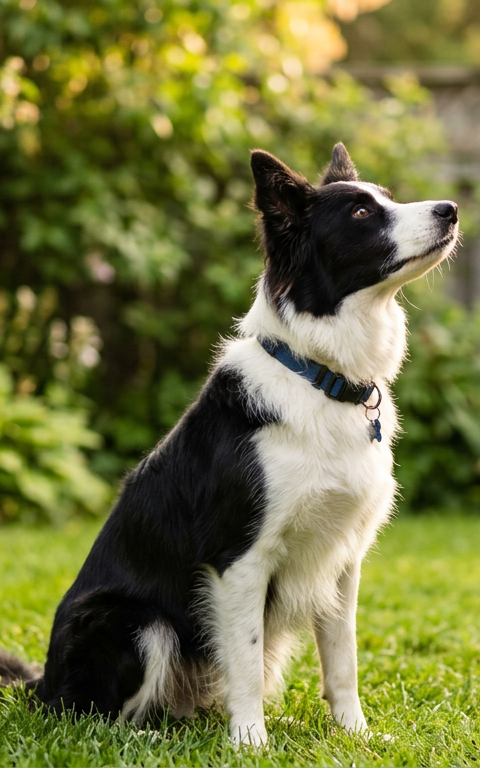
Once your dog understands stay in a quiet room, start practicing with distractions. Maybe roll a ball nearby or have someone walk past. This ensures that the command holds weight even when the environment is busy. Training a focused dog, like a Border Collie, often requires these extra challenges to keep their minds engaged.
Mastering the Recall or Come Command
Perhaps the most life-saving skill in a dog's repertoire is the "Come" command, also known as recall. A reliable recall allows you to get your dog's attention and bring them back to your side instantly. This is crucial if they slip out of their collar or if you encounter an off-leash dog during a hike.
Never use the "Come" command to call your dog for something they dislike, such as a bath or a nail trim. You want the word to be associated with the best things in life. Use an enthusiastic tone, open your arms wide, and reward them with their absolute favorite treat when they arrive. Make coming to you the best part of their day.
- High-value treats: Use tiny pieces of chicken or cheese for recall.
- Long leashes: Use a 15-foot lead in open parks to practice safely.
- Happy body language: Squat down to make yourself more inviting.
- Jackpot rewards: Give multiple treats for a fast, direct recall.
The Down and Leave It Commands
The "Down" command is a more relaxed version of sit. It is perfect for long stays at a restaurant or while you are eating dinner at home. Because it is a submissive and relaxed posture, it helps many dogs settle their energy if they are feeling overstimulated or anxious.
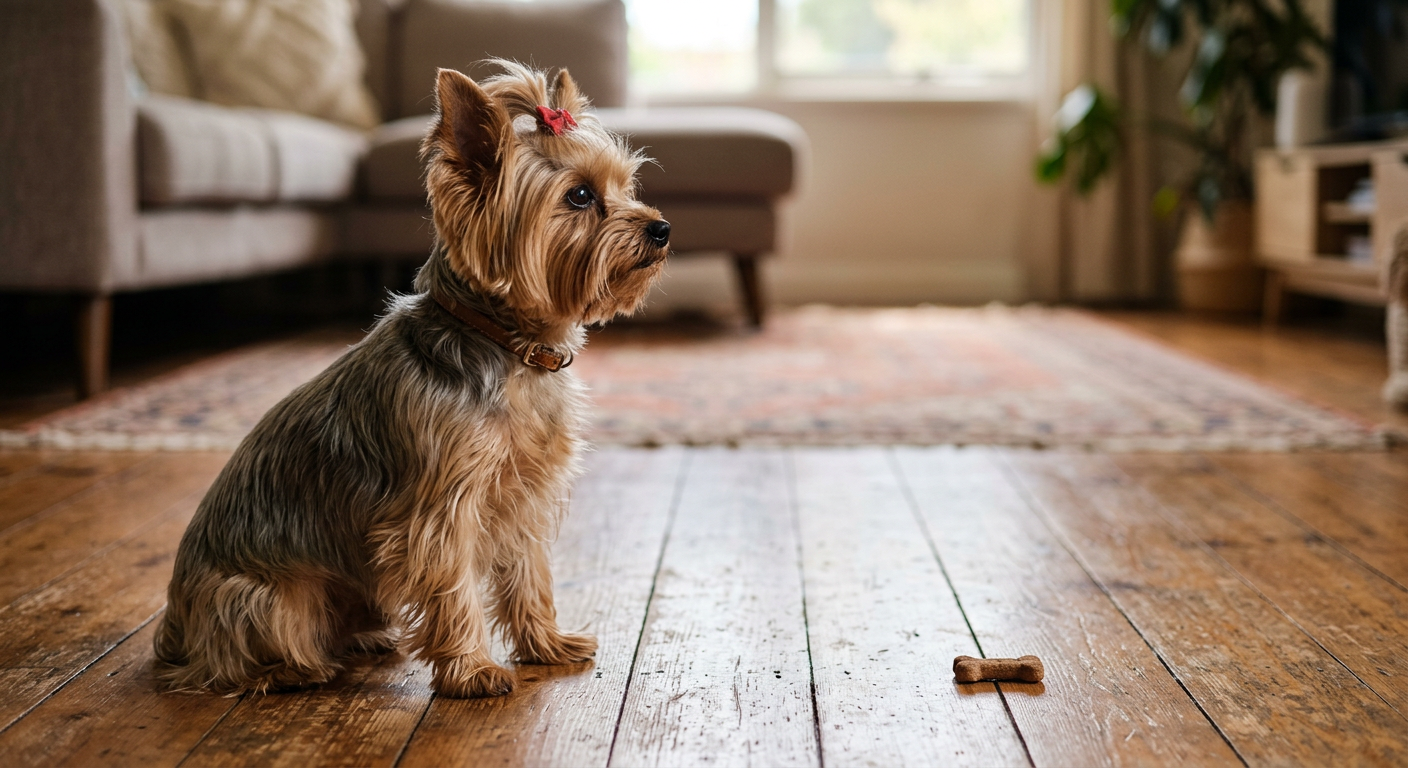
"Leave It" is equally essential for wellness. Dogs are natural scavengers and might find something harmful on the ground, such as toxic leftovers or a piece of glass. Teaching your dog to ignore tempting items protects them from potential health risks. It transitions from a "drop it" move to a preventative "don't touch that" skill.
Teaching Leave It Step by Step
- Place a treat in your closed fist.
- Let your dog sniff and lick your hand, but don't open it.
- Once they stop trying and pull away, say "Leave it" and give them a *different* treat from your other hand.
- Eventually, move to placing the treat on the floor and covering it with your foot.
Walking Gracefully on a Loose Leash
While not a single word command, "Heel" or loose-leash walking is a fundamental part of canine education. A dog that pulls can make walks stressful and even cause physical strain for the owner. Learning to walk by your side makes daily exercise a joy rather than a chore.
If you are choosing between breeds like a Boxer vs Rottweiler, you'll find that both powerful breeds require early leash training to manage their strength. Start in a low-distraction environment and reward your dog for keeping the leash slack. Every time they pull, stop walking. They will eventually learn that pulling leads to standing still, while a loose leash leads to moving forward.
Conclusion
Teaching the essential commands every dog should know is a journey of patience and love. By focusing on these core behaviors, you are setting your dog up for a lifetime of success and safety. Remember that every dog learns at their own pace, and the goal is progress, not perfection. Keep your training sessions fun, stay consistent, and always consult a professional trainer or veterinarian if you encounter specific behavioral hurdles. With time and dedication, you and your dog will develop a deep understanding that makes every day together more rewarding.