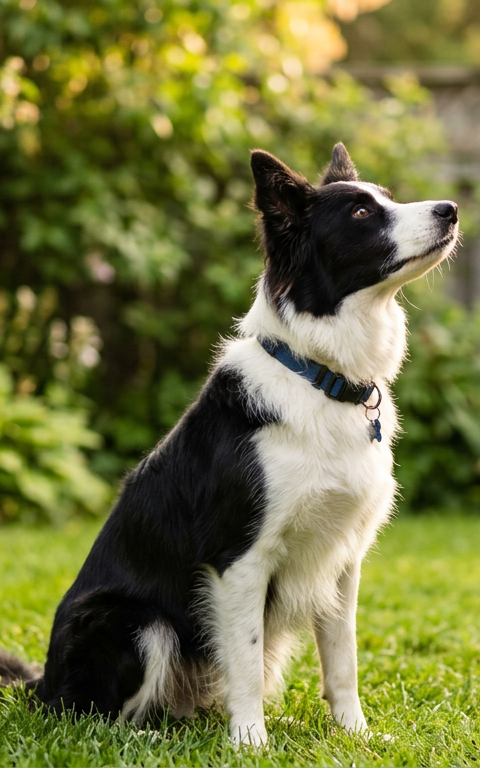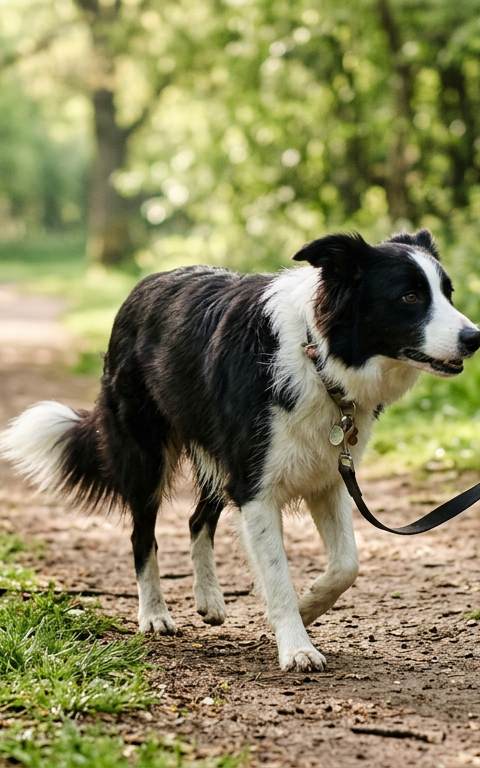
As our canine companions enter their golden years, it is a common misconception that their learning days are behind them. Training senior dogs is not only possible but highly beneficial for their cognitive health and emotional well-being. Keeping an older dog’s mind active can help slow the effects of aging and provides a wonderful way to maintain your unique bond as they slow down physically.
When we talk about teaching an older pet, the focus shifts from high-energy activities to mental stimulation and comfort. While a puppy might learn to sit for a treat, a senior dog might learn to "touch" a target to help maintain their spatial awareness. At PetDecoder AI, we believe that every stage of a dog's life offers new opportunities for growth and connection.
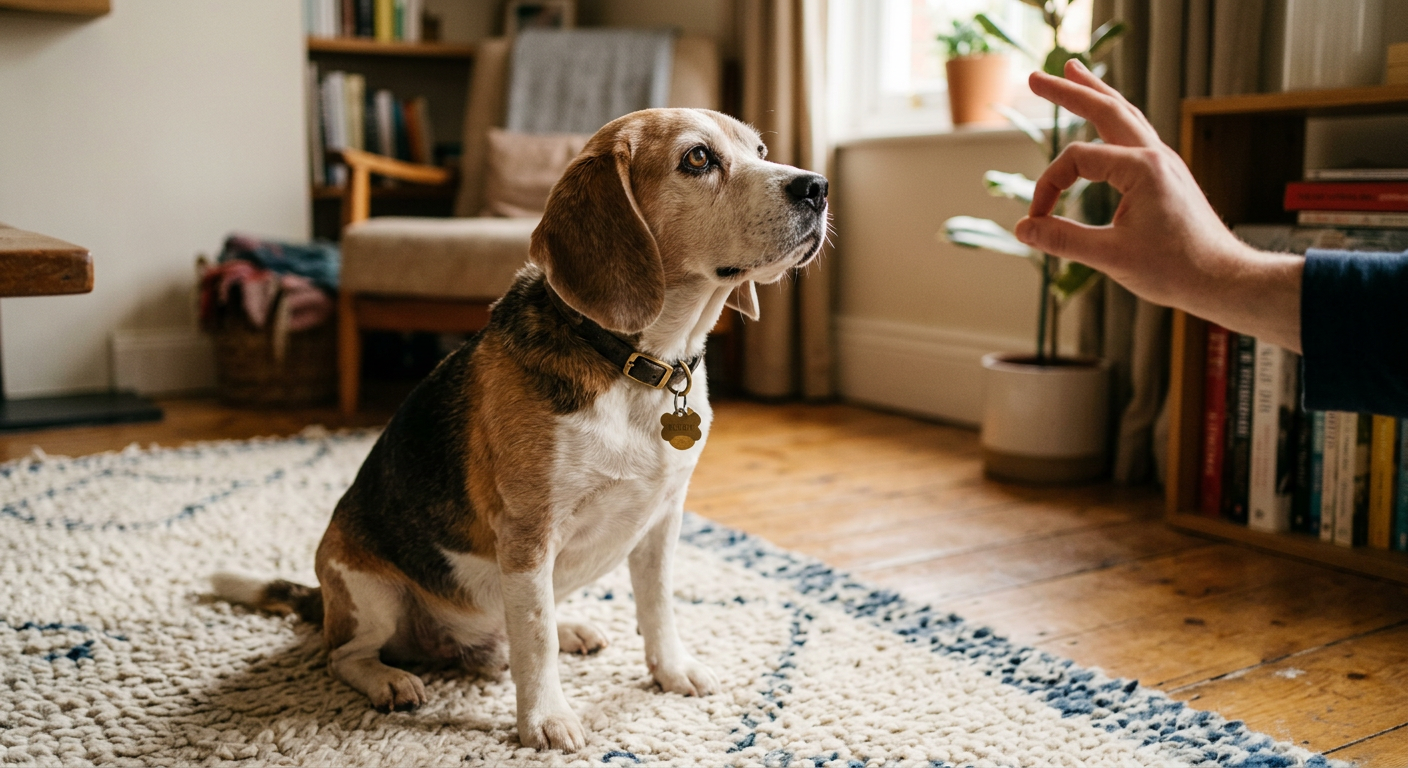
The Benefits of Training Senior Dogs
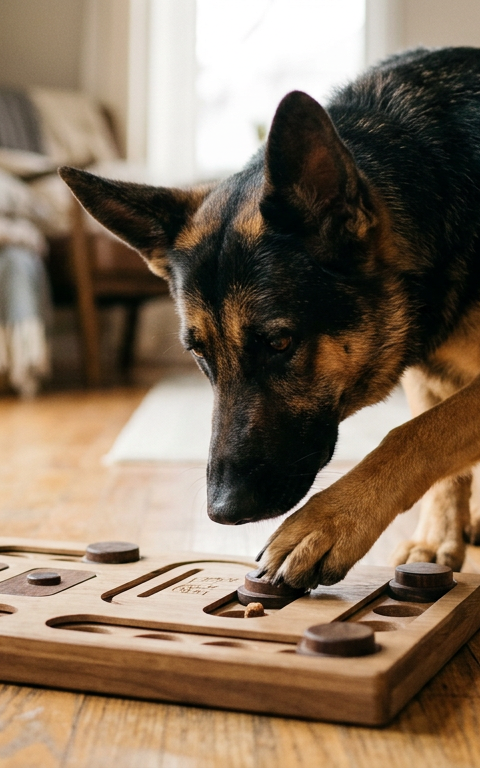
Engaging in regular training sessions with an older dog helps keep their brain sharp. Veterinary professionals often note that "cognitive dysfunction syndrome" can be managed more effectively when dogs are given regular mental challenges. Just like humans who do crosswords to stay sharp, dogs benefit from solving puzzles and learning new cues.
Beyond the mental perks, training provides essential emotional support. As dogs age, they may feel more vulnerable due to declining vision or hearing. A consistent training routine provides a sense of security and structure, letting them know they are still an active, valued member of the family.
Building Confidence in Older Years
Senior dogs can sometimes become hesitant if they lose their footing or if their senses dull. Training helps rebuild that lost confidence. By using positive reinforcement, you remind your dog that they are capable and successful, which can significantly improve their overall quality of life.
If you have a breed known for its longevity, such as the Shih Tzu, you might find that training needs to adapt significantly over a decade of life. Whether they are seven or fourteen, the goal remains the same: a happy, engaged pet.
Adapting Your Training Style for Seniors
When training senior dogs, the "how" is just as important as the "what." You must be mindful of their physical limitations. Arthritis, reduced vision, and hearing loss are common wellness considerations that require us to be more flexible with our expectations.
Keep sessions short and frequent rather than long and grueling. Five minutes of focused attention is often plenty for an older dog. If you notice them shifting their weight frequently or looking tired, it is time to end on a positive note and let them rest.
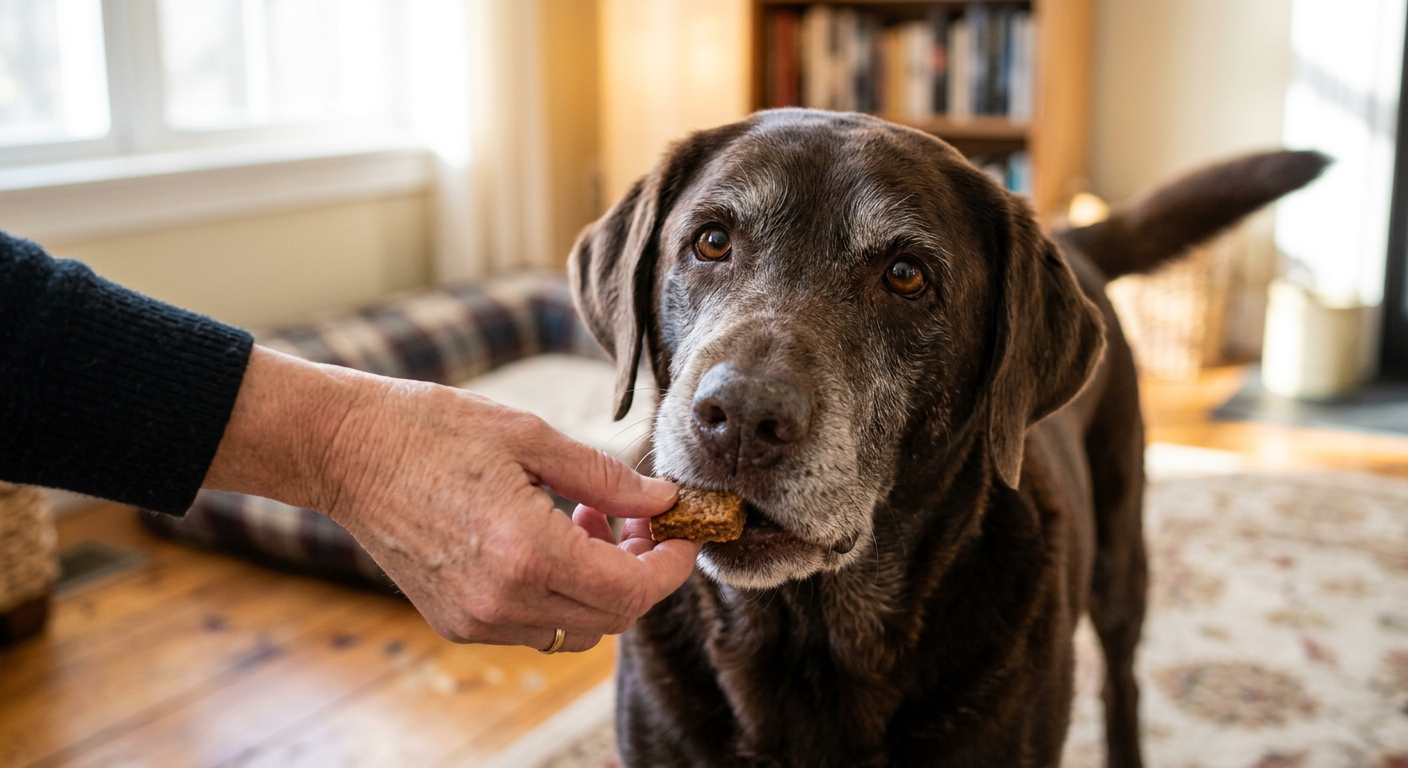
Using Low-Impact Cues
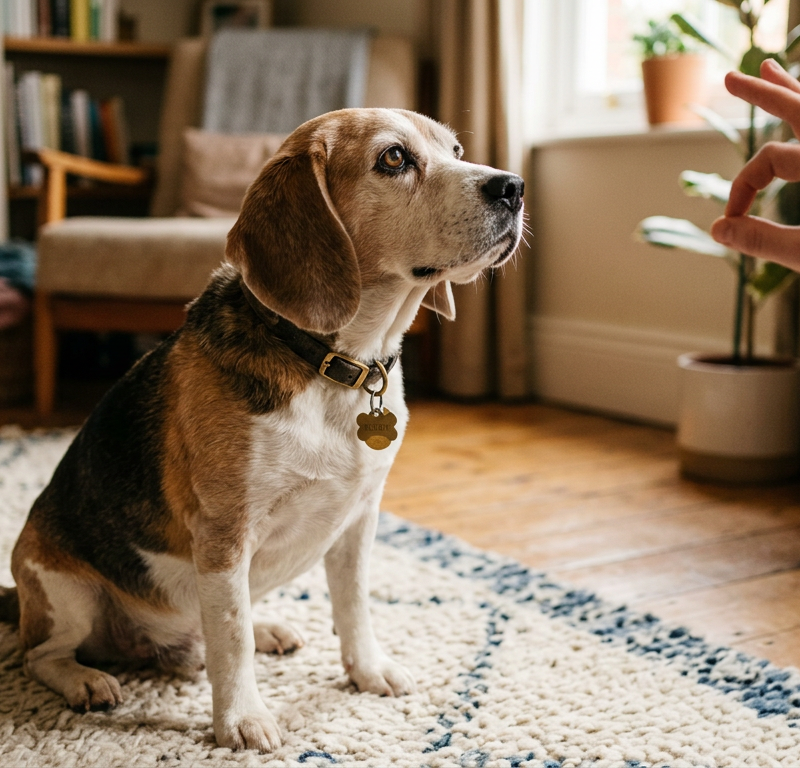
Instead of asking for a "sit" repeatedly, which can be hard on arthritic hips, consider teaching a "hand touch" or "look at me." These cues don't require much physical effort but demand plenty of focus. If your dog has difficulty hearing, try incorporating clear hand signals alongside your verbal commands.
If you are transitioning from training a younger dog, like a Poodle, you may need to slow your pace significantly. Patience is the most valuable tool in your kit when working with a senior pup.
Essential Skills for the Golden Years
While many seniors already know the basics, there are specific skills that make life easier for aging pets. These focus on safety and accessibility rather than high-performance obedience.
- Hand Signals: Essential for when hearing begins to fade.
- Ramp Training: Teaching your dog to confidently use a ramp for the car or bed.
- Wait for Permission: Prevents them from rushing and potentially falling or hurting themselves.
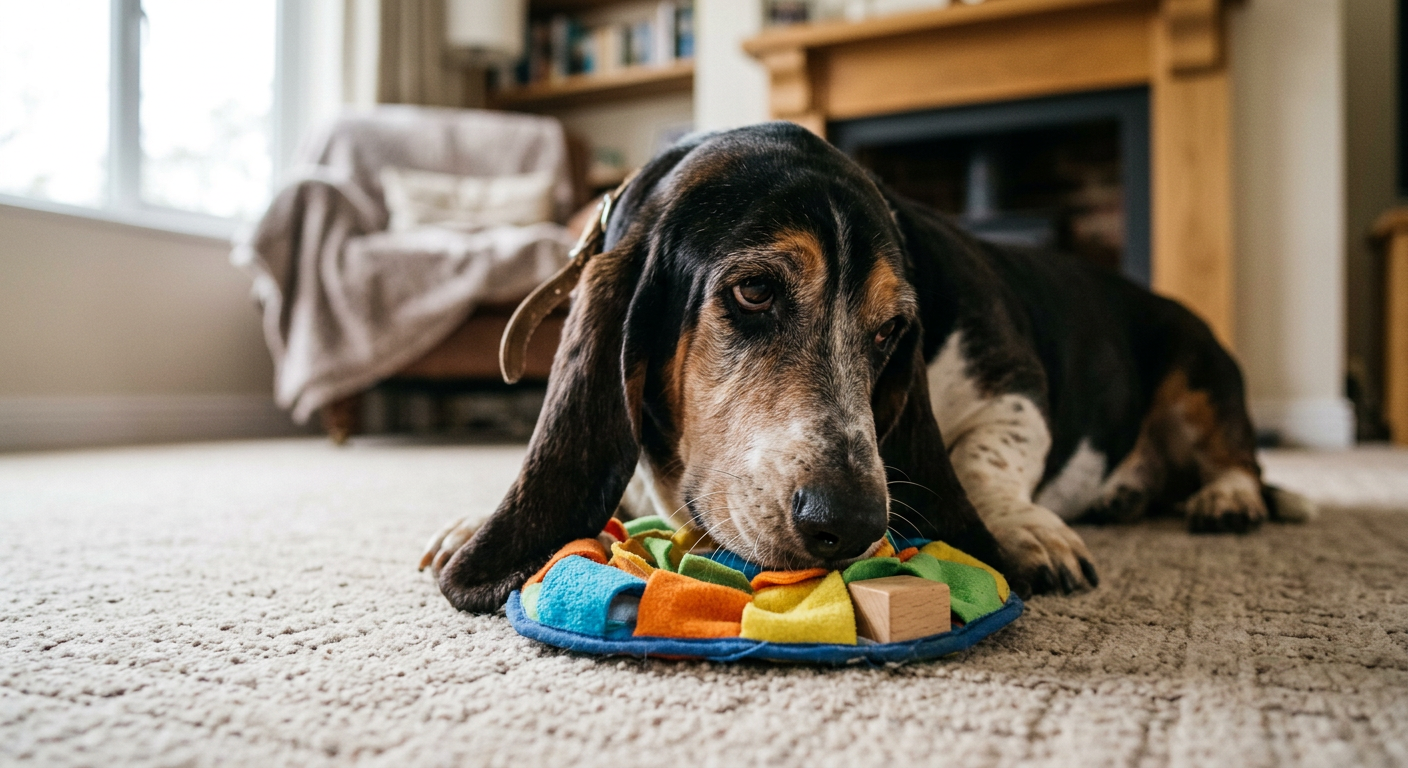
- Scent Work: A low-impact way to engage their strongest sense and provide mental fatigue.
For more foundational advice on how to build these habits, check out our guide on Dog Training Fundamentals. These principles apply whether your dog is a puppy or a wise old soul.
Managing Physical Comfort
Always ensure the training surface is non-slip. Hardwood floors can be slippery and difficult for older dogs to navigate. Use a yoga mat or a carpeted area to give them better traction, which reduces the risk of strain during your session.
Addressing Behavioral Changes in Seniors
Sometimes, what looks like "forgetting" training is actually a medical issue. If your senior dog suddenly stops responding to "stay" or starts having accidents, it’s important to consult your veterinarian to rule out pain or cognitive decline. For proactive care, understanding these shifts is vital.
Re-training basic habits can sometimes be necessary if a dog has had a long break from formal education. You can find strategies for these specific moments in our article on Addressing Common Behavioral Challenges. Remember that "stubbornness" in a senior is often just a need for more time to process information.
Environment and Routine
Consistency is your best friend when training senior dogs. Keeping the environment quiet and free of distractions helps them focus without getting overwhelmed. A predictable routine reduces anxiety, making them more receptive to learning new things.
Scent Work and Mental Stimulation
One of the best ways to engage an older dog is through their nose. Scent work is a fantastic, low-impact sport that any dog can do, regardless of their mobility level. It leverages their natural instincts and provides a deep level of satisfaction.
Hide high-value treats around the room and encourage your dog to "find it." This keeps them moving at their own pace while providing a heavy dose of mental stimulation. It is an excellent way to keep a Labrador Retriever or other scent-focused breeds happy in their later years.
Conclusion
Training senior dogs is a rewarding journey that emphasizes the depth of your relationship. By focusing on mental enrichment and adapting to their physical needs, you ensure your dog remains curious and confident. Always prioritize their comfort, keep the treats flowing, and enjoy every moment of discovery with your long-time companion. Your efforts in proactive care will lead to a more vibrant and fulfilling life for your senior pet.