Walking your dog should be one of the most enjoyable parts of your day. It is a time for bonding, exercise, and exploring the neighborhood together. However, many owners struggle with pulling, lunging, or stubbornness, which is why Leash Training Made Easy is such a vital topic for a happy household. With the right approach and a bit of patience, you can transform your daily walks into a peaceful experience.
Leash training is not just about control; it is about communication. Your dog needs to understand what you expect from them when they are attached to a tether. By focusing on positive reinforcement and clear signals, you can teach your dog to walk calmly by your side. Let's explore the foundational steps to achieving a loose-leash walk that feels effortless for both you and your canine companion.
Choosing the Right Gear for Success
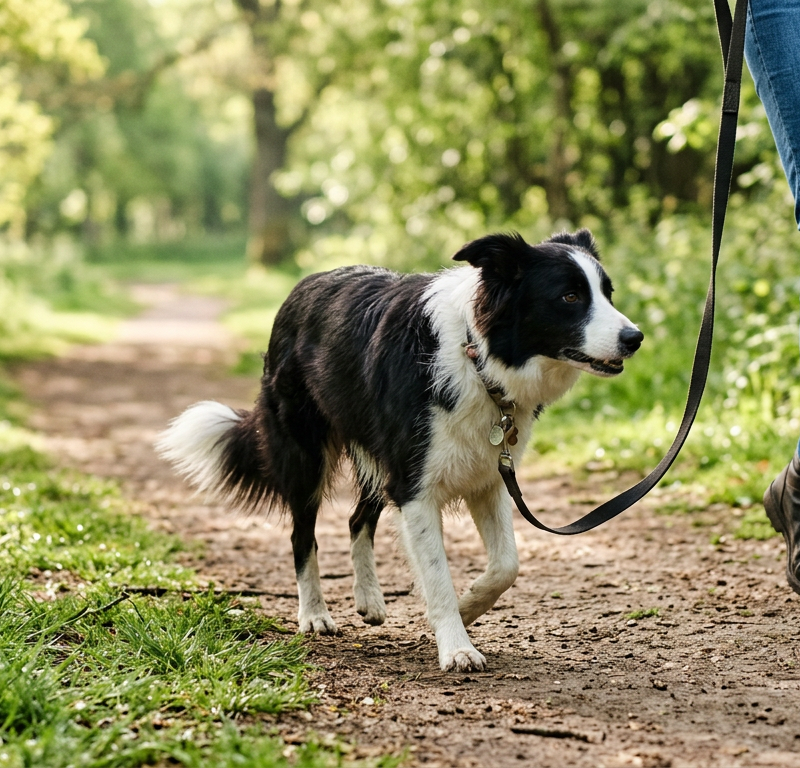
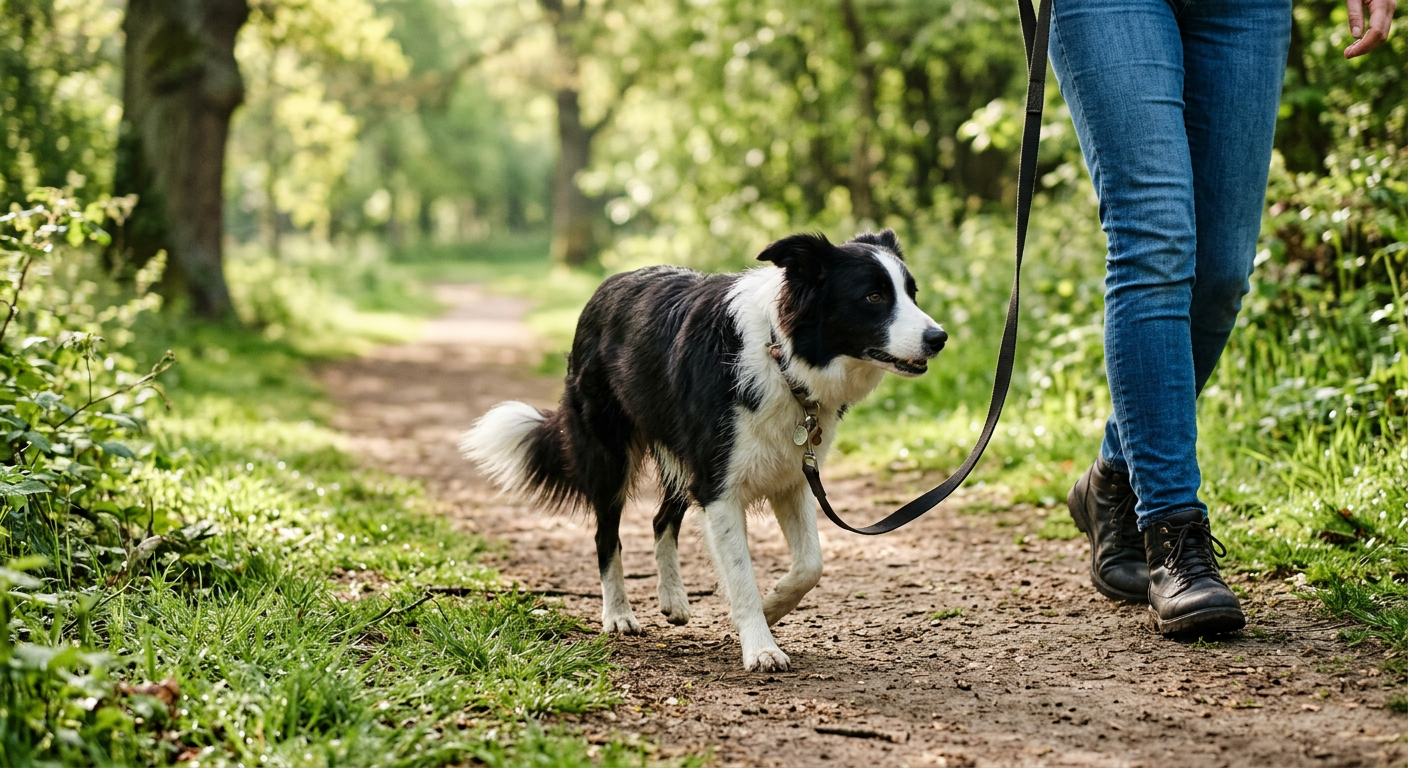
Before you even step outside, having the proper equipment is essential for a smooth training process. Not all collars and leashes are created equal, and some may actually hinder your progress. A standard flat collar or a front-clip harness is often the best choice for beginners. These tools allow you to guide your dog without putting unnecessary pressure on their neck.
Avoid using retractable leashes during the training phase. These leashes teach dogs that pulling actually gives them more freedom, which is the opposite of what we want to achieve. A fixed-length leash, typically four to six feet long, provides the consistent boundary your dog needs to learn. If you are training a larger breed, such as a Doberman Pinscher, a sturdy leather or nylon leash offers the best grip and durability.
The Benefits of a Front-Clip Harness
Front-clip harnesses are excellent tools for dogs that tend to pull. Because the leash attaches at the chest, any forward momentum from the dog gently turns them back toward you. This natural redirection helps them realize that pulling doesn't get them where they want to go. It is a proactive care step for their physical health, as it prevents strain on the trachea.
Establishing Focus Before the Walk
One of the biggest mistakes owners make is trying to start training while the dog is already over-excited. If your dog is jumping and spinning as soon as you grab the leash, they are not in the right mindset to learn. Wait for your dog to sit calmly before clipping the leash on. This sets the tone that calm behavior leads to the reward of going outside.
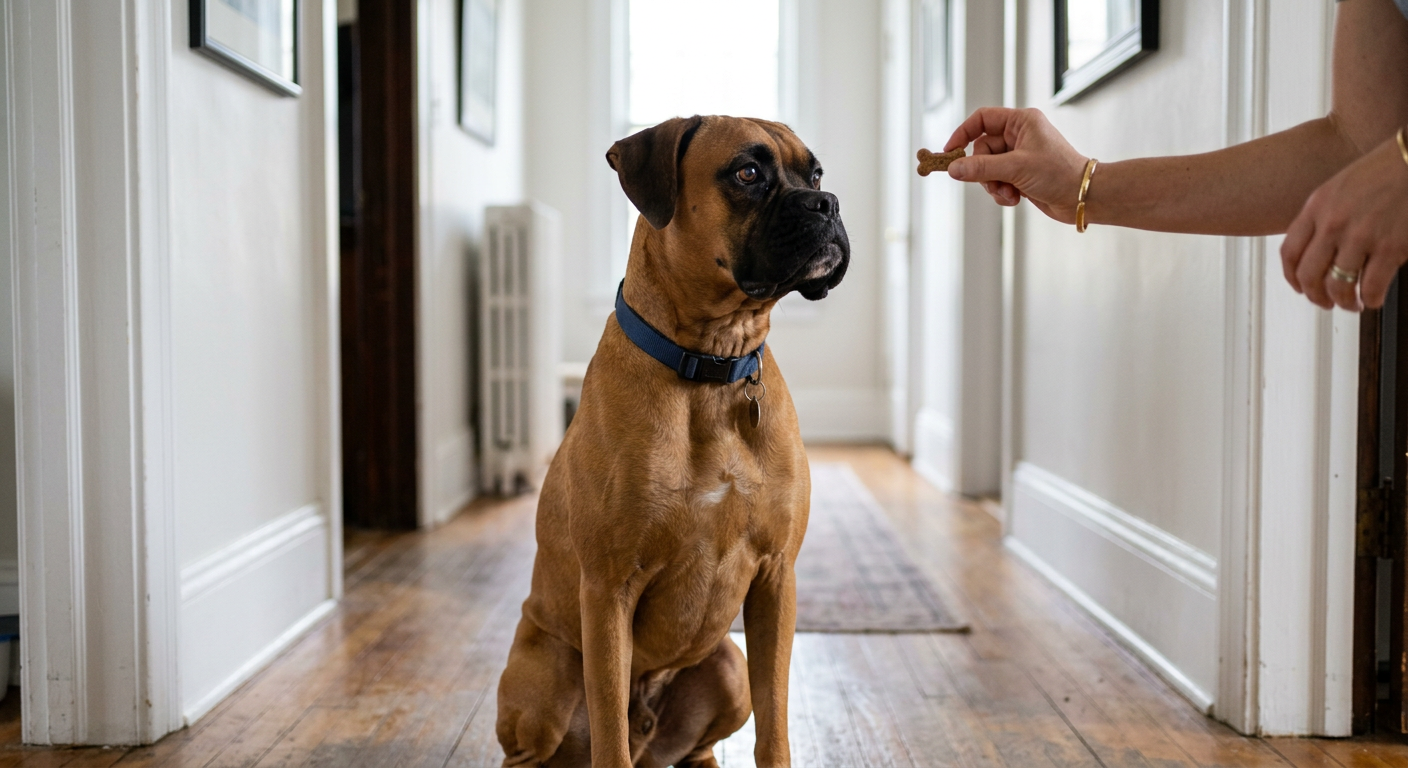
Practice "leash manners" inside your home first. A quiet hallway or living room is a low-distraction environment where your dog can focus entirely on you. Walk a few steps with your dog, rewarding them with a treat every time the leash remains slack. This builds a strong foundation before you face the distractions of squirrels, cars, and other dogs outside.
The Stop and Go Technique
The "Stop and Go" method is a classic pillar of leash training. The concept is simple: if the dog pulls, the walk stops. By becoming a "tree," you teach your dog that tension on the leash is a red light. Only when the dog turns back to look at you or moves to put slack in the leash do you begin moving forward again.
- Be Consistent: If you allow pulling even once, your dog learns that it might work eventually.
- Keep Sessions Short: Start with 5-10 minute sessions to prevent your dog from getting frustrated.
- Use High-Value Rewards: Small pieces of chicken or cheese can be much more motivating than standard kibble.
- Reward the Position: Feed the treat right next to your leg so the dog learns that being close to you is the "payout zone."
This technique requires patience, especially in the beginning. You might only make it three houses down the street on your first few tries, and that is perfectly okay. Quality of movement is far more important than the distance covered during the initial training phase.
Managing Distractions and Environment
The world is a very exciting place for a dog. To make walking on a leash simple, you must gradually increase the level of difficulty. Once your dog is proficient in the backyard, move to the driveway, then the sidewalk in front of your house. If you notice your dog becoming overwhelmed, take a step back to a quieter area.
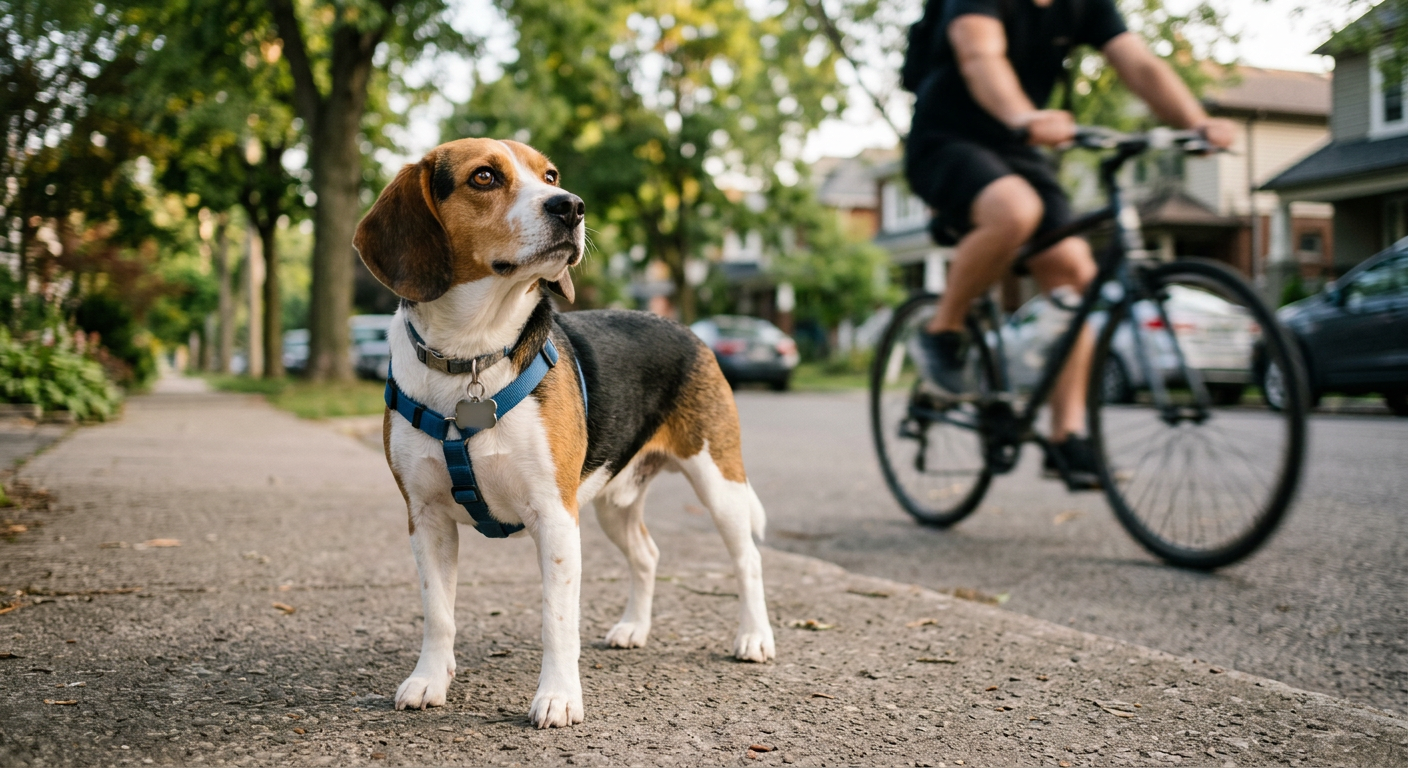
When you see a distraction approaching—like another dog or a bicycle—try to get your dog's attention before they react. Use a cheerful voice or a quick hand signal to keep them focused on you. This is an excellent time to practice socialization tips for puppies and adult dogs, ensuring they remain neutral and calm in various settings.
The "Let's Go" Command
Introducing a verbal cue like "Let's Go" tells your dog that it is time to move forward together. This is different from a formal "Heel" command, which requires the dog's shoulder to be perfectly aligned with your leg. "Let's Go" is a more relaxed cue for casual walks where the dog can sniff and explore, provided they don't pull.
Consistency Across the Family
For training to be effective, everyone who walks the dog must follow the same rules. If one person allows the dog to pull and another doesn't, the dog will become confused. Sit down with your family or walk-mates and agree on the cues and rewards you will use. Consistency is the fastest way to see permanent results in your dog's behavior.
If you are comparing different breeds for their trainability, such as a Beagle vs Poodle, you may find that some dogs require more repetitions than others. Regardless of the breed's natural tendencies, a unified front from all human handlers will significantly speed up the process.
Proactive Care and Physical Wellness
Sometimes, pulling isn't just about training; it can be related to a dog's energy levels. A dog with pent-up energy will find it much harder to walk calmly. Consider a short session of fetch or mental stimulation before your training walk to help them settle. Ensuring your dog's age-appropriate exercise needs are met is a vital wellness consideration.
If you find that your dog is suddenly struggling with leash manners after previously doing well, consult a veterinarian. Physical discomfort or changes in vision can sometimes lead to changes in walking behavior. A quick check-up can rule out any underlying issues that might be making the training process more difficult for your pet.
Summary of Success
Mastering the art of walking together takes time, but Leash Training Made Easy is achievable for every owner. By selecting the right gear, maintaining consistency, and using positive reinforcement, you turn a chore into a highlight of your day. Remember to celebrate the small victories, like a single block walked with a loose leash, and keep the experience fun for your dog.
With persistence and a gentle hand, your dog will eventually learn that the best way to see the world is right by your side. Happy training!