Understanding Canine Body Language
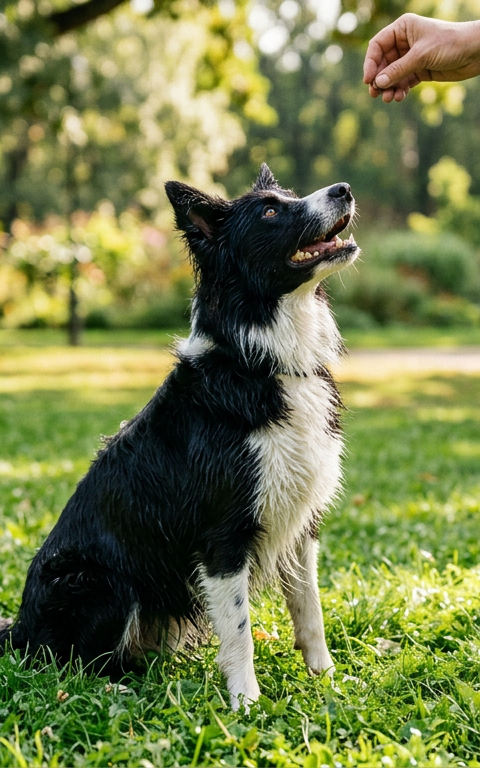
During a training session, few things are as puzzling as a dog that suddenly turns their head to the side. You might be working on a new command or practicing essential commands every dog should know, only to find your pup focusing on a distant wall or a blade of grass. When people ask what does looking away during dog training mean, they often worry it signifies a lack of intelligence or stubbornness.
In reality, looking away is a complex communication tool. It is rarely a sign of "disrespect" and is almost always a signal about your dog's internal state. Understanding these subtle cues can transform your relationship and make your training sessions far more productive and enjoyable for both of you.
The Concept of Calming Signals
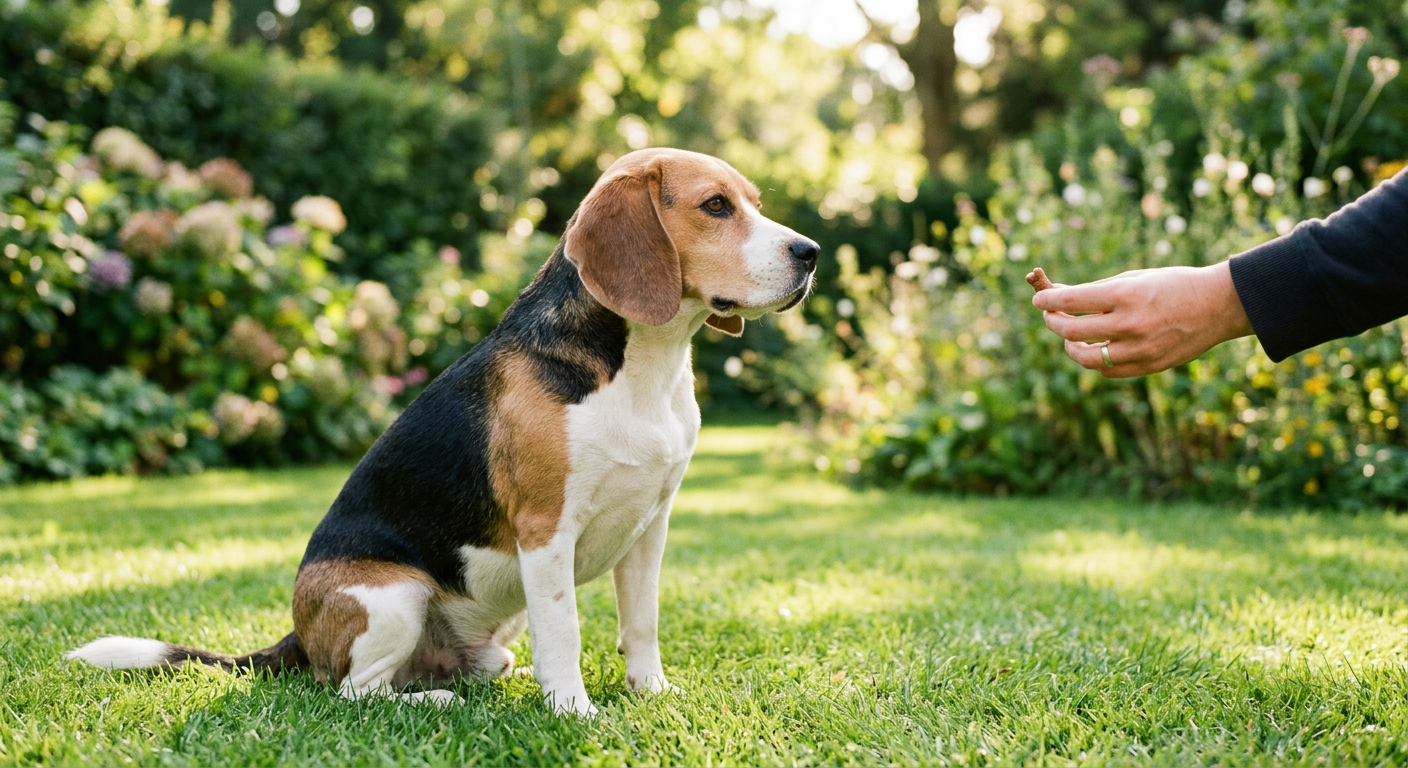
In the world of canine communication, looking away is a classic "calming signal." This term, popularized by trainer Turid Rugaas, refers to behaviors dogs use to de-escalate social tension or self-soothe when they feel overwhelmed. By averting their gaze, your dog is essentially saying, "I’m not a threat, and I need a moment to breathe."
These signals are often very brief. A quick flick of the eyes or a momentary turn of the head can tell you a lot. If you notice this happening frequently, it might be time to lower the pressure of the session or offer more encouragement to boost your dog's confidence.
Common Reasons for Averted Gazes
There are several distinct reasons why a dog might break eye contact during a lesson. Identifying which one applies to your situation is the first step in adjusting your approach. Whether you are training a young Labrador Retriever or an older rescue, the root causes remain similar.
Sensory Overload and Distraction
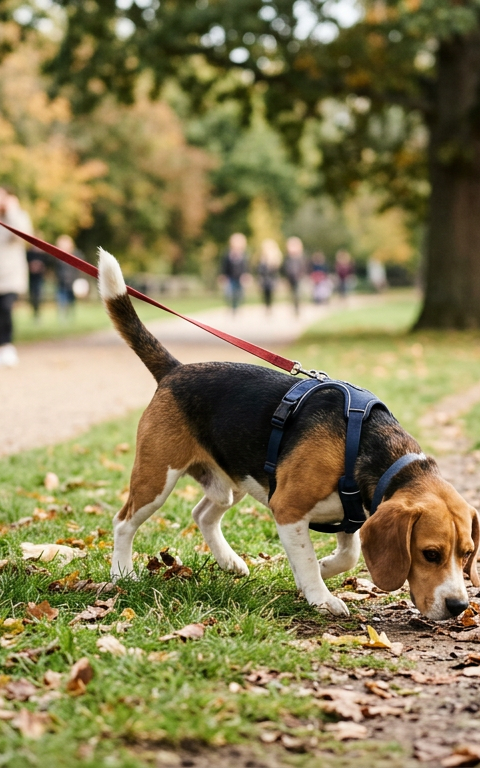
Dogs experience the world through highly sensitive ears and noses. What looks like a quiet room to you might be a cacophony of smells and sounds to them. When your dog looks away, they might genuinely be investigating a faint sound outside or a scent that drifted under the door.
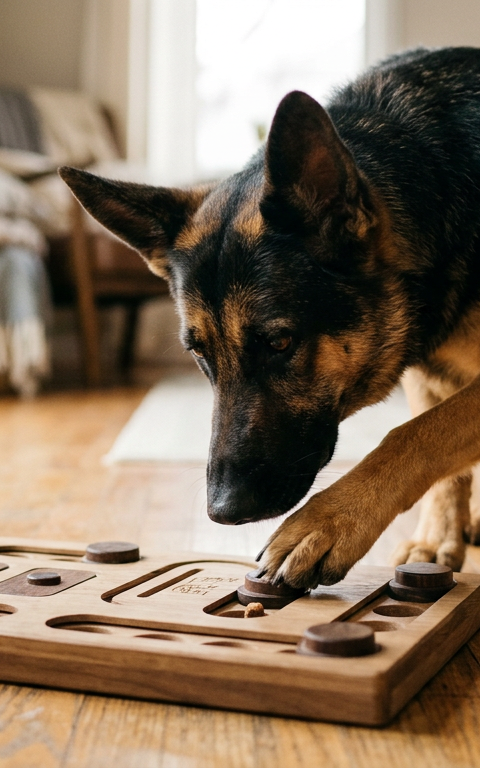
Distraction is a natural part of the learning process. If your dog is struggling to focus, you may need to revisit dog training fundamentals to ensure the environment is conducive to learning. Minimizing distractions early on helps build a solid foundation before moving to more complex environments.
Stress or Pressure
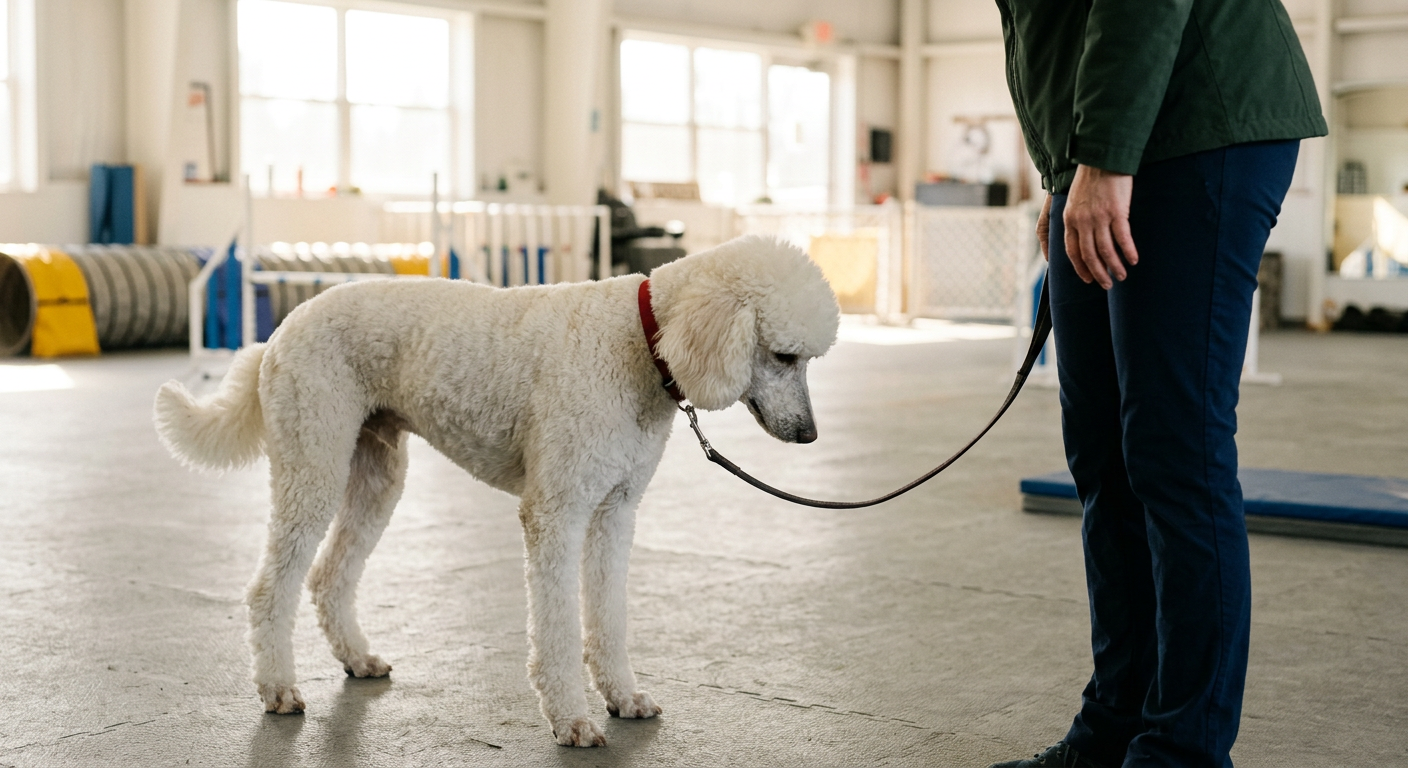
If you are being very firm, standing directly over your dog, or using a loud voice, your dog may feel intimidated. Looking away is their way of asking for space. It is a peaceful way to signal that they feel uncomfortable with the current level of intensity.
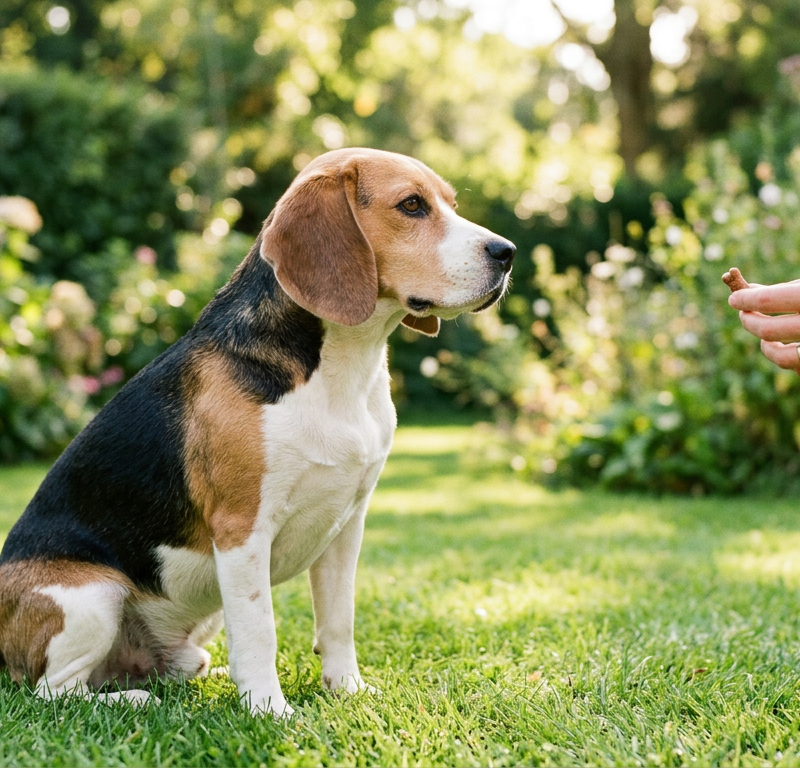
This is particularly common in sensitive breeds. For example, if you compare a Beagle and a Poodle, you might find that the Poodle reacts more quickly to social pressure by turning their head, whereas a Beagle might be more easily distracted by scents. Both behaviors involve looking away but stem from different internal motivations.
How to Respond When Your Dog Looks Away
When you encounter this behavior, your response determines how the rest of the session will go. Instead of getting frustrated, use it as data to improve your teaching method. Here are a few ways to handle an averted gaze:
- Take a break: Sometimes a 30-second "sniff break" is all a dog needs to reset their brain.
- Lower the criteria: If they are looking away because the task is too hard, go back to a simpler version of the command.
- Change your body language: Try kneeling down or turning slightly to the side to appear less imposing.
- Increase reward frequency: Use higher-value treats or more frequent praise to keep them engaged.
Evaluating Training Duration
How long have you been practicing? A dog's attention span is shorter than a human's. If you have been working for 15 minutes straight, looking away is a clear sign of mental fatigue. Short, successful bursts of 2-5 minutes are generally much more effective than long, grueling sessions.
Building Confidence Through Positive Reinforcement
A dog who feels confident is much less likely to use avoidance behaviors. By focusing on positive reinforcement, you create a "safe space" where the dog isn't afraid to make a mistake. When they know that trying leads to rewards rather than correction, they are more likely to stay engaged and maintain eye contact.
If you are dealing with a fearful dog, this process takes time. You might need to look into socialization tips for puppies and adult dogs to help them feel more comfortable in different environments. A confident dog is a focused dog.
The Role of Eye Contact in Training
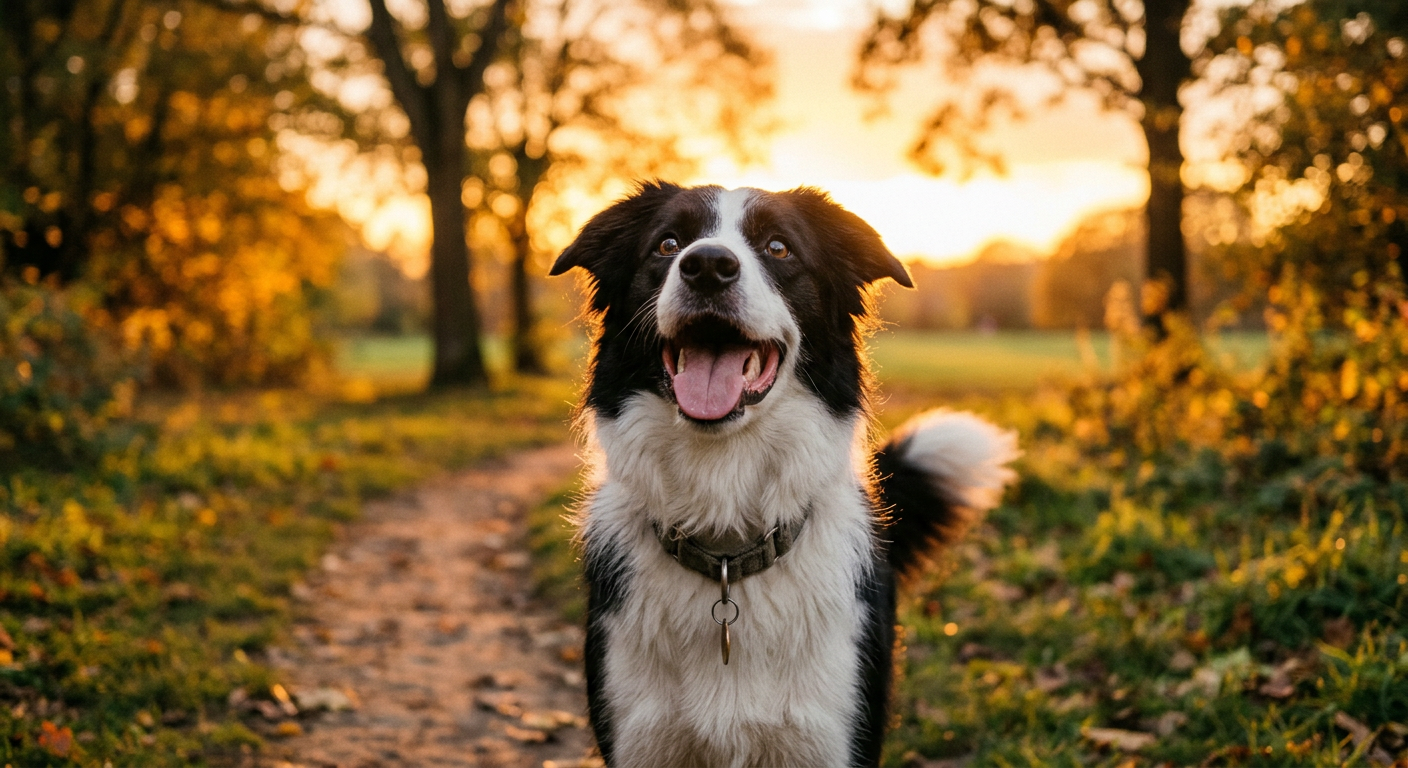
While looking away can be a sign of stress, natural eye contact is a powerful bonding tool. You can actually train "focus" as a specific command. Rewarding your dog simply for looking at you helps them understand that paying attention is a highly profitable behavior. Over time, this reduces the frequency of them seeking "escapes" by looking elsewhere.
Conclusion
Ultimately, knowing what does looking away during dog training mean allows you to become a better advocate for your pet. It isn't a sign of failure, but rather a request for a change in pace or environment. By respecting these subtle signals, you build a foundation of trust that makes all future learning much easier.
Every dog is an individual, and their communication style will vary. Pay attention to the "why" behind the behavior, stay patient, and remember that training is a conversation, not a lecture. If you are ever concerned that your dog's lack of focus is due to a physical issue, always consult with your veterinarian to rule out underlying wellness considerations.