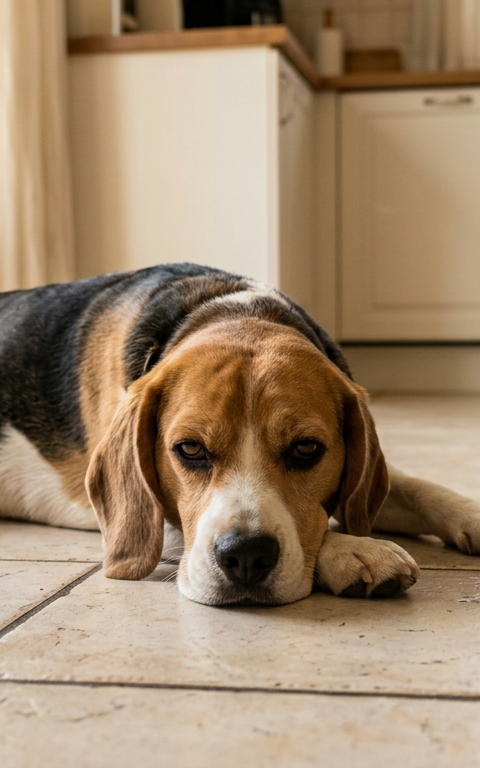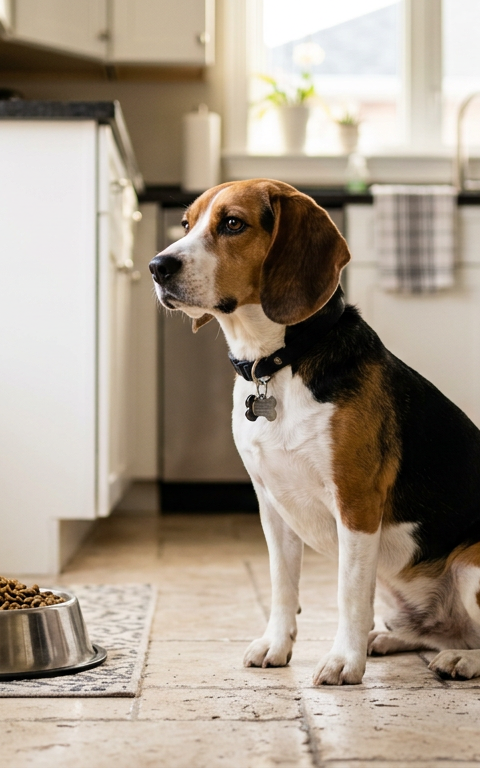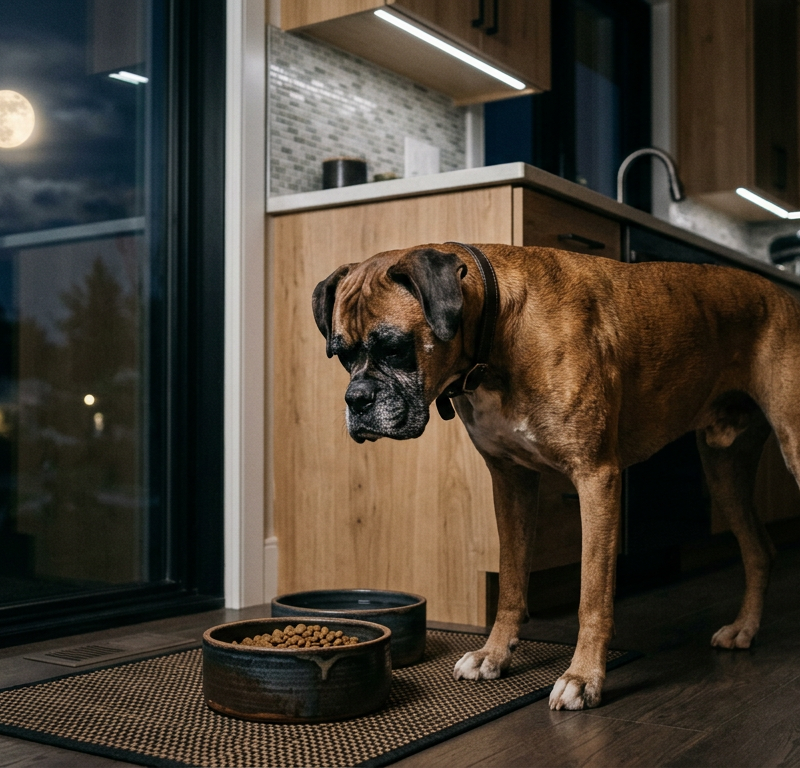
It can be quite puzzling when you fill your dog's bowl in the morning only to find it untouched until the sun goes down. Many pet parents find themselves asking, why does my dog only eat at night, especially when their canine companion seems perfectly healthy otherwise. This behavior, while sometimes stressful for owners, often has logical roots in a dog's environment, biology, or daily routine.
Understanding these nocturnal dining habits requires looking at the world through your dog's eyes. In this guide, we will explore the common reasons behind late-night snacking and how you can ensure your furry friend is getting the nutrition they need at the right times.
The Role of Environmental Distractions
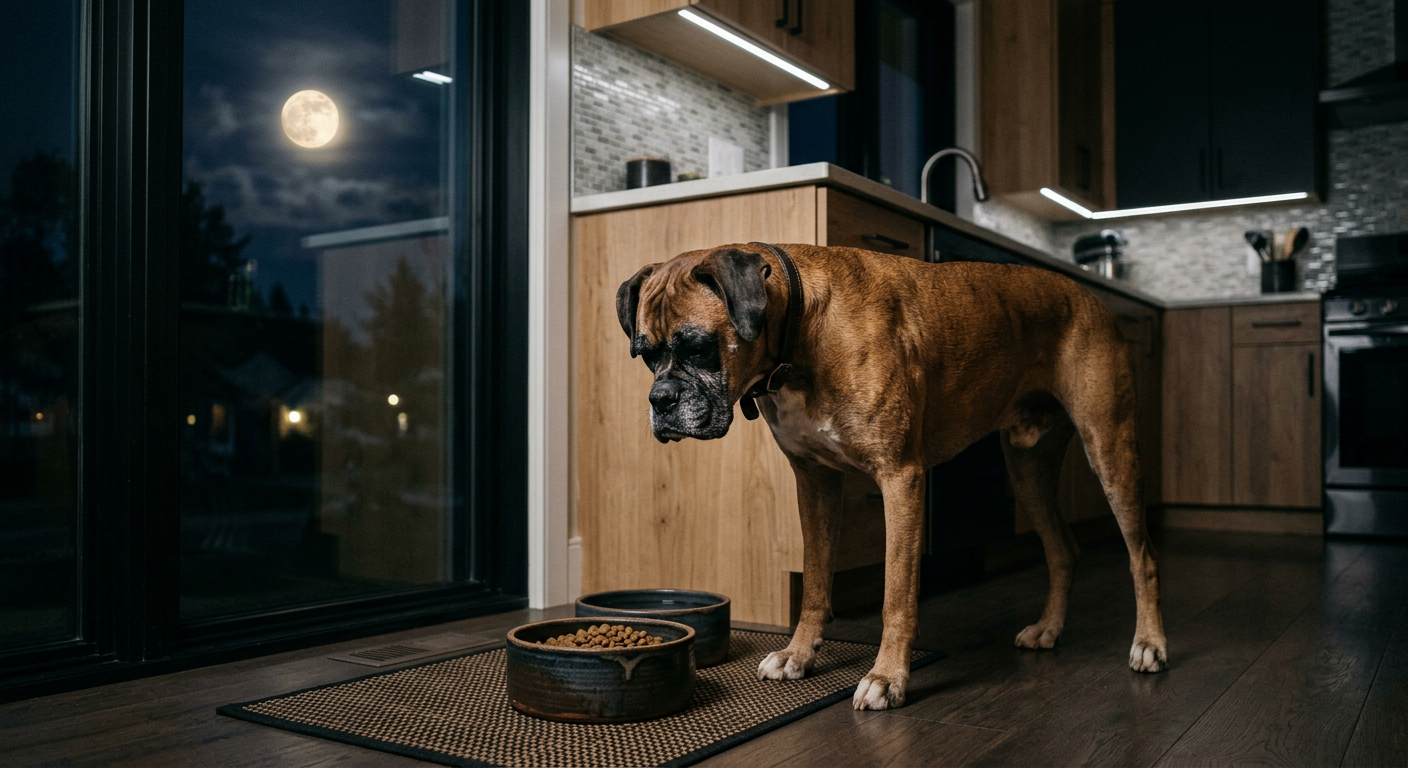
One of the most frequent reasons a dog avoids their food bowl during the day is the high level of activity in the household. During daylight hours, your home is likely filled with the sounds of televisions, children playing, or people moving between rooms. For a sensitive or easily distracted dog, these stimuli can make it difficult to focus on a meal.
When the house finally quiets down in the evening, your dog may feel it is finally safe and peaceful enough to eat. This is particularly common in multi-pet households where there might be subtle competition for resources. If you have a younger or more energetic dog, you might want to check out our guide on decoding digestive behavior to see how social dynamics affect eating.
Safety and Security
Some dogs possess a strong instinctual need for "peace and quiet" while they are in a vulnerable state, such as eating. If your dog feels they need to keep an eye on the front door or the kids during the day, they may postpone their meal until everyone is settled. Nighttime provides a predictable environment where they can lower their guard.
Separation Anxiety and Social Eaters
Many dogs are "social eaters," meaning they prefer to eat when their favorite humans are nearby. If you work away from home during the day, your dog might spend those hours resting or waiting for your return. They may not feel the "spark" of appetite until you are back in the house, signaling that the pack is reunited and safe.
Conversely, dogs with mild separation anxiety might experience a suppressed appetite while you are gone. Once you return and the evening routine begins, their stress levels drop, and their hunger cues finally kick in. This shift in mood often explains why a bowl stays full all afternoon but is emptied minutes after you sit down for dinner.
Biological Rhythms and Instinctual Behavior
While we think of dogs as diurnal (active during the day), their ancestors were crepuscular, meaning they were most active during dawn and dusk. This ancestral trait can sometimes manifest as a preference for eating when the light is low. If your dog only eats after dark, they may simply be following an internal biological clock that favors evening nourishment.
Additionally, the temperature can play a significant role. In warmer months, dogs may find the heat of the day draining. Digestion actually generates internal body heat (thermogenesis), so a dog might instinctively wait until the air is cooler at night to avoid overheating while processing their meal.
The Impact of Your Daily Routine
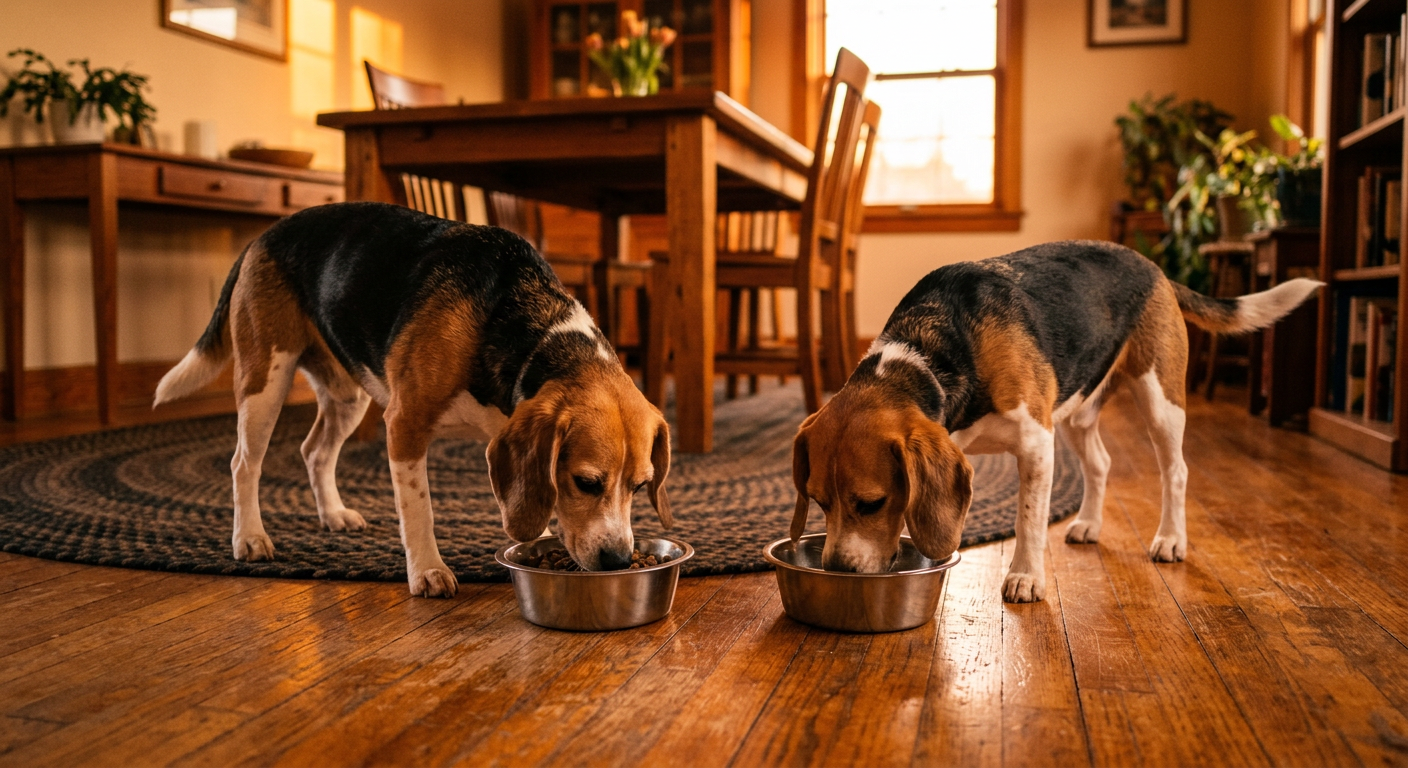
Sometimes, we inadvertently train our dogs to wait for the evening. If you provide a high-value treat or a small portion of your own dinner late in the day, your dog may be "holding out" for the better stuff. They learn that the boring kibble in the morning isn't nearly as exciting as the evening festivities.
Consistency is key in canine nutrition. If you find your dog is ignoring their food until 10 PM, consider these routine-based factors:
- The timing of your daily walks and exercise.
- How many treats are given throughout the afternoon.
- Whether the dog's bowl is located in a high-traffic area.
- The specific time you sit down for your own meals.
Comparing Breed Needs
Different breeds have different energy requirements and metabolic rates. For example, a high-energy Border Collie might have a different appetite schedule than a more sedentary breed. If you are curious how your dog's size affects their life stages, you can explore the Great Dane age calculator for insights into larger breeds.
When Late Night Eating Is a Wellness Consideration
While eating at night is often just a quirk, it can sometimes be linked to digestive comfort. Some dogs experience "bilious vomiting syndrome" if their stomach remains empty for too long, leading them to vomit yellow bile in the morning. These dogs might instinctively eat late at night to keep their stomach settled through the early hours.
If your dog seems uncomfortable or is swallowing repeatedly and licking their lips, it could indicate acid reflux. In these cases, a late-night snack might actually be helpful, but it is always best to consult your veterinarian to rule out underlying gastrointestinal issues.
Tips to Adjust Your Dog's Eating Schedule
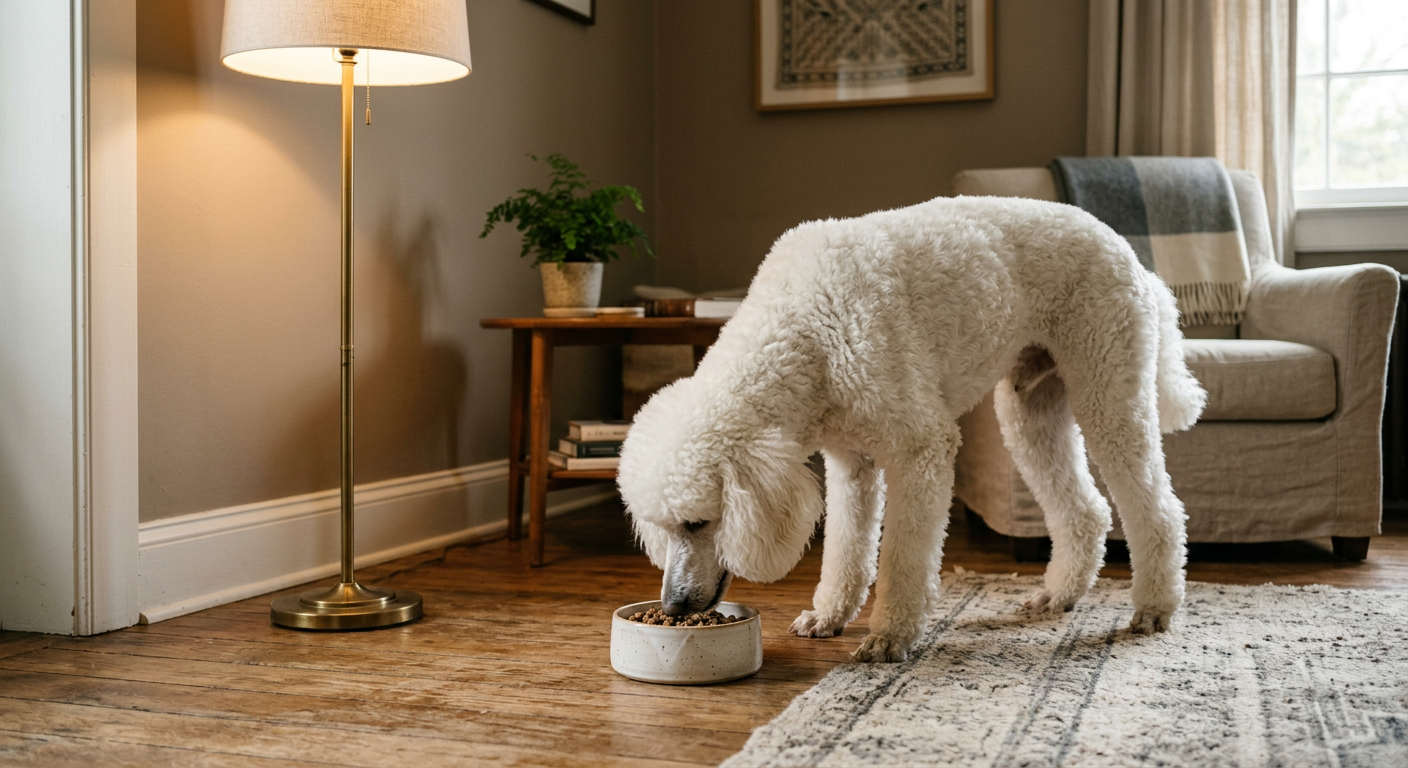
If you prefer your dog to eat during the day—perhaps to better manage their bathroom schedule—there are gentle ways to encourage a shift. Start by establishing a "timed feeding" window. Instead of leaving the bowl out all day (free-feeding), put the food down for 20 minutes and pick it up if it isn't touched.
You can also try:
- Moving the food bowl to a quiet, carpeted area where they feel secure.
- Using an interactive puzzle toy to make daytime eating more engaging.
- Adding a tiny amount of warm water or a topper to the morning meal to increase its appeal.
- Increasing morning exercise to jumpstart their metabolism.
Conclusion
At the end of the day, asking why does my dog only eat at night usually reveals more about their personality and environment than any serious health issue. Whether they are seeking a quiet moment away from the household hustle or simply waiting for their favorite human to get home, most dogs are just finding a rhythm that makes them feel safe and comfortable.
As long as your dog is maintaining a healthy weight and showing plenty of energy, their midnight snacking is likely just a personal preference. However, if you notice sudden changes in appetite, or if your dog is drinking lots of water but not eating, please schedule a visit with your veterinarian to ensure they are feeling their best.