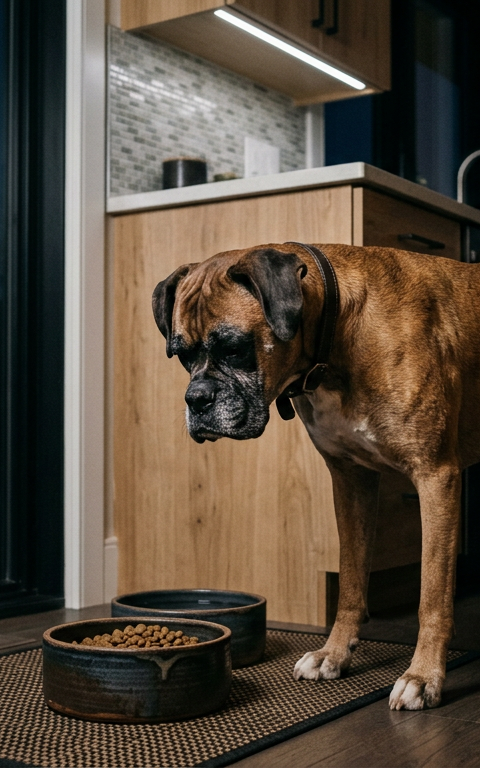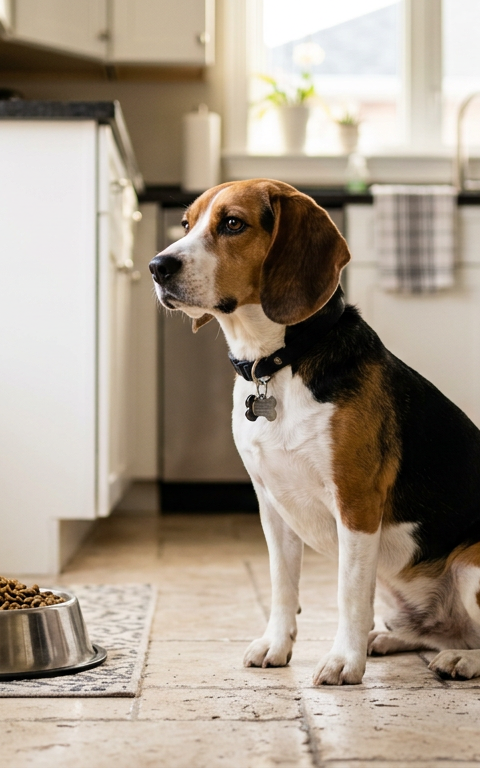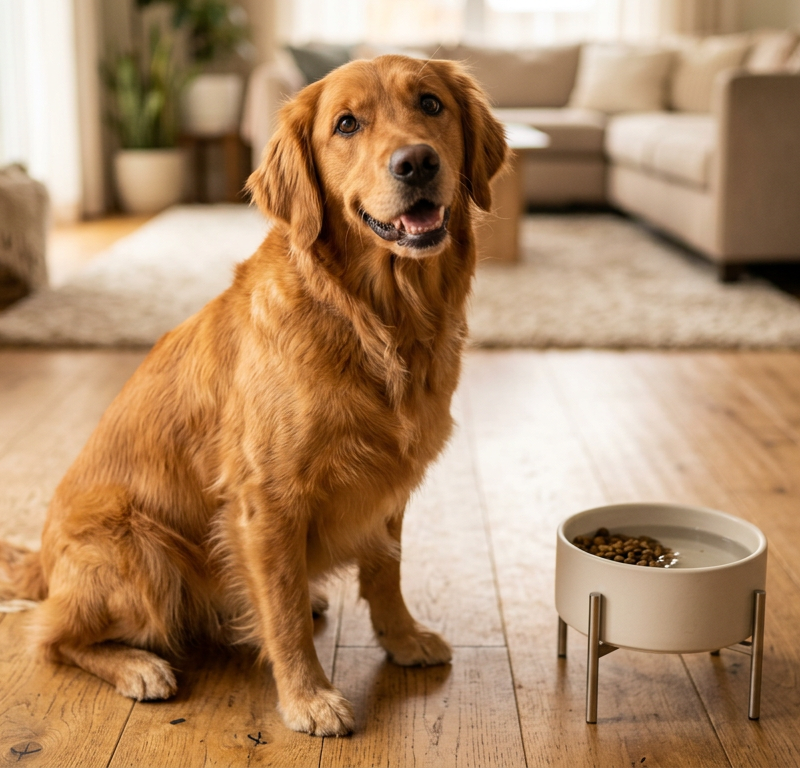
Understanding your pet starts with their appetite and how they process nutrition. Decoding eating habits and digestive behavior in dogs allows pet parents to identify wellness patterns and ensure their furry friends are thriving. Every mealtime ritual and digestive pause tells a story about your dog's physical health and emotional state.
When we look at the way dogs interact with food, we aren't just looking at calories consumed. We are observing thousands of years of evolutionary instinct blended with modern domestic living. By paying close attention to these cues, you can become a more proactive guardian for your dog's long-term vitality.
The Evolution of Canine Eating Habits
To begin decoding eating habits and digestive behavior in dogs, we must look at their ancestors. In the wild, canines are opportunistic feeders, meaning they eat when food is available. This explains why your Labrador might act as though they haven't eaten in days, even right after dinner.
Modern dogs still carry the "thrive or starve" survival mechanism. This can manifest as eating too quickly or guarding their food bowl. Recognizing these behaviors as natural instincts rather than misbehavior is the first step toward creating a peaceful feeding environment.
The Scavenger Instinct
Dogs are natural scavengers. This drive often leads them to explore "forbidden" snacks in the yard or during walks. While this behavior is rooted in survival, it requires careful monitoring in a domestic setting to prevent the ingestion of unsafe materials.
Curiosity is a sign of a healthy mind, but we must balance it with safety. Training a reliable "leave it" command is an essential tool for managing a dog with a high scavenging drive. It keeps their digestive journey safe from common outdoor hazards.
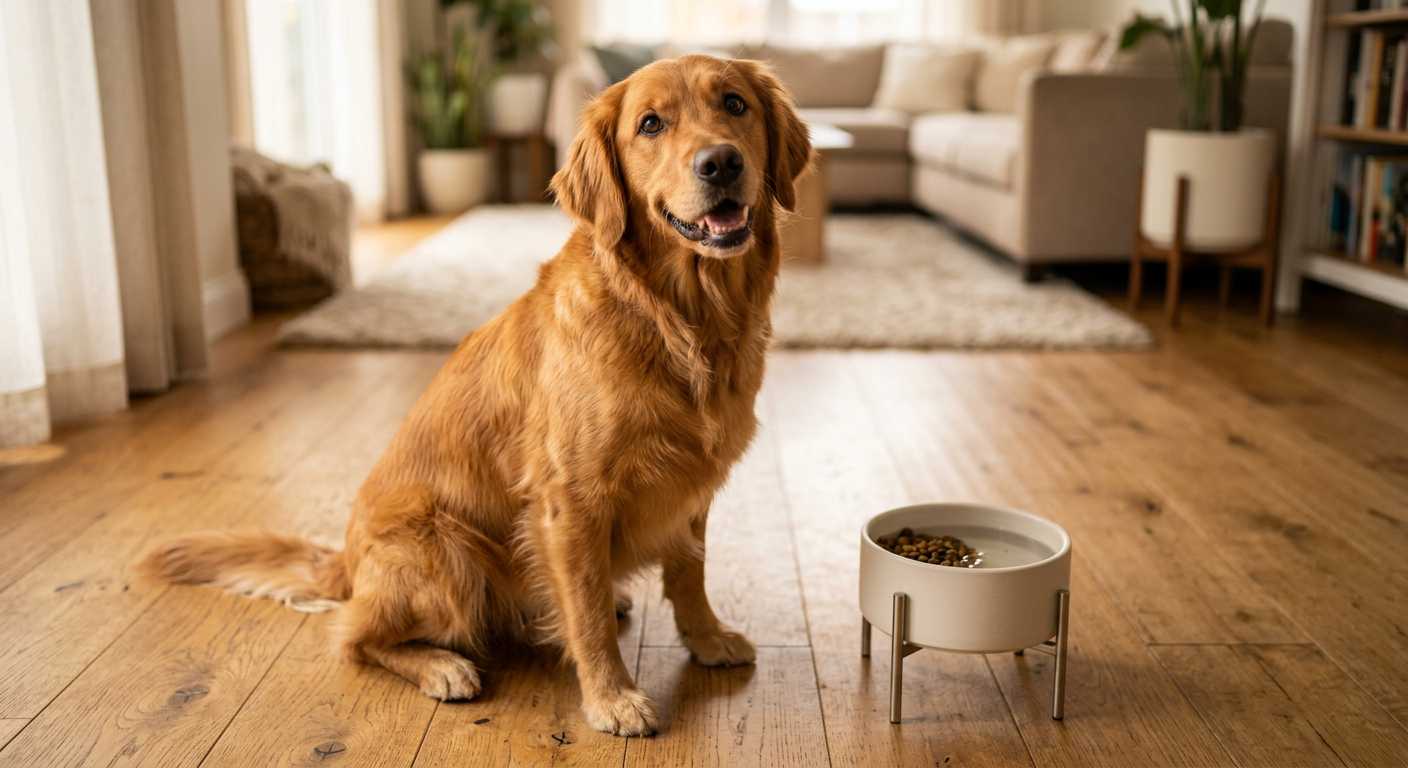
Decoding Common Mealtime Behaviors
Does your dog carry their food to another room? Do they nudge their bowl across the floor? Decoding eating habits and digestive behavior in dogs involves looking at these small unique quirks. Often, these actions are tied to comfort and security.
For example, taking a mouthful of kibble to a rug might be a way for a dog to feel safer while they eat. In a multi-pet household, this can be a physical manifestation of a dog wanting to protect their resources. Providing a quiet, dedicated space for each pet often resolves these subtle anxieties.
The Fast Eater versus the Grazer
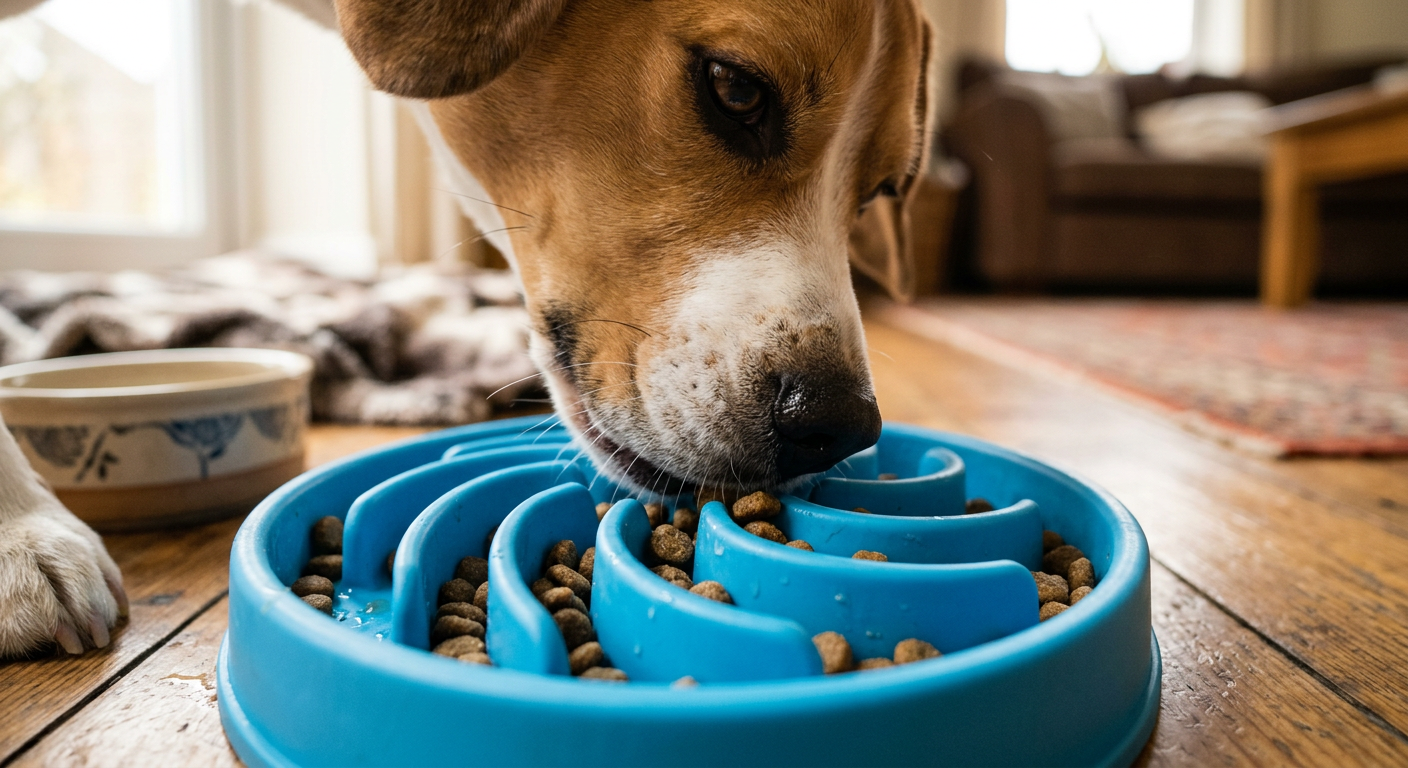
Dogs generally fall into two categories: the enthusiastic "inhalation" eater and the slow, methodical grazer. Rapid eating can lead to physical discomfort or gas. Slow feeders or puzzle bowls are excellent tools to help moderate this pace.
Grazers, on the other hand, might eat a few bites and walk away. This is often common in breeds like the Yorkshire Terrier. As long as they maintain a healthy weight and consistent energy, grazing is simply a personal preference in meal management.
Picky Eating and Appetite Fluctuations
A sudden change in appetite is one of the clearest signals a dog sends regarding their wellness. If a normally enthusiastic eater refuses a meal, it is time to check in with a veterinarian. Gradual pickiness can sometimes be a sign of dental discomfort or a preference for specific textures.
The Science of Digestion and Post-Meal Behavior
The process of decoding eating habits and digestive behavior in dogs continues long after the bowl is empty. The way a dog rests and processes their food is vital to their metabolic health. After eating, many dogs experience a "post-meal zoomie" or a period of relaxed contentment.
Rest is a critical component of healthy digestion. Encouraging a "quiet time" for 30 to 60 minutes after significant meals helps prevent digestive upset. This is particularly important for larger breeds who may be prone to more sensitive stomach transitions.
Identifying Healthy Digestive Cycles
A healthy digestive cycle is usually predictable. Most adult dogs will need a bathroom break roughly 15 to 30 minutes after eating. Monitoring the frequency and consistency of these breaks helps you establish a baseline for what is normal for your specific dog.
If you notice significant deviations from this baseline, such as increased straining or a change in frequency, it provides valuable data for your vet. Recording these observations can help professional care providers pinpoint nutritional needs or sensitivities early on.
Nutritional Needs by Breed and Size
Different dogs have vastly different metabolic requirements. Decoding eating habits and digestive behavior in dogs requires an understanding of breed-specific needs. A high-energy working dog has different digestive demands than a small companion breed.
For instance, comparing the caloric needs of a German Shepherd vs Bulldog reveals how body structure and activity level influence digestion. The Shepherd may require more frequent, protein-rich meals to fuel their movement, while the Bulldog needs careful portion control to maintain joint health.
Small Breed Digestion
Smaller breeds often have faster metabolisms but smaller stomach capacities. They may benefit from three smaller meals a day rather than two large ones. This helps maintain steady blood sugar levels and prevents the "hunger pukes" that can occur when the stomach stays empty for too long.
Large Breed Digestion
Large and giant breeds, like the Great Dane, have unique digestive considerations due to their deep chests. Using elevated bowls or specialized feeding schedules can assist in making their digestive process more comfortable and efficient. Proactive management is key for these gentle giants.
Identifying and Managing Dietary Sensitivities
Not every food is a match for every dog. Decoding eating habits and digestive behavior in dogs includes keeping a close eye on how ingredients affect their skin, coat, and energy levels. Food sensitivities often manifest as itchy paws, dull coats, or occasional digestive irregularities.
Common sensitivities might involve specific protein sources or grain types. If you suspect a sensitivity, working with a veterinarian to perform an elimination diet is the most reliable way to find the culprit. Finding the right "fuel" can transform a dog's daily comfort and temperament.
Proactive Tips for Digestive Wellness
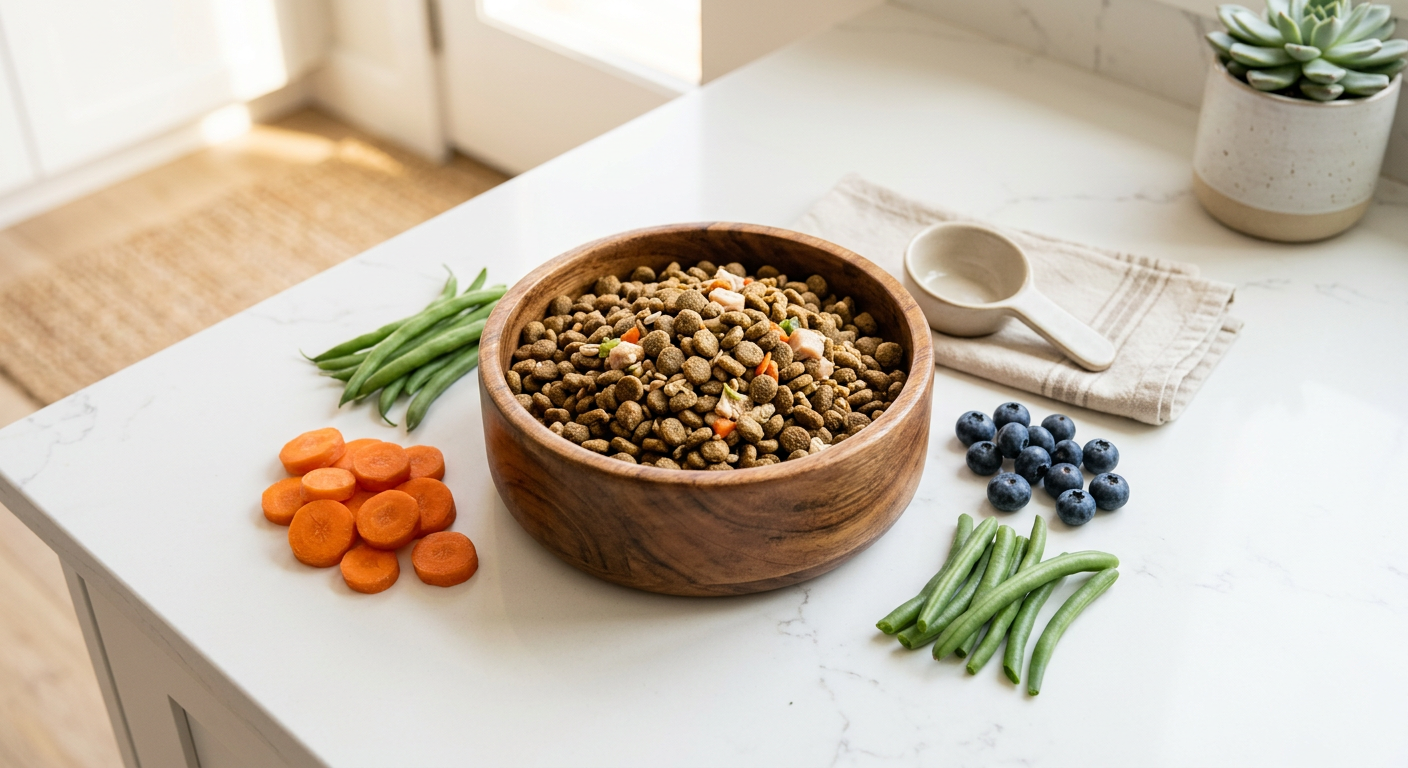
To support your dog's journey in decoding eating habits and digestive behavior in dogs, consistency is your best tool. Feeding at the same time every day helps regulate the internal clock and makes digestive cycles more predictable and manageable.
- Choose high-quality ingredients with clear protein sources.
- Maintain a consistent feeding schedule to regulate the digestive system.
- Provide fresh, clean water at all times to aid in nutrient absorption.
- Monitor treats and "human food" intake to avoid caloric imbalance.
- Keep a log of any changes in stool consistency or frequency.
In addition to routine, enrichment can improve the eating experience. Snuffle mats and licking pads provide mental stimulation during mealtime. This turns a simple task into a rewarding brain game, which can reduce anxiety-related eating behaviors and foster a positive relationship with food.
Conclusion
By investing time in decoding eating habits and digestive behavior in dogs, you are building a foundation of wellness. Understanding the "why" behind their mealtime antics and the "how" of their internal processes allows you to provide the best possible care for your companion.
Always remember that every dog is an individual. What works for a neighbor's dog might not be the perfect fit for yours. Stay observant, stay consistent, and always consult with your veterinarian to tailor a nutrition plan that helps your dog live their happiest, healthiest life.