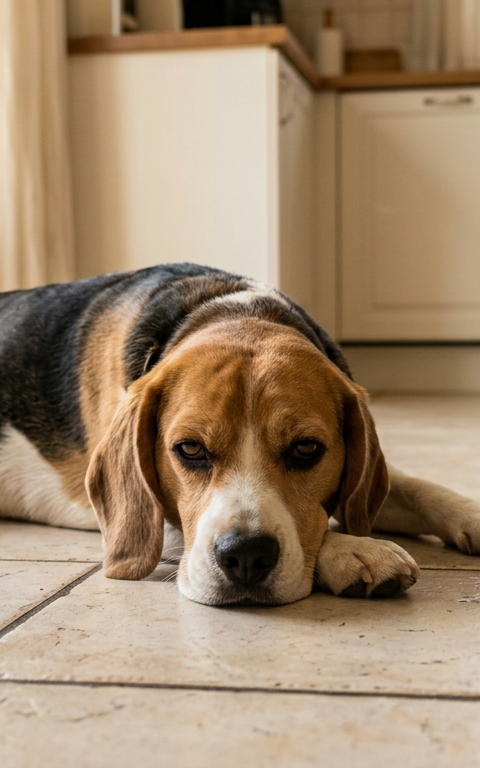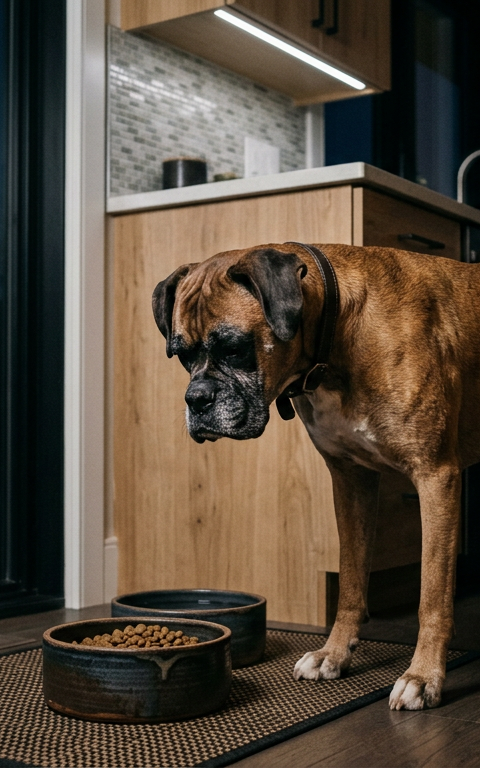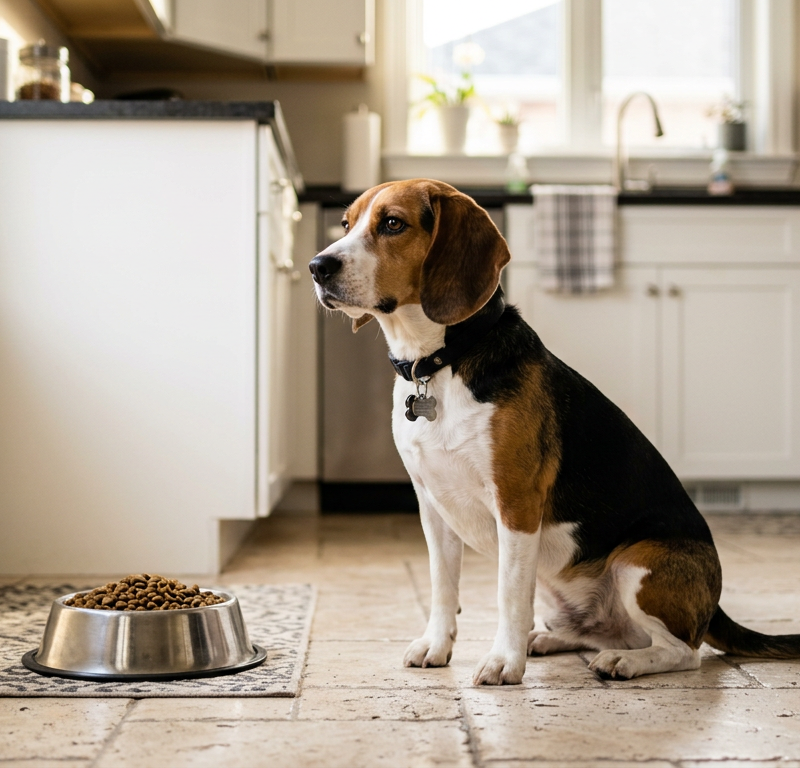
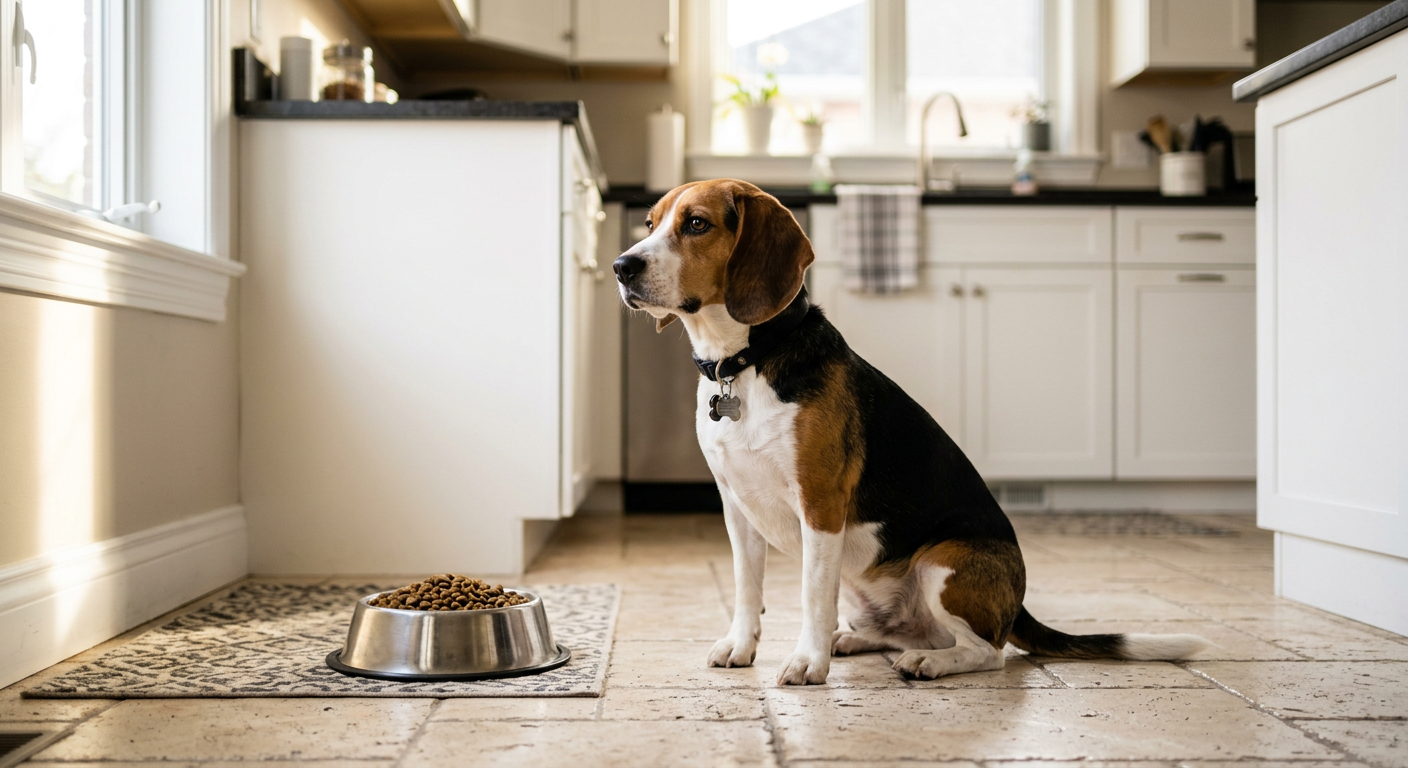
It can be a bit puzzling when you set down a bowl of kibble only to find your furry friend turning their nose up at it. Seeing a dog refusing food but acting normal otherwise is a common scenario that many pet owners face at some point. While we often associate a loss of appetite with feeling unwell, many dogs maintain their usual energy levels, playfulness, and tail wags even when they skip a meal.
Understanding why your dog has decided to go on a temporary "hunger strike" requires a bit of detective work. Because they are behaving normally in every other way, it suggests that the issue might be behavioral, environmental, or related to a minor physical preference rather than a major health concern. However, staying observant is key to ensuring their long-term wellness.
In this guide, we will explore the various reasons for this selective appetite and how you can encourage your pet to get back to their regular eating schedule. Whether you have a spirited French Bulldog or a stoic German Shepherd, these tips will help you decode their dining habits.
Common Reasons for a Sudden Lack of Interest in Food
One of the most frequent reasons a dog might skip a meal is simply that they aren't hungry. Just like humans, a dog's caloric needs can fluctuate based on their activity level for the day. If they spent the afternoon napping instead of running at the park, they might not feel the need to refuel immediately.
Another factor to consider is "treat fatigue" or over-snacking. If family members have been generous with table scraps or training treats throughout the day, your dog may have already met their daily caloric quota. This often leads to a dog refusing food but acting normal otherwise because they are physically full but still feeling great.
Environmental and Routine Changes
Dogs are creatures of habit. A change in their environment—such as a new house, a new pet, or even a change in the location of their food bowl—can cause temporary stress. This stress doesn't always manifest as lethargy; sometimes, it just results in a distracted dog who is too busy observing their new surroundings to eat.
Weather also plays a surprising role in canine appetite. During hot summer months, many dogs naturally eat less to keep their body temperature stable. Digestion generates internal heat, so a dog might instinctively wait until the cooler evening hours to consume their main meal.
Evaluating Food Quality and Preference
Sometimes the problem isn't the dog, but the food itself. Even if the bag is brand new, it is possible for kibble to go rancid or for a batch to have a slightly different scent that your dog finds unappealing. Dogs have an incredible sense of smell, and they can detect spoilage long before we can.
If you have recently switched brands or even changed from one protein source to another (like moving from chicken to lamb), your dog might be expressing a preference. Some dogs are naturally more "picky" and require a slower transition between different types of food to accept the change.
The "Boredom" Factor
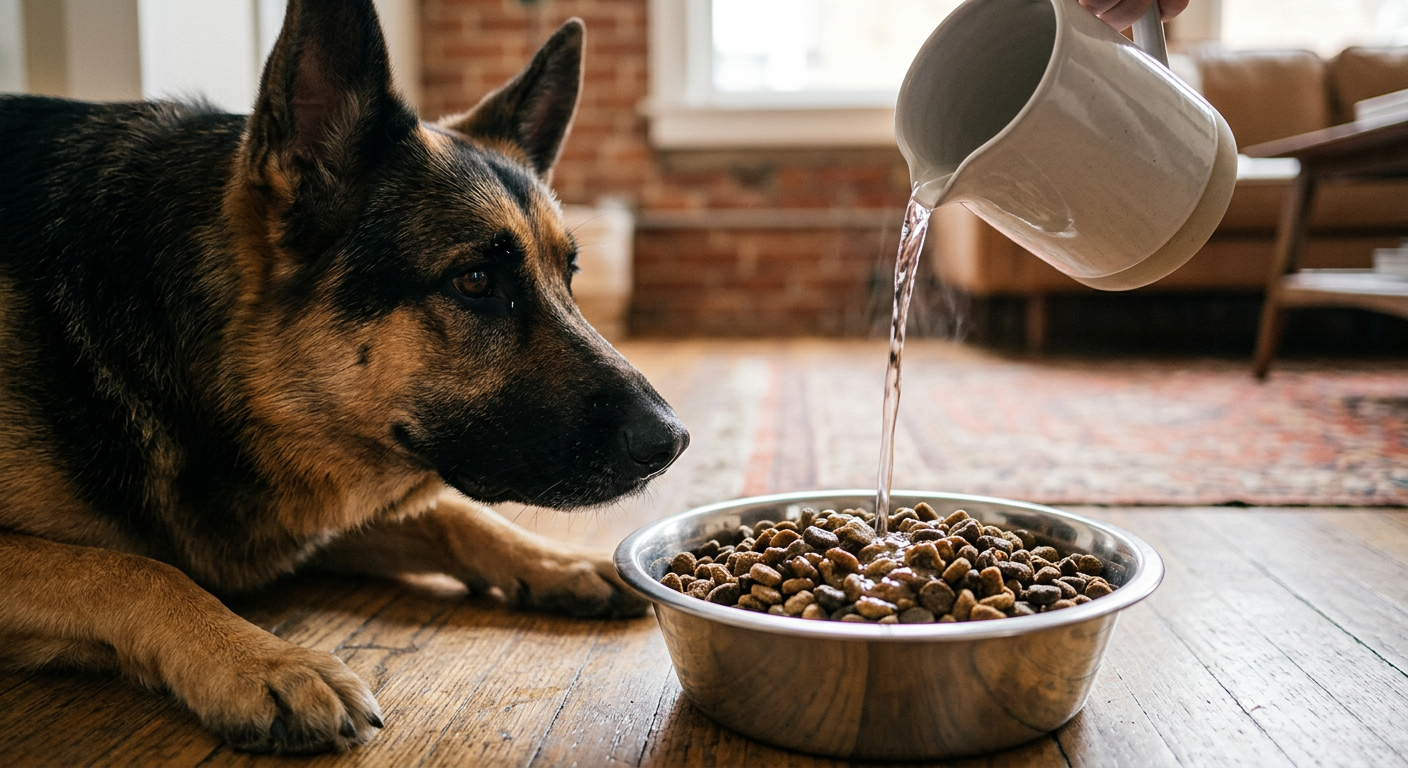
While some experts debate whether dogs truly get bored with their food, many owners find that adding a "topper" or a bit of warm water can reignite interest. If your dog is acting normal, playing, and drinking water but ignoring dry kibble, they might just be holding out for something more exciting. This behavior is especially common in breeds known for their intelligence and personality, such as the Border Collie.
Behavioral Causes and Picky Eating
Behavioral reasons are often at the heart of a healthy dog refusing to eat. One common issue is "socially motivated" eating. Some dogs prefer to eat only when their owners are present, while others might feel intimidated if another pet is watching them. If there has been a recent conflict between pets, your dog might feel unsafe approaching the bowl.
You might also be inadvertently training your dog to be picky. If you offer a delicious alternative (like canned food or chicken) every time they refuse their kibble, they quickly learn that holding out results in a better reward. This creates a cycle where the dog refuses food but acting normal otherwise simply because they are waiting for the "good stuff."
- Check if someone else in the house is sneaking them extra snacks.
- Ensure the feeding area is quiet and free from foot traffic.
- Keep feeding times consistent to regulate their internal clock.
- Avoid hovering over the dog while they eat, as this can cause pressure.
When to Consult a Veterinarian
While a dog acting normal but not eating isn't always an emergency, it is important to know when to seek professional advice. A general rule of thumb is the "24-hour rule." If a healthy adult dog skips meals for more than 24 hours, or if a puppy skips more than one meal, a call to the vet is warranted.
Even if they seem fine, there could be subtle issues like dental discomfort. A cracked tooth or gum sensitivity might make crunching on hard kibble painful, even if the dog is still happy to play with soft toys. A veterinarian can perform a thorough exam to rule out these hidden physical factors.
If you notice other symptoms developing, such as those described in our guide on a dog swallowing repeatedly and licking lips, it may indicate nausea or acid reflux. In these cases, the lack of appetite is a symptom of a digestive upset that needs addressing.
Proactive Tips to Encourage Healthy Eating
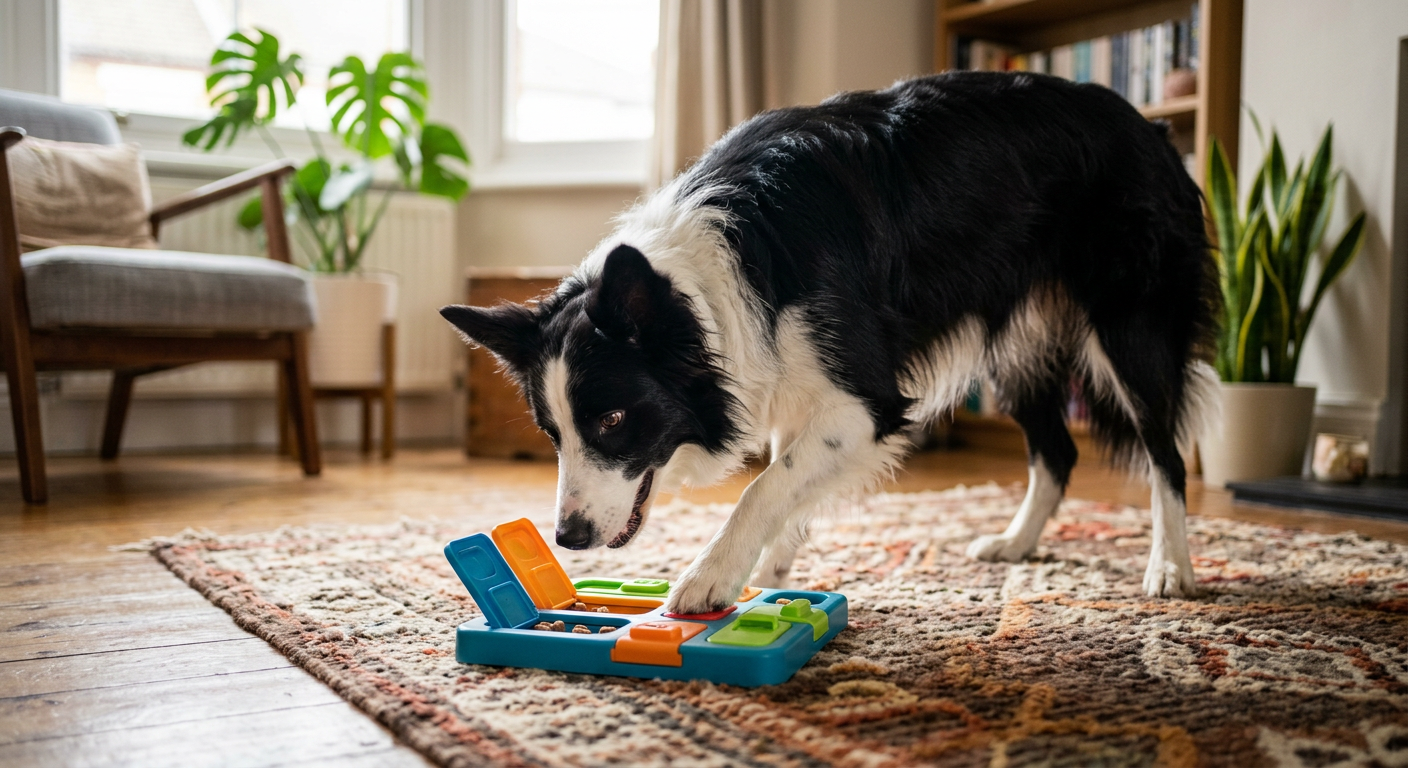
To help your dog regain their appetite, try making mealtime more engaging. Using puzzle feeders or snuffle mats can turn eating into a game, which appeals to a dog's natural foraging instincts. This is often more stimulating than eating from a stationary bowl and can entice a distracted dog to focus on their food.
You can also try the "15-minute rule." Place the food down for 15 minutes. If they don't eat it, pick it up and don't offer food again until the next scheduled mealtime. This teaches the dog that food is available for a limited time, which can help eliminate grazing habits and "picky" behaviors over time.
Summary of Wellness Considerations
- Rule out dental pain or mouth injuries.
- Reduce treats and table scraps for a few days.
- Ensure the food is fresh and stored in a cool, dry place.
- Maintain a calm, consistent environment during mealtime.
Seeing a dog refusing food but acting normal otherwise can be stressful for a dedicated pet parent, but in many cases, it is a temporary phase. By staying calm and observing their behavior closely, you can usually identify the cause. Remember that every dog is unique, and what works for a Beagle vs Poodle might differ based on their specific personality and energy levels. When in doubt, your veterinarian is always the best resource for ensuring your dog's health and happiness.