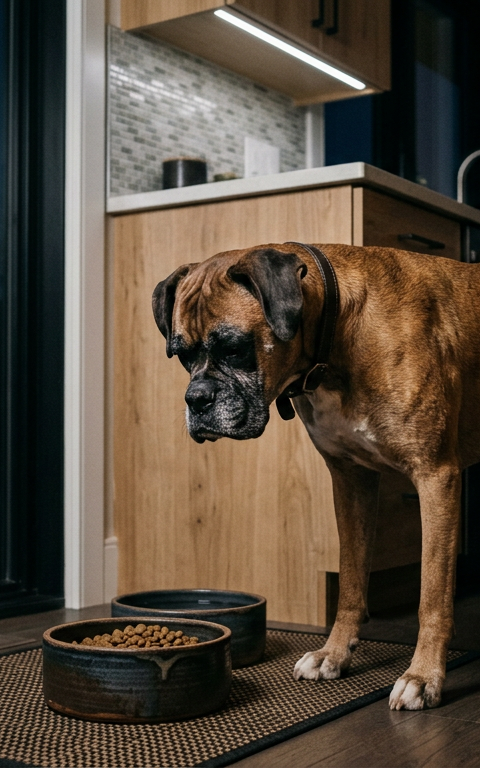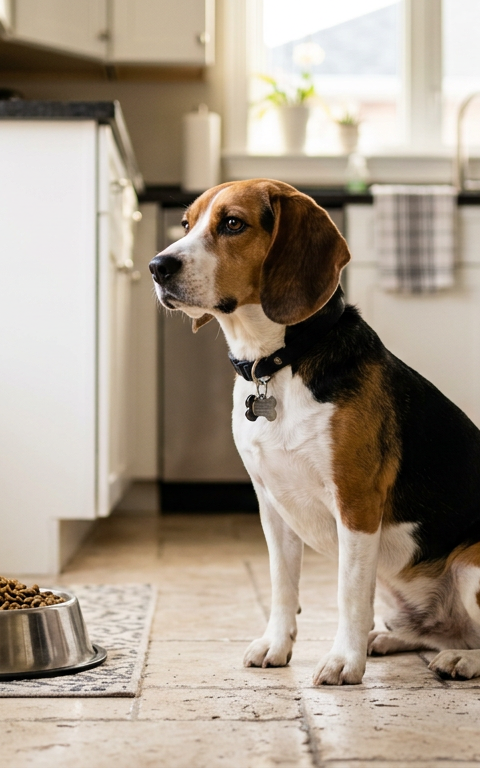
As the temperatures rise and the days get longer, you might notice your furry friend lingering a bit longer in the shade and showing less interest in their kibble. It is a common concern for pet owners to wonder if a dog eating less in summer normal or not, especially when their high-energy companion suddenly seems indifferent to mealtime. Just as humans often crave lighter salads over heavy stews when it is hot, dogs experience physiological changes that affect their appetite during the warmer months.
Understanding the balance between a seasonal shift in behavior and a potential health concern is key to proactive pet care. While a slight decrease in food intake is often a natural response to the heat, staying observant helps you ensure your dog remains healthy and hydrated. By looking at their activity levels and environment, you can better decode their seasonal needs.
If you are curious how your dog's age might be influencing their metabolism during these changes, you can check their developmental stage using our Golden Retriever age calculator or similar tools for your specific breed. Let’s explore why the summer heat impacts your dog's bowl habits.
Why Dogs Often Eat Less During Summer
The primary reason dogs may back away from their food bowl during a heatwave is thermoregulation. Digestion is a process that generates internal body heat, known as the thermic effect of food. When the external environment is already warm, a dog's body instinctively tries to avoid generating extra heat, leading to a natural reduction in appetite.
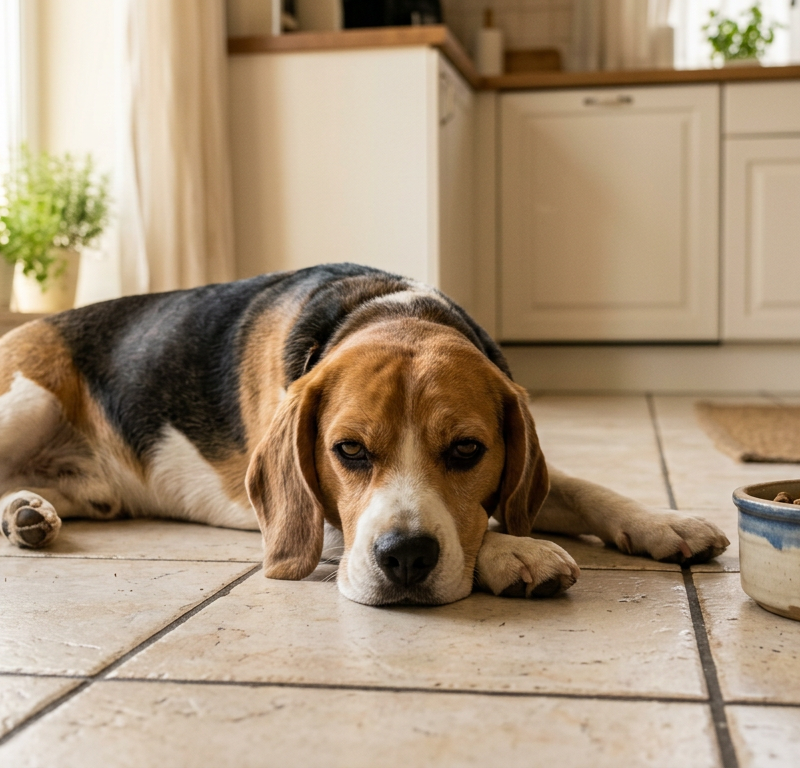
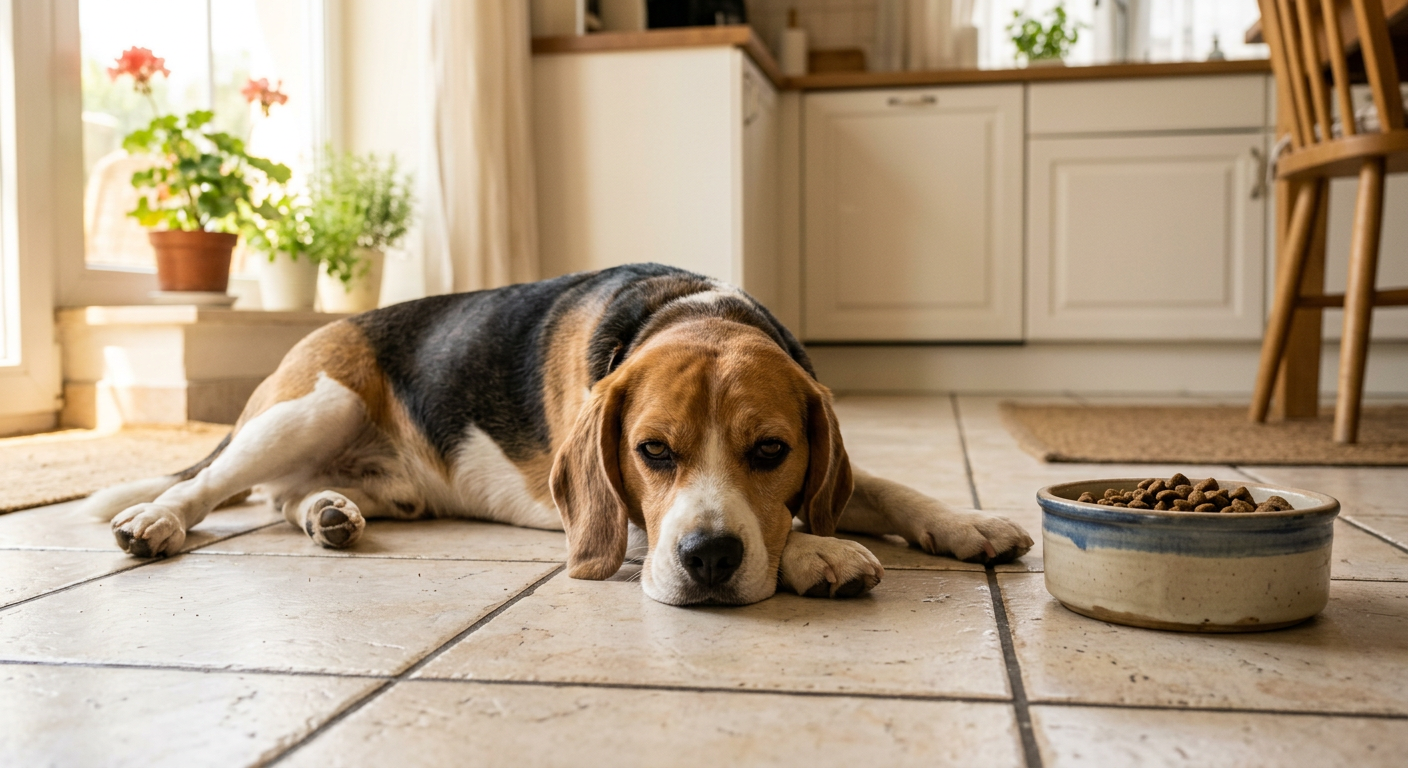
Additionally, dogs are typically less active when it is hot outside. Instead of chasing balls or going for long afternoon hikes, they might spend the day napping on a cool tile floor. Lower activity levels mean they are burning fewer calories, so their bodies simply do not signal for as much fuel as they do in the crisp autumn or winter months.
The Role of Mammalian Metabolism
Research suggests that many mammals, including dogs, undergo metabolic shifts based on the seasons. During the summer, a dog's metabolism may slow down slightly to help them stay cool. This biological adjustment ensures they don't overheat while trying to process a large, heavy meal.
It is also worth noting that daylight hours influence hormones that regulate hunger. The longer periods of sunlight in the summer can signal to a dog's biological clock that it is time to conserve energy and reduce intake. This is quite different from the "bulking" behavior often seen in the fall when pets prepare for colder weather.
Signs Your Dog is Just Staying Cool
Distinguishing between a hot dog and a sick dog is important for your peace of mind. If your pet is skipping a small portion of their meal but still appears bright-eyed and alert, it is likely just the weather. You might notice they prefer eating in the late evening or early morning when the air is cooler.
- They are drinking plenty of water and staying hydrated.
- Their energy levels are normal during the cooler parts of the day.
- They still show interest in high-value treats or favorite snacks.
- Their weight remains relatively stable despite eating slightly less.
If your dog is a breed like a French Bulldog or a Poodle, they might be even more sensitive to heat due to their coat type or facial structure. Keeping them in a climate-controlled environment can help maintain a more consistent appetite.
When Reduced Appetite Might Be a Concern
While a dog eating less in summer normal or not usually leans toward "normal," there are specific red flags that warrant a conversation with your veterinarian. If the lack of appetite is accompanied by lethargy, vomiting, or a complete refusal to drink water, it could indicate heat exhaustion or an underlying digestive issue.
Pet owners should be particularly mindful if the change in eating habits is sudden and total. A dog who skips one meal is usually fine; a dog who refuses food for more than 24 to 48 hours needs professional evaluation. You can read more about other concerning behaviors in our guide on dogs not eating but drinking lots of water.
Environmental Stressors Beyond Heat
Summer also brings other changes that can impact appetite. Thunderstorms, fireworks, and changes in the family schedule (like vacations or houseguests) can cause anxiety. Anxiety often manifests as a "tight stomach," making your dog less interested in their dinner even if the temperature inside the house is perfectly cool.
If you notice your pet is also swallowing repeatedly or licking their lips, they might be experiencing nausea rather than just heat-related fullness. Always observe their body language for these subtle cues.
Tips to Encourage Healthy Summer Eating
If you are worried your dog isn't getting enough nutrients during a heatwave, there are several gentle ways to encourage them to eat. The goal is to make mealtime less of a "workout" for their body and more refreshing.
- Feed during cooler hours: Offer meals at dawn and dusk when the temperature is at its lowest.
- Add moisture: Mix a little water or low-sodium broth into dry kibble to help with hydration and make the food easier to digest.
- Cool the food: You can slightly chill wet food or offer frozen treats like plain yogurt or fruit (ensure they are dog-safe) to provide calories and cooling relief.
- Reduce portions: If they are consistently leaving food behind, try offering smaller, more frequent meals rather than two large servings.
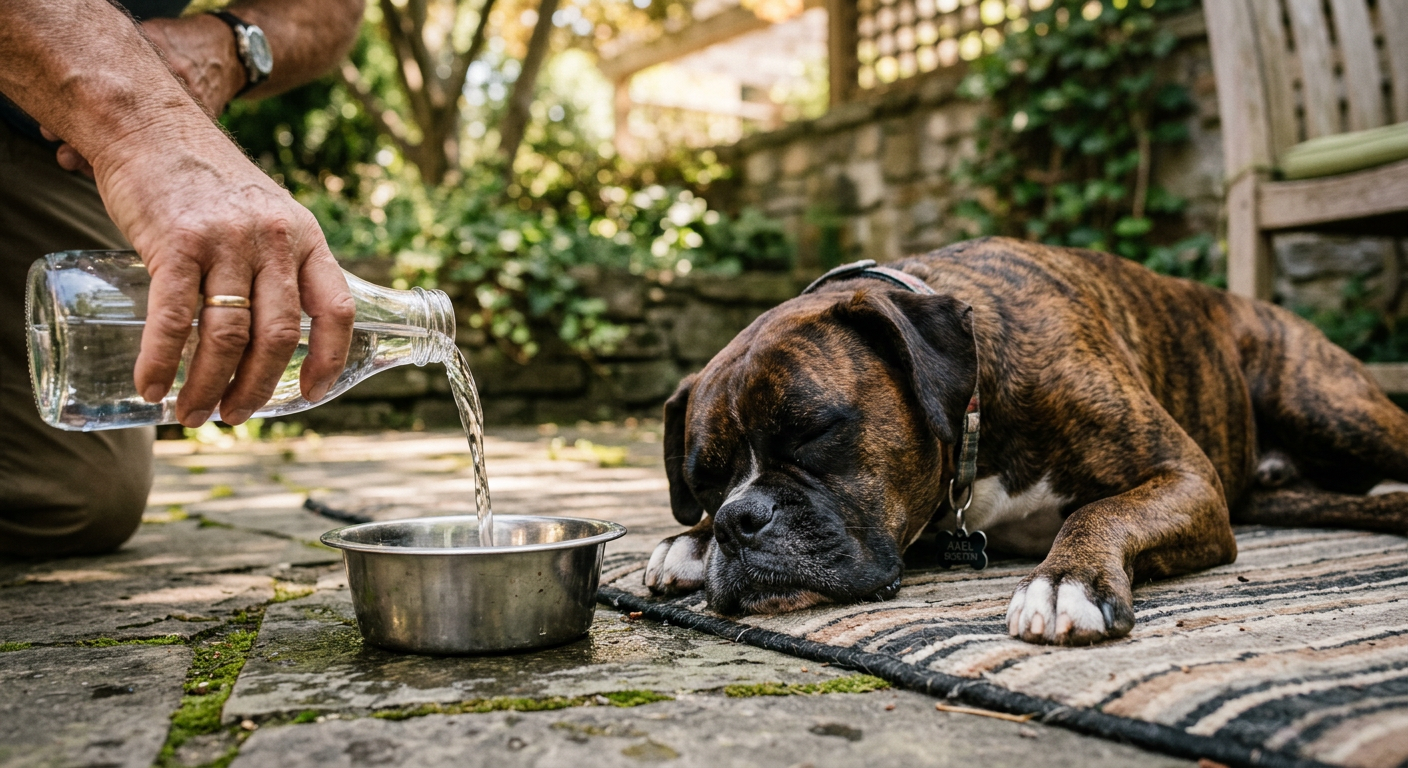
It is also vital to keep their water bowl clean and filled with fresh, cool water. Some dogs prefer a water fountain or a few ice cubes dropped into their bowl to encourage them to drink more.
Monitoring Weight and Wellness
Keep a close eye on your dog's body condition score. If you can suddenly see their ribs or their spine is becoming prominent, the reduction in food intake is likely too significant. Seasonal adjustments should be subtle, not result in rapid weight loss.
For those with large breeds like a Great Dane, maintaining a healthy weight is crucial for joint health, especially when they may be less active in the sun. Regular weigh-ins at home or the vet's office can help you track these changes accurately over the summer months.
Conclusion
In most cases, a dog eating less in summer normal or not is a natural adaptation to the environment. Their bodies are incredibly efficient at regulating energy and heat, and a slight dip in appetite is often just a sign they are listening to their internal cues. By providing a cool environment, fresh water, and flexible feeding times, you can support them through the warmest part of the year.
However, always trust your intuition as a pet parent. If your dog’s behavior feels "off" or if they show signs of distress, reaching out to your veterinarian is the best course of action. For more insights into your dog's curious dining habits, explore our article on decoding eating habits and digestive behavior to stay informed all year round.