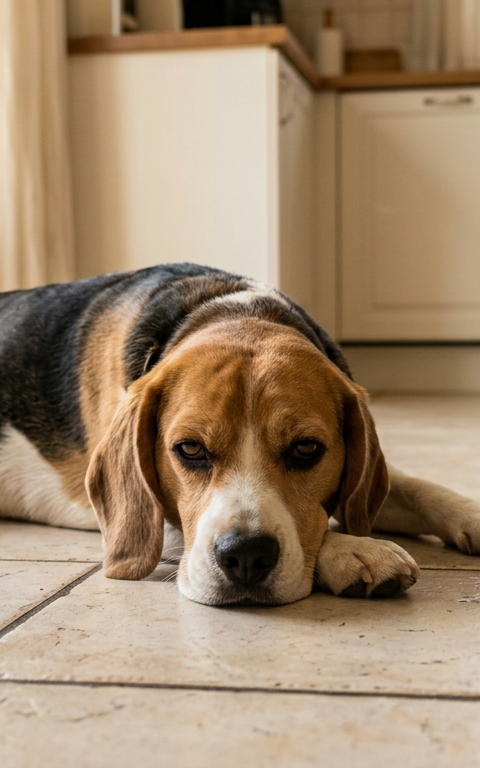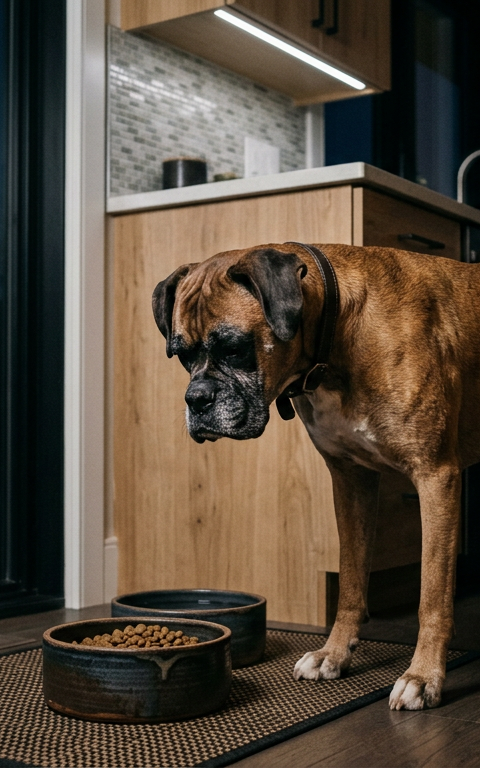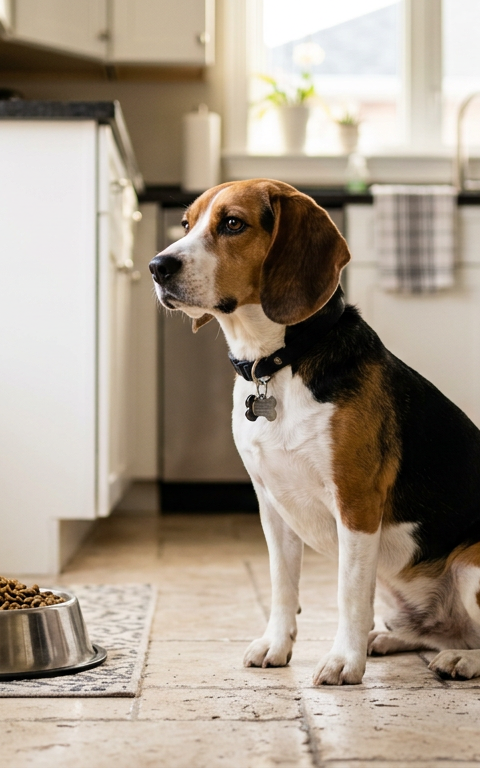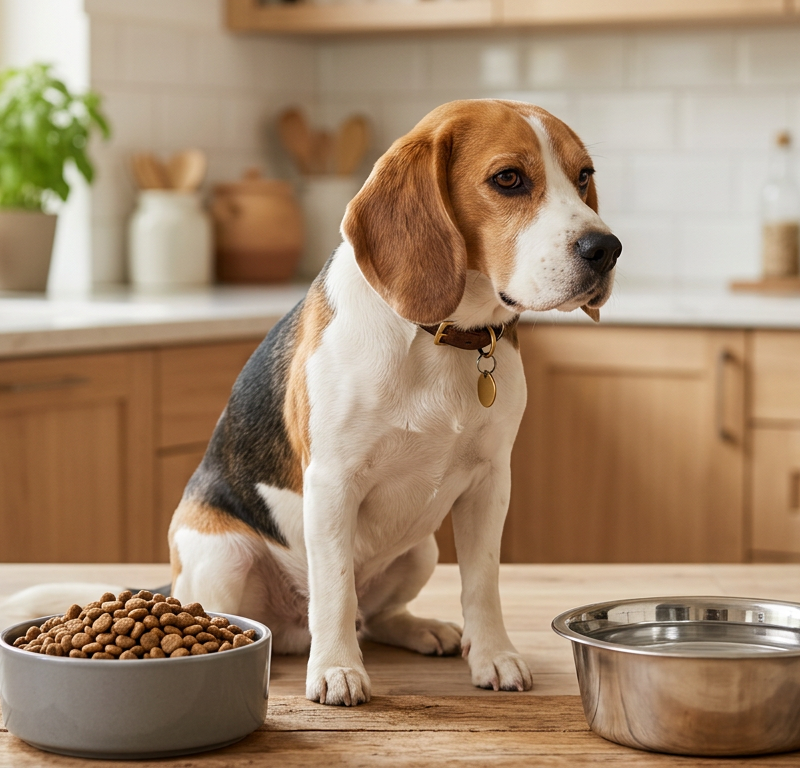
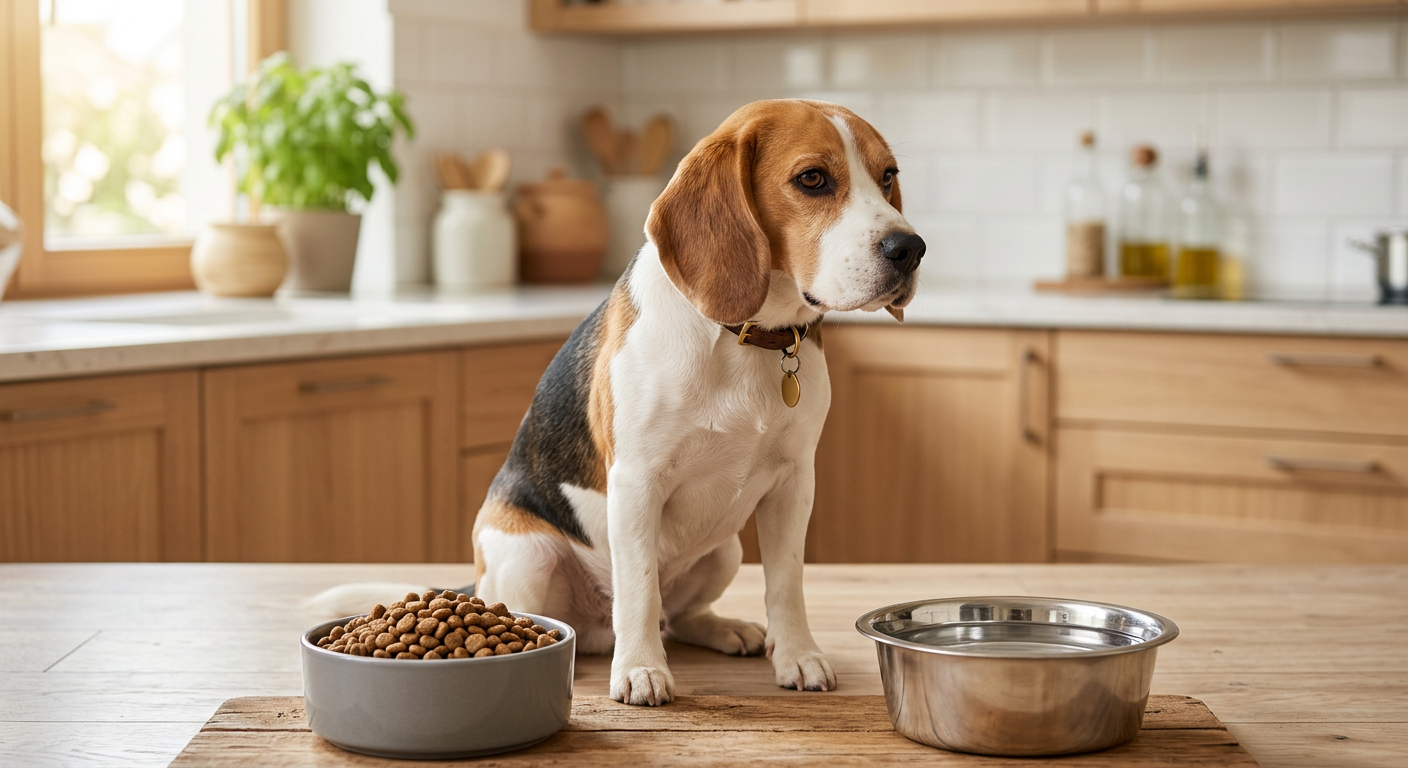
It can be quite concerning when your canine companion suddenly loses interest in their food bowl while simultaneously spending more time at the water dish. Observing a dog not eating but drinking lots of water is a behavioral shift that often signals an underlying change in their internal wellness. While every dog has an occasional "off" day, the combination of decreased appetite and increased thirst warrants a closer look at their current health status.
As pet parents, we know that food is usually a highlight of a dog's day. When that enthusiasm disappears, it is natural to feel worried. Understanding the relationship between hydration and nutrition is the first step in helping your pup feel like themselves again. In this guide, we will explore the common reasons for these shifts and how you can support your dog's recovery through proactive care and professional guidance.
Common Reasons for Increased Thirst and Low Appetite
There are several wellness considerations that might lead to a dog drinking more water while shunning their meals. Sometimes, the cause is as simple as a minor stomach upset or a change in the environment. However, when these symptoms persist, they could be linked to more complex metabolic or hormonal changes.
One primary area vets often investigate is kidney or liver function. The kidneys are responsible for filtering waste and balancing fluids; if they aren't working optimally, a dog may drink excessive amounts of water to compensate. Similarly, hormonal imbalances like diabetes mellitus or Cushing's disease frequently present with increased thirst as a primary indicator.
Gastrointestinal Discomfort
A dog might stop eating if they are experiencing nausea or abdominal pain. Just like humans, a dog with an upset stomach isn't likely to reach for a heavy meal. You can learn more about these behaviors in our guide on decoding eating habits and digestive behavior in dogs. If the nausea is accompanied by frequent swallowing, they may be trying to soothe an irritated esophagus or manage acid reflux.
Dental and Oral Health
If your dog is hungry but finds it painful to chew, they may approach the food bowl and then back away. Large gulps of cool water might feel better on sore gums or a cracked tooth than crunchy kibble. Checking for red gums, swelling, or a strong odor from the mouth is a good proactive step for any owner.
Age Related Factors and Breed Predispositions
The age of your dog play's a significant role in how they process nutrients and manage hydration. For example, a senior German Shepherd may develop different metabolic needs or joint pains that affect their willingness to stand and eat, even if their thirst remains high. Older dogs are also more susceptible to chronic conditions that impact the kidneys.
Smaller breeds, such as the Yorkshire Terrier, can be more sensitive to blood sugar fluctuations. If a small dog stops eating but drinks water excessively, they can become weak much faster than a larger breed. Monitoring their energy levels and gum color during these episodes is essential for providing your vet with accurate information.
Environmental and Stress Factors
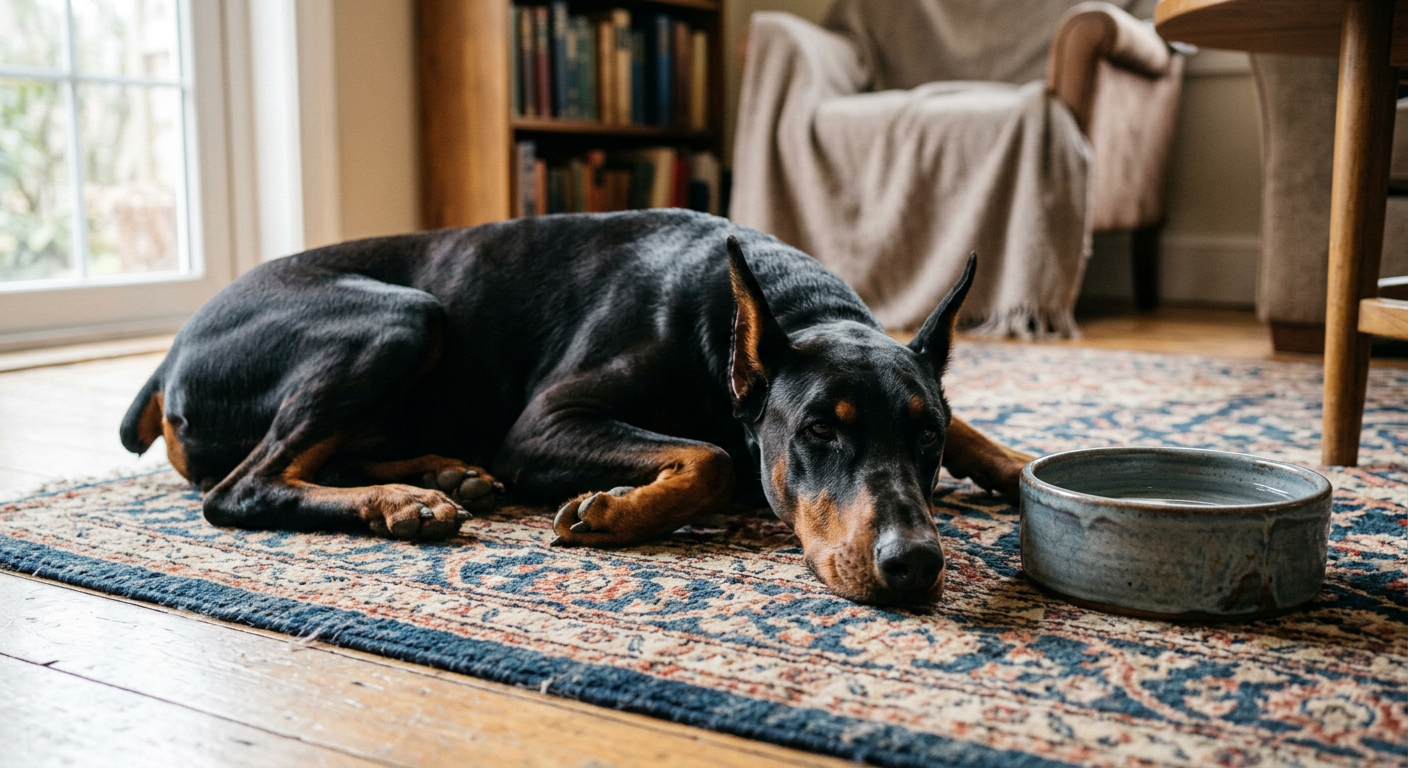
Sometimes the issue isn't physical but emotional. Significant changes in the household—such as moving to a new home, the loss of a companion, or even a loud thunderstorm—can cause a dog to lose their appetite. Stress often leads to "panting," which in turn leads to a dry mouth and increased water consumption. While this is often temporary, it is important to ensure the dog doesn't become dehydrated during the stress event.
When to Consult Your Veterinarian
While we always hope a small bout of pickiness will resolve on its own, certain "red flag" symptoms mean it is time to call the professional team. If your dog has gone more than 24 hours without eating, or if the increased thirst is accompanied by lethargy, you should seek a veterinary consultation immediately.
During your visit, the vet may perform the following diagnostics:
- Blood work to check organ function and glucose levels.
- Urinalysis to determine how well the kidneys are concentrating urine.
- Physical exam to check for abdominal pain or oral issues.
- Imaging, such as X-rays or ultrasound, to look for internal obstructions.
Having a clear history of when the symptoms started will help your vet reach a diagnosis faster. Note if your dog is also showing signs like swallowing repeatedly and licking their lips, as this can indicate specific types of digestive distress.
Comparing Behavioral Changes Across Breeds
Different breeds may handle illness in different ways. For instance, a Labrador Retriever is famously food-motivated; if a Lab stops eating, owners usually notice immediately. Conversely, a more stoic breed might not show signs of discomfort until an issue has progressed. If you are curious about how your dog's breed compares to others in terms of common health traits, you can explore our German Shepherd vs Labrador Retriever comparison tool.
Monitoring Water Intake at Home
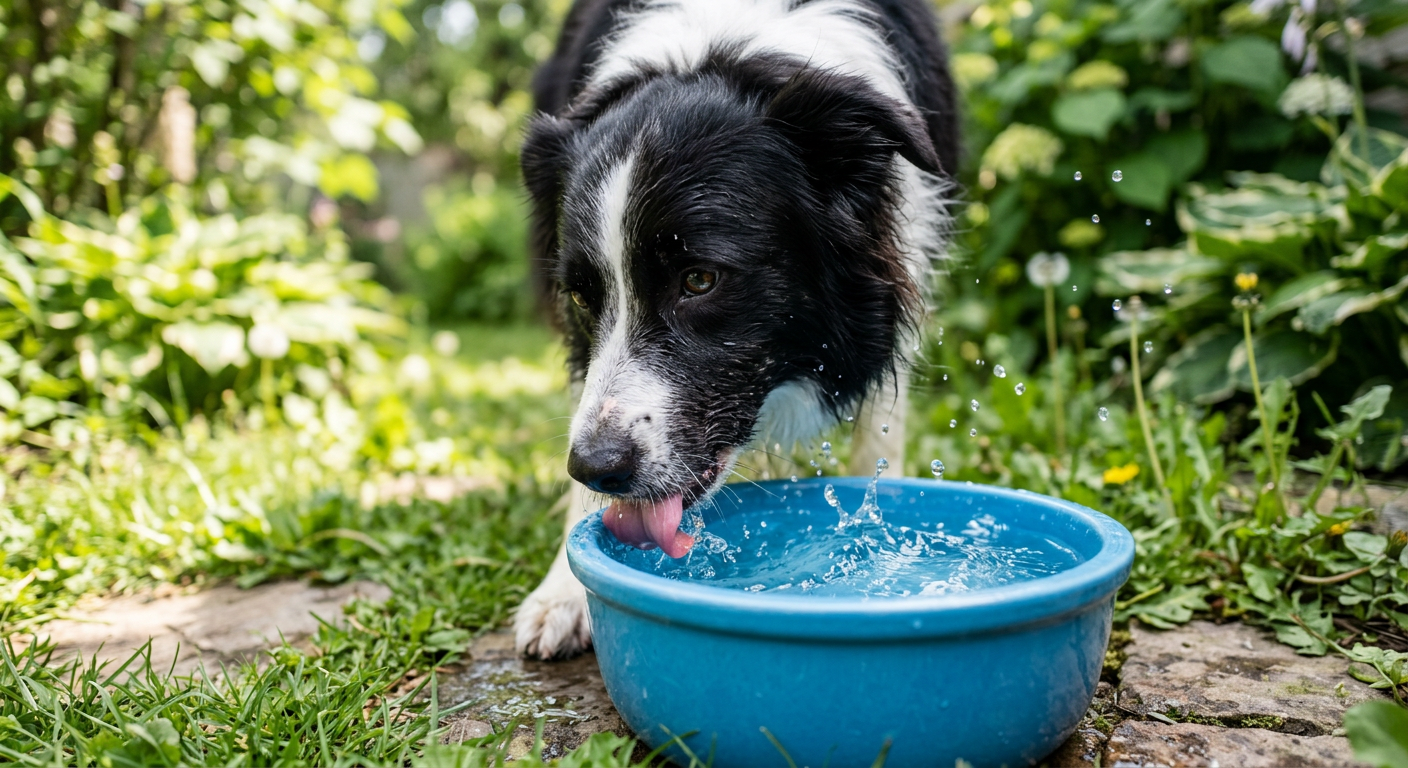
To provide the best data to your vet, try to quantify how much your dog is actually drinking. You can do this by measuring the amount of water you put in the bowl at the start of the day and subtracting what is left at the end. This "thirst diary" can be incredibly helpful in determining if the water intake is truly excessive (polydipsia) or just slightly elevated due to heat or activity.
Conclusion
Seeing a dog not eating but drinking lots of water is a clear signal that your pet needs a little extra attention. Whether the cause is a temporary stomach upset, a dental issue, or a more serious metabolic condition, early intervention is the key to a happy and healthy dog. By staying observant and working closely with your veterinarian, you can ensure your furry friend returns to their usual, hungry self as quickly as possible. Remember, your proactive care is the best gift you can give your pet!