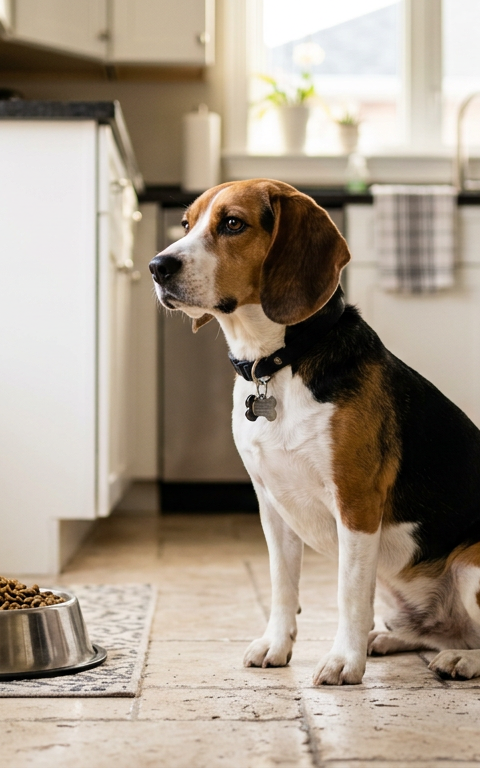
As a devoted pet parent, you likely know your dog's every habit, from the way they wag their tail when you reach for the leash to the specific sound of their snoring. However, it can be a bit confusing when you notice your dog swallowing repeatedly and licking lips without any food in sight. This rhythmic behavior often looks like they are trying to clear their throat or manage an invisible piece of kibble.
While occasional lip licking is a normal part of canine communication, persistent swallowing often indicates that your dog is experiencing a physical sensation that requires attention. Understanding the context of these movements is the first step in proactive care for your furry friend. By observing when and where these behaviors happen, you can better help your veterinarian determine the underlying cause.
Common Causes of Swallowing and Lip Licking
There are several reasons why a dog might engage in this specific set of behaviors. Most often, it is related to the digestive system or the mouth. If your dog has just eaten, they might simply be cleaning their jowls, but if it continues for several minutes, it may be due to one of the following factors.
Nausea and Digestive Discomfort
One of the most frequent reasons for a dog swallowing repeatedly and licking lips is nausea. Much like humans, dogs produce excess saliva when they feel like they might vomit. They swallow this extra saliva frequently to keep it from dripping, which leads to the licking and gulping motions you observe. This is often an early sign that your dog might have an upset stomach.
Nausea can stem from many sources, including eating something they shouldn't have or a change in their diet. For more information on how dogs process food, you can read our guide on decoding eating habits and digestive behavior in dogs. Identifying whether the nausea is a one-time event or a recurring issue is important for your dog's long-term wellness.

Oral Health and Dental Issues
Sometimes the issue isn't in the stomach, but right in the mouth. If a dog has a broken tooth, gum inflammation, or a foreign object like a splinter or a blade of grass stuck in their teeth, they will lick and swallow to try and dislodge the discomfort. Breeds with shorter muzzles, which you can see in a French Bulldog vs Poodle comparison, may be more prone to certain dental crowding issues that lead to persistent mouth movements.
Acid Reflux and Heartburn
Dogs can experience gastroesophageal reflux, commonly known as acid reflux. This happens when stomach acid moves back into the esophagus, causing a stinging sensation. To soothe the burn, dogs will swallow more frequently to push the acid back down and lick their lips as a reaction to the sour taste. This often happens several hours after a meal or during the night.
Environmental and Behavioral Factors
Not every cause of mouth-smacking is physical or medical. External factors and the dog's emotional state play a significant role in how they use their mouths to communicate or self-soothe. Taking a holistic look at your dog's environment can provide clues.
Anxiety and Stress Responses
Lip licking is a well-documented "calming signal" in canine body language. Dogs use this gesture to appease others or to lower their own stress levels when they feel nervous. If your dog is in a new environment, meeting a stranger, or hearing loud noises like thunder, they may swallow and lick their lips as a way to cope with the tension.
Dehydration and Dry Mouth
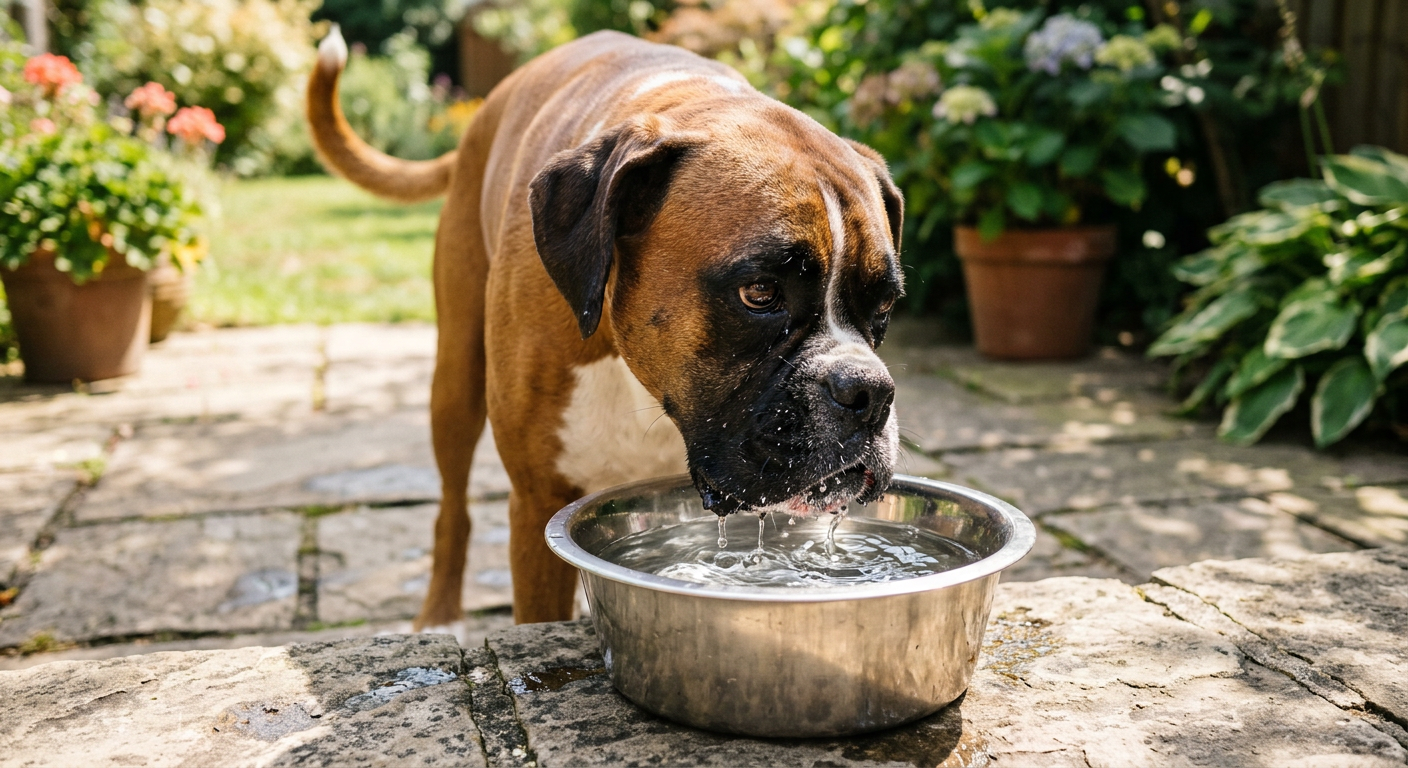
If a dog is dehydrated, their saliva becomes thick and sticky. This makes it difficult for them to move their tongue comfortably, leading to repetitive licking and swallowing as they try to keep their mouth moist. Always ensure your dog has access to fresh, clean water, especially after exercise or during warm weather.
When to Consult Your Veterinarian
While occasional lip licking isn't usually a cause for alarm, persistent or frantic behavior warrants a professional opinion. As a pet owner, your intuition is a powerful tool. If your dog seems distressed or if the behavior won't stop, reach out to your veterinarian for a wellness check.
- Frequency: If the licking and swallowing last for more than an hour or happen multiple times a day.
- Physical Distress: If your dog is also panting, pacing, or unable to get comfortable.
- Loss of Appetite: If they are refusing their favorite treats or meals.
- Visible Lesions: If you see blood, swelling, or growths inside their mouth.
- Retching: If they are trying to vomit but nothing is coming up.
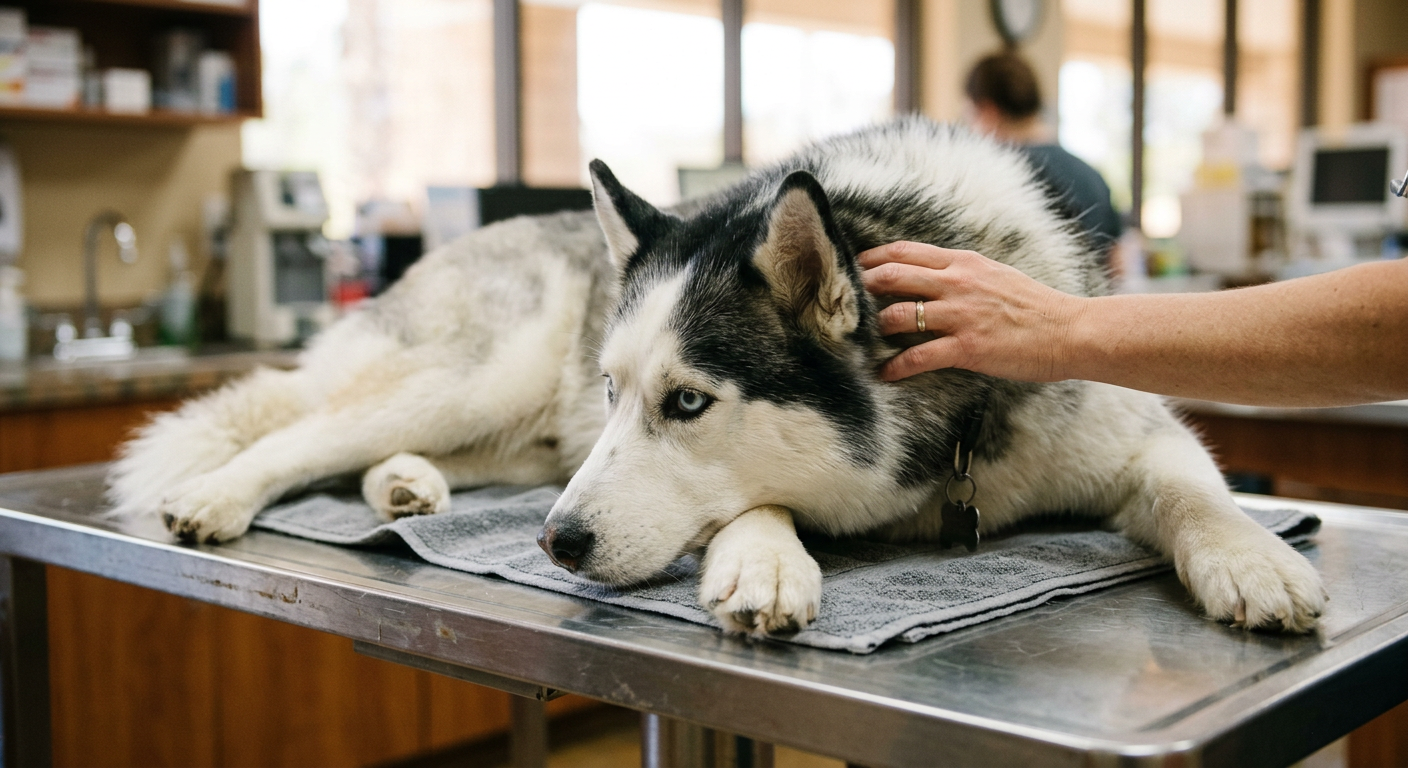
Your vet may perform a physical exam, look at your dog's dental health, or suggest blood work to rule out internal issues. They can provide specific advice tailored to your dog's age and breed. For example, older dogs like a senior Labrador Retriever may have different digestive needs than a puppy.
Proactive Care and Prevention
Maintaining a consistent routine can help minimize the triggers for digestive-related licking and swallowing. Consider these wellness strategies to keep your dog's mouth and stomach happy:
- Monitor Dietary Intake: Keep your dog away from table scraps and fatty foods that can trigger acid reflux or pancreatitis.
- Regular Dental Checks: Brush your dog's teeth and check their gums weekly for any signs of redness or trapped debris.
- Hydration Stations: Place multiple water bowls around the house to encourage frequent drinking.
- Stress Management: Provide a safe, quiet space for your dog during high-stress events like parties or holidays.
By staying observant, you can catch minor issues before they become major discomforts. Most dogs will experience a bout of "the smacks" at some point in their lives, and usually, it resolves quickly with rest or a drink of water.
Conclusion
Seeing your dog swallowing repeatedly and licking lips can be puzzling, but it is their way of communicating a physical sensation. Whether it is a bit of nausea from a new treat or a simple response to a stressful situation, these cues are vital parts of your dog's wellness profile. By working closely with your veterinarian and maintaining a healthy lifestyle for your pet, you can ensure they stay comfortable and happy.