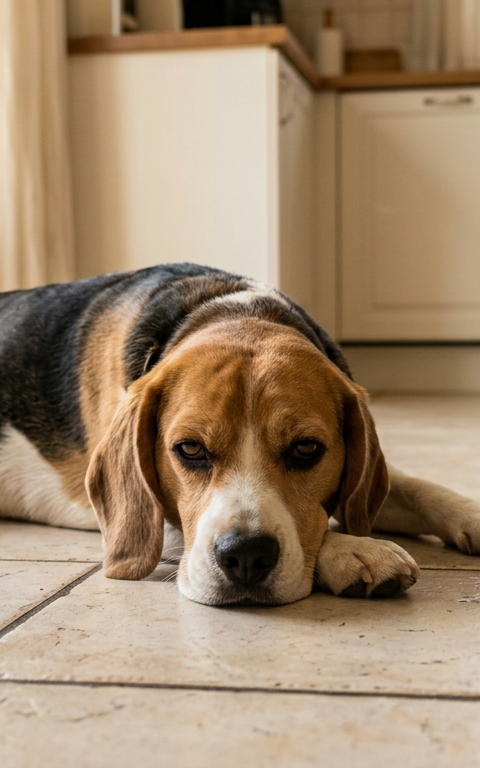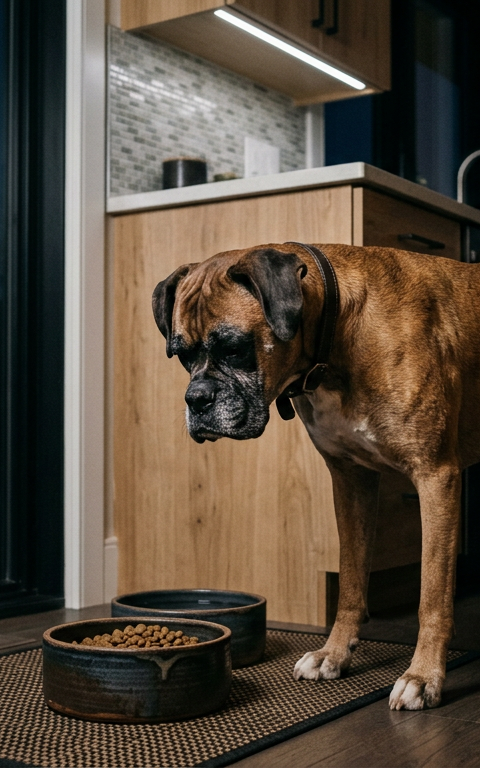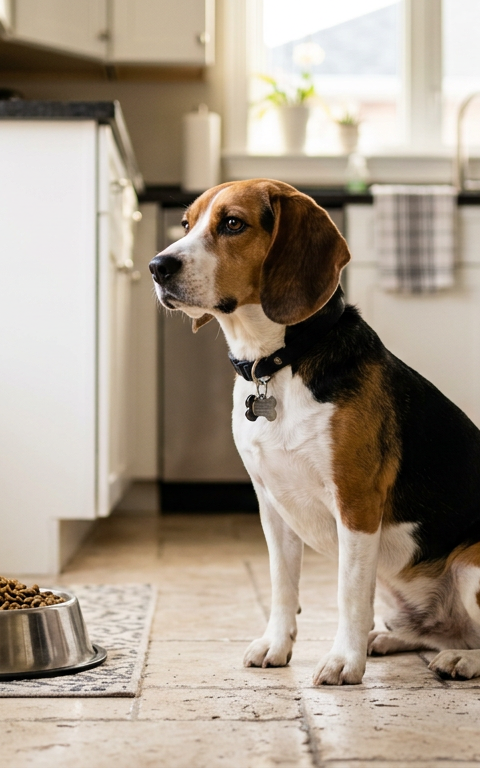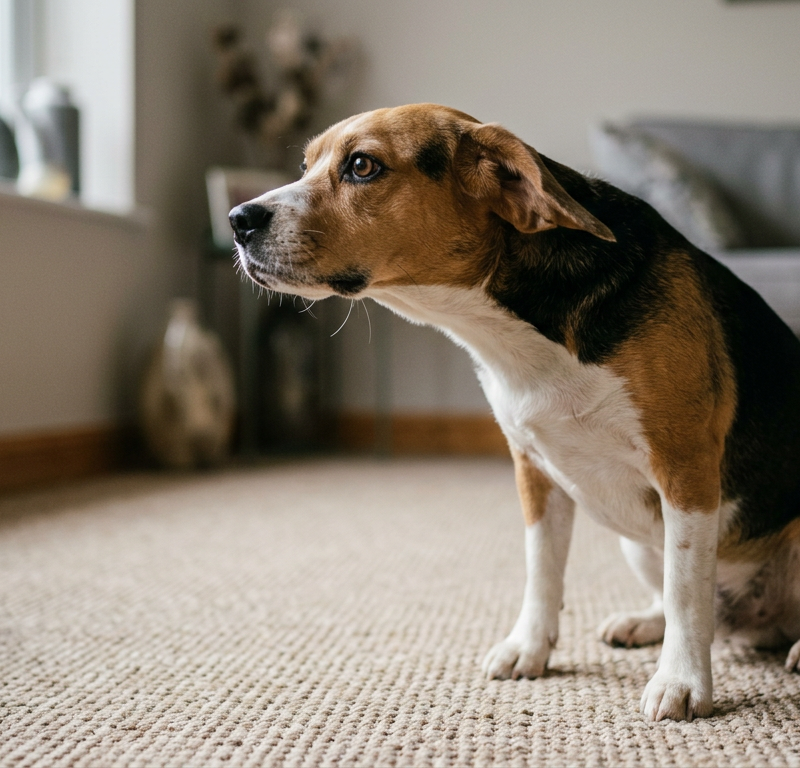
Seeing your dog gulping air and acting uncomfortable can be a confusing experience for any pet owner. These episodes often come on suddenly, characterized by repetitive swallowing motions, neck stretching, and a general sense of restlessness. While it might look like your dog is trying to catch their breath, they are often reacting to a variety of internal sensations ranging from a dry throat to digestive changes.
Understanding why these behaviors occur is the first step in providing comfort for your furry friend. By observing the specific patterns of their air-gulping, you can better communicate with your veterinarian and determine if the issue is a simple case of dietary overindulgence or something that requires a bit more proactive care. Let us explore the common causes and wellness considerations for this behavior.
Recognizing the Signs of Air Gulping in Dogs
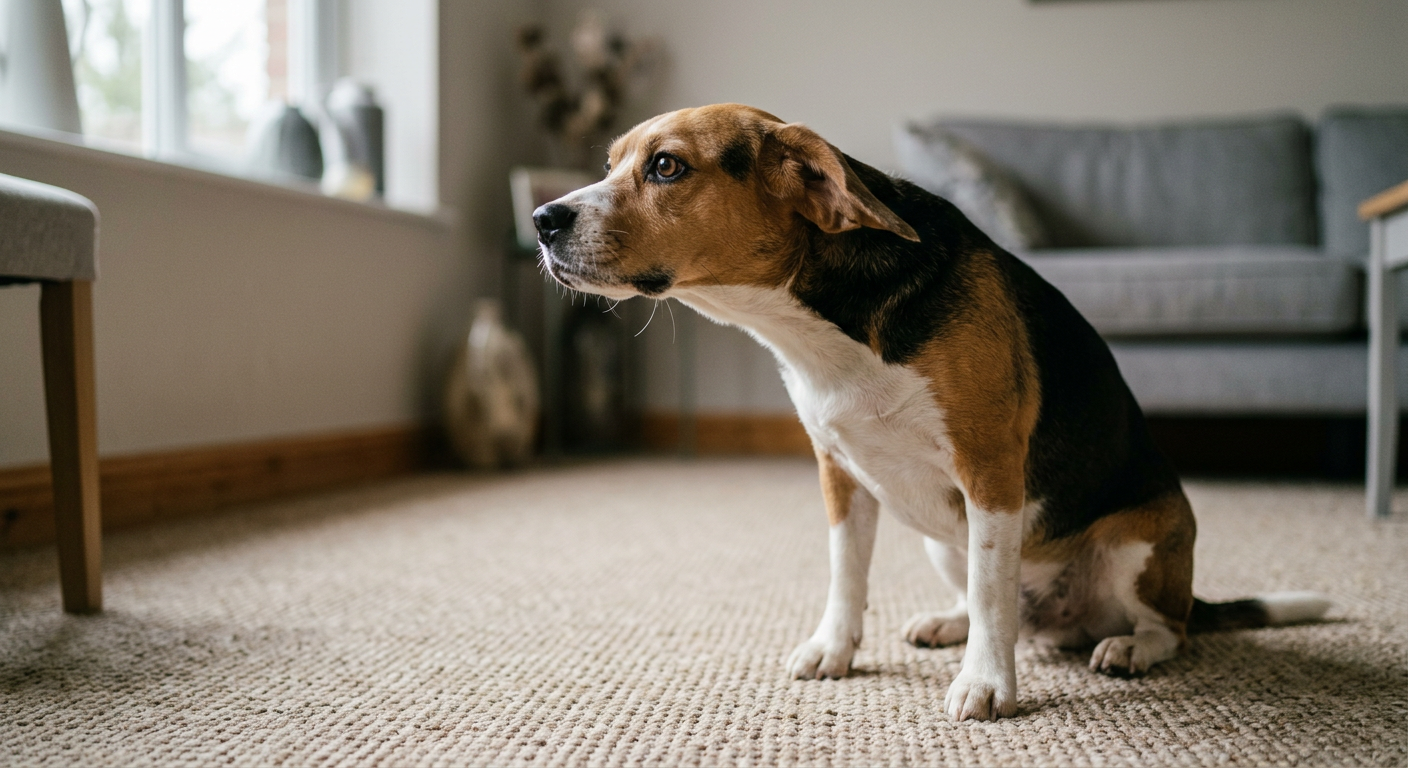
When a dog is gulping air, they aren't usually doing it for fun. You might notice them extending their neck forward, licking their lips repeatedly, or making a "gulp" sound that resembles human swallowing. Often, this is accompanied by a frantic search for something to eat, like grass or even carpet fibers, as they try to soothe their throat or stomach.
General discomfort during these episodes may manifest as pacing, an inability to settle down, or a "worried" facial expression. It is important to differentiate this from standard panting. While panting is a cooling mechanism, gulping air involves the active ingestion of air into the esophagus or stomach, which can sometimes lead to mild bloating or gas.
Licking and Swallowing Patterns
Many dogs who gulp air also exhibit excessive licking. They may lick their own paws, the air, or nearby furniture. This is often a sign of nausea or an attempt to clear a sensation in the back of the throat. If you observe your dog swallowing repeatedly and licking lips, it typically points toward a digestive or upper respiratory trigger.
Physical Posture and Body Language
Watch your dog's stance carefully. Are they hunching their back? Are they standing in the "play bow" position but looking distressed? These postures can indicate that the gulping is secondary to abdominal discomfort. Dogs often try to stretch out their digestive tract when they feel "full" of air or gas, leading to that characteristic uncomfortable appearance.
Common Causes for a Dog Gulping Air and Acting Uncomfortable
There are several reasons why your canine companion might display these symptoms. Most are manageable with lifestyle changes, while others might involve a temporary upset stomach. Investigating these possibilities helps ensure your dog remains happy and healthy.
Gastroesophageal Reflux and Acidity
Just like humans, dogs can experience acid reflux. When stomach acid travels back up the esophagus, it creates a burning sensation. To combat this, dogs will often gulp air or swallow saliva to try and neutralize the acid or push it back down. This is particularly common in breeds like the French Bulldog, where physical anatomy can sometimes contribute to digestive efficiency.
Dietary Habits and Speed of Eating
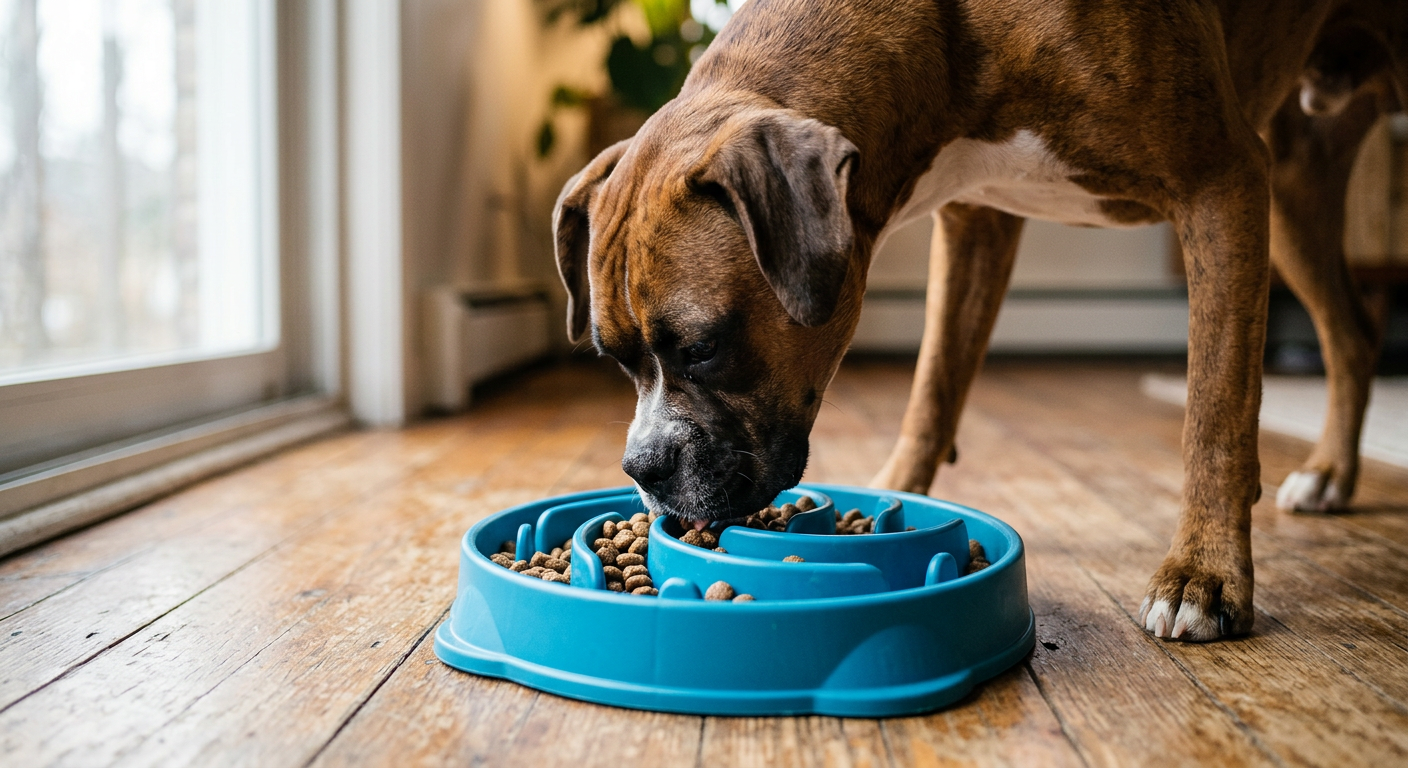
If your dog is a "vacuum" when it comes to mealtime, they are likely swallowing significant amounts of air along with their kibble. This air-gulping during meals is a primary cause of post-meal discomfort. You might find that your dog eats so fast and then vomits, which is a clear indicator that their digestive system is being overwhelmed by air and unchewed food.
- Using slow-feeder bowls to reduce air intake.
- Dividing large meals into smaller portions throughout the day.
- Adding a small amount of warm water to kibble to prevent "bolting."
Aversive Smells or Irritants
Dogs have an incredibly sensitive sense of smell. Occasionally, a strong household cleaner, a new perfume, or even dust in the air can irritate their throat or nasal passages. This irritation can prompt a dog to gulp air as they try to clear the phantom sensation of something being stuck in their throat.
Understanding Aerophagia in Canines
The medical term for swallowing excessive amounts of air is aerophagia. While it sounds complex, it is a relatively common occurrence in many pets. When a dog gulps air and acts uncomfortable, aerophagia is often the underlying mechanism. The air trapped in the stomach can lead to distension, making the dog feel heavy or bloated.
In most cases, the dog will eventually burp or pass gas to relieve the pressure. However, if the gulping is persistent, it can lead to a cycle of discomfort where the dog gulps more air to soothe the feeling of the original air, creating a loop. Monitoring how long these episodes last is crucial for your vet to understand the severity.
Behavioral Triggers and Anxiety
Sometimes, air gulping is a displacement behavior. If a dog is feeling anxious—perhaps due to a thunderstorm or a change in the household—they may develop repetitive oral habits. Gulping air acts as a self-soothing mechanism for some dogs, similar to how a person might chew their fingernails when stressed.
Laryngeal or Throat Sensitivity
Anything that affects the throat can lead to gulping. This includes minor scratches from chewing on a stick or a slight inflammation of the larynx. If the throat feels "ticklish" or sore, the dog will swallow frequently to try and alleviate the itch. This is often seen in active breeds like the German Shepherd or Labrador Retriever who often pick up objects during play.
Wellness Considerations and Proactive Care
If your pet is frequently gulping air and acting uncomfortable, there are several steps you can take at home to promote better digestive wellness. However, always remember that chronic discomfort should be evaluated by a professional to rule out more serious issues like dental problems or anatomical obstructions.
Managing Mealtime Transitions
Sudden changes in diet can lead to gas production and subsequent air gulping. If you are switching brands or protein sources, do so over a period of 7 to 10 days. This allows the gut microbiome to adjust, reducing the likelihood of the bloating that causes your dog to gulp air in the first place.
The Role of Hydration
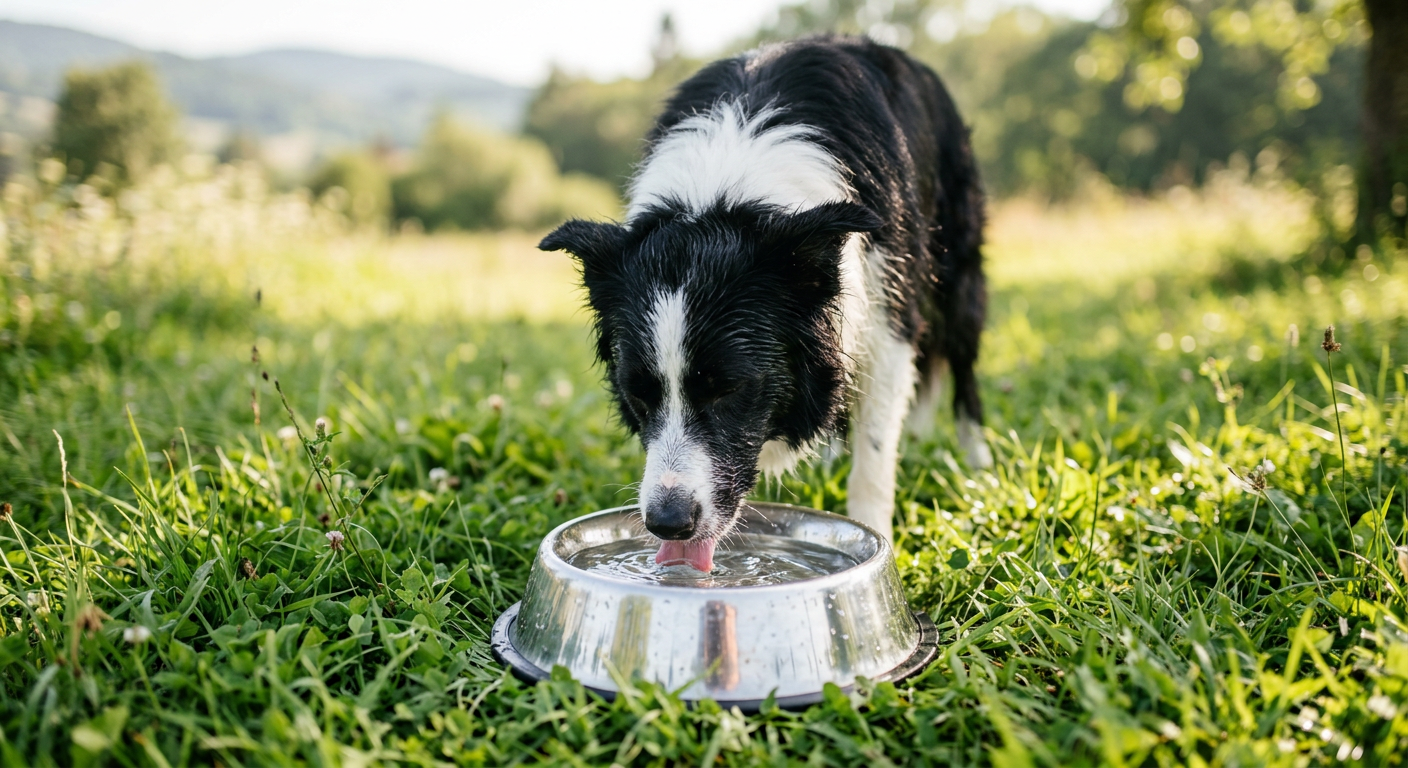
A dry throat is a common trigger for swallowing and gulping. Ensure your dog always has access to fresh, clean water. If they seem to gulp air specifically after exercise, try offering them small amounts of water frequently rather than letting them drink a whole bowl at once, which can lead to further air ingestion.
When to Consult Your Veterinarian
While occasional air gulping can be a normal part of being a dog, certain "red flags" suggest it is time for a check-up. If the gulping is accompanied by a hard, distended abdomen, or if your dog is trying to vomit but nothing is coming up, this is a wellness emergency that requires immediate attention.
Other signs that warrant a veterinary visit include:
- Persistent lethargy or refusal to eat.
- Gulping that lasts for more than 30 minutes at a time.
- Pale or blue-tinged gums.
- Significant weight loss or changes in bowel habits.
Your vet may suggest diagnostic tools such as X-rays or an ultrasound to see how air is moving through the digestive tract. They might also check for conditions like "Megaesophagus," where the esophagus has trouble moving food and air down to the stomach correctly.
Conclusion
Having a dog gulping air and acting uncomfortable can be a stressful experience for both of you. By staying calm and observing their behavior, you can identify whether it is a result of eating too fast, a bit of acid reflux, or a reaction to an environmental irritant. Most of the time, simple adjustments to feeding routines and environment can resolve the issue.
Always keep a log of when these episodes occur to share with your vet. Proactive care and a keen eye for detail will help keep your dog's digestive system running smoothly. For more tips on understanding your pet's unique behaviors, feel free to browse our PetDecoder blog for more expert insights.