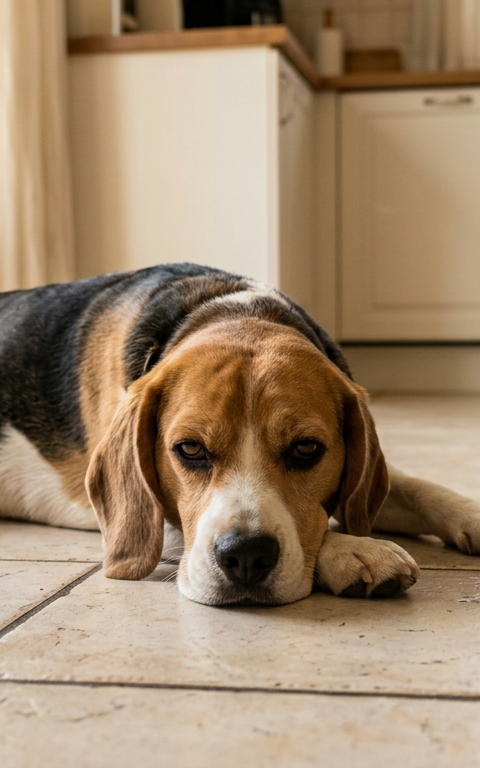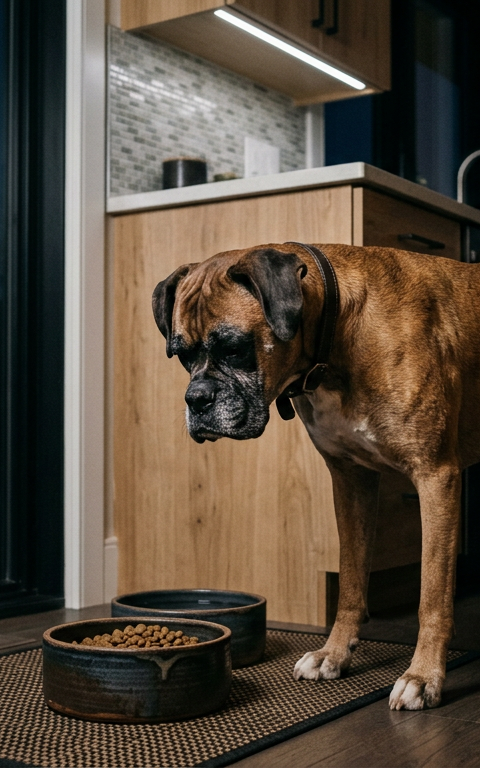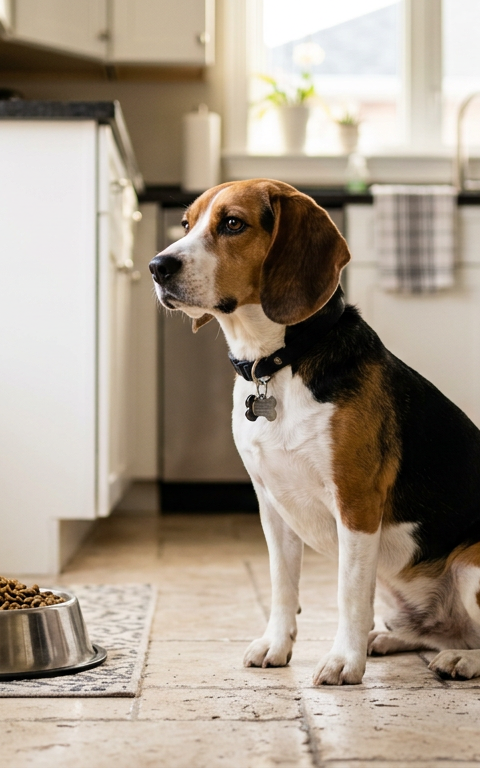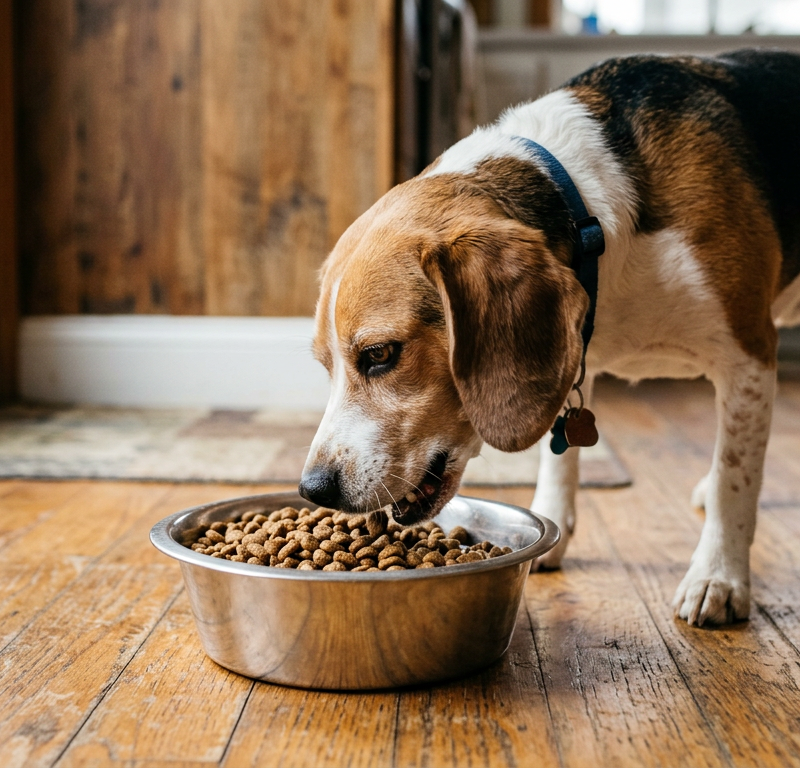
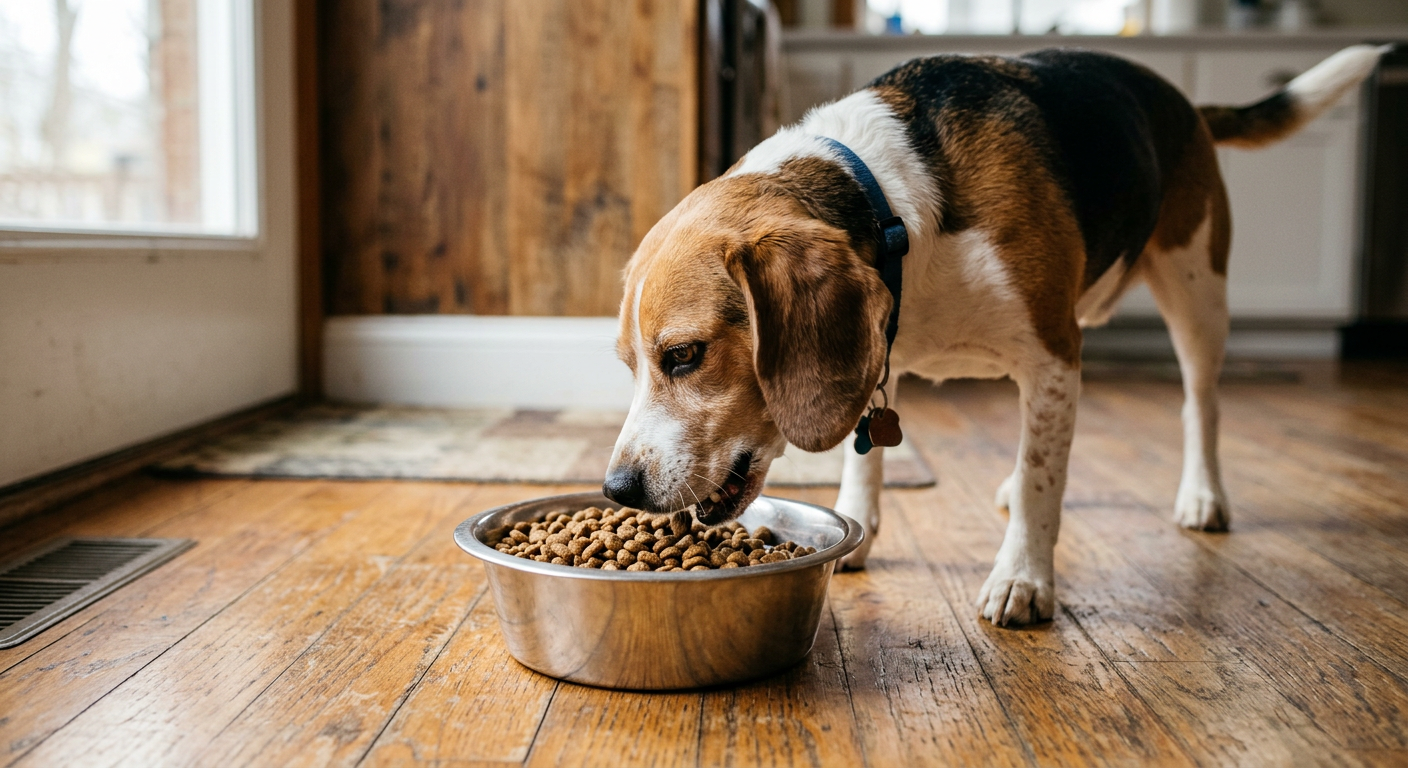
It can be quite a surprise for pet parents when a peaceful mealtime turns into a sudden cleanup session. If you are wondering why does my dog eat so fast and then vomit, you are certainly not alone. This behavior, often called "scarfing and barfing," is a common occurrence in the canine world, though it can feel a bit overwhelming for owners to manage at first.
Understanding the root of this eating style is the first step toward creating a calmer dining experience for your furry friend. Dogs often view food as a precious resource, and their natural instincts sometimes drive them to consume it as quickly as possible. When this happens, the biological fallout is often a regurgitation of the meal they just finished. By making a few simple adjustments to their routine, you can help your dog enjoy their food without the post-meal mess.
The Science of Scarfing and Barfing
When you ask why does my dog eat so fast and then vomit, the answer usually lies in the mechanics of their esophagus and stomach. Dogs have a unique digestive setup compared to humans. When they bolt their food, they aren't just swallowing kibble; they are also taking in large amounts of air. This combination can lead to immediate physical discomfort.
Regurgitation Versus Vomiting
It is helpful to distinguish between true vomiting and regurgitation. True vomiting usually involves abdominal contractions, heaving, and bile. Regurgitation, which is what usually happens when a dog eats too quickly, occurs almost immediately after eating. The food often comes back up looking exactly as it did in the bowl, sometimes in a tubular shape, because it never actually reached the stomach to be digested.
Air Intake and Aerophagia
Rapid eating leads to a condition called aerophagia, which literally means "air swallowing." When a dog inhales their meal, the stomach expands rapidly with both food and trapped gas. This sudden pressure can trigger a reflex that forces the contents back up the esophagus. This is one of the most common reasons pet owners see their dogs struggling with post-meal snacks appearing on the floor.
Common Reasons Dogs Eat Too Quickly
Understanding the "why" behind the speed can help you address the "how" of the vomiting. While it might seem like your dog is just being enthusiastic, there are often underlying behavioral or environmental factors at play. This is especially true for certain breeds known for their food motivation, such as the Beagle or Labrador Retriever.
- Resource Competition: If you have multiple pets, your dog may feel the need to finish their food before someone else can take it.
- Ancestral Instincts: In the wild, wolves often eat as much as possible as quickly as they can to ensure they get their share of a hunt.
- Irregular Feeding Schedules: If mealtimes are inconsistent, a dog might develop anxiety about when their next meal is coming, leading them to rush.
- High Palatability: Sometimes, the food just tastes so good that they can't help themselves!
Wellness Considerations and Health Factors
While speed is usually the culprit, there are some proactive care considerations to keep in mind. If your dog has suddenly started eating faster than usual, it may be worth decoding eating habits to see if anything has changed in their environment. Occasionally, underlying wellness issues can lead to increased hunger.
Parasites and Nutrient Absorption
If a dog is dealing with intestinal parasites, they might not be absorbing the nutrients from their food properly. This can leave them feeling constantly hungry, leading to frantic eating. A routine check-up with your veterinarian can rule out these tiny hitchhikers and ensure your dog is getting the most out of their nutrition.
Managing Mealtime Stress
Stress can play a major role in how a dog approaches their bowl. If the feeding area is in a high-traffic part of the house, or if a toddler is playing nearby, your dog might feel hurried. Creating a "safe zone" for meals can go a long way in slowing down a fast eater. You might even find that as they get older, their needs change; check the Golden Retriever age calculator to see how your dog's life stage impacts their metabolic needs.
Solutions for Slowing Down Your Dog
The good news is that you don't have to just accept the "scarf and barf" cycle. There are several creative tools and techniques you can use to encourage a slower pace. These methods turn mealtime into a mental workout while protecting their digestive health.
Slow Feeder Bowls
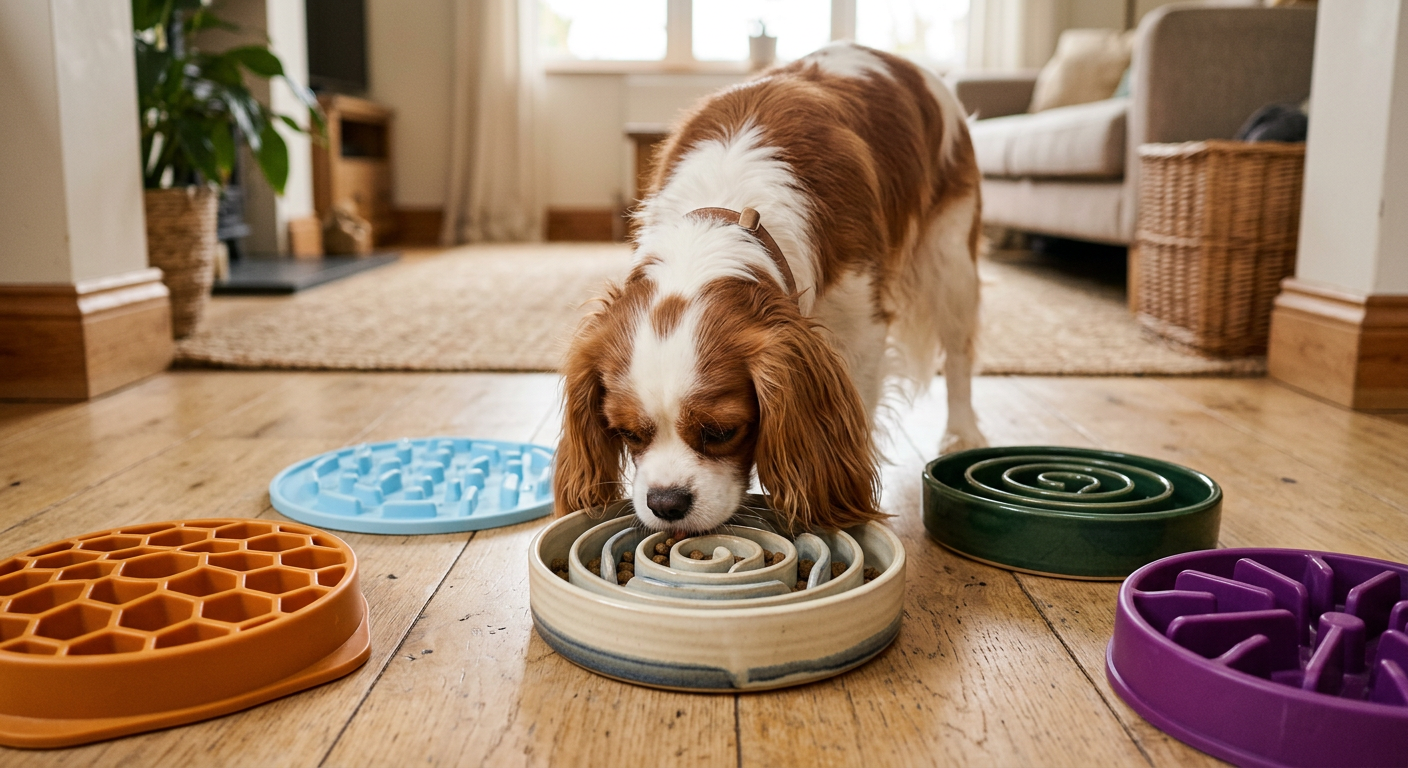
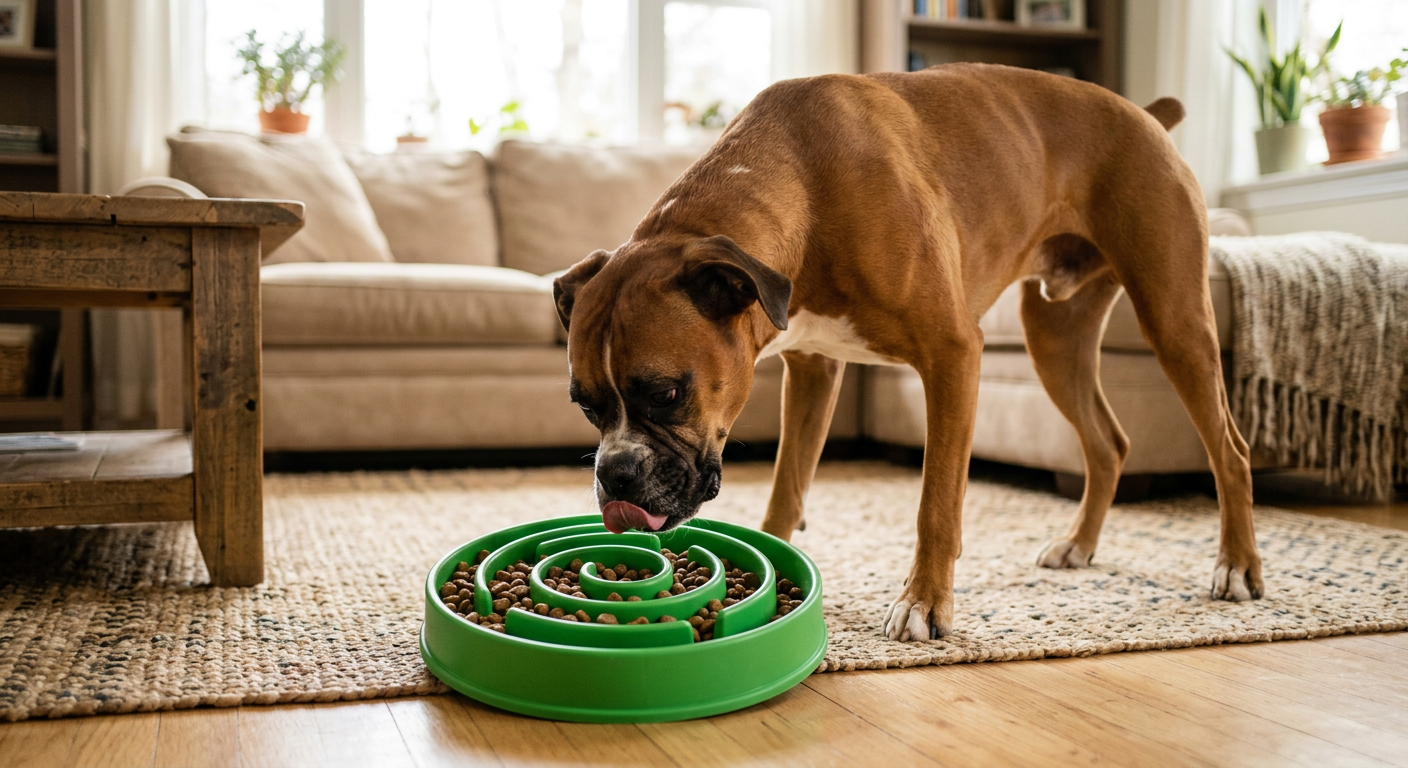
Slow feeder bowls are specifically designed with ridges, mazes, or obstacles that force your dog to use their tongue to move kibble around. This effectively prevents them from taking giant gulps. It can transform a thirty-second meal into a five-minute activity, which is much better for their stomach.
Puzzle Toys and Snuffle Mats
Using a snuffle mat or a treat-dispensing puzzle toy can also be very effective. These tools tap into a dog’s natural foraging instincts. Instead of eating from a pile, they have to "hunt" for each piece of kibble. This mental stimulation often leaves dogs feeling more satisfied and less likely to engage in frantic eating behaviors.
When to Consult Your Veterinarian
While learning why does my dog eat so fast and then vomit often leads to simple behavioral fixes, it is always wise to keep your vet in the loop. This is especially important if you notice other symptoms alongside the rapid eating and regurgitation. If you see signs like repeated swallowing and licking lips, it could indicate lingering nausea or acid reflux.
A veterinarian can perform a physical examination to ensure there aren't any physical obstructions or issues like megaesophagus, which is a condition where the esophagus stays enlarged and cannot move food down to the stomach. They can also provide professional advice on specialized diets that might be easier for a sensitive stomach to handle after a fast meal.
Proactive Tips for a Calm Kitchen
Creating a soothing environment is just as important as the bowl you use. If you have a multi-dog household, consider feeding them in separate rooms. This removes the "race" element from the equation. When a dog knows nobody is going to steal their dinner, they are more likely to take their time.
Furthermore, consider breaking their daily food allowance into three or four smaller meals instead of two large ones. Smaller portions exert less pressure on the stomach and are less likely to be regurgitated if eaten quickly. You can also try adding a small amount of water to dry kibble to make it slightly more difficult to "inhale" and to help with hydration.
Concluding Thoughts on Healthy Eating Speeds
Addressing the question of why does my dog eat so fast and then vomit is all about patience and observation. By identifying the triggers—whether it's competition, instinct, or a simple love for food—you can implement strategies that keep the food in their belly where it belongs. Remember to take a proactive approach to their wellness and always consult your veterinarian if you have concerns about their digestion or sudden changes in appetite. With the right tools and a calm environment, your dog can move away from the "scarf and barf" habit and enjoy a much more comfortable mealtime experience.