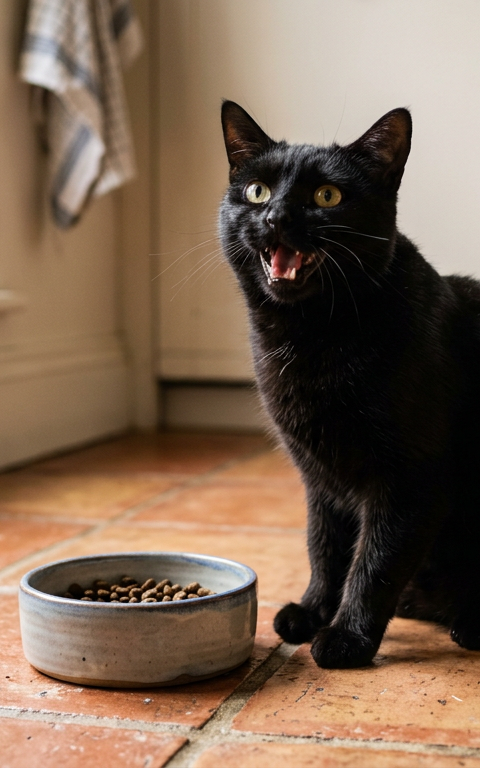
If you have ever reached down to scoop up your feline friend only to feel their muscles turn as hard as stone, you are not alone. Many owners find themselves asking, why does my cat tense up when picked up, especially when they see other cats melting into their owners' arms like liquid. This physical reaction is a form of non-verbal communication that tells us a lot about a cat's comfort levels and past experiences.
Understanding this behavior is the first step toward building a deeper bond with your pet. Cats are highly sensitive creatures that value their autonomy and sense of security. When that security feels compromised, their natural instinct is to prepare their bodies for action. By learning the nuances of feline body language, you can transform these moments of tension into opportunities for trust-building.
The Biological Basis for Feline Tension
To understand why a cat might stiffen, we have to look at their evolution. In the wild, cats are both predators and prey. Being lifted off the ground is a vulnerable position because it removes their ability to run or jump away from a perceived threat. When a cat feels their paws leave the floor, their "fight or flight" response may activate, leading to immediate muscle rigidity.
The Startle Reflex
Sometimes the tension is simply a matter of surprise. If a cat is deeply asleep or focused on a bird outside the window, a sudden lift can trigger a startle reflex. Their muscles tighten as they try to orient themselves in space. Consistent, predictable movements can help reduce this reflexive stiffening over time.
Balance and Grounding
Cats rely heavily on their sense of touch and balance, mediated by their vestibular system and whiskers. When they are suspended in mid-air, they lose their "grounding." If they aren't held securely, they may tense up to try and stabilize their own core, much like a human might stiffen when walking on an icy sidewalk.
Common Reasons for Physical Resistance
Beyond basic biology, several environmental and social factors influence how a cat reacts to being held. Identifying which factor affects your cat can help you tailor your approach to their specific needs. It is always helpful to review cat care essentials to ensure their overall environment is low-stress.
- Lack of Early Socialization: Cats that weren't handled frequently by humans during their "socialization window" (2 to 7 weeks of age) often find being picked up unnatural.
- Improper Handling Techniques: If a cat isn't supported under their hindquarters, they feel unstable. This lack of support is a leading cause of physical tension.
- Negative Past Experiences: If being picked up in the past led to something the cat disliked—such as medicine, a bath, or a carrier trip—they may associate the action with an unpleasant outcome.
- Individual Personality: Just like people, some cats simply value their personal space more than others. They may love sitting near you but dislike the confinement of a hug.
Wellness Considerations and Physical Comfort
If a cat who previously enjoyed being held suddenly begins to stiffen or pull away, it may be a sign of physical discomfort. Cats are masters at hiding pain, and muscle tension is often one of the first subtle clues they provide. Proactive care involves noticing these shifts in behavior early.
Conditions like arthritis, especially in older cats, can make the pressure of being lifted quite uncomfortable. A Maine Coon or a British Shorthair in their senior years might experience joint sensitivity that causes them to brace themselves when handled. If you notice a sudden change in how your cat reacts to touch, a consultation with your veterinarian is recommended to rule out underlying health issues.
Identifying Pain Points
Watch for specific areas where your cat seems most defensive. If they tense specifically when you touch their abdomen or lower back, this information is vital for your vet. Gentle handling is always key, but it becomes even more important if your cat is managing a chronic condition.
How to Pick Up Your Cat Correctly
Many owners unintentionally cause their cats to stiffen by how they lift them. The goal is to make the cat feel as secure as possible the moment they leave the ground. Proper technique can significantly reduce the "why does my cat tense up when picked up" phenomenon.
- Announce Your Presence: Speak softly to your cat before reaching for them so they aren't surprised.
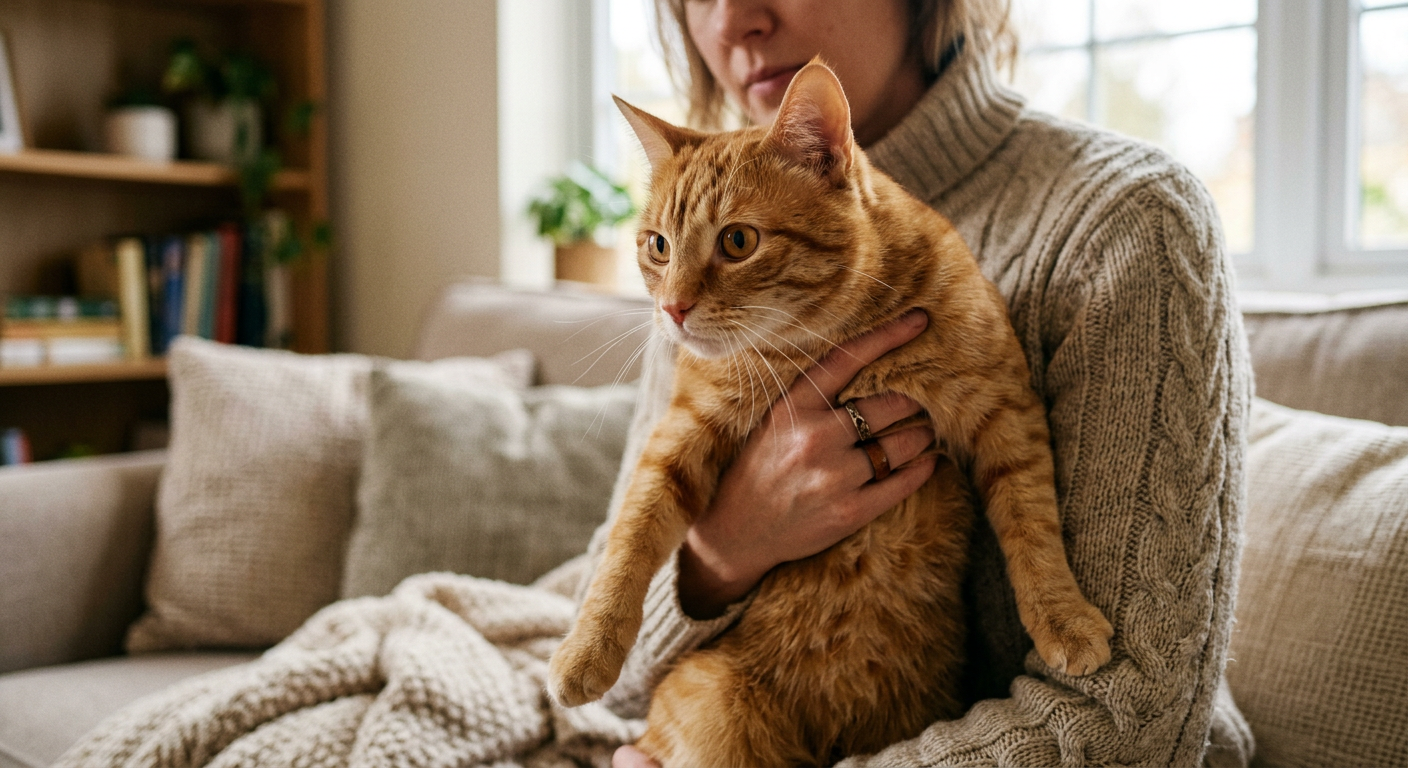
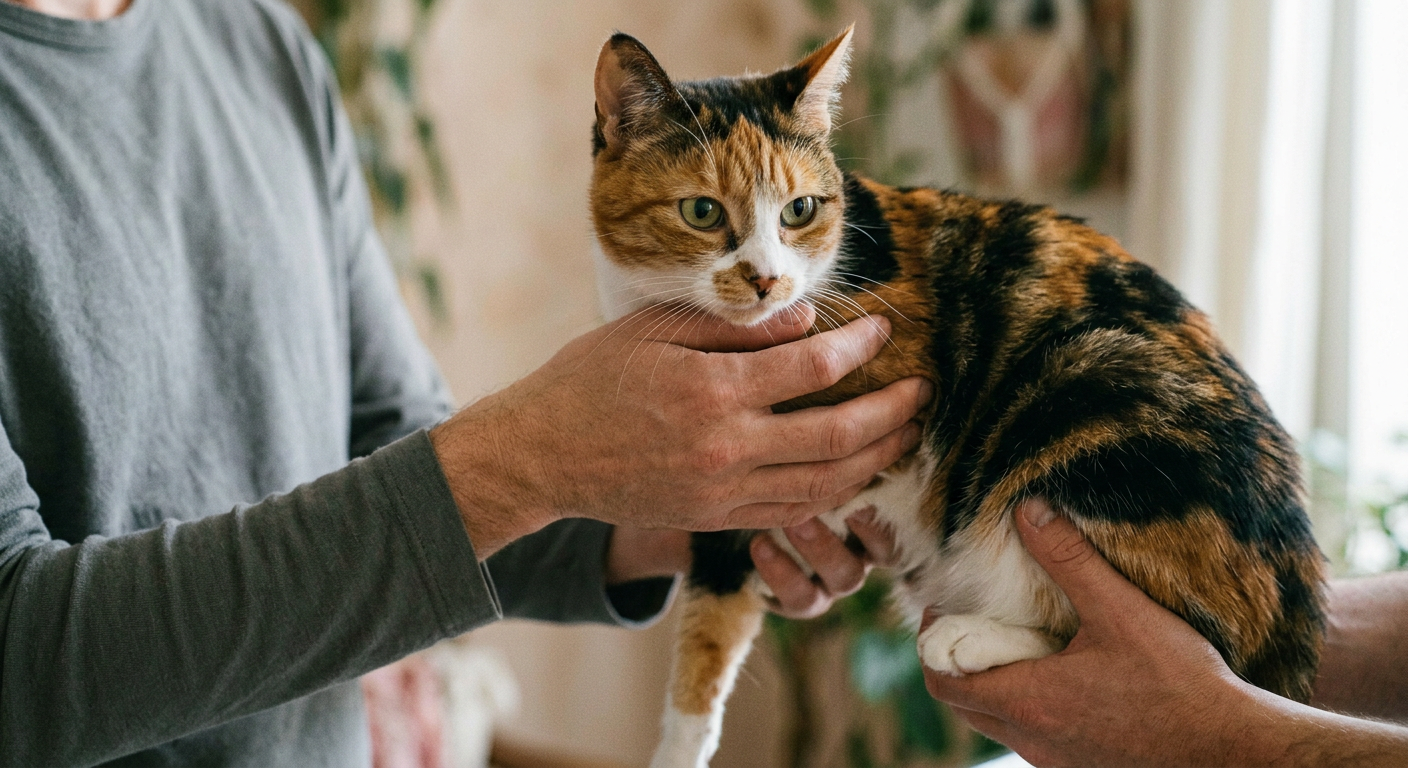
- Support the Chest: Place one hand under the front chest area, behind the front legs.
- Support the Rear: Simultaneously place your other hand under their hind legs and rump. Never let their back legs dangle.
- Bring Them Close: Gently pull the cat against your body. This provides a sense of "four-point" security, making them feel like they are resting against a solid surface rather than floating.
For owners in a multi-cat household, it is important to remember that each cat may have a different "preferred" way of being held. One might like being draped over a shoulder, while another prefers being held like a football against your side.
Building Trust Through Consent
Feline behaviorists often talk about "consent-based handling." This means looking for signs that your cat actually wants to be picked up before you reach for them. If a cat is tensing, they are essentially withdrawing their consent for that specific interaction.
Reading Body Language
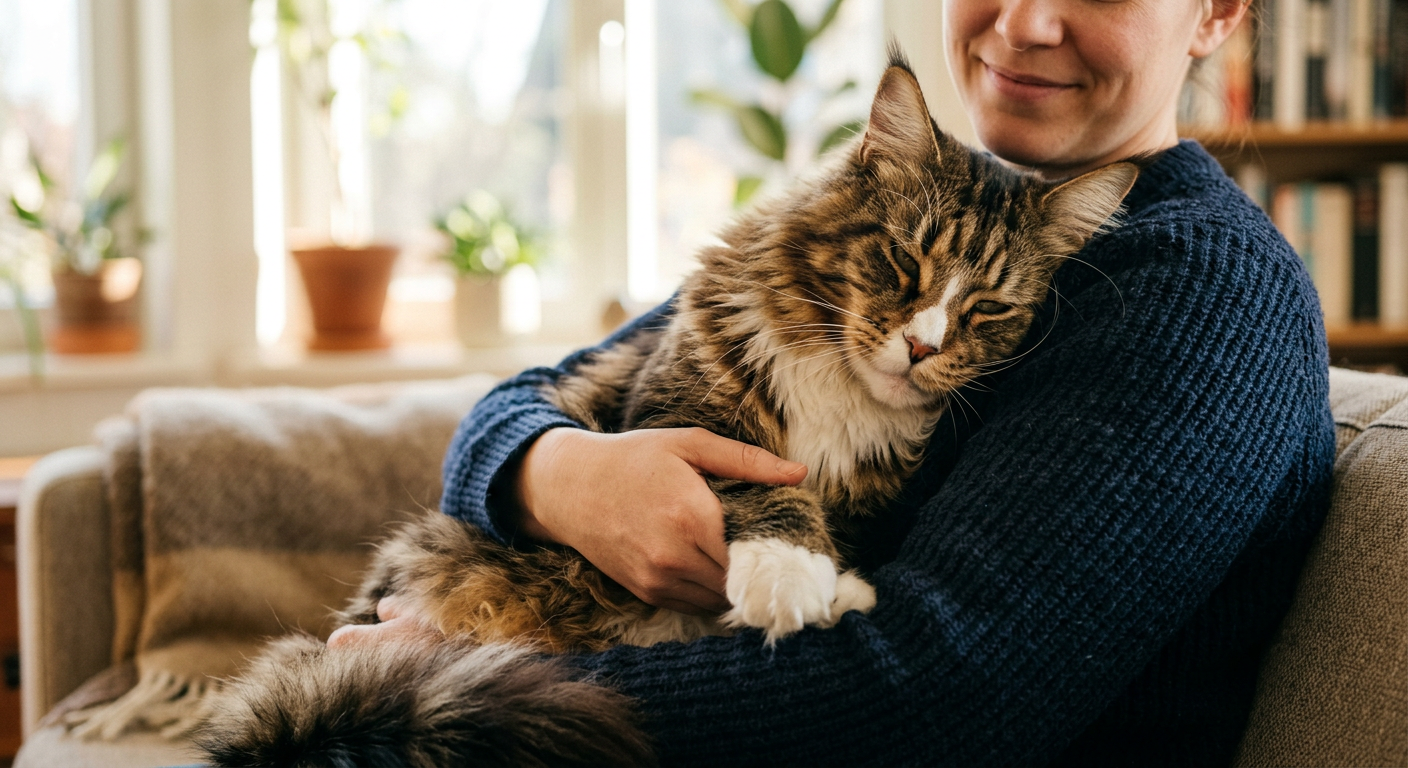
Before picking up your cat, look at their ears, tail, and whiskers. If the tail is twitching rapidly or the ears are slightly back, it is likely not the right time for a lift. Conversely, if the cat is rubbing against your legs and purring, they are much more likely to accept the interaction without tensing.
The "Five-Second" Rule
When you do pick your cat up, try keeping the interaction short. Hold them for just a few seconds, and then set them down gently *before* they start to struggle or tense. By ending the interaction on a positive note while they are still relaxed, you teach them that being held isn't a trap.
Training and Desensitization
Can you train a cat to stop tensing? In many cases, yes. Through positive reinforcement, you can help your cat associate being lifted with rewards. Start by simply placing your hands on their sides without lifting, then reward them with a favorite treat.
Gradually progress to lifting them just an inch off the ground, rewarding them, and putting them back down. Over time, the cat learns that being picked up is a predictable, rewarding experience. This is a great skill to practice alongside other basics like grooming habits and routine care.
Why Does My Cat Tense Up When Picked Up Summary
Ultimately, a cat tensing up is a sign that they feel a temporary loss of control or security. Whether it stems from their predatory instincts, a lack of rear-end support, or a simple preference for keeping their paws on the floor, it is a behavior that deserves respect. By adjusting your technique and paying close attention to their signals, you can help your cat feel safe and relaxed in your arms.
Every cat is an individual. While some may never become "lap cats" who love to be carried, most can learn to tolerate or even enjoy short periods of being held if they feel supported and safe. Focus on gentle movements, consistent rewards, and always listen to what your cat's body is telling you.