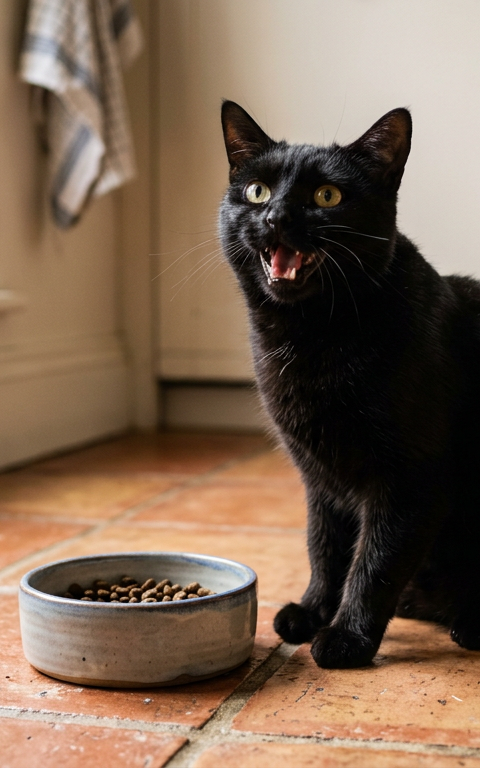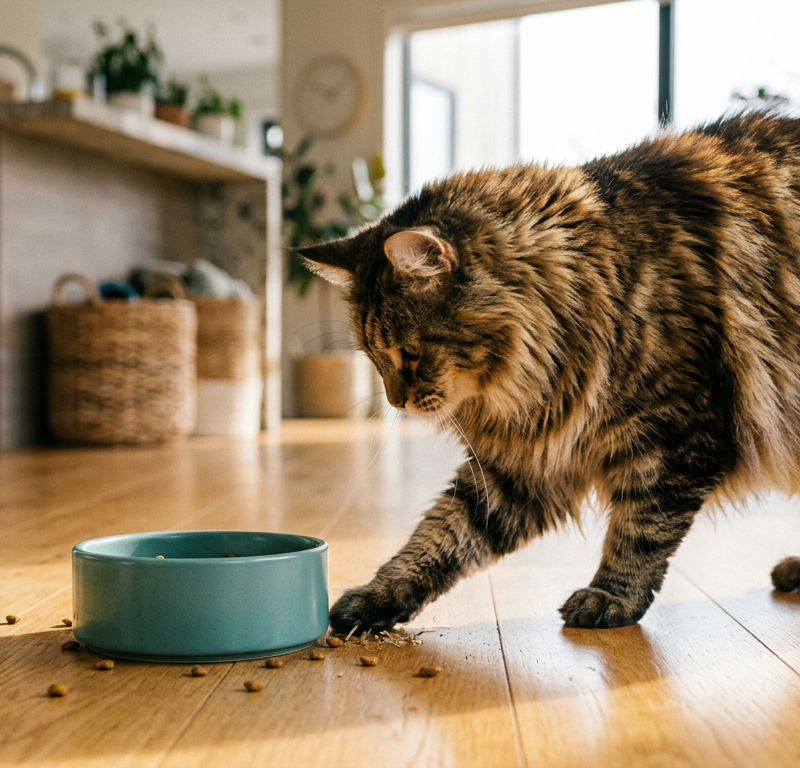
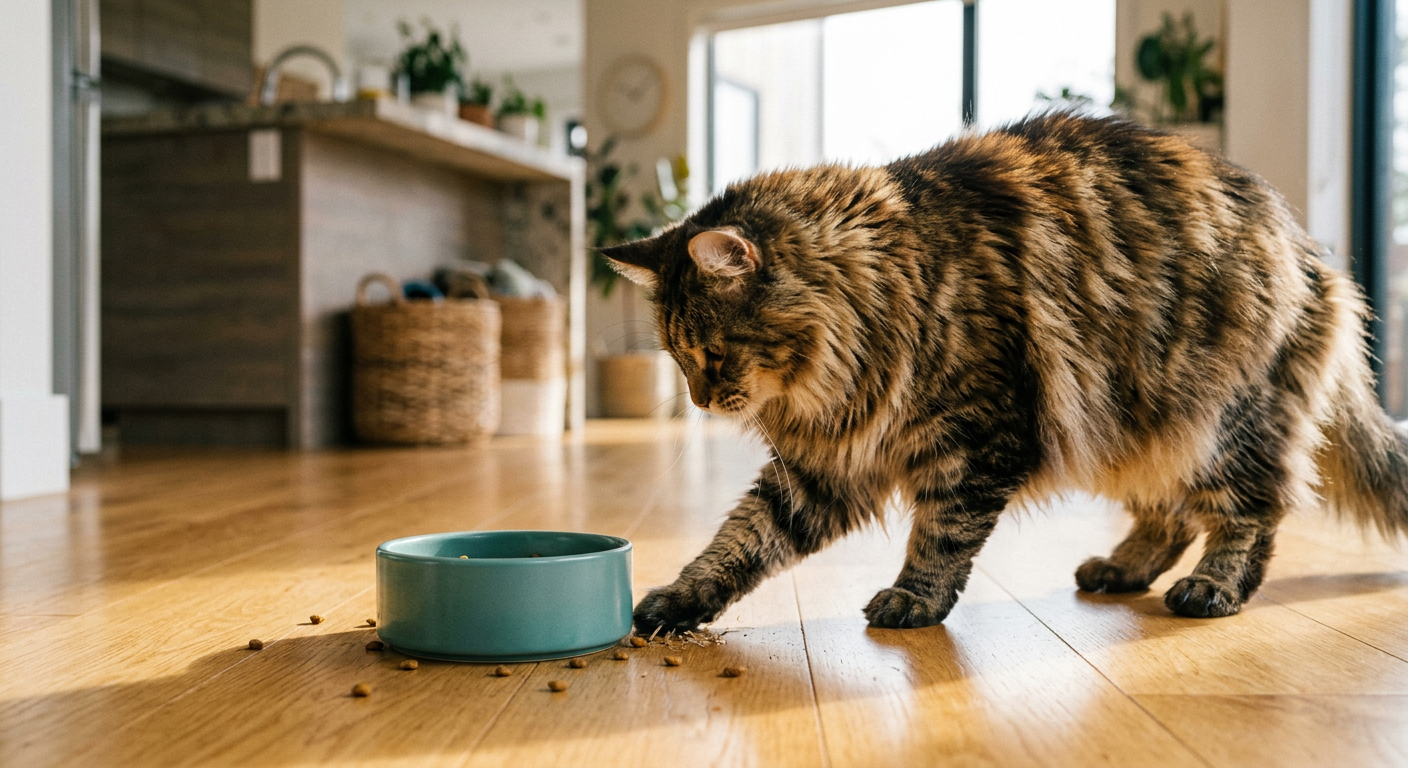
If you have ever finished filling your pet’s bowl only to see them immediately start pawing at the hardwood or tile, you might wonder why does my cat scratch the floor around its food. This curious behavior is actually very common among domestic felines and is rooted deeply in their wild ancestry. While it might look like they are trying to tell you the floor needs cleaning, the reasons are far more fascinating.
Most cat owners observe this "food burying" ritual at some point. It is a natural instinct that provides insight into how your cat perceives their environment and their resources. Understanding these behaviors is a great step toward better cat care essentials and building a stronger bond with your feline friend.
Understanding the Primal Instinct to Bury Food
In the wild, cats are both hunters and potential prey. When a wild cat catches a meal but cannot finish it all at once, they often attempt to hide the leftovers. This serves two main purposes: it prevents other predators from finding their location and keeps the "cache" safe for later consumption.
The Concept of Food Caching
Even though your living room is safe from lions and hyenas, your cat’s brain is still hard-wired for survival. When they scratch the floor around their bowl, they are performing a "caching" behavior. They are essentially trying to cover their food with dirt or leaves—even if there is only a solid floor beneath them.
Masking the Scent
Odors are the primary way animals track one another. By scratching at the area surrounding their meal, a cat attempts to mask the scent of the food. This proactive care helps them feel secure, as they believe they are making themselves invisible to other wandering animals that might be attracted to the smell of a fresh kill.
Communication Through Pheromones
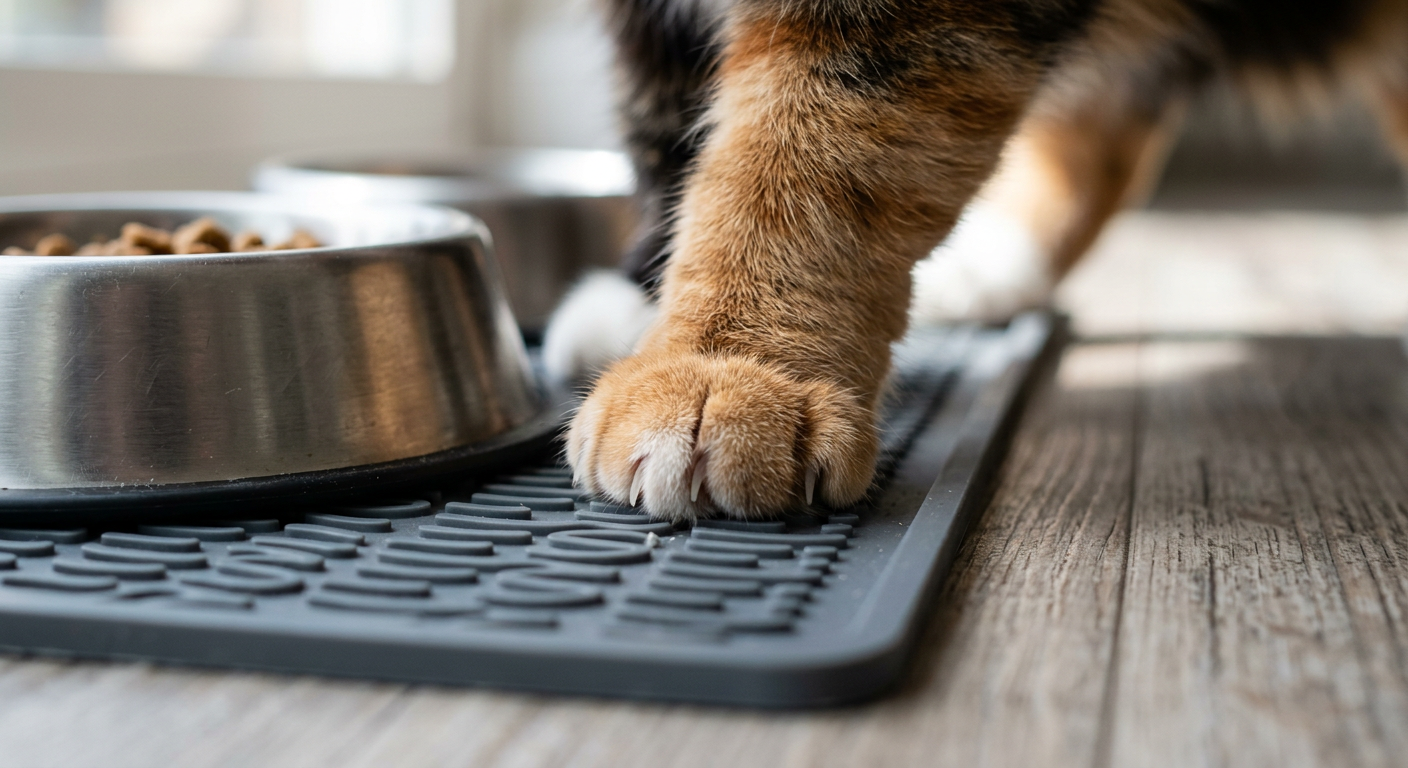
Beyond simply hiding a scent, the act of scratching actually leaves one behind. Cats have scent glands located in their paw pads. When they knead or scratch a surface, they are depositing pheromones that mark the territory as their own.
Marking Their Territory
By scratching near the food bowl, your cat is signaling to other pets in the house that this specific area belongs to them. If you live in a multi-cat household, you may notice this behavior occurring more frequently as cats establish their personal boundaries during mealtime.
Self-Soothing and Comfort
The repetitive motion of scratching can also be a comfort mechanism. Just as cats knead blankets when they are happy, the rhythmic pawing at the floor can help them feel grounded and settled while they eat. It is a sign that they are engaging with their environment in a way that feels natural and safe to them.
Does the Type of Food Matter
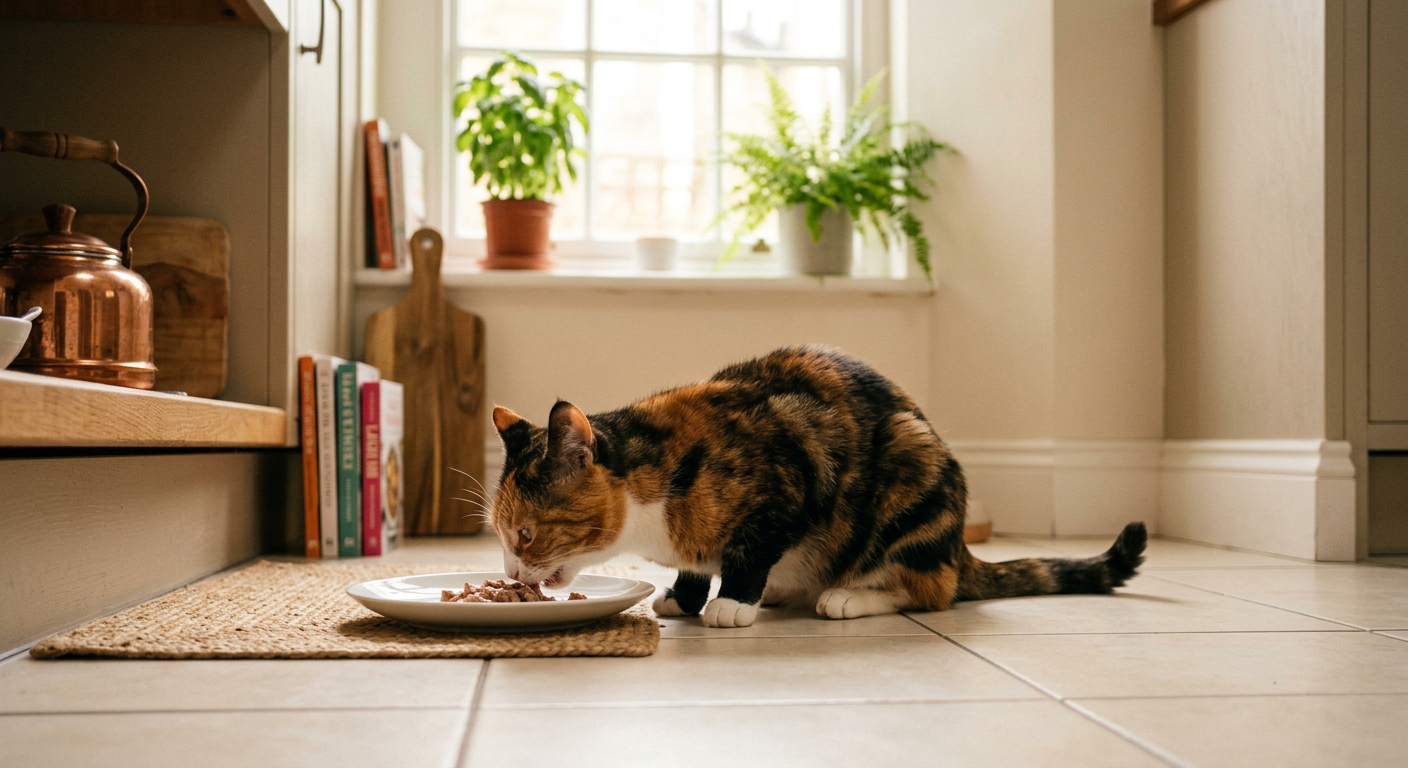
You might notice that your cat scratches more often when they eat wet food compared to dry kibble. This is usually because wet food has a much stronger aroma. The more pungent the scent, the more urgent the instinctual need to "bury" it becomes.
- Strong Smells: High-protein wet foods trigger the masking instinct more intensely.
- Leftovers: If a cat leaves half a meal, they are more likely to scratch to "save" it for later.
- Unfamiliarity: Sometimes, scratching occurs if a cat is unsure about a new brand of food, treating it as something that needs to be hidden.
Wellness Considerations and Bowl Placement
While floor scratching is usually a harmless instinct, sometimes it can be a sign that your cat isn't entirely comfortable with their feeding station. If the scratching seems frantic or obsessive, it might be worth evaluating the setup of their dining area.
Whisker Fatigue
If a bowl is too deep or narrow, a cat’s sensitive whiskers may touch the sides, causing discomfort known as whisker fatigue. If they scratch the floor instead of eating comfortably, try switching to a wide, shallow plate. This small change in hardware can make a significant difference in their mealtime enjoyment.
Location and Privacy
Cats prefer to eat in areas where they don't feel vulnerable. If the food bowl is in a high-traffic area, like a busy hallway, they may feel the need to "hide" their food more urgently. Moving the bowl to a quiet corner where they can see the rest of the room often reduces the intensity of the scratching behavior.
How to Manage Excessive Scratching
If you are worried about your floors getting scuffed or the noise is becoming a bit much, there are several ways to manage this behavior without discouraging your cat’s natural instincts. Remember, you should never punish a cat for scratching, as they are simply following their biological programming.
One of the easiest solutions is to place a large, durable silicone mat under the food bowls. This protects your flooring and provides a different texture for the cat to interact with. Often, once they feel they have "moved" the mat slightly, the instinctual urge is satisfied.
If you notice your cat is scratching because they are consistently leaving food behind, you might try feeding smaller, more frequent meals. This prevents leftovers from sitting out and smelling, which reduces the need for your cat to bury the remains. For owners curious about how their pet's needs change over time, using tools like the British Shorthair age calculator can help you tailor their nutrition and portions to their specific life stage.
When to Consult a Veterinarian
In the vast majority of cases, floor scratching is a perfectly healthy and normal feline quirk. However, if the behavior is accompanied by a sudden loss of appetite, vocalizing in pain while eating, or excessive pacing, it is always best to consult a veterinarian. They can ensure that there aren't underlying dental issues or digestive wellness considerations causing your pet distress.
Conclusion
So, why does my cat scratch the floor around its food? In short, it is a beautiful blend of ancient survival instincts, territorial marking, and environmental interaction. By recognizing that your cat is simply trying to keep their "camp" clean and safe, you can appreciate this little window into their wild origins. Whether they are marking their spot or saving a snack for later, it is just one of the many ways our cats keep us entertained and curious about their unique personalities.