Welcoming a cat into your home is a joyous occasion that transforms your daily life into a journey of companionship and discovery. Understanding the core cat care essentials is the first step toward building a thriving relationship with your feline friend. Whether you are a first-time owner or a seasoned cat lover, providing a high-quality environment ensures your pet remains happy and healthy for years to come.
Every cat is a unique individual with specific emotional and physical requirements. From the type of food they eat to the way they interact with their environment, your proactive care makes a world of difference. This guide will walk you through the primary pillars of feline wellness, helping you create a sanctuary that caters to their natural instincts and domestic needs.
Creating a Safe and Welcoming Living Space
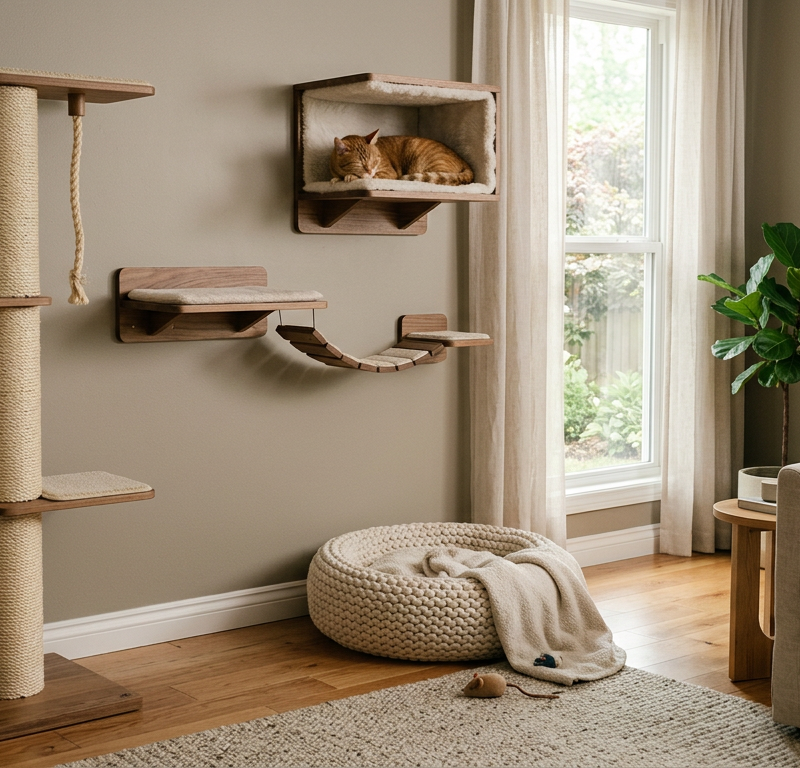
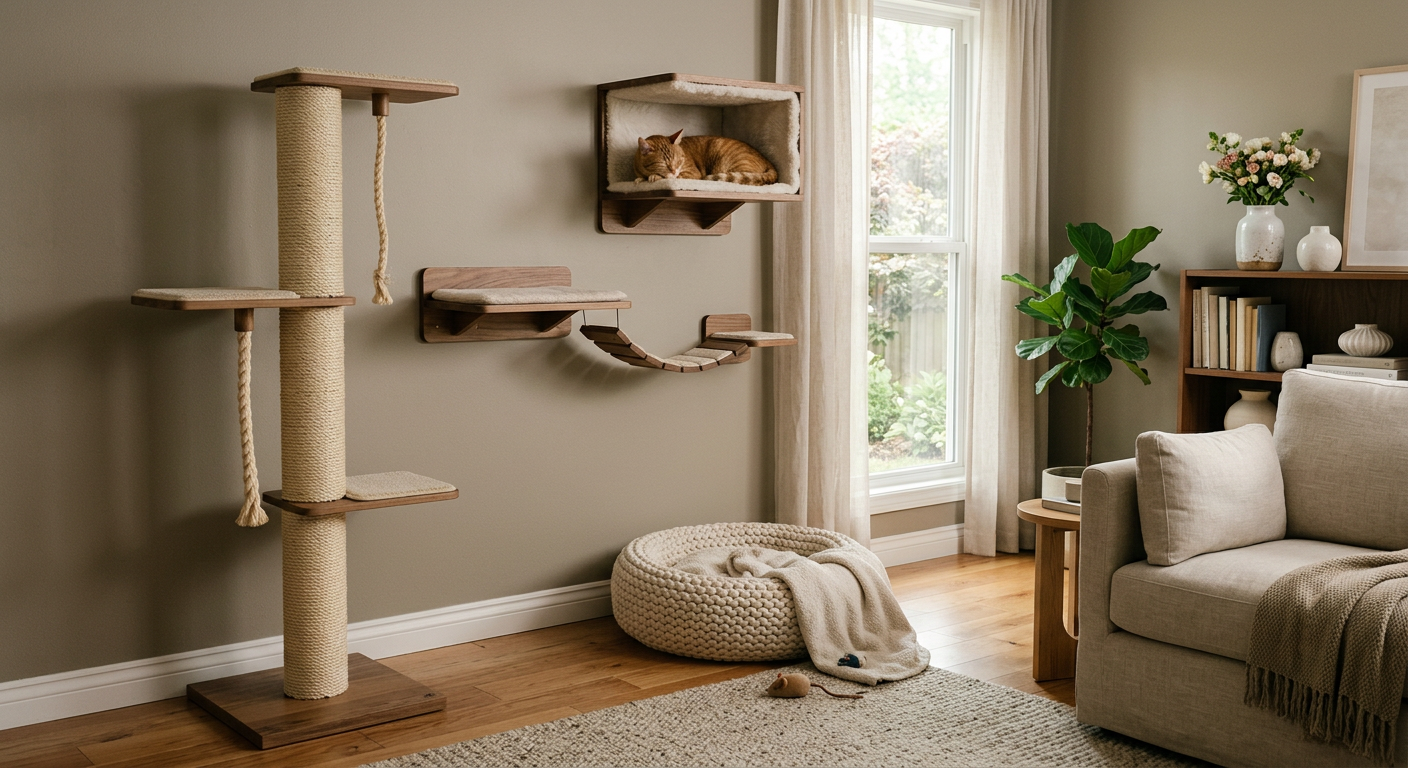
Before bringing your new companion home, it is vital to prepare your living space to accommodate their curious nature. Cats are territorial animals that seek security and comfort in their surroundings. Providing vertical spaces, such as cat trees or wall-mounted shelves, allows them to observe their kingdom from a safe vantage point.
Privacy is equally important for feline well-being. Cats often appreciate quiet "hidey-holes" where they can retreat when they need a nap or feel overwhelmed by household activity. Ensuring these spaces are tucked away in low-traffic areas helps your pet feel more in control of their environment.
Safety Checklist for Indoor Environments
Cat-proofing your home is a fundamental part of the cat care essentials checklist. This involves securing loose wires, removing toxic plants like lilies or philodendrons, and ensuring small objects are kept out of reach. Check that window screens are secure, as cats are often tempted by the sight of birds and insects outside.
Consider the temperature and lighting of your home as well. Cats love to bask in sunbeams, so keeping some blinds open during the day provides them with natural enrichment. Conversely, ensure they have access to cool areas during the summer months to maintain their body temperature effectively.
Nutrition: Fueling Your Cat for Longevity
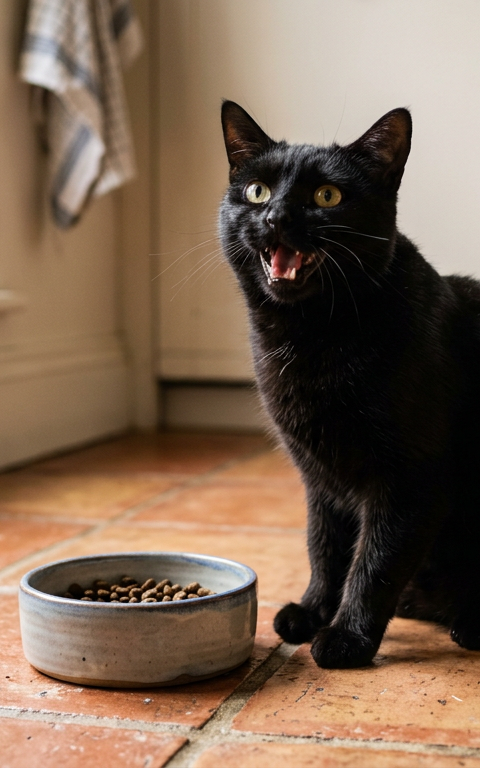
Proper nutrition is the cornerstone of proactive feline health. Unlike humans or dogs, cats are obligate carnivores, meaning their bodies are designed to process animal-based proteins and fats. Choosing a high-quality, balanced diet that is appropriate for their life stage—kitten, adult, or senior—is a key responsibility for any owner.
Hydration is another critical component of feline nutrition. Many cats have a low thirst drive because their wild ancestors obtained most of their moisture from prey. To encourage drinking, many owners use water fountains, as cats are often more attracted to moving water than still water in a bowl.
Wet vs. Dry Food Considerations
Many veterinarians suggest a mix of wet and dry food to provide a balance of texture and moisture. Wet food helps keep your cat hydrated and can be beneficial for urinary tract health. Meanwhile, dry kibble can be convenient and may help with dental health through mechanical scraping of the teeth.
If you are unsure which diet is best for your specific pet, you can compare breeds to see if certain lineages have unique dietary sensitivities. Always monitor your cat’s weight and adjust portions as needed to prevent obesity, which can lead to various wellness considerations later in life.
The Importance of Enrichment and Mental Stimulation
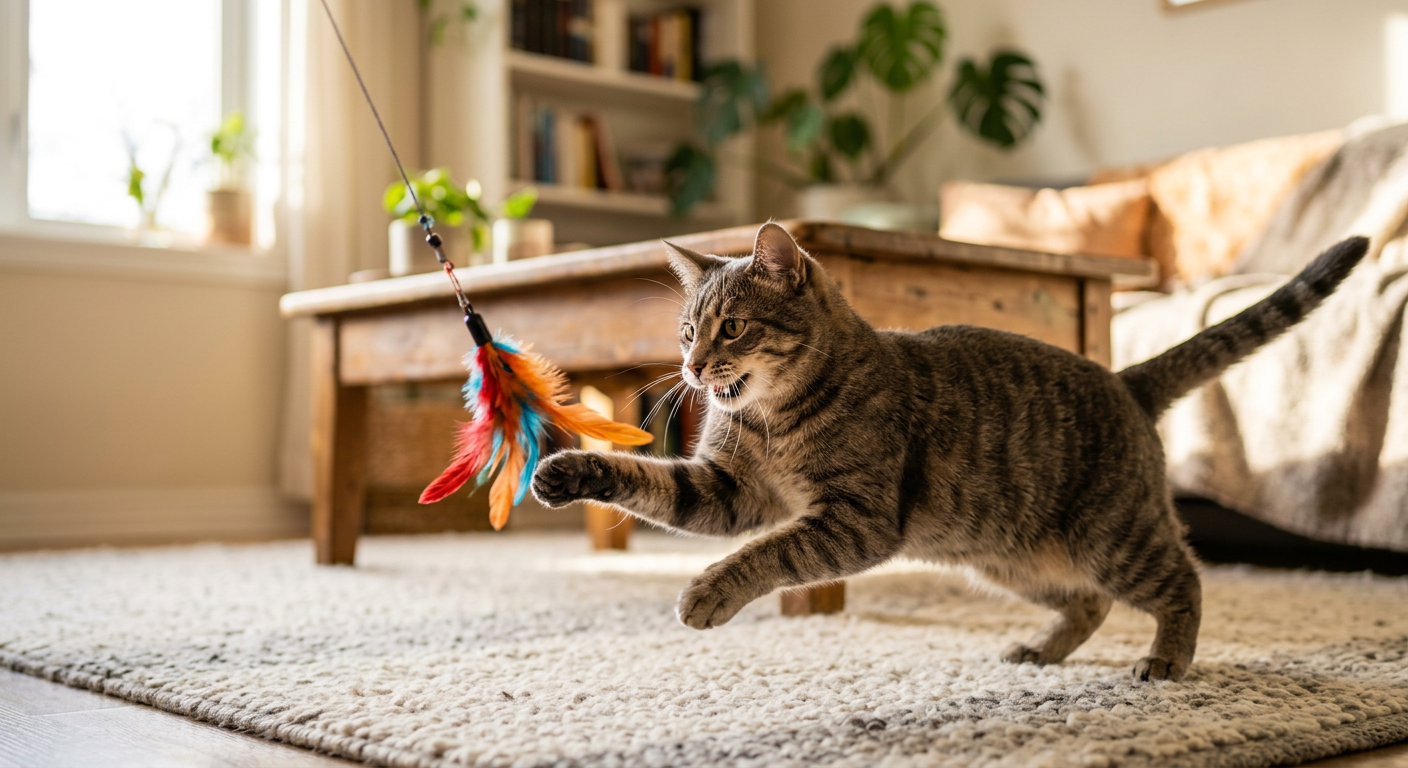
A happy cat is a stimulated cat. Domestic felines retain much of their wild ancestors' hunting instincts, and without an outlet for these behaviors, they may become bored or lethargic. Incorporating play into your daily routine is one of the most effective cat care essentials for bonding.
Interactive toys, such as feather wands and laser pointers, mimic the movement of prey and encourage aerobic exercise. Food puzzles and treat-dispensing toys are also excellent for mental engagement, requiring your cat to "work" for their food as they would in nature.
Bonding Through Play
Scheduling just 15 to 20 minutes of dedicated playtime each day can significantly improve your cat's mood. This interaction reduces stress and helps prevent behavioral issues that often stem from pent-up energy. It also strengthens the trust between you and your pet.
In addition to active play, environmental enrichment should include scratching surfaces. Cats scratch to mark their territory, stretch their muscles, and shed their claw sheaths. Providing both vertical and horizontal scratching posts made of sisal or cardboard will help protect your furniture while satisfying this natural urge.
Health and Preventative Wellness
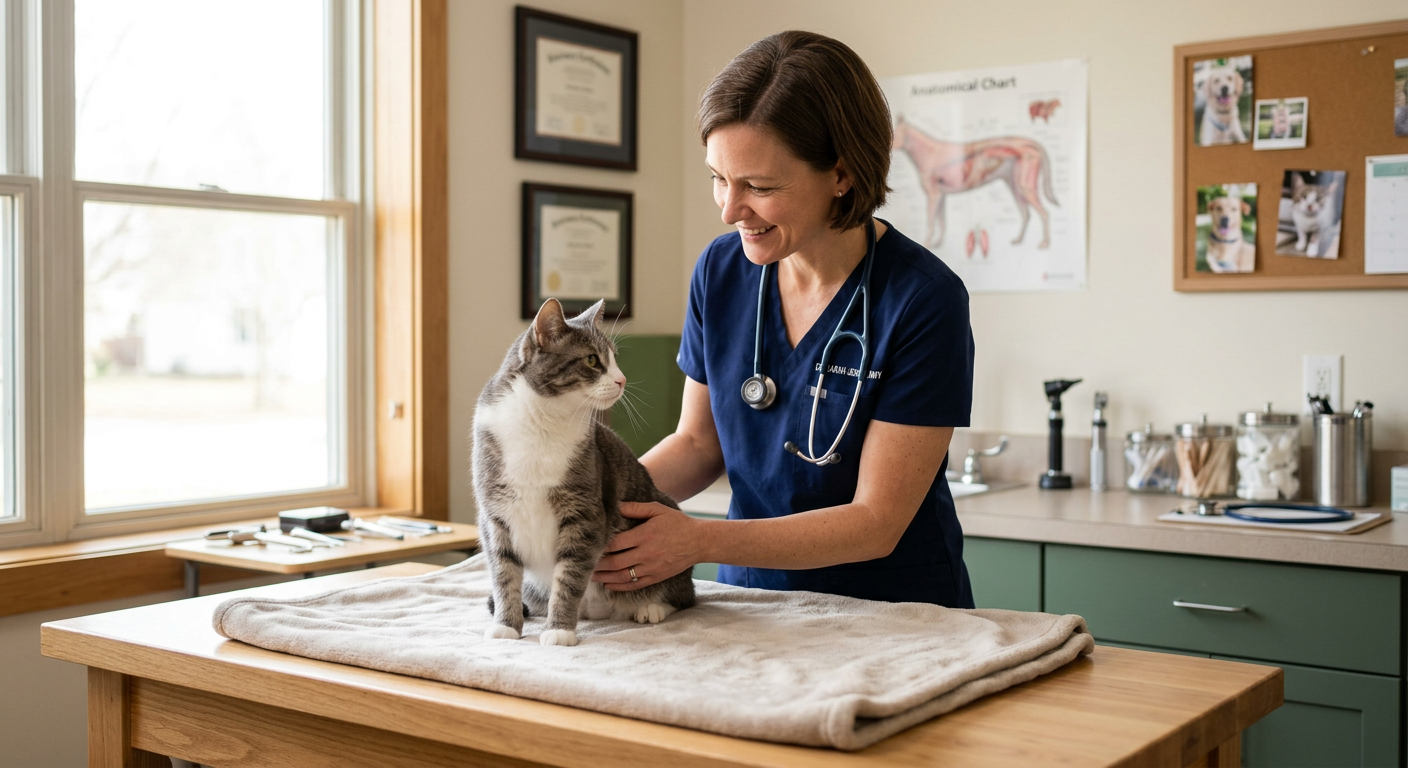
Routine veterinary check-ups are essential for maintaining your cat’s long-term health. Because cats are masters at hiding discomfort, professional exams can help identify potential issues before they become serious. Regular vaccinations, parasite prevention, and dental cleanings are all part of a proactive care plan.
Understanding your cat’s biological age can also help you tailor their care as they grow. You might find it useful to check an age calculator to see how your pet’s life stages compare to human years. This knowledge helps in adjusting their diet and activity levels as they enter their senior years.
Grooming and Hygiene
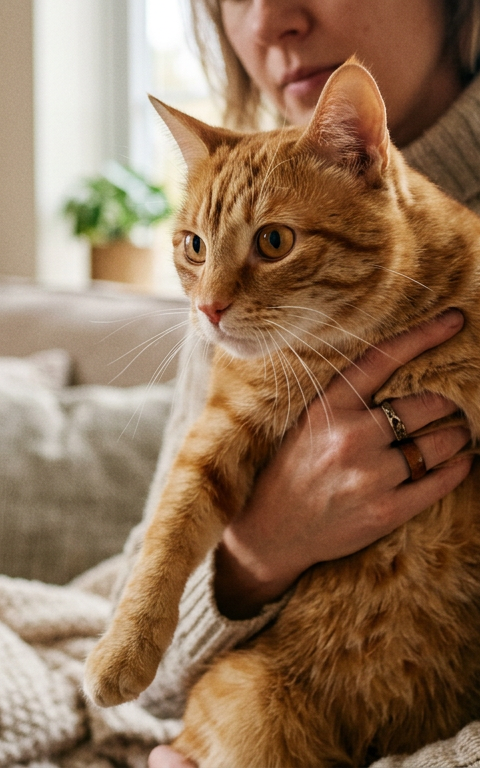
While cats are famous for self-grooming, they still benefit from your assistance. Regular brushing helps reduce shedding and limits the formation of hairballs. It also provides an opportunity for you to check for any unusual lumps, bumps, or skin irritations that might require a visit to the veterinarian.
Nail trimming is another task to include in your grooming routine. Keeping claws at a manageable length prevents them from getting snagged on carpets or upholstery. If you start this process when they are young, most cats will learn to tolerate or even enjoy the extra attention during grooming sessions.
The Litter Box Environment
Litter box management is one of the most practical cat care essentials to master. A clean litter box is vital for a cat's comfort and prevents them from seeking alternative places to relieve themselves. The general rule is to have one box per cat, plus one extra, distributed in different locations around the home.
The type of litter you choose can also impact your cat's usage. Most cats prefer unscented, fine-grained clumping litter as it feels more natural under their paws. Be sure to scoop the box at least once a day and perform a deep clean with mild soap and water every few weeks.
Conclusion: A Lifelong Commitment to Comfort
Providing the cat care essentials listed above creates a foundation for a beautiful life with your pet. From the food they eat to the toys they chase, every decision you make contributes to their overall wellness. By staying observant and proactive, you ensure that your feline friend feels safe, loved, and physically fit.
Remember that every cat is different, and what works for one may not work for another. Be patient as you learn your cat’s preferences and personality. With a little effort and a lot of love, you will be rewarded with the unique and magical companionship that only a cat can provide. Always consult with your veterinarian to tailor these essentials to your specific cat's needs.