Maintaining a regular grooming routine is one of the most rewarding ways to bond with your feline companion. While cats are famously fastidious about their own hygiene, having the right cat grooming essentials on hand allows you to support their wellness and keep their coat in peak condition. Grooming is more than just aesthetics; it is a proactive way to monitor your cat's skin health and overall comfort.
Every cat, from the sleekest shorthair to the fluffiest longhair, benefit from specific tools and techniques tailored to their unique coat type. By introducing these practices early and keeping the experience positive, you create a soothing ritual that both you and your cat can look forward to. Let's explore the fundamental tools and habits that make up a comprehensive grooming kit.
The Foundations of Coat Maintenance
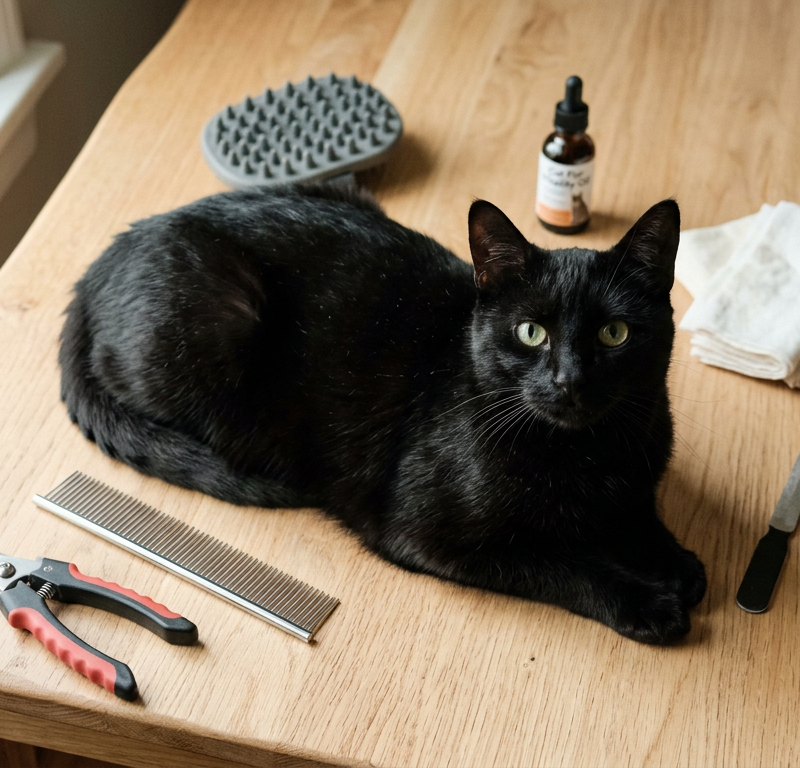
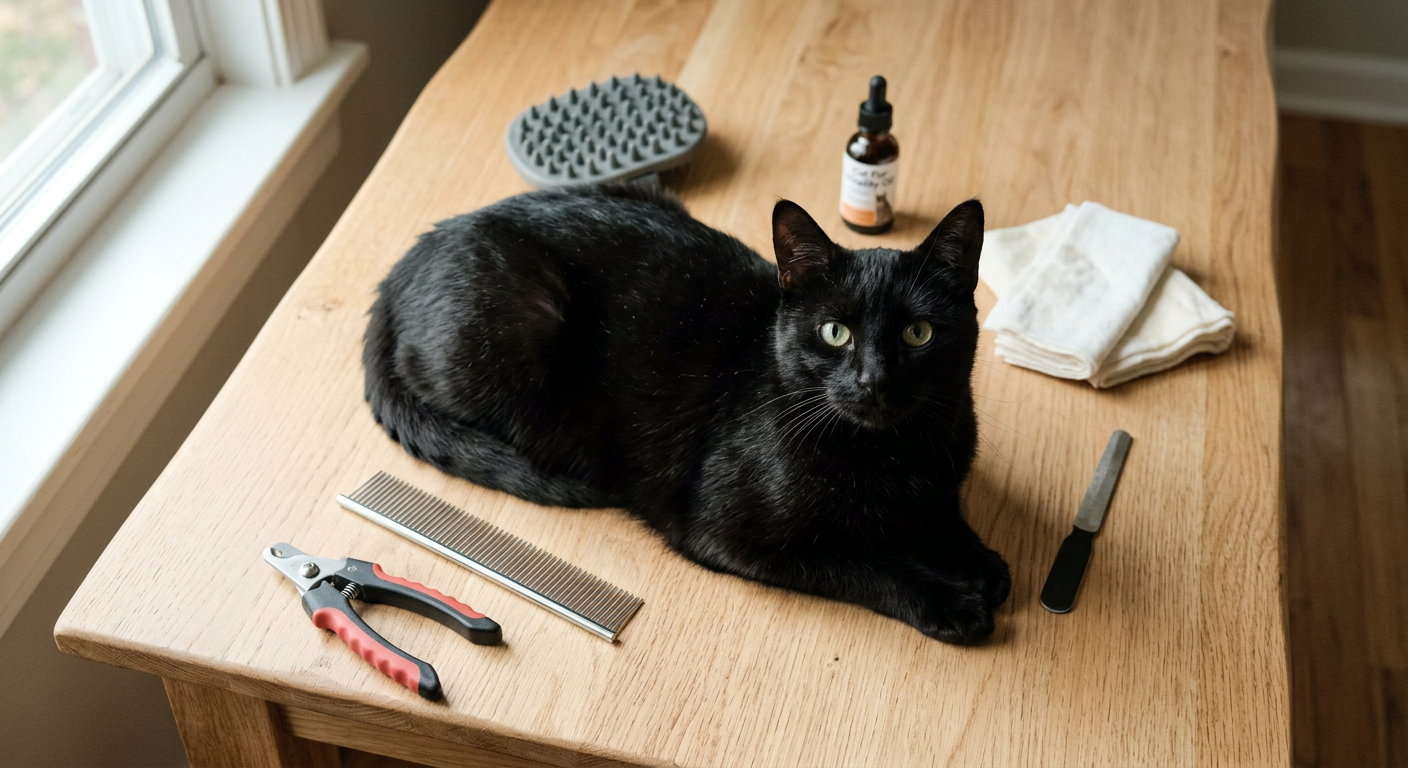
The core of any grooming routine is effective brushing. Brushing helps remove loose fur before it ends up on your furniture or, more importantly, in your cat's stomach as hairballs. Depending on your cat's breed, you might need a combination of tools to reach both the topcoat and the soft undercoat.
For cats with shorter hair, a rubber curry brush or a fine-toothed slicker brush works wonders. These tools gently massage the skin while pulling away dead hair. If you have a long-haired breed like a Maine Coon, you will likely need a stainless steel comb and an undercoat rake to prevent painful mats from forming.
Brushing by Coat Type
- Shorthair: Use a soft bristle brush or rubber mitt once or twice a week to maintain shine.
- Medium hair: A slicker brush helps remove tangles every few days.
- Longhair: Daily combing is often necessary to stay ahead of knots and debris.
- Shedding seasons: During spring and fall, increase brushing frequency for all coat types.
Nail Care and Safety
Trimming your cat's nails is an essential part of indoor cat care. Overgrown nails can get caught in carpets or upholstery, and in some cases, they can even grow back into the paw pad. High-quality feline nail clippers—either the scissor type or the guillotine style—are vital cat grooming essentials for every household.
The key to successful nail trimming is patience. Start by gently massaging your cat's paws when they are relaxed to get them used to the sensation. When it comes time to clip, only take off the sharp white tip, being careful to avoid the "quick," which is the pink part of the nail containing blood vessels and nerves.
If you are new to this process, you might find it helpful to read more about general cat care essentials to see how grooming fits into a broader wellness plan. Remember, if your cat becomes stressed, it is perfectly fine to trim just one or two nails a day rather than trying to do them all at once.
Ear and Eye Wellness
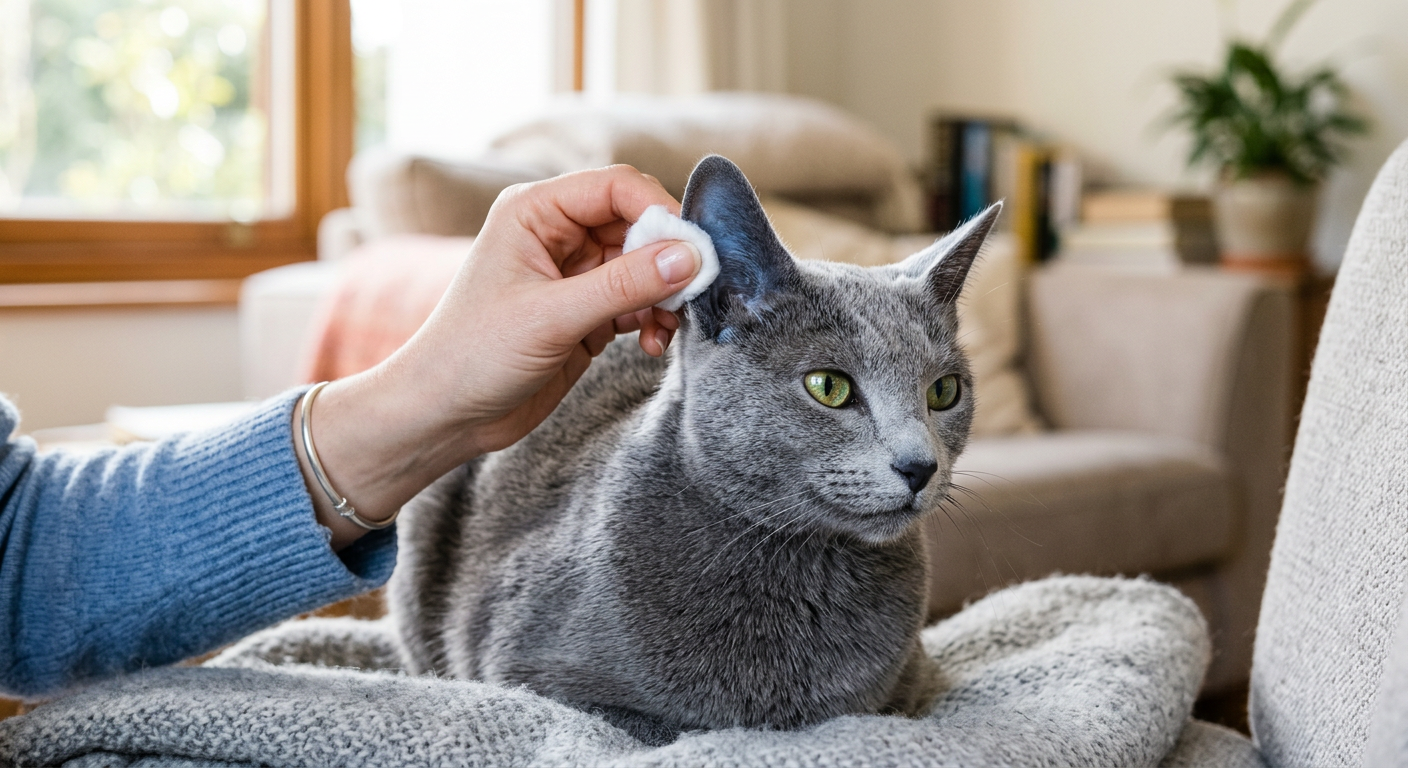
While the coat gets the most attention, a cat's ears and eyes also require regular check-ins. Healthy ears should be pale pink, odorless, and free of significant wax buildup. You can use a damp cotton ball to gently wipe the outer part of the ear if you notice minor dirt, but never insert anything into the ear canal.
Eye care is usually quite simple. Some breeds, particularly those with flatter faces, may experience tear staining. A soft, damp cloth can used to gently wipe away any discharge from the corners of the eyes. This not only keeps them looking tidy but also prevents skin irritation from moisture.
Dental Hygiene for Feline Health
Dental care is an often overlooked but critical component of a grooming routine. Just like humans, cats can develop plaque and tartar that lead to periodontal concerns. Specialized cat toothbrushes and feline-safe toothpaste (never use human toothpaste) are the gold standard for oral care.
If your cat is resistant to brushing, there are other options like dental treats, water additives, or oral gels. Regular dental check-ups with your veterinarian remain the best way to ensure their mouth stays healthy as they age. Proactive dental care can significantly impact a cat's comfort and quality of life in their senior years.
Bathing and Specialized Care
Most healthy cats rarely need a full bath because they spend a significant portion of their day self-grooming. However, there are times when a bath becomes necessary, such as if they get into something sticky or if they have a skin condition that requires medicated shampoo. In these cases, it helps to have a gentle, soap-free cat shampoo ready.
When bathing a cat, use lukewarm water and ensure the environment is calm and warm. Make sure to rinse thoroughly, as any leftover soap can irritate their skin once they dry. For cats who find water stressful, waterless foam shampoos or grooming wipes can serve as a great alternative for "spot cleaning" or refreshing the coat.
Building a Positive Association
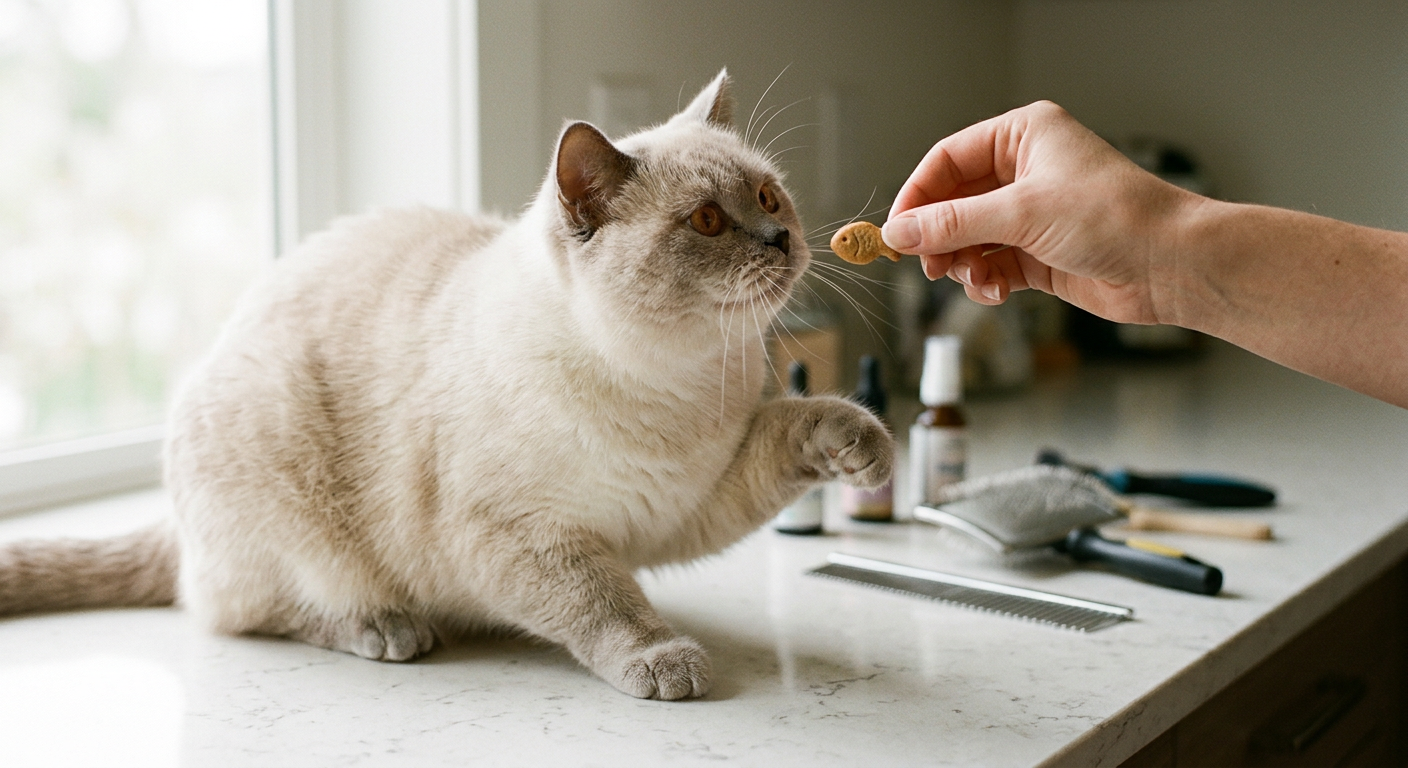
- Choose a time when your cat is naturally calm or sleepy.
- Keep grooming sessions short, starting with just 2-5 minutes.
- Offer high-value treats during and after grooming.
- Watch for signs of overstimulation, such as tail twitching or flattened ears.
Environmental Maintenance
Grooming doesn't just happen on the cat; it also involves their environment. Keeping their resting areas clean helps keep their coat clean. This is closely related to other household habits like litter box maintenance, which helps prevent tracking and keeps their paws tidy.
Regularly washing your cat’s bedding and vacuuming their favorite lounge spots reduces the amount of dust and loose fur that can settle back into their fur. This holistic approach ensures that your hard work during grooming sessions lasts much longer.
Summary of Grooming Best Practices
Consistency is the secret to successful grooming. When you make these tasks a regular part of your week, they become a standard expectation for your pet. This reduces stress for both of you and allows you to catch any changes in their skin or coat early, which is a vital part of proactive health management.
Gathering your cat grooming essentials is the first step toward a happier, healthier pet. Whether it is the perfect brush, a reliable pair of clippers, or just a soft cloth for eye cleaning, these tools help you provide the best possible care. Always consult your veterinarian if you notice unusual lumps, persistent skin redness, or if your cat’s grooming habits suddenly change.