Welcoming a new feline friend into your home is an exciting journey, and establishing a consistent routine for litter box training and maintenance is the foundation of a happy household. While cats are naturally inclined to bury their waste, providing the right environment ensures they feel secure and comfortable using their designated spot. A well-managed litter area prevents common behavioral issues and keeps your living space smelling fresh and clean.
Successful litter box training and maintenance involves more than just buying a tray and a bag of clay. It requires understanding feline instincts, choosing the right location, and committing to a schedule that prioritizes your pet's hygiene. By following a few proactive steps, you can ensure your cat remains consistent with their habits throughout their life. If you are also curious about other aspects of feline wellness, check out our guide on Cat Care Essentials for a holistic approach to pet parenting.
The Basics of Feline Instincts
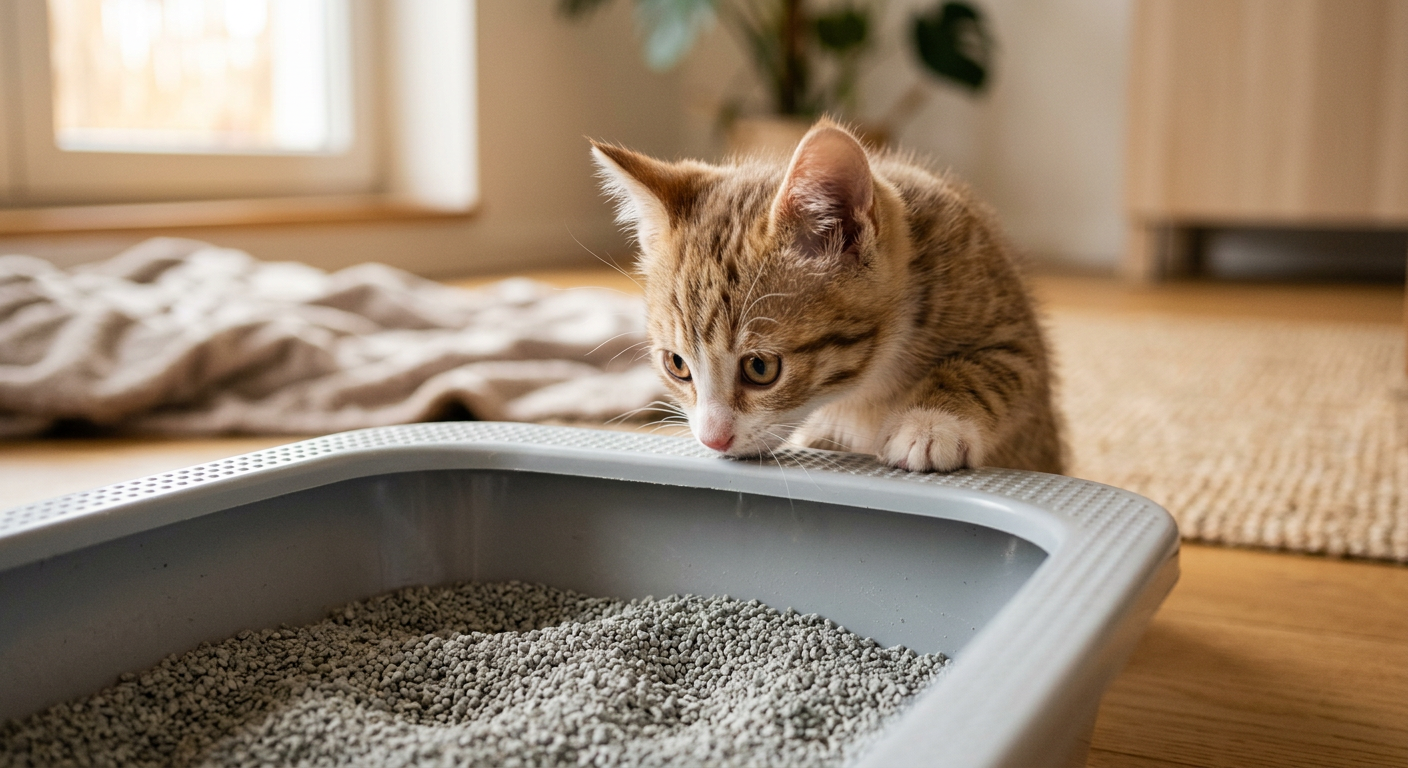
Most cats arrive in their new homes with a basic understanding of how to use a litter box. Kittens often learn by observing their mothers, while adult cats have a biological drive to conceal their scent from potential predators. When you begin litter box training and maintenance, you are essentially tapping into these deeply ingrained behaviors.
If you have recently adopted a specific breed, such as a large Maine Coon, you may need to adjust your equipment to match their size. You can use our Maine Coon age calculator to see how quickly your kitten is growing, which helps you determine when it is time to upgrade to a larger litter pan.
Choosing the Right Supplies
The foundation of effective litter box training and maintenance starts with the gear. Not all litter boxes are created equal, and your cat likely has a preference for specific textures and styles. Small kittens may struggle with high-walled boxes, while senior cats might need low-entry options to accommodate stiff joints.
Types of Litter Boxes
Open pans are generally preferred by most cats because they allow for a clear line of sight. This helps the cat feel safe from "ambushes" by other pets. Covered boxes can help contain odors and tracking, but some cats find them too small or poorly ventilated. If you choose a covered box, ensure it is large enough for your cat to stand up and turn around completely.
Selecting the Ideal Litter
Litter variety is vast, ranging from traditional clay and silica crystals to eco-friendly options like pine, corn, or recycled paper. For initial litter box training and maintenance, many experts suggest starting with unscented clumping clay. It provides a soft texture underfoot and makes waste removal simple. Avoid heavily scented litters, as a cat’s sense of smell is significantly more sensitive than our own.
Strategic Placement for Success
Location is everything when it comes to successful litter box training and maintenance. Cats prefer quiet, low-traffic areas where they won't be interrupted. However, the box should not be so tucked away that it becomes difficult for the cat to access quickly, especially for young kittens or elderly cats.
Privacy and Accessibility
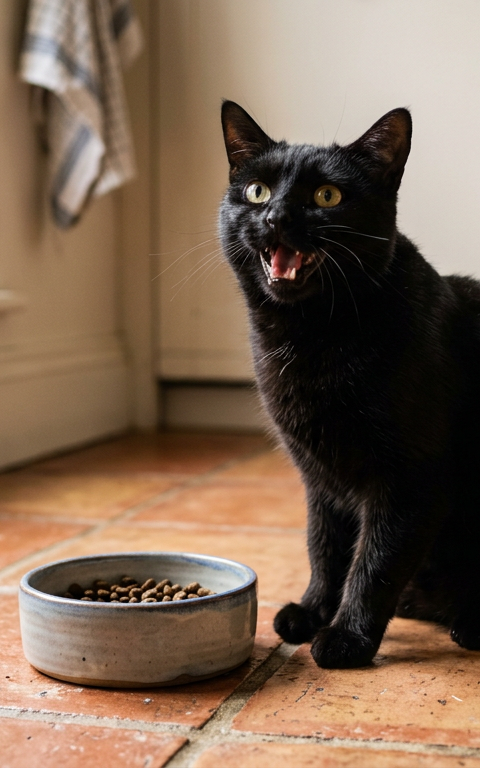
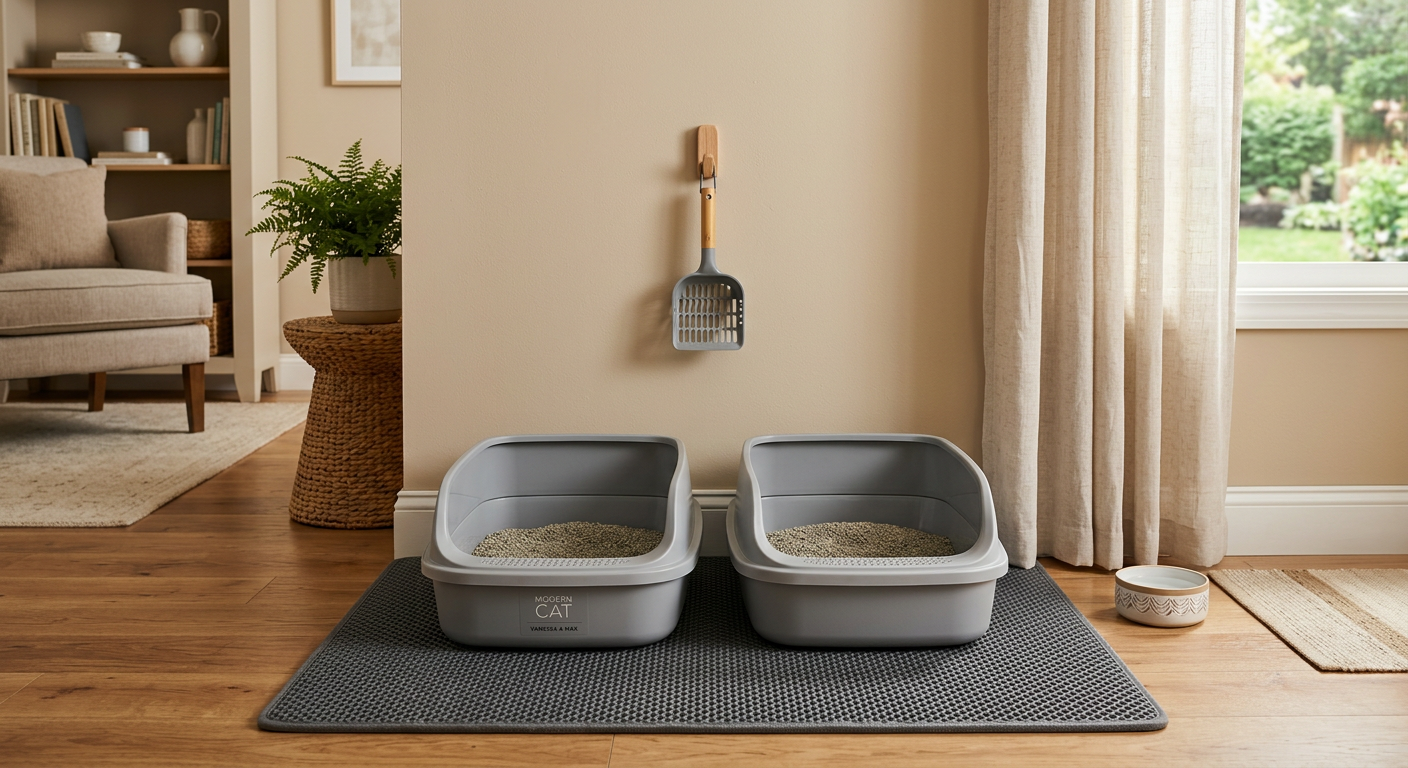
Avoid placing the litter box near loud appliances like washing machines or furnaces, as sudden noises can startle a cat and create a negative association with the spot. Ideally, keep the box away from their food and water bowls. In the wild, cats naturally eliminate away from their eating areas to maintain hygiene.
The "One Plus One" Rule
A common mistake in litter box training and maintenance is not providing enough boxes. The gold standard is to have one box per cat, plus one extra. If you have a multi-story home, ensure there is at least one box on every level. This minimizes the distance your cat has to travel and reduces the risk of accidents caused by being unable to reach a box in time.
Step by Step Training Process
Even though cats are instinctual, they still benefit from a gentle introduction to their new facilities. This is particularly true for kittens or cats transitioning from an outdoor lifestyle to an indoor one. Consistency during this phase is the key to lifelong success.
Introducing the Box
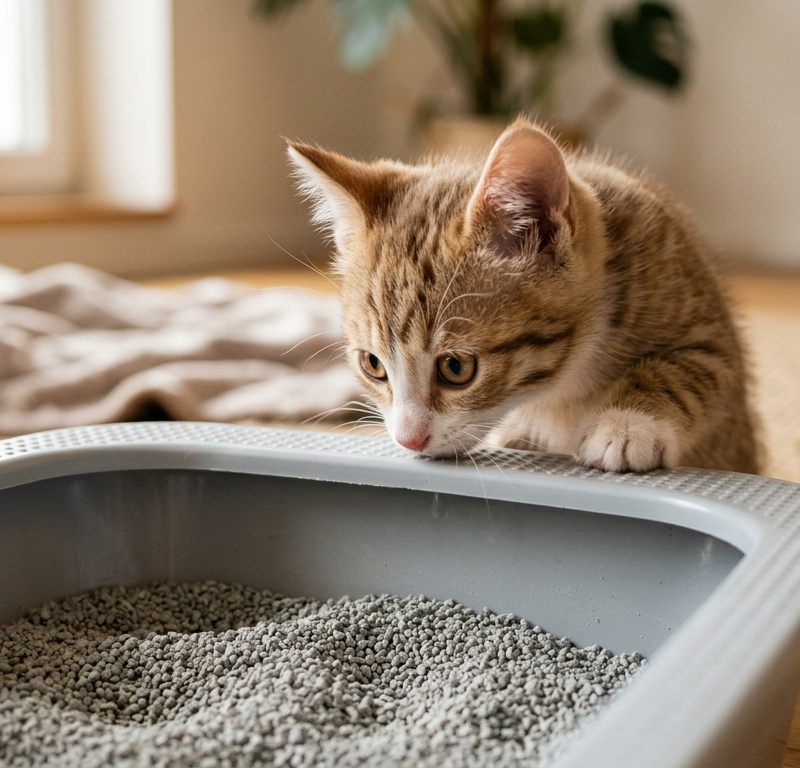
As soon as you bring your cat home, show them where the litter box is located. Gently place them in the box and let them sniff and investigate. You can also gently mimic a digging motion with your fingers in the litter to show them the texture. After meals or naps, which are typical times for elimination, place your cat back in the box to encourage use.
Positive Reinforcement
Never scold or punish a cat for an accident outside the box. This creates anxiety and can make the problem worse. Instead, focus on rewarding successful use with soft praise or a small treat. Proactive litter box training and maintenance is about building trust and making the experience as stress-free as possible for your feline companion.
Routine Maintenance and Hygiene
The "maintenance" part of litter box training and maintenance is arguably the most important for long-term success. Cats are incredibly fastidious animals. If a box is dirty, they may seek out alternative, cleaner locations—like your rug or laundry basket—to do their business.
Daily Scooping and Cleaning
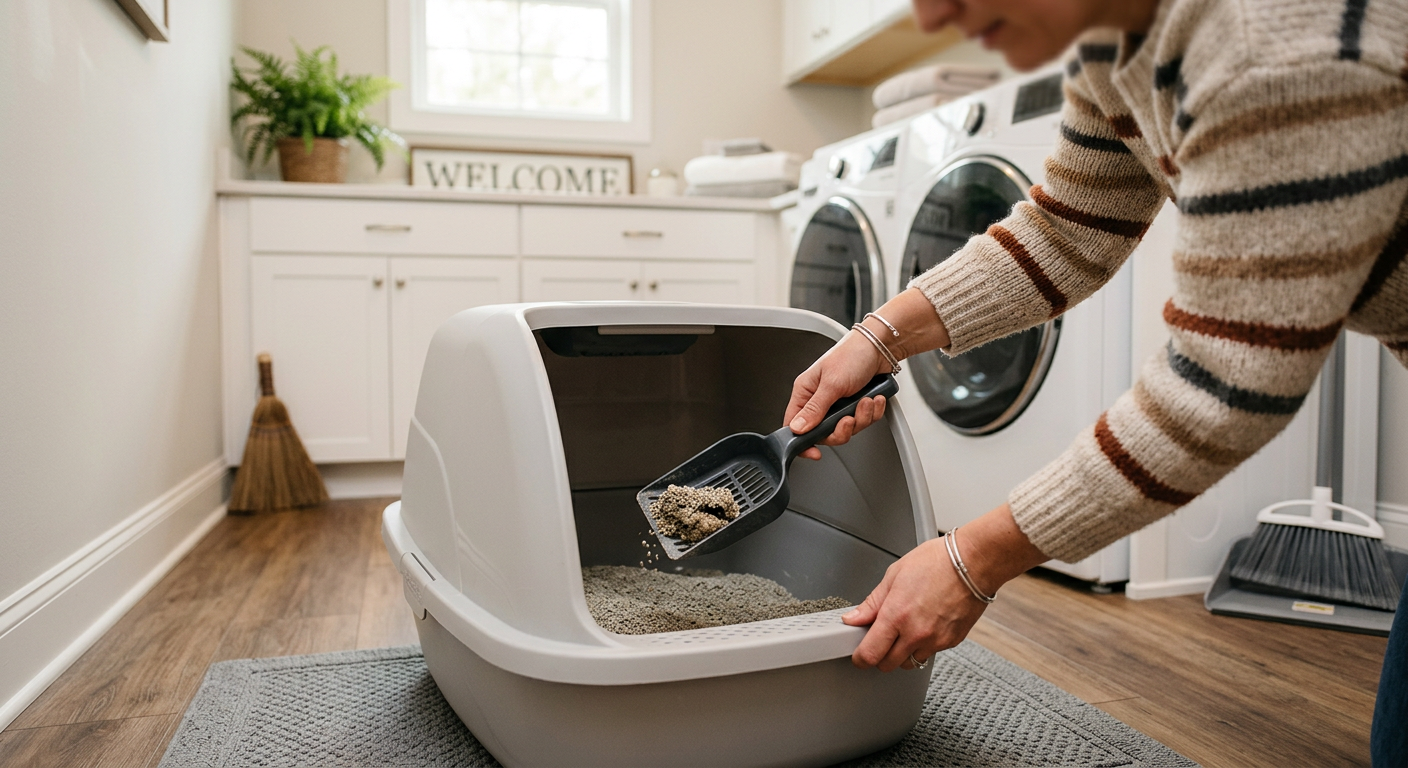
You should scoop solid waste and urine clumps at least once or twice a day. This keeps the box inviting and significantly reduces odors in your home. Every 2-4 weeks, perform a deep clean by emptying the box entirely and washing it with warm water and a mild, unscented soap. Avoid harsh chemicals like bleach or ammonia, which can be off-putting to cats.
Managing Odors the Right Way
If you find that odors are lingering despite regular scooping, consider using a thin layer of baking soda at the bottom of the pan before adding fresh litter. Keeping the area well-ventilated also helps. Remember, if the box smells bad to you, it smells significantly worse to your cat, whose nose is much closer to the surface.
Common Challenges and Solutions
Even with the best litter box training and maintenance plan, you might encounter some hurdles. Understanding the cause of a change in behavior is the first step toward a solution. Often, what looks like a training failure is actually a communication from your cat about their environment or health.
Addressing Litter Box Aversion
If your cat suddenly stops using their box, check for changes. Did you switch litter brands? Did you move the box? Sometimes a negative experience, like being cornered by a dog while in the box, can cause aversion. Restoring a sense of safety and returning to familiar supplies can often resolve these issues quickly.
Wellness Considerations
It is important to note that sudden changes in elimination habits can sometimes be linked to wellness concerns, such as urinary tract infections or kidney issues. If your cat appears to be in discomfort or if their habits change abruptly, always consult your veterinarian. They can rule out medical causes and provide professional guidance on keeping your pet healthy.
For more comparisons on how different breeds might react to training, you can explore our tool to compare British Shorthair vs Russian Blue temperaments. Different personalities may require slightly different approaches to house training and environmental enrichment.
Conclusion
Effective litter box training and maintenance is an ongoing commitment that rewards you with a clean home and a happy cat. By providing the right equipment, choosing a peaceful location, and maintaining a strict cleaning schedule, you set your pet up for success. Remember to be patient and observant, as your cat's behavior is often the best indicator of how well their needs are being met. With a proactive approach, your feline friend will feel comfortable and confident in their home for years to come.