Cats are often described as creatures of habit, thriving on the predictability of their daily lives. When you notice your feline friend becoming increasingly vocal, you might wonder, why does my cat meow when its routine changes? This behavior is a common way for cats to express their awareness of a shift in their environment or schedule.
Understanding this vocalization helps pet parents provide better emotional support. Whether you have moved furniture, changed feeding times, or introduced a new family member, your cat uses their voice to navigate these transitions. By recognizing the reasons behind these sounds, you can help your pet feel more secure and settled.
The Role of Predictability in Feline Wellness
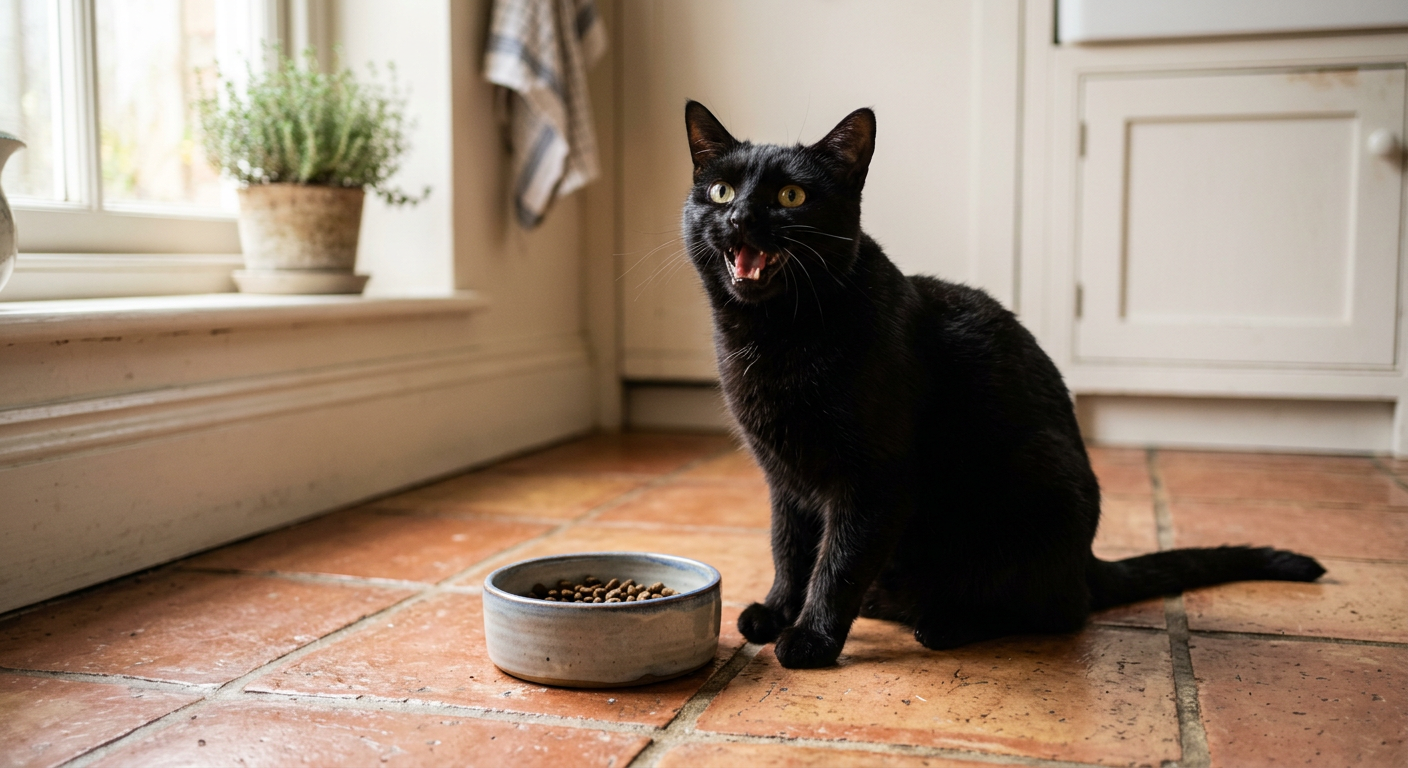
In the wild, cats rely on consistent patterns to ensure their safety and successful hunting. Our domestic companions have retained this evolutionary trait, viewing a stable routine as a sign of a secure territory. When that stability is interrupted, their primary way of alerting us to the "anomaly" is through vocalization.
Safety and Security
For a cat, a routine isn't just about food; it is about knowing what to expect from their environment. A consistent schedule reduces daily stress, allowing them to rest deeply without staying on high alert. When the routine shifts, they may feel a temporary loss of control, leading to those inquisitive or insistent meows.
Communication with Humans
Interestingly, adult cats rarely meow at other cats; they primarily use this sound to communicate with humans. If your cat starts meowing during a schedule change, they are likely trying to "tell" you that something is different. They are looking to you, their primary caregiver, for reassurance that everything is still okay.
Common Routine Changes That Trigger Vocalization
Not all changes are obvious to us, but a cat's keen senses pick up on even the smallest deviations. Identifying the specific trigger can help you address the behavior more effectively. If you are also managing a multi-cat home, you might find more helpful strategies in our multi-cat household harmony tips.
- Feeding Schedule Shifts: This is the most common trigger, as hunger is a powerful motivator for vocalization.
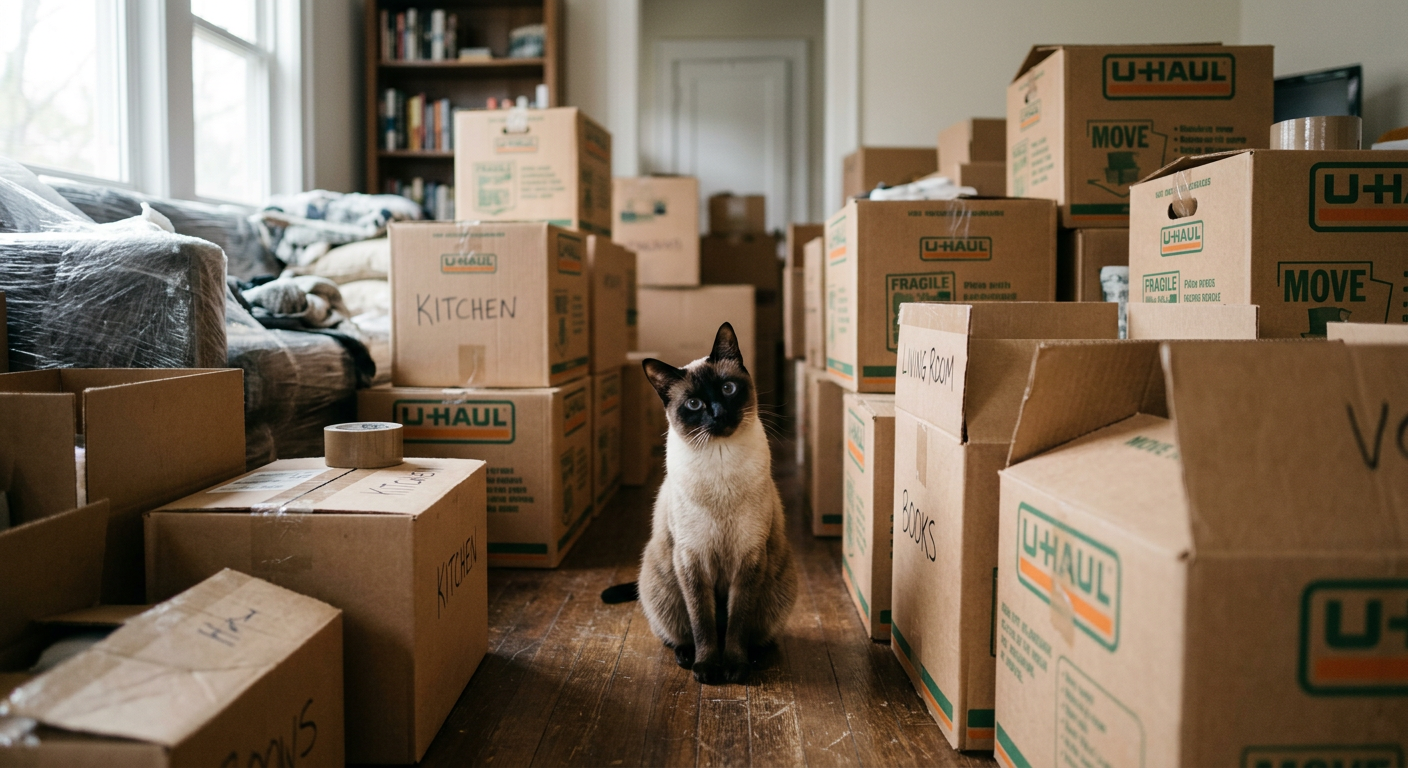
- Home Environment Alterations: Moving a couch or even a favorite scratching post can make a cat feel like their territory has been compromised.
- Changes in Human Presence: A new job with different hours or a child returning to school can leave a cat feeling lonely or confused.
- Introduction of New Pets: The presence of a new animal disrupts the established social hierarchy and scent profile of the home.
Understanding the Emotional Drive Behind the Meow
When asking why does my cat meow when its routine changes, it is important to look at the emotion behind the sound. It isn't always a sign of distress; sometimes, it is simply a request for information or a check-in with their favorite human.
Seeking Reassurance
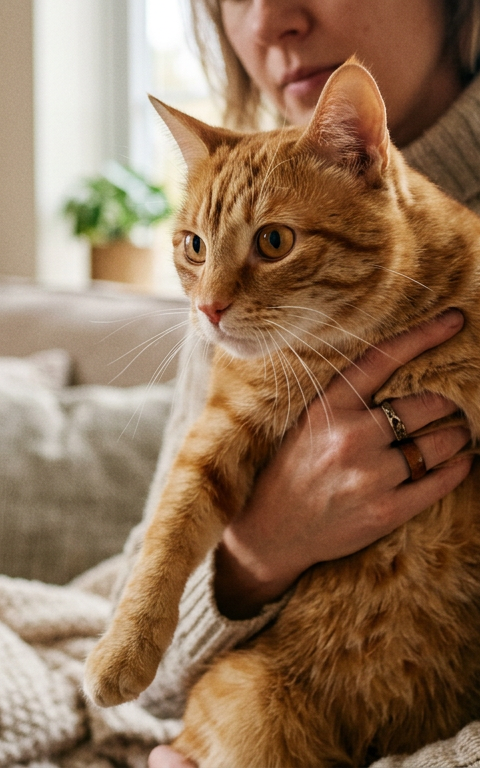
During transitions, your cat might follow you from room to room while meowing. This "velcro" behavior, combined with vocalization, is their way of staying close to their source of safety. They are checking in to ensure that while the environment has changed, your bond remains the same.
Frustration and Demand
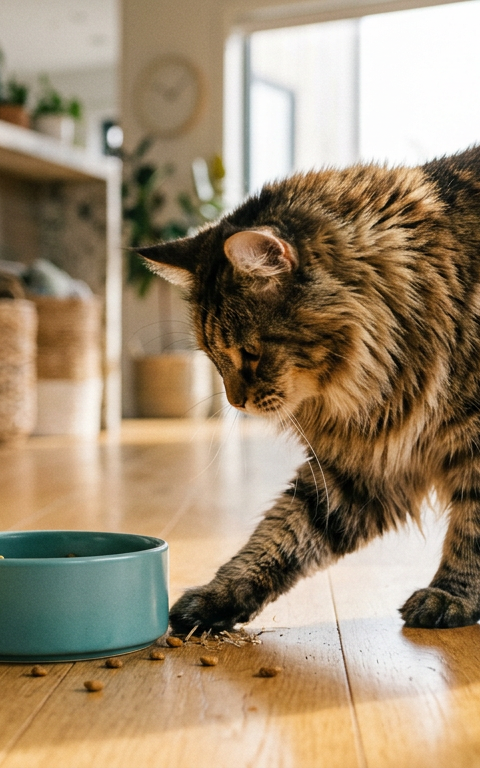
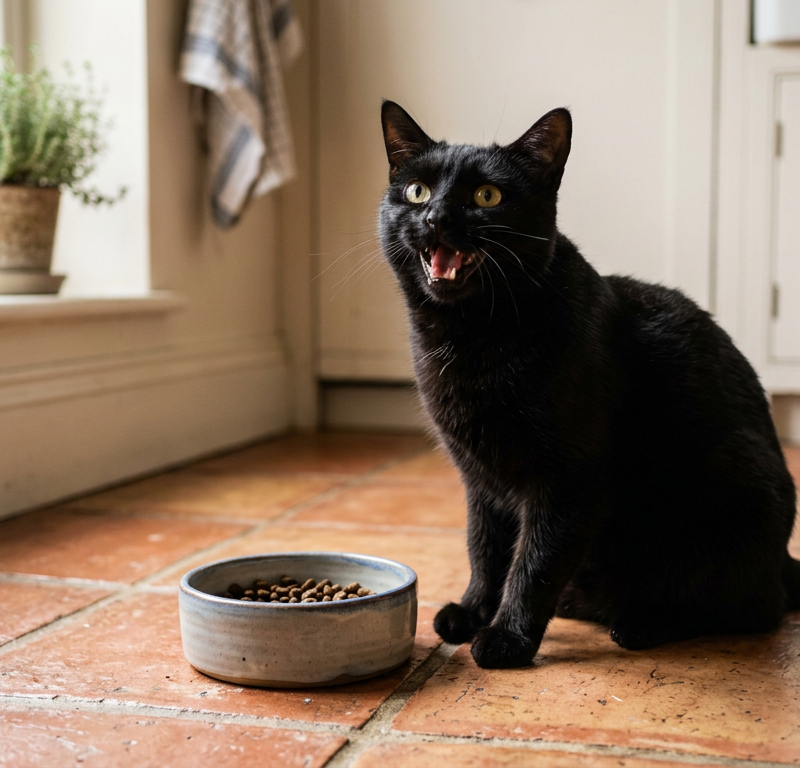
If a cat is used to being fed at 7:00 AM and you sleep until 8:00 AM, the meowing is often a demand. They are attempting to "correct" the schedule back to what they believe is the right time. This persistent vocalization is a learned behavior that often gets reinforced when we eventually get up to feed them.
How to Support Your Cat During Transitions
Proactive care involves helping your cat adapt to new situations without feeling overwhelmed. While meowing is a natural response, there are ways to minimize the stress that causes it. Ensuring they have their basic needs met is the first step, as outlined in our cat care essentials guide.
Gradual Transitions
Whenever possible, introduce changes slowly. If you are starting a new job, try adjusting your cat's feeding and play schedule by 15 minutes each day over a week. This allows their internal clock to reset gently rather than abruptly, reducing the likelihood of loud vocal complaints.
Consistent Safe Spaces
Even if the rest of the house is in flux, keep one area—like a bedroom or a cozy corner—exactly the same. Ensure their favorite bed, a familiar-smelling blanket, and their water bowl remain in a predictable spot. Having a "home base" gives them a sense of sanctuary when the rest of their world feels unpredictable.
Interactive Play and Mental Stimulation
Physical activity is a great way to relieve the nervous energy that often accompanies a change in routine. Schedule 10-15 minutes of dedicated play with a wand toy or laser pointer. This not only tires them out but also reinforces your bond, providing the emotional security they are seeking through their meowing.
When to Consult a Veterinarian
While most vocalization during a routine change is behavioral, it is important to monitor for other signs. If the meowing becomes excessive, or if it is accompanied by changes in appetite, grooming habits, or litter box usage, a wellness check is recommended. While you are considering their health, you can check the developmental stage of various breeds using tools like the Maine Coon age calculator or the Russian Blue age calculator.
Sometimes, what looks like a reaction to a schedule change can overlap with an underlying wellness consideration. A veterinarian can help rule out any physical discomfort that might be making your cat more sensitive to environmental shifts. Proactive health management ensures that your cat has the physical resilience to handle life's little changes.
Conclusion
In summary, why does my cat meow when its routine changes? It is primarily a way to communicate their awareness of the shift and seek reassurance from you. By maintaining a calm environment, offering extra affection, and introducing changes gradually, you can help your feline friend feel confident and secure in their home, no matter what changes come their way.